Pellet flow stability is a core productivity factor for Ethiopian feed mills operating in Addis Ababa, Bishoftu, and Hawassa industrial zones.
Ethiopia’s poultry and dairy expansion increases demand for stable feed pellet production under constrained power and raw material variability.
Feed consistency depends on particle control, moisture regulation, and mechanical synchronization of pellet systems.
This article presents five engineering based optimization methods adapted to Ethiopian operational conditions.
Get professional poultry farm construction guidance, equipment selection solutions, and the latest price lists, whatsApp to +8618830120193, click to learn more.

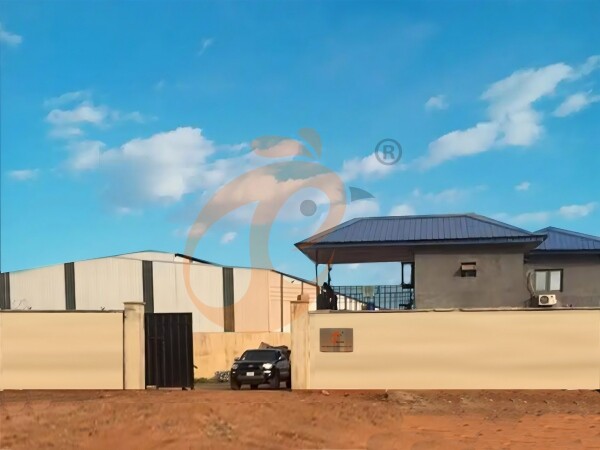
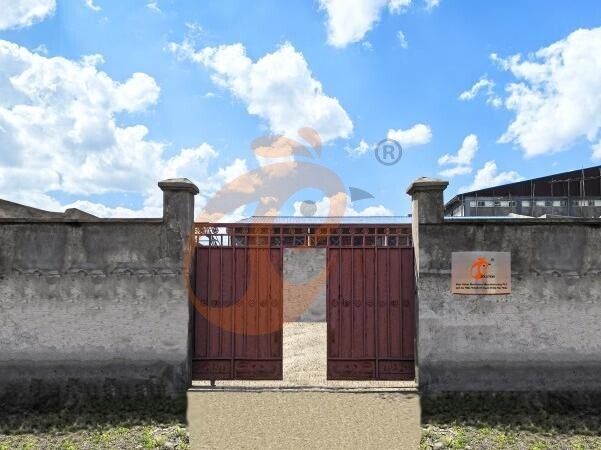
Ethiopia Branch Office And Factory Of Poultry Farm Equipment
Stabilize Raw Material Granulometry For Feed Flow Control
Ethiopian feed production heavily relies on maize from Oromia, noug cake from oilseed regions, and imported soybean meal.
These raw materials often arrive with inconsistent particle distribution, directly affecting pellet machine intake stability and die pressure balance.
Data is for reference only.Swipe horizontally to view full table.
Ethiopian mills frequently face flow interruption due to fiber agglomeration in noug cake and inconsistent maize grinding during seasonal variation.
Moisture Conditioning Optimization Under Ethiopian Climate Conditions
Moisture variation is a critical constraint in Ethiopian feed processing environments.
Regions such as Addis Ababa, Hawassa, and Adama experience different humidity profiles that directly affect steam conditioning performance.
Data is for reference only.Swipe horizontally to view full table.
Boiler instability in industrial zones often leads to under conditioned mash, reducing pellet binding strength and increasing die resistance.
Die And Roller Configuration Adjustment For Stable Feed Output
Feed formulations in Ethiopia vary across poultry, dairy, and fish production systems, requiring frequent adjustment of die compression and roller gap settings.
Incorrect die calibration reduces pellet density and increases motor load instability.
Data is for reference only.Swipe horizontally to view full table.
Incorrect die setup increases motor overload and reduces pellet density uniformity.
Electrical Stability And Feed System Synchronization
Voltage fluctuation in Ethiopia remains a major operational constraint for pellet systems.
Industrial zones such as Oromia corridors experience unstable power input affecting feeder speed and conditioner torque balance.
Data is for reference only.Swipe horizontally to view full table.
Unstable power input can reduce pellet output efficiency by 12–26% without proper stabilization systems.
Predictive Maintenance Based On Ethiopian Raw Material Wear Behavior
Local ingredients such as noug cake and limestone significantly increase wear rates in pellet machine components.
Scheduled maintenance is critical for maintaining stable feed flow.
Data is for reference only.Swipe horizontally to view full table.
Delayed maintenance significantly increases die blockage probability in Ethiopian feed mills.
Integrated Feed System Optimization For Ethiopian Mills
Feed mill performance depends on synchronization between hammer mill, mixer, conditioner, and pellet press units.
Many Ethiopian facilities experience transfer imbalance between these stages.
Data is for reference only.Swipe horizontally to view full table.
System synchronization improves pellet stability and reduces waste loss across Ethiopian feed lines.
Case Study Feed Mill Optimization In Bishoftu
A medium scale feed mill in Bishoftu implemented moisture stabilization and die adjustment strategies.
Operational performance improved after process recalibration.
Data is for reference only.Swipe horizontally to view full table.
Improvement was mainly driven by conditioning stabilization and feeder synchronization.
Frequently Asked Questions
Q1: Can pellet systems operate reliably under Ethiopia's unstable electricity supply?
A1: Yes.
With stabilizers, VFD control, and surge protection systems, pellet machines maintain stable operation even in regions with frequent voltage fluctuation such as Oromia and Amhara.
Q2: Are pellet systems suitable for small poultry farms in Ethiopia?
A2: Yes.
Modular systems support scalable capacity from small farms to industrial feed plants widely used in Bishoftu and surrounding poultry clusters.
Q3: How can die wear be reduced in Ethiopian feed mills?
A3: By controlling particle size below 1.0 mm, limiting limestone inclusion ratio, and applying scheduled roller alignment every 25–30 operating days.
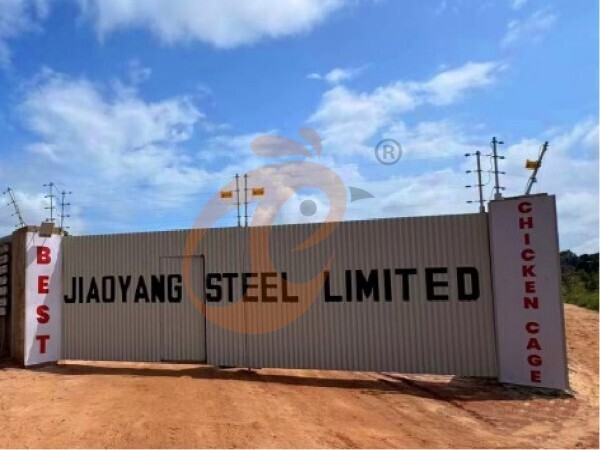
Ethiopia Best Hebei Machinery Manufacturing Plc - One Of Ethiopia Largest Chicken Cage Exporter
Ethiopia best hebei machinery manufacturing Plc provides global factory direct supply of poultry farm equipment and chicken cage systems designed for Ethiopian agricultural conditions.
The company delivers complete turn-key engineering solutions covering farm planning, installation, and commissioning of poultry cage systems and supporting equipment.
Its manufacturing system integrates advanced poultry cage production lines designed for durability under Ethiopian climate and operational environments.
Global factory direct sales ensure stable supply chain, cost efficiency, and long term technical support for poultry farming projects.
The company specializes in turn key poultry engineering solutions integrating poultry farm equipment, poultry cage systems, and full lifecycle service support.
Contact Us To Received Your Customized Poultry Farm Plan
Headquarters And Branchs

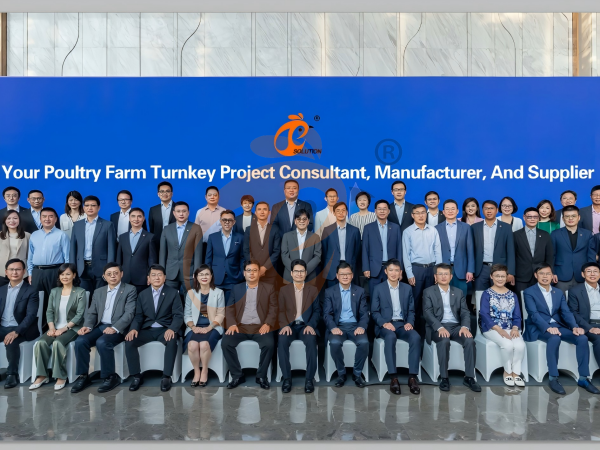
Hong Kong Headquarter Management Team
Hong Kong Headquarter Taiyu Industrial Group CO., LTD
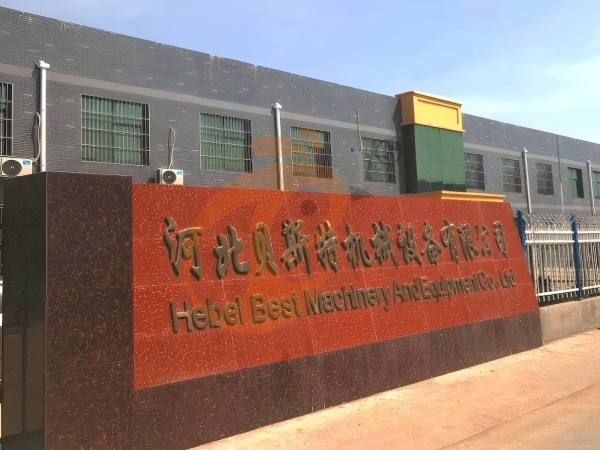
China Hebei Best Machinery And Equipment CO., LTD
Nigeria Vanke Machinery And Equipment CO., LTD
Tanzania Best Machinery And Equipment CO., LTD
Ethiopia Best Hebei Machinery Manufacturing PLC




Reception /24 WhatsApp NO. : +8618830120193
MESSAGE
Products recommended
 HK Headquarter Offers EU-standard Poultry Farm Solutions, Manufacture Poultry Farm Equipment1. Continuous communication with the EU and the US
2. China, Nigeria, Ethiopia, Tanzania branch companies and factories
3. The products’ quality is customized for local poultry farms
4. Poultry cage and poultry farm equipment stock for sale
5. 24 online reception Whatsapp NO. : +8618830120193,contact us to get full informationRead More China Branch Offer Poultry Farm Business Plan, Manufacture Poultry Farm Equipment1. Address: Flat/RM 2416, 24/F, Runxing Building, Youyi Nan Street, Shijiazhuang City, Hebei Province, China
2. Poultry cage and poultry farm equipment factory and stock for sale
3. Customized for local poultry farms
4. Quality and design are based on Euro
5. 24 online reception Whatsapp NO. : +8618830120193Read More Nigeria Branch Offer Poultry Farm Business Plan, Manufacture Poultry Farm Equipment1. Address: After Sinoma Office, 200 Meters Near Danco Filling Station, Lagos/Ibadan Expressway, Lagos State, Nigeria
2. Poultry cage and poultry farm equipment factory and stock for sale
3. Customized for Nigerian poultry farms
4. Quality and design are based on Euro
5. 24 online reception Whatsapp NO. : +8618830120193Read More Ethiopia Branch Offer Poultry Farm Business Plan, Manufacture Poultry Farm Equipment1. Address: Gelan Gura, Akaki-kaliti Sub City, Addis Ababa, Ethiopia
2. Poultry cage and poultry farm equipment stock for sale
3. Customized for Ethiopian poultry farms
4. Quality and design are based on Euro
5. 24 online reception Whatsapp NO. : +8618830120193, contact us to get price listRead More Tanzania Branch Offer Poultry Farm Business Plan, Manufacture Poultry Farm Equipment1. Address: No.8, Sova Road, Msufini, Mlandizi, Kibaha, Pwani, Tanzania
2. Poultry cage and poultry farm equipment factory and stock for sale
3. Customized for Tanzanian poultry farms
4. Quality and design are based on Euro
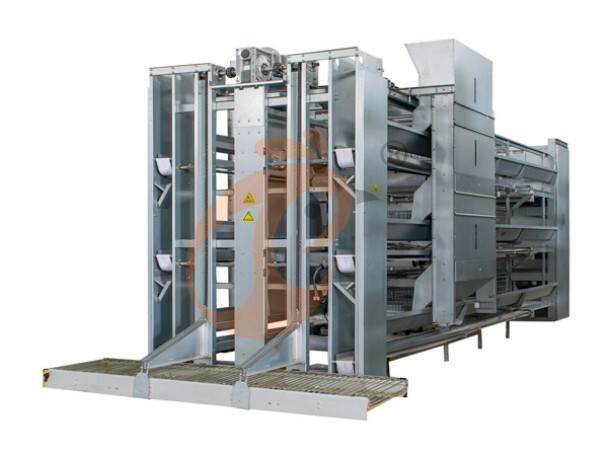
5. 24 online reception Whatsapp NO. : +8618830120193Read More Automatic H Type Layer Battery Cage System1. 30,000-100,000+ layers/house chooses it
2. Structure type stacked 3-16 tiers range
3. Stocking density up to 17 birds/cage
4. Service life 25 years
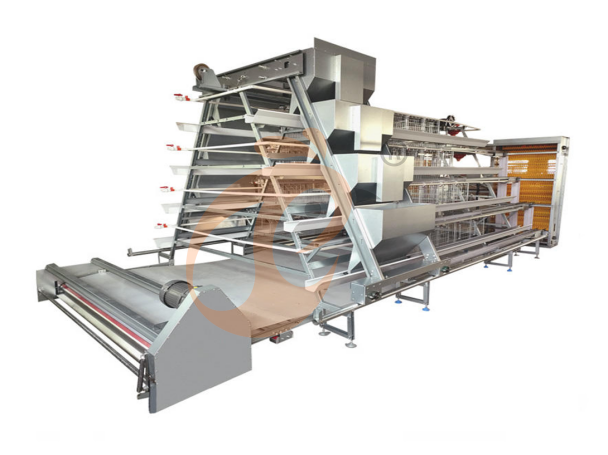
5. Reception /WhatsApp NO. : +8618830120193Read More Automatic A Type Layer Battery Cage System1. 10,000-30,000+ layers/house chooses it
2. Lifespan 25+ years
3. Labor requirement 1 worker per 10,000 birds
4. Reduce disease rates by 15%-20%.
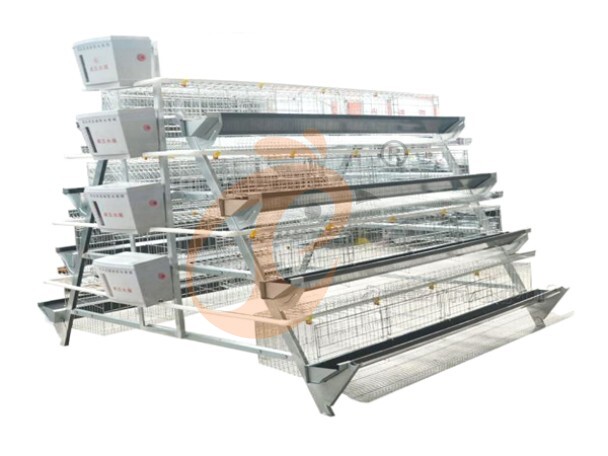
5. Reception /WhatsApp NO. : +8618830120193Read More Semi Automatic A Type Layer Battery Cage System1. 1,00-10,000+ layers/house chooses it
2. Egg breakage rate≤ 0.5%
3. Mesh spacing 2.5×2.5 cm
4. Egg collection floor slope 7–8°
5. Reception /WhatsApp NO. : +8618830120193Read More