Poultry nipple drinkers create controlled water access while supporting cleaner, more efficient chicken-house operations with practical engineering value.
Efficient automatic chicken drinker systems combine reliable delivery, suitable positioning, maintenance planning, and measurable water management across commercial poultry production.
A professional poultry drinking system connects nipples, pipelines, filtration, regulation, suspension, flushing, and monitoring into one coordinated equipment structure.
Commercial farms can reduce avoidable water loss through equipment selection, pressure management, correct installation, leak inspection, water-quality control, and consumption tracking.
Integrated drinking equipment also supports scalable poultry-house projects, dependable maintenance, customized configurations, and long-term operational efficiency for growing production capacity.
Get professional poultry farm construction guidance, equipment selection solutions, and the latest price lists, whatsApp to +8618830120193, click to learn more.
Start With The Right Drinking System: Why Nipple Drinkers Matter
Water efficiency begins with the drinking system itself.
Poultry nipple drinkers provide controlled water access while reducing exposure to dust, feed particles, and litter.
Closed drinking points release water when birds activate the valve, supporting cleaner delivery and more controlled consumption.
A commercial poultry drinking system can integrate stainless-steel nipples, water pipes, regulators, filters, end-flush assemblies, and automatic height adjustment.
A complete automatic chicken drinker solution can improve water management while providing a dependable equipment platform.
Choose High-Quality Nipple Drinkers
Nipple quality directly influences drinking-line stability.
Reliable poultry nipple drinkers require precise valve components that return consistently after activation.
A commercial model with 360° activation can accommodate different bird approaches while supporting flexible drinking behavior.
Inspect sealing construction, trigger response, material composition, and replacement convenience before purchasing an automatic chicken drinker.
Three practical checks create a useful selection framework.
Valve Response: consistent activation supports predictable discharge.
Material Durability: stainless-steel construction supports repeated sanitation.
Sealing Precision: controlled closure helps minimize post-activation dripping.
For equipment manufacturers, matched nipples and replacement components create stronger value than selling isolated poultry drinking system parts.
Adjust Water Pressure And Flow
Pressure determines discharge behavior after nipple activation.
Broiler drinking research has evaluated flow settings from 50 to 120 ml/min, showing why calibration should develop with flock age.
Poultry nipple drinkers should follow manufacturer specifications and actual flock requirements rather than one fixed setting.
A professional automatic chicken drinker can incorporate pressure regulators for controlled field adjustment.
Research guidance also recommends increasing nipple flow as birds mature.
Keep Drinking Lines At The Correct Height
Height adjustment directly influences how naturally birds activate the drinking point.
A practical poultry drinking system should allow operators to raise the line as bird body size develops.
Bird posture provides a useful visual indicator during daily management.
The management sequence remains simple:
Observe → adjust → test → record
Observe bird posture.
Adjust the suspension mechanism.
Test representative drinking points.
Record performance changes.
A winch-supported automatic chicken drinker line makes repeated adjustment faster during production cycles.
Prevent Leaks Before They Become Expensive
Leak prevention becomes increasingly important as drinking-line length and nipple quantity increase.
A commercial house containing hundreds of poultry nipple drinkers can accumulate significant water loss from small mechanical failures.
Routine inspection should cover the complete poultry drinking system, including connections far from the inlet.
Modular replacement parts can reduce downtime during automatic chicken drinker maintenance.
Use Water Quality Management To Protect Equipment
Water quality affects birds and drinking-system components.
Sediment and mineral deposits can accumulate inside narrow valve passages and change the mechanical response of poultry nipple drinkers.
Filtration before drinking lines can reduce incoming particles.
Regular flushing can remove accumulated material from pipelines.
A complete poultry drinking system can combine filtration, regulation, flushing, and nipple assemblies.
Monitor Water Consumption As A Management Indicator
Water meters convert invisible system changes into measurable operating information.
A change in consumption may indicate flock development, environmental variation, blockage, or leakage within an Automatic Chicken Drinker line.
Commercial broiler-house research has used ultrasonic meters with ±2% accuracy for drinking-line measurement.
For equipment suppliers, optional monitoring modules can transform a conventional poultry drinking system into a more measurable management platform.
Installation Quality: The Hidden Factor Behind Water Efficiency
Advanced poultry nipple drinkers cannot compensate for incorrect installation.
Long drinking lines require consistent support, alignment, hydraulic management, and accessible flushing points.
Hydraulic behavior changes along line length because birds progressively remove water from distribution pipes.
A professional installation should follow
Water source → filtration → regulation → distribution pipe → nipple → end flush
Each component should match the next component.
For equipment suppliers, complete installation drawings and compatible accessories can improve commissioning performance for every poultry drinking system project.
Bird Behavior: Let The Equipment Work With The Flock
Drinking equipment should accommodate natural bird movement.
Correct positioning allows birds to activate automatic chicken drinker valves efficiently without excessive manipulation.
Height values remain installation references because breed, litter depth, house design, and equipment specifications influence actual positioning.
Height-adjustable poultry nipple drinkers provide greater flexibility across production stages.
Build A Complete Water-Saving Chicken House
Water efficiency comes from coordinated components rather than one isolated product.
A complete poultry drinking system can include stainless-steel nipples, water pipes, regulators, filters, meters, suspension winches, drip cups, and terminal flushing assemblies.
The equipment architecture follows
Protection → regulation → distribution → delivery → monitoring
Protection manages incoming water quality.
Regulation manages hydraulic conditions.
Distribution carries water throughout the house.
Delivery provides controlled bird access.
Monitoring provides measurable operating information.
Integrated automatic chicken drinker packages give poultry-equipment suppliers a stronger project-level solution.
From Equipment Purchase To Long-Term Operating Value
Purchase price represents only one part of total drinking-system economics.
Maintenance requirements, replacement frequency, installation compatibility, monitoring capability, and reliability also affect long-term value.
A lifecycle approach helps producers evaluate poultry nipple drinkers according to operating performance instead of purchase price alone.
Customized layouts, replacement parts, technical support, and compatible accessories strengthen the commercial value of a complete poultry drinking system.
The Practical Formula For Reducing Water Waste
Effective water management connects six practical actions.
Quality equipment + controlled flow + correct height + leak inspection + water treatment + consumption monitoring
A controlled poultry nipple drinkers system can support cleaner drinking points, more precise water management, and improved litter conditions.
The strongest commercial solution combines nipples, hydraulic components, suspension, filtration, flushing, and monitoring into one poultry drinking system.
For modern chicken houses, integrated automatic chicken drinker solutions provide a practical equipment foundation for scalable poultry production.
Frequently Asked Questions
Q1: What makes nipple drinkers effective for water management?
A1: Poultry nipple drinkers release water through bird activation rather than maintaining an exposed water surface.
Proper installation and routine inspection further support controlled water delivery.
Q2: How should nipple drinker flow be managed?
A2: Flow should correspond with bird development and manufacturer specifications.
A production program may progress through multiple calibrated flow ranges rather than relying on one fixed setting.
Q3: What equipment should be included in a complete drinking system?
A3: A professional poultry drinking system can include nipples, pipes, regulators, filters, flushing assemblies, suspension equipment, and water meters.
Integrated components simplify installation and make maintenance more systematic.
Taiyu (HK) Group - One Of China Toppest Nipple Drinkers Manufacturer
Poultry nipple drinkers provide controlled delivery through precision valve construction, corrosion-resistant components, adjustable installation, and integrated hydraulic compatibility for commercial chicken-house projects.
Global factory direct sales provide poultry equipment manufacturing, component matching, technical documentation, production coordination, and project-based supply for international poultry farms.
Poultry equipment portfolios cover drinking systems, feeding systems, ventilation equipment, environmental controls, housing structures, and supporting farm components.
Turn-key engineering integrates equipment selection, house layout, production coordination, installation guidance, commissioning support, and project delivery through one technical workflow.
International project supply supports customized configurations, scalable production capacity, spare-parts planning, and coordinated delivery for commercial poultry-house construction.
Contact Us To Received Your Customized Poultry Farm Plan
Headquarters And Branchs
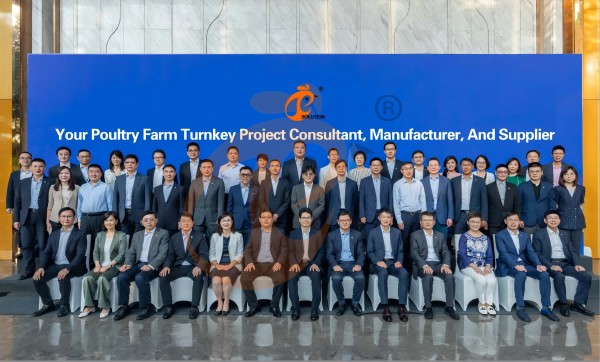
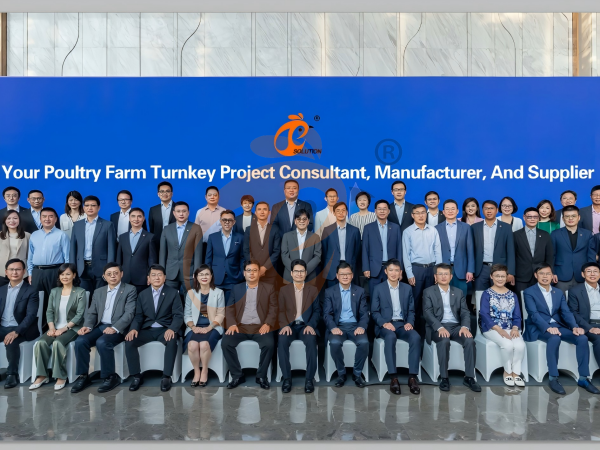
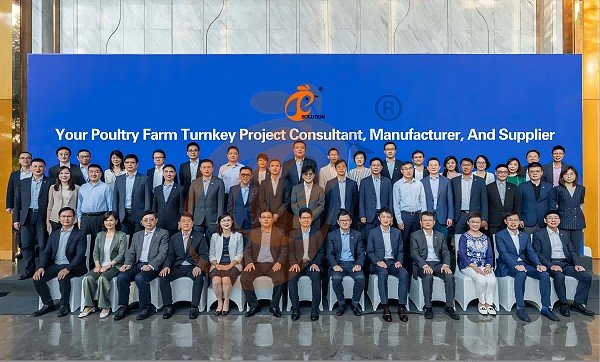
Hong Kong Headquarter Management Team
Hong Kong Headquarter Taiyu Industrial Group CO., LTD
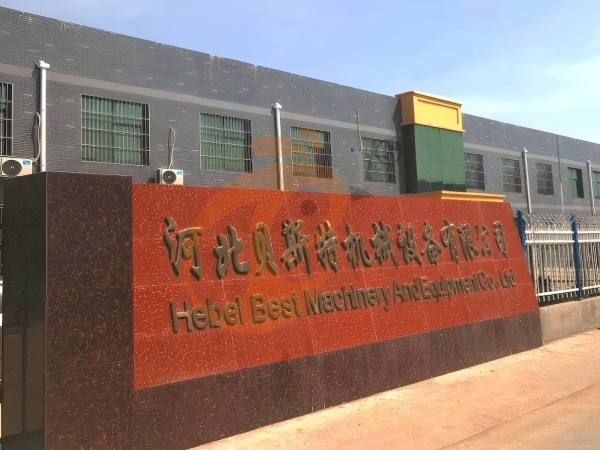
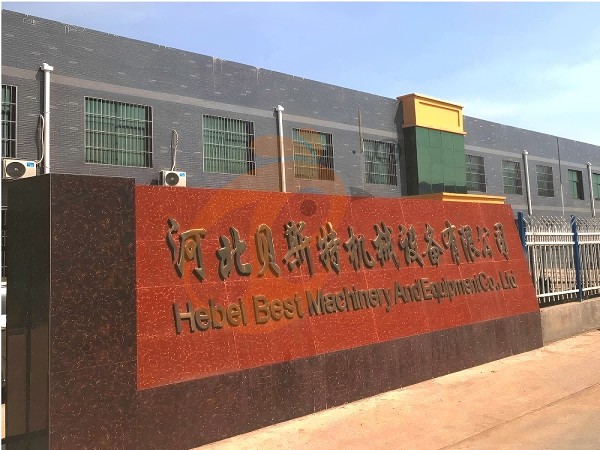
China Hebei Best Machinery And Equipment CO., LTD
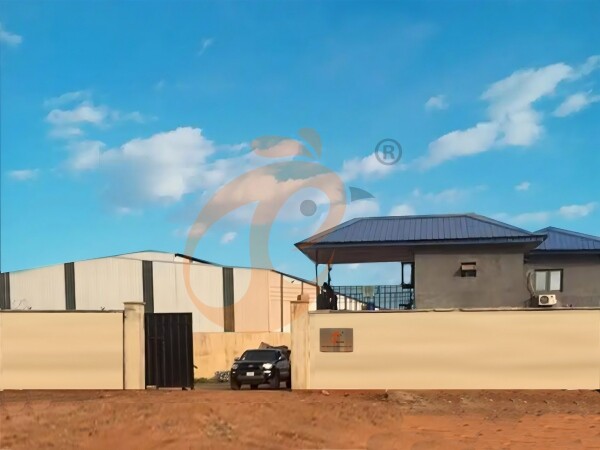
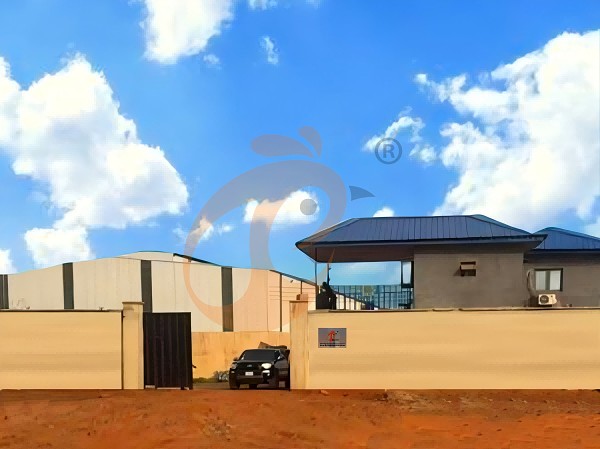
Nigeria Vanke Machinery And Equipment CO., LTD
Tanzania Best Machinery And Equipment CO., LTD
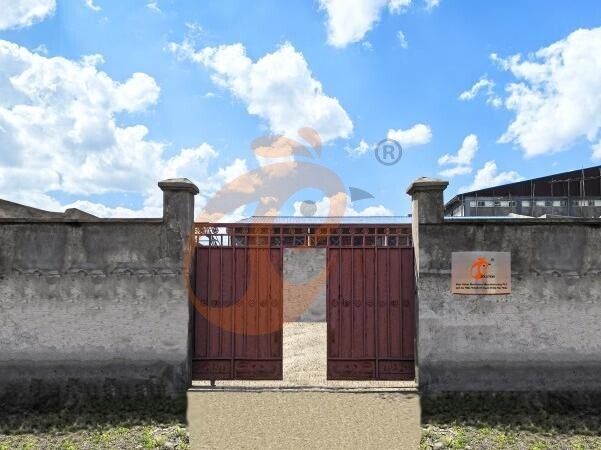
Ethiopia Best Hebei Machinery Manufacturing PLC
Reception /24 WhatsApp NO. : +8618830120193
MESSAGE
Products recommended
 HK Headquarter Offers EU-standard Poultry Farm Solutions, Manufacture Poultry Farm Equipment1. Continuous communication with the EU and the US
2. China, Nigeria, Ethiopia, Tanzania branch companies and factories
3. The products’ quality is customized for local poultry farms
4. Poultry cage and poultry farm equipment stock for sale
5. 24 online reception Whatsapp NO. : +8618830120193,contact us to get full informationRead More China Branch Offer Poultry Farm Business Plan, Manufacture Poultry Farm Equipment1. Address: Flat/RM 2416, 24/F, Runxing Building, Youyi Nan Street, Shijiazhuang City, Hebei Province, China
2. Poultry cage and poultry farm equipment factory and stock for sale
3. Customized for local poultry farms
4. Quality and design are based on Euro
5. 24 online reception Whatsapp NO. : +8618830120193Read More Nigeria Branch Offer Poultry Farm Business Plan, Manufacture Poultry Farm Equipment1. Address: After Sinoma Office, 200 Meters Near Danco Filling Station, Lagos/Ibadan Expressway, Lagos State, Nigeria
2. Poultry cage and poultry farm equipment factory and stock for sale
3. Customized for Nigerian poultry farms
4. Quality and design are based on Euro
5. 24 online reception Whatsapp NO. : +8618830120193Read More Ethiopia Branch Offer Poultry Farm Business Plan, Manufacture Poultry Farm Equipment1. Address: Gelan Gura, Akaki-kaliti Sub City, Addis Ababa, Ethiopia
2. Poultry cage and poultry farm equipment stock for sale
3. Customized for Ethiopian poultry farms
4. Quality and design are based on Euro
5. 24 online reception Whatsapp NO. : +8618830120193, contact us to get price listRead More Tanzania Branch Offer Poultry Farm Business Plan, Manufacture Poultry Farm Equipment1. Address: No.8, Sova Road, Msufini, Mlandizi, Kibaha, Pwani, Tanzania
2. Poultry cage and poultry farm equipment factory and stock for sale
3. Customized for Tanzanian poultry farms
4. Quality and design are based on Euro
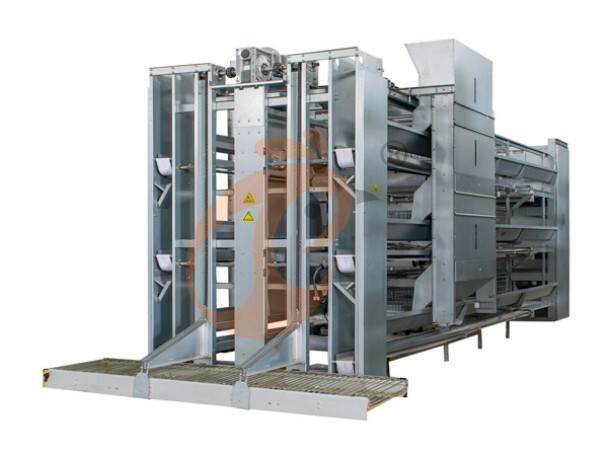
5. 24 online reception Whatsapp NO. : +8618830120193Read More Automatic H Type Layer Battery Cage System1. 30,000-100,000+ layers/house chooses it
2. Structure type stacked 3-16 tiers range
3. Stocking density up to 17 birds/cage
4. Service life 25 years
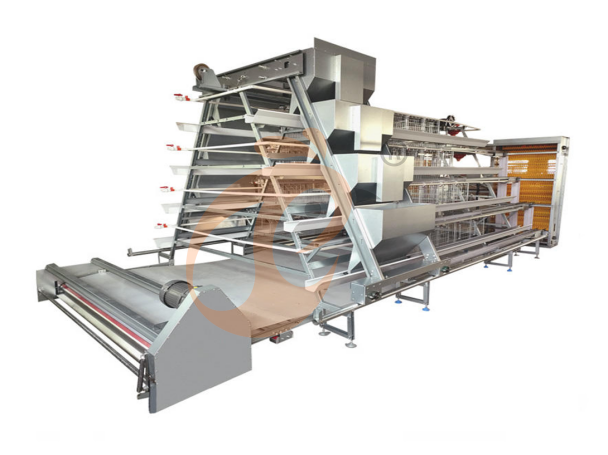
5. Reception /WhatsApp NO. : +8618830120193Read More Automatic A Type Layer Battery Cage System1. 10,000-30,000+ layers/house chooses it
2. Lifespan 25+ years
3. Labor requirement 1 worker per 10,000 birds
4. Reduce disease rates by 15%-20%.
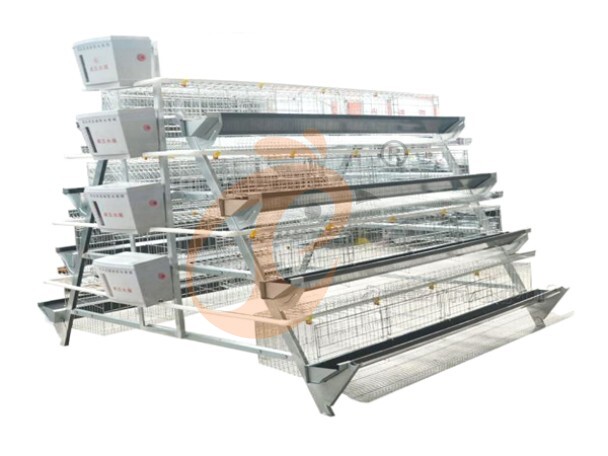
5. Reception /WhatsApp NO. : +8618830120193Read More Semi Automatic A Type Layer Battery Cage System1. 1,00-10,000+ layers/house chooses it
2. Egg breakage rate≤ 0.5%
3. Mesh spacing 2.5×2.5 cm
4. Egg collection floor slope 7–8°
5. Reception /WhatsApp NO. : +8618830120193Read More