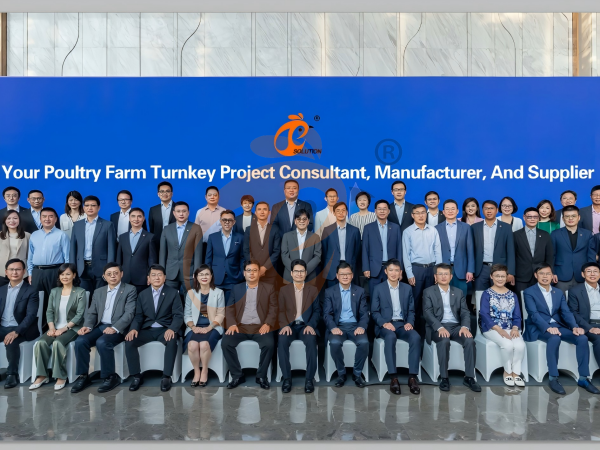
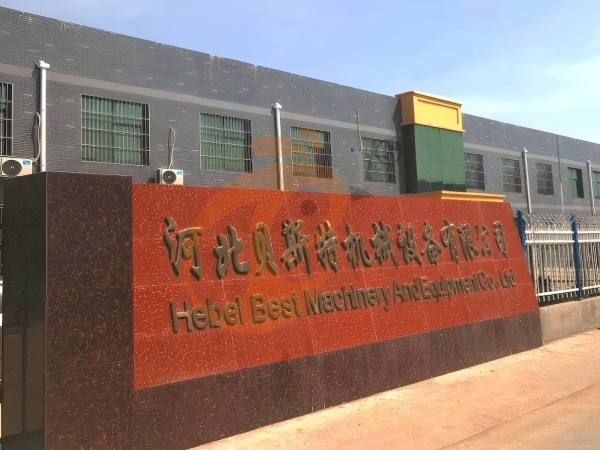
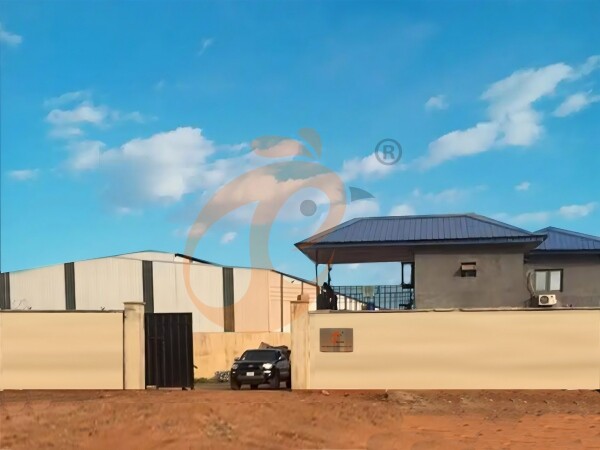
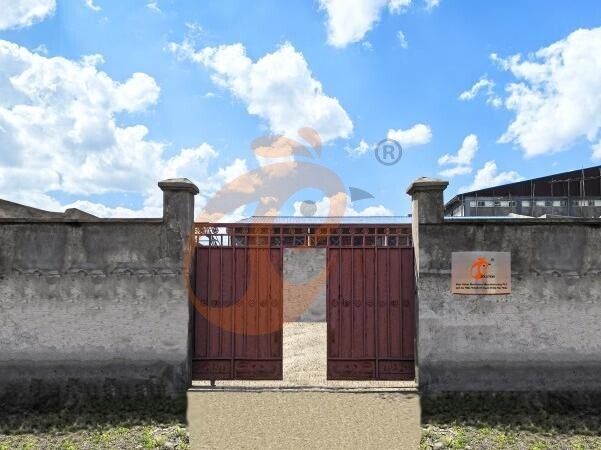
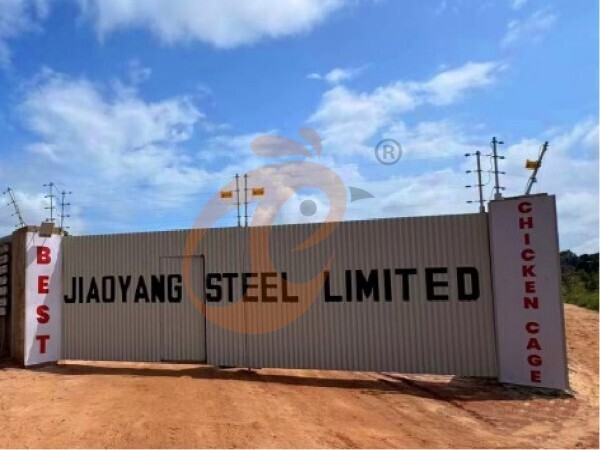
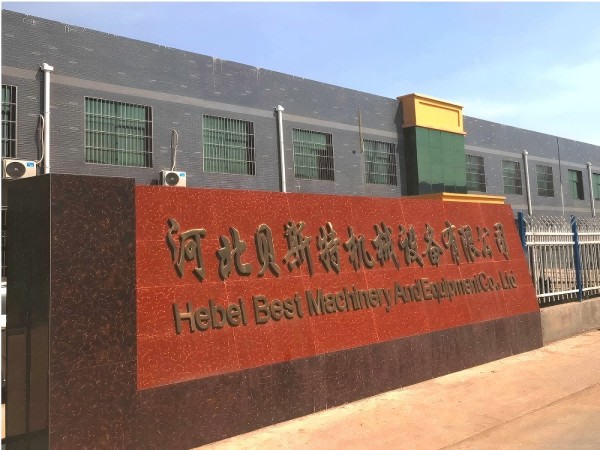
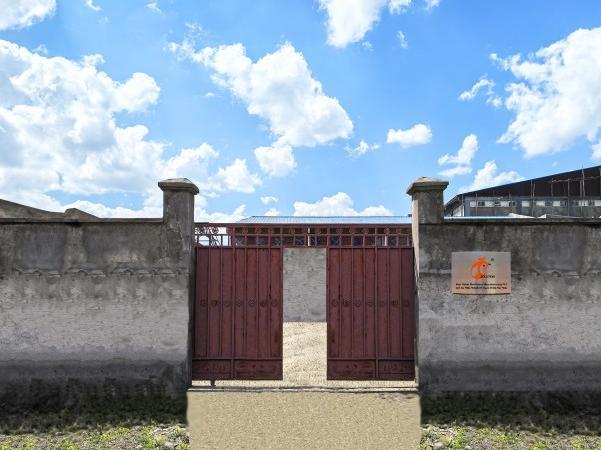
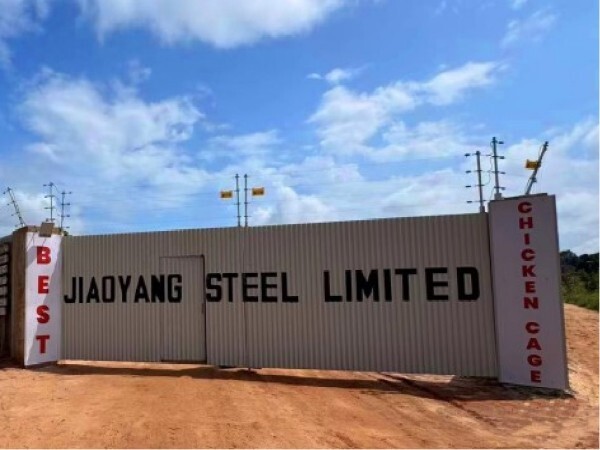
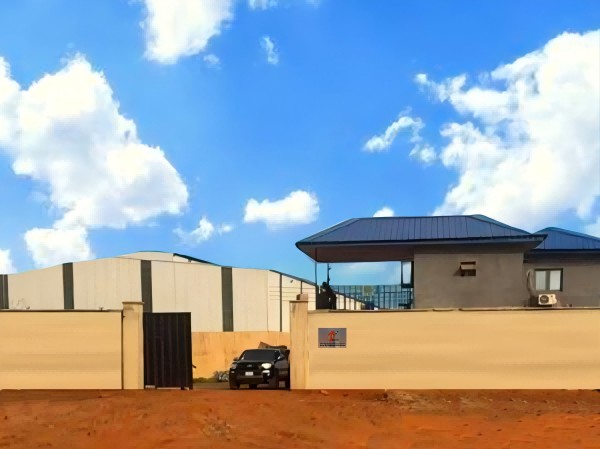
Headquarter and branches of office factory
Our design and quality of poultry battery cage, poultry farm equipment based on EURO standard.
Offer modern poultry farm consulting and turnkey project.
Hong Kong Headquarter Taiyu Industrial Group CO., LTD
China Hebei Best Machinery And Equipment CO., LTD
Nigeria Vanke Machinery And Equipment CO., LTD
Tanzania Best Machinery And Equipment CO., LTD
Ethiopia Best Hebei Machinery Manufacturing PLC
Reception T ( wechat / whatsapp ): +86-18830120193
E: Sales@bestchickencage.com
Types of chicken cage
Layer chicken cages increase the egg-laying rate of laying hens.
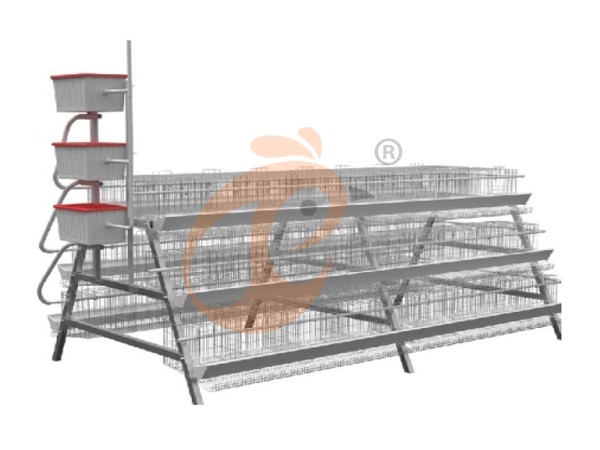
Type 1
<10,000 chickens per house
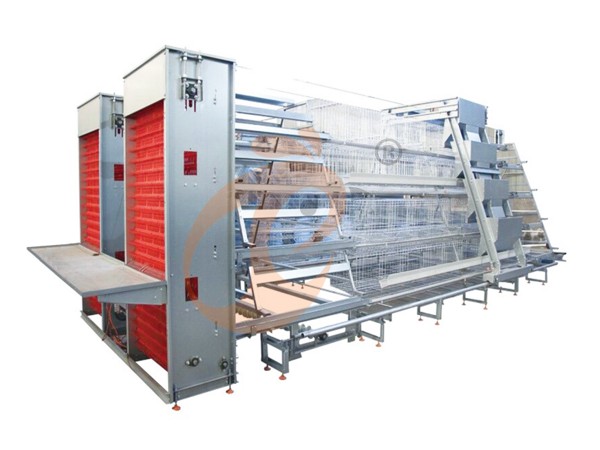
Type 2
<30,000 chickens per house
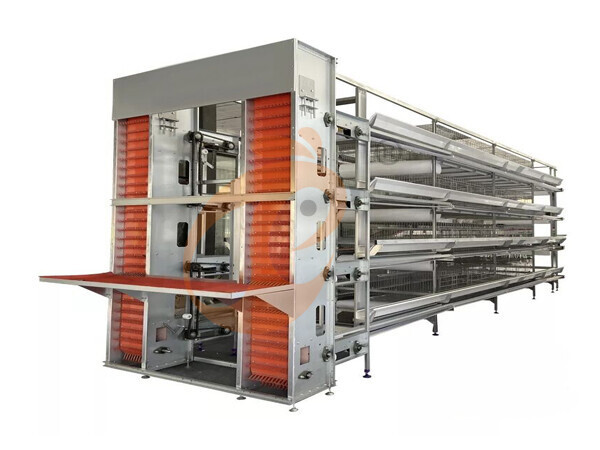
Type 3
>30,000 chickens per house
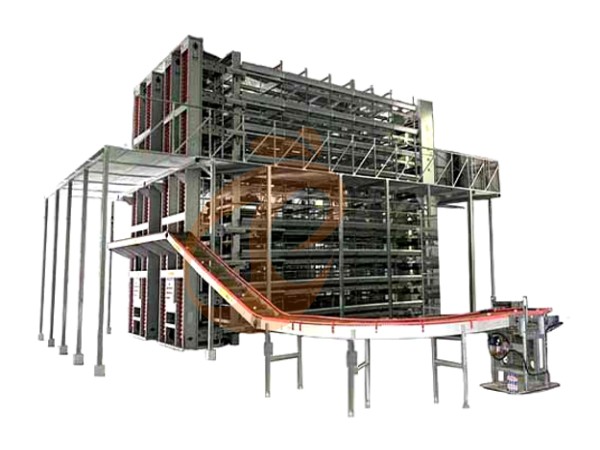
Type 4
>60,000 chickens per house
Brolier chicken cages make broilers' weight increasing quickly to be ready for market.
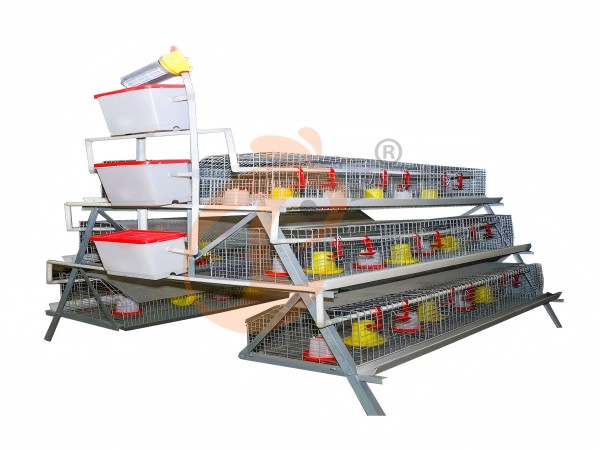
Type 1
<10,000 chickens per house
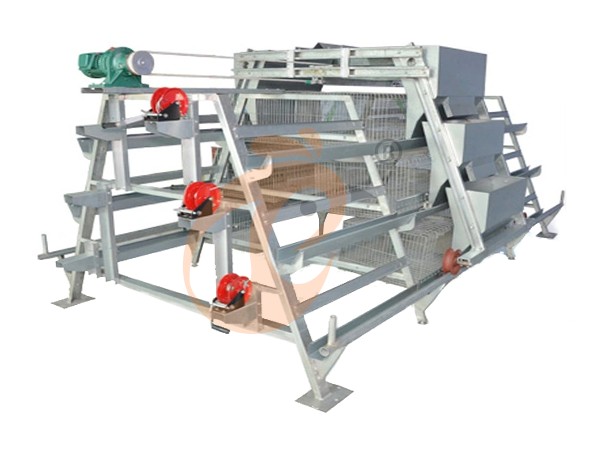
<30,000 chickens per house
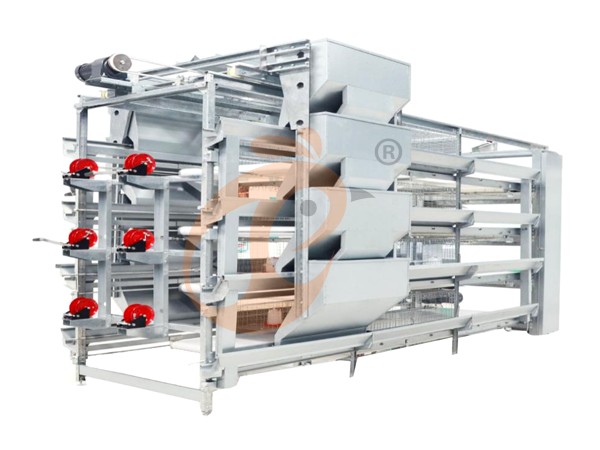
Type 3
>30,000 chickens per house
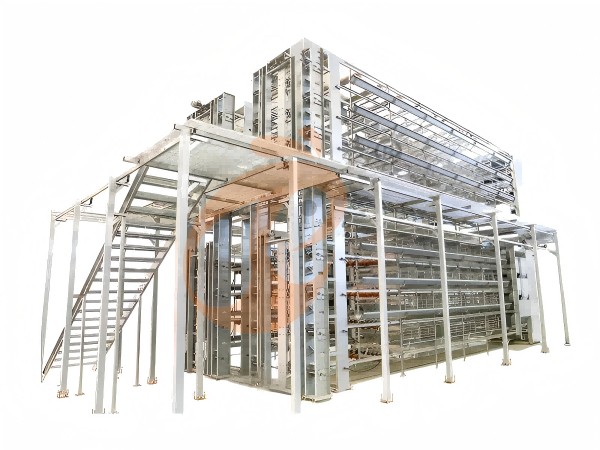
Type 4
>60,000 chickens per house
Brooder chicken cages make the chicks growing fast to be ready for laying.
Type 1
<10,000 chickens per house
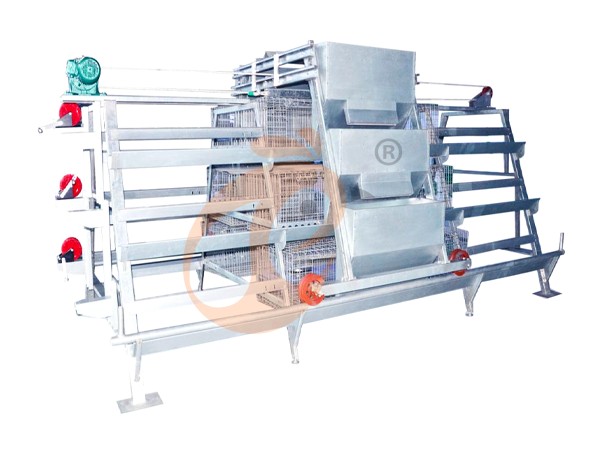
Type 2
<30,000 chickens per house
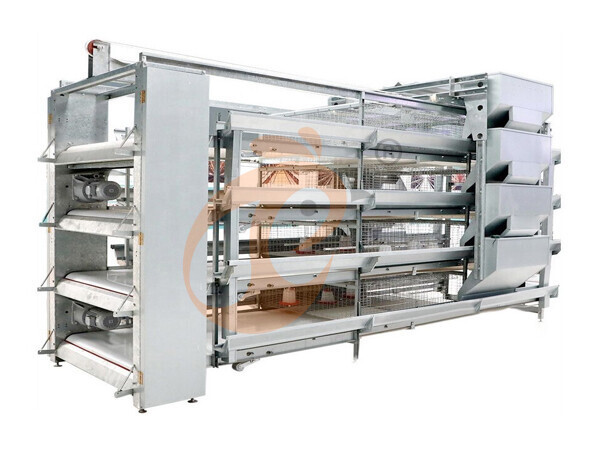
Type 3
>30,000 chickens per house
Type 4
>60,000 chickens per house
Parent chicken cages increase the fertilization rate.
<10,000 chickens per house
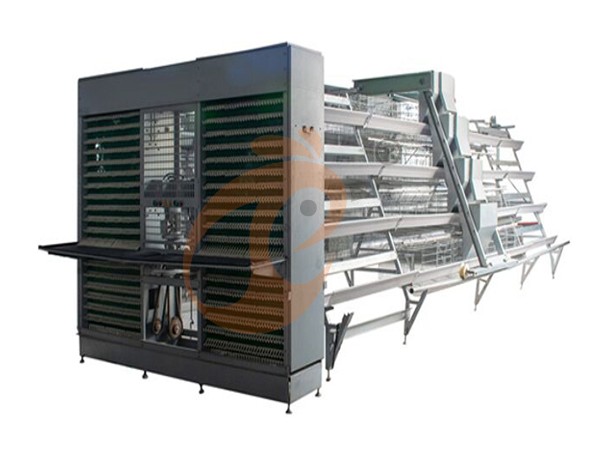
Type 2
<30,000 chickens per house
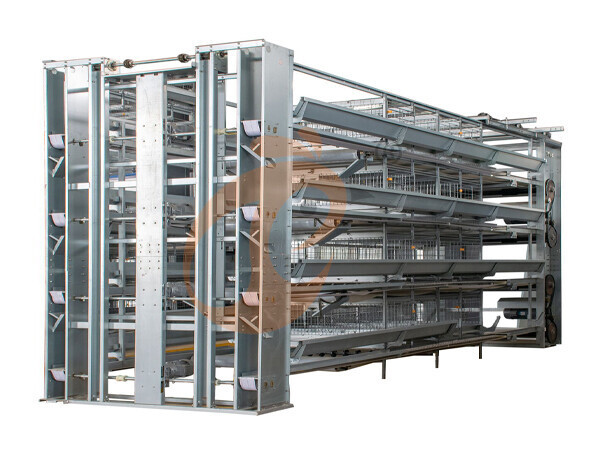
Type 3
>30,000 chickens per house
Type 4
>60,000 chickens per house
Layer chicken cages
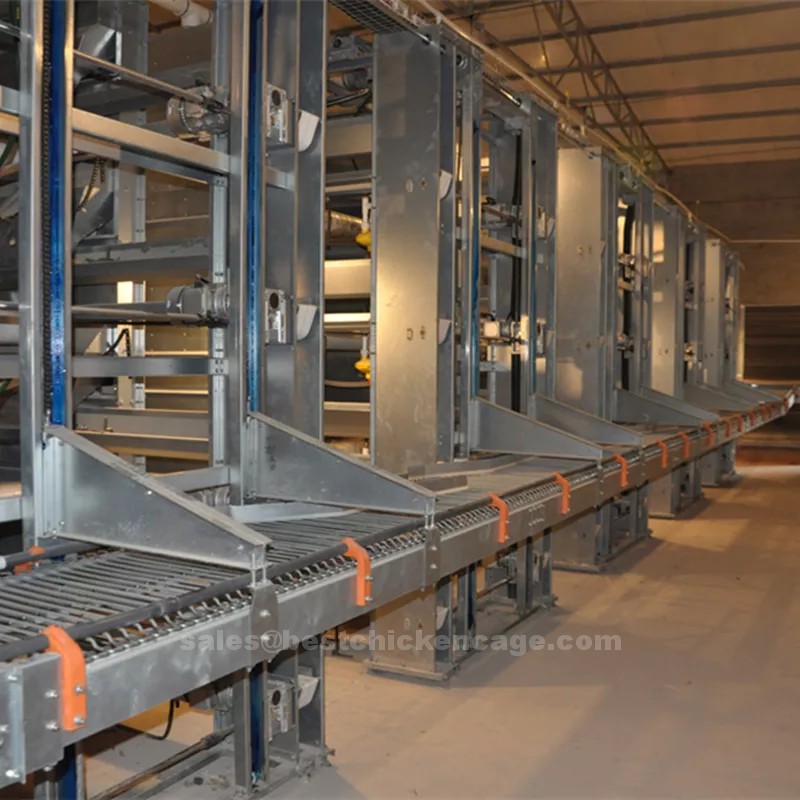
A layer chicken cage is a specialized cage system used in poultry farming to house hens for egg production. These cages are designed to maximize space efficiency, promote healthy living conditions for the birds, and streamline the egg collection process. The system typically consists of multiple tiers or levels of cages, each housing a number of hens. Layer cages are used in commercial poultry farming to ensure high egg production while minimizing labor and operational costs
These cages are designed to provide optimal conditions for laying hens, including controlled environments that reduce the risk of disease, easy access for feeding and watering, and efficient waste management systems. Many layer cages also include automated features for egg collection, reducing the need for manual labor and improving efficiency
Layer cages can come in several designs, including battery cages, colony cages, and enriched cages, each with varying levels of space and amenities for the birds. Battery cages are the most common, offering a compact setup with minimal space per bird. Enriched cages, on the other hand, offer more space and include features like perches and nesting areas to improve bird welfare
Tips of selecting chicken cage and poultry farm equipment
For reference only,
it depends on your actual demands and situation of your poultry farm.
Products you are interested in
We are always happy to support our customers and partners with technical questions,
products you may want to learn more, click the name to visit
1. Layer chicken rearing system
Your ones stop shop for poultry farming business, fully automated poultry farm equipment is for medium and large chicken farms with 5,000+ birds to 100,000,000+ birds, please feel free to leave message to our website
Layer chicken cages application
1. Commercial egg production farms: Used for large-scale egg production, maximizing space and efficiency
2. Industrial poultry operations: Optimized for high-volume egg production, with automated systems for feeding, watering, and egg collection
3. Research and breeding farms: Used in controlled environments to study hen health, genetics, and productivity factors
4. Organic and free-range poultry farms: In certain cases, enriched or larger cages are used to meet welfare standards while maintaining production efficiency
5. Small-scale poultry farms: Utilized for more manageable egg production, offering a compact solution for limited space
6. Egg processing plants: Layer cages are part of the production line that feeds into automated processing and packaging systems
7. Poultry farms with biosecurity needs: Helps maintain a clean, controlled environment that reduces the risk of disease spread
Company video
Layer chicken cages parameters
1. Cage material: The durability and corrosion resistance of the cage material are crucial. Materials like galvanized steel or stainless steel are commonly used for their resistance to rust and wear
2. Tier levels: Layer cages come in single or multi-tier designs. The number of tiers impacts the bird capacity and space utilization. Multi-tier systems allow for more birds to be housed in a smaller area, increasing overall production
3. Bird capacity: The number of hens housed per cage or tier. The capacity is determined by the design of the cage and the space allocated for each bird to ensure their health and welfare
4. Cage size: The dimensions of each individual cage in terms of height, length, and width. The size must be adequate to accommodate the hens while adhering to animal welfare standards
5. Feeding and watering systems: The type of automated feeding and watering systems used in the cage, which can be trough, nipple, or bell systems. Automated systems reduce labor costs and ensure the hens are fed and hydrated consistently
6. Egg collection mechanism: The system used to collect eggs, which can include automatic conveyors or trays. Efficient egg collection minimizes breakage and labor while maintaining egg quality
7. Ventilation: Proper airflow is essential to maintain a comfortable temperature and humidity level inside the cages, promoting hen health and egg production
8. Waste management: The system for managing manure and litter, which can include automated manure belts or trays. Proper waste removal is essential for hygiene and maintaining a healthy environment for the birds
9. Space per bird: The amount of space allocated for each hen within the cage, which impacts their comfort and welfare. This is regulated by animal welfare standards and affects egg production and bird health
10. Automation level: The extent to which the system is automated, such as automated feeding, egg collection, and waste removal. Automation increases operational efficiency and reduces labor costs
11. Climate control: The ability to regulate temperature and humidity within the cage system to create an optimal environment for the hens
12. Maintenance and durability: The ease of maintenance and the expected lifespan of the system, which can impact long-term operational costs
Layer chicken cages advantages
1. Space efficiency: Layer cages, especially multi-tier designs, maximize the use of available space. This allows for a higher bird capacity in a smaller area, increasing egg production without requiring additional land
2. Increased egg production: The controlled environment within layer cages promotes consistent egg laying. Automated systems for feeding, watering, and egg collection contribute to higher productivity and fewer disruptions
3. Improved bird health: Layer cages provide a clean, well-ventilated environment, reducing the risk of disease transmission. This is especially beneficial in large-scale commercial operations, where biosecurity is a top concern
4. Reduced labor costs: Automation of feeding, watering, egg collection, and waste management reduces the need for manual labor, streamlining operations and lowering labor costs significantly
5. Better egg quality: The design of layer cages helps minimize egg breakage during collection. Automated systems ensure that eggs are gently handled, which improves egg quality and reduces losses
6. Waste management: Layer cages are equipped with automated waste removal systems, such as manure belts or trays, which keep the environment clean and hygienic. This reduces the risk of contamination and diseases
7. Energy efficiency: Modern layer cage systems are designed to optimize energy use, with efficient lighting and ventilation systems that help maintain ideal conditions for the birds while minimizing energy consumption
8. Scalability: Layer cage systems can be scaled easily. Farmers can add more cages or tiers as their production needs grow, making it a flexible solution for both small and large operations
9. Consistent productivity: The automation and controlled environment of layer cages help maintain consistent egg production rates, regardless of external factors like weather or human error
10. Ease of management: The system’s automation and compact design make it easier to manage large numbers of birds. Monitoring and adjustments can be done remotely in some advanced systems, further improving operational efficiency
Product list
night series of poultry farm equipment and chicken cage.
AI smart management
Egg production equipment
Pullet growing equipment
Broiler production equipment
Poultry house management
Feed processing equipment
Egg processing equipment
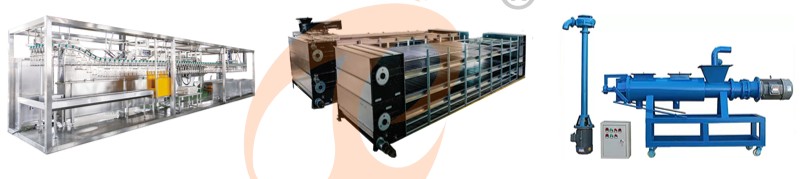
Manure processing equipment
Slaughtering equipment
Visit product to learn more...
Frequently asked questions
Q: How do layer chicken cages improve productivity compared to traditional free-range systems?
A: Layer chicken cages allow for more birds to be housed in a smaller space, maximizing space utilization and ensuring consistent egg production. With automation for feeding, watering, and egg collection, these systems minimize labor costs and reduce human error, resulting in more efficient and higher egg production compared to traditional free-range systems
Q: How does automation in layer cages reduce operational costs?
A: Automation in layer cages minimizes labor requirements by automating tasks such as feeding, watering, egg collection, and waste removal. This reduces the need for manual labor and associated costs, while also increasing efficiency, ensuring consistent production, and minimizing human error. Automated systems also improve the health and productivity of the hens, which further enhances profitability
Q: How do layer cages maintain a clean environment for the hens?
A: Layer cages are equipped with automated waste management systems, such as manure belts or trays, that remove waste efficiently and keep the cages clean. These systems reduce the risk of disease and contamination, improving the health of the birds and the quality of eggs. Regular cleaning and maintenance also ensure that the environment remains hygienic and conducive to high production levels
Q: Are there any environmental concerns associated with using layer chicken cages?
A: While layer cages can be highly efficient and productive, they can raise concerns regarding waste management and sustainability. However, modern layer cages often include efficient waste removal systems that reduce the environmental impact. Additionally, advancements in energy-efficient designs for ventilation, lighting, and heating can make these systems more environmentally friendly. Many producers are also adopting measures to ensure that their operations comply with local environmental regulations to reduce their carbon footprint
Conclusion
Layer chicken cages are an essential tool in modern poultry farming, offering numerous benefits in terms of productivity, efficiency, and animal welfare when designed and managed properly. These systems allow farmers to maximize space, automate critical processes like feeding, watering, and egg collection, and significantly reduce labor costs. While layer cages are particularly effective in large-scale commercial operations, they also support consistent egg production and improve biosecurity by maintaining a controlled environment for the birds
The design and materials used in layer cages contribute to their durability and longevity, with high-quality steel and well-constructed frames ensuring long-term performance. Advances in cage design, such as enriched or colony cages, aim to address animal welfare concerns by providing hens with more space and natural behaviors, aligning with evolving welfare standards
Overall, layer chicken cages represent a valuable investment for poultry farmers looking to optimize production, reduce operational costs, and maintain a hygienic, productive environment. However, to ensure their success, it is essential to consider key factors such as maintenance, automation, bird welfare, and regulatory compliance. When managed effectively, layer cage systems can lead to a sustainable, profitable poultry farming operation
Tips to purchasing chicken cage and poultry farm equipment
We customizes chicken cage and poultry farm equipment based on
the temperature and humidity of your countries
the growth environment
the weight of your local chickens
Please provide the following information,
we will customize your economical and manageable
poultry farm turnkey project plan by it.
your name
tel (Whatsapp ID too)
email
farm location
your farm land size
layer, broiler or pullet
bird capacity 3,000~10,000, 30,000~100,000 or 200,000~1,000,000+
chicken poultry cage and poultry equipment you want
directly whatsapp to reception NO. +8618830120193

MESSAGE
Products recommended
 HK Headquarter Offers EU-standard Poultry Farm Solutions, Manufacture Poultry Farm Equipment1. Continuous communication with the EU and the US
2. China, Nigeria, Ethiopia, Tanzania branch companies and factories
3. The products’ quality is customized for local poultry farms
4. Poultry cage and poultry farm equipment stock for sale
5. 24 online reception Whatsapp NO. : +8618830120193,contact us to get full informationRead More China Branch Offer Poultry Farm Business Plan, Manufacture Poultry Farm Equipment1. Address: Flat/RM 2416, 24/F, Runxing Building, Youyi Nan Street, Shijiazhuang City, Hebei Province, China
2. Poultry cage and poultry farm equipment factory and stock for sale
3. Customized for local poultry farms
4. Quality and design are based on Euro
5. 24 online reception Whatsapp NO. : +8618830120193Read More Nigeria Branch Offer Poultry Farm Business Plan, Manufacture Poultry Farm Equipment1. Address: After Sinoma Office, 200 Meters Near Danco Filling Station, Lagos/Ibadan Expressway, Lagos State, Nigeria
2. Poultry cage and poultry farm equipment factory and stock for sale
3. Customized for Nigerian poultry farms
4. Quality and design are based on Euro
5. 24 online reception Whatsapp NO. : +8618830120193Read More Ethiopia Branch Offer Poultry Farm Business Plan, Manufacture Poultry Farm Equipment1. Address: Gelan Gura, Akaki-kaliti Sub City, Addis Ababa, Ethiopia
2. Poultry cage and poultry farm equipment stock for sale
3. Customized for Ethiopian poultry farms
4. Quality and design are based on Euro
5. 24 online reception Whatsapp NO. : +8618830120193, contact us to get price listRead More Tanzania Branch Offer Poultry Farm Business Plan, Manufacture Poultry Farm Equipment1. Address: No.8, Sova Road, Msufini, Mlandizi, Kibaha, Pwani, Tanzania
2. Poultry cage and poultry farm equipment factory and stock for sale
3. Customized for Tanzanian poultry farms
4. Quality and design are based on Euro
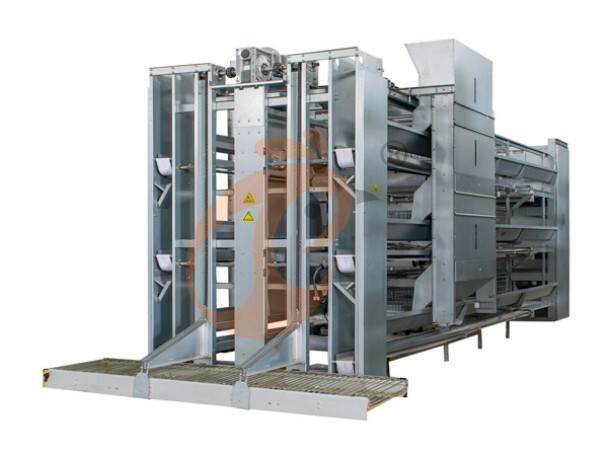
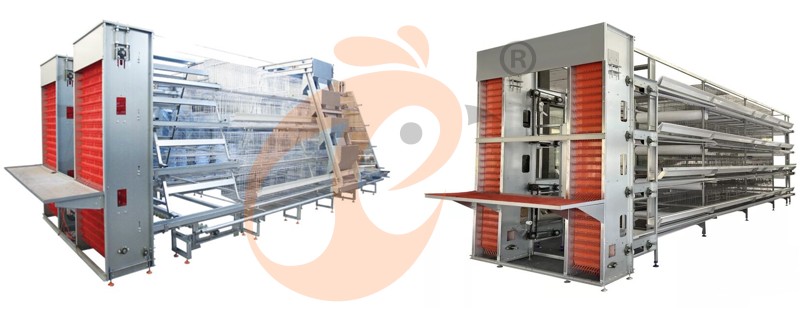
5. 24 online reception Whatsapp NO. : +8618830120193Read More Automatic H Type Layer Battery Cage System1. 30,000-100,000+ layers/house chooses it
2. Structure type stacked 3-16 tiers range
3. Stocking density up to 17 birds/cage
4. Service life 25 years
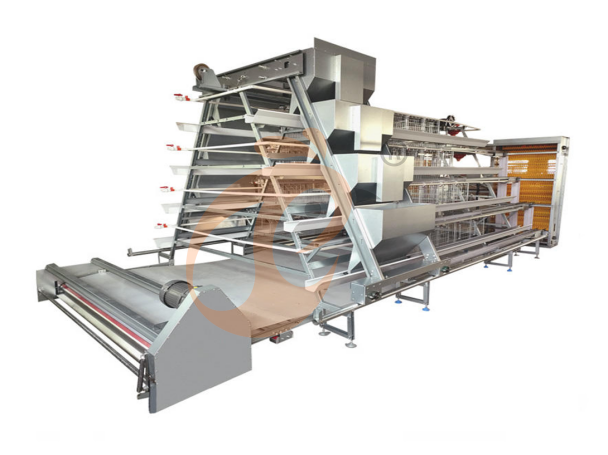
5. Reception /WhatsApp NO. : +8618830120193Read More Automatic A Type Layer Battery Cage System1. 10,000-30,000+ layers/house chooses it
2. Lifespan 25+ years
3. Labor requirement 1 worker per 10,000 birds
4. Reduce disease rates by 15%-20%.
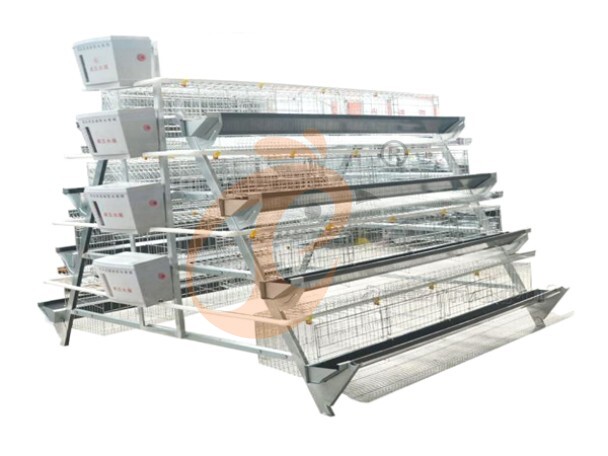
5. Reception /WhatsApp NO. : +8618830120193Read More Semi Automatic A Type Layer Battery Cage System1. 1,00-10,000+ layers/house chooses it
2. Egg breakage rate≤ 0.5%
3. Mesh spacing 2.5×2.5 cm
4. Egg collection floor slope 7–8°
5. Reception /WhatsApp NO. : +8618830120193Read More