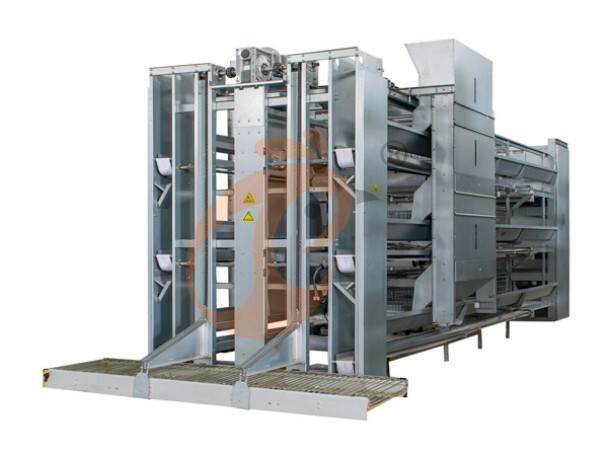
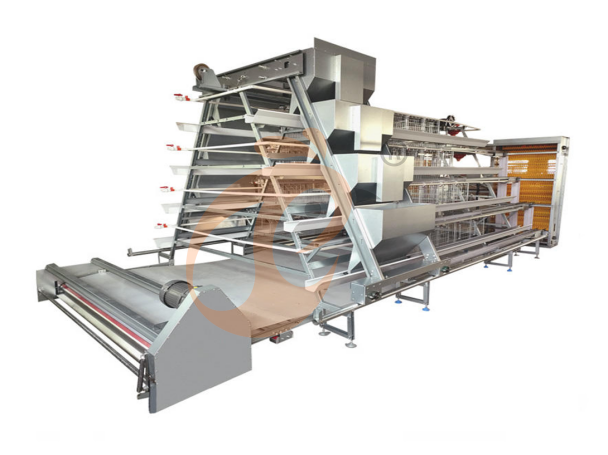
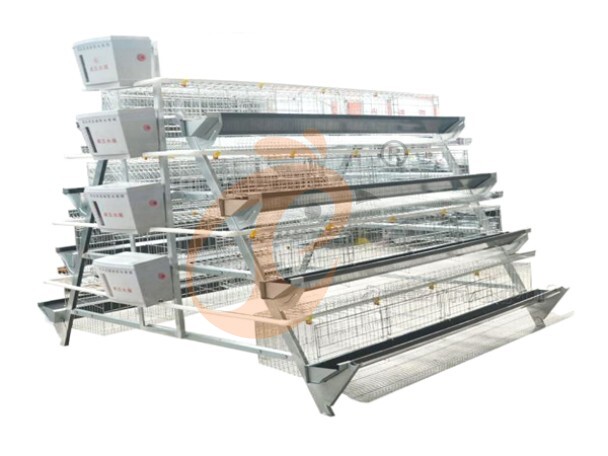
A type battery cage remains one of the most cost-effective poultry housing solutions, supporting flock expansion flexibility while maintaining stable production efficiency across farms ranging from 2,000 to 50,000 birds.
Investment decisions depend on manufacturing quality, galvanizing technology, automation level, transportation strategy, and long-term operating performance rather than purchase price alone.
Professional poultry layer cage system selection improves daily management, reduces labor pressure, and creates a stronger return through reliable structural consistency and efficient farm planning.
Modern layer chicken cage equipment combines durable engineering, practical installation methods, and scalable layouts suitable for commercial poultry projects in different climates.
Factory-direct production, technical engineering support, and integrated poultry equipment solutions create measurable value for commercial investors seeking dependable long-term poultry farm development.
Get professional poultry farm construction guidance, equipment selection solutions, and the latest price lists, whatsApp to +8618830120193, click to learn more.
Five Typical Price Ranges Of A Type Battery Cage
Different budgets usually correspond to different farm sizes, structural configurations, and automation levels.
Higher investment often reduces long-term operating expenses through stronger manufacturing quality and better production consistency.
European union standard reference only.
Data is for reference only.Swipe horizontally to view full table.
Main Factors Influencing Equipment Cost
Rather than comparing quotations alone, experienced buyers evaluate multiple engineering variables before selecting an A type battery cage.
Different production standards directly influence future maintenance planning and operational reliability.
Data is for reference only.Swipe horizontally to view full table.
Capacity Comparison Between Common Configurations
Different cage layouts provide different stocking densities and floor utilization efficiencies.
Commercial poultry farms normally balance stocking quantity with management convenience instead of selecting the highest density available.
Data is for reference only.Swipe horizontally to view full table.
Why Hot-Dip Galvanized Systems Cost More
Hot-dip galvanized components require additional manufacturing processes, yet they significantly improve corrosion resistance under humid poultry house environments.
Higher initial investment often results in fewer structural replacements during continuous commercial production.
Data is for reference only.Swipe horizontally to view full table.
Cost Comparison Of Manual And Automatic Systems
Automation increases initial investment but usually lowers labor demand, improves feeding consistency, and stabilizes daily production across commercial poultry farms.
Many medium and large investors choose modular upgrades, allowing automation to be expanded together with future flock growth.
Data is for reference only.Swipe horizontally to view full table.
Practical Example From A Commercial Poultry Farm
A poultry company planned a new house for approximately 20,000 laying hens.
After comparing several quotations, engineers selected a poultry layer cage system using four-tier hot-dip galvanized structures instead of a lower-priced alternative.
Initial investment increased by approximately usd 2,100.
Operational stability improved because structural consistency reduced maintenance interruptions throughout the production cycle.
Daily management also benefited from better automation upgrade compatibility when additional equipment was installed during the second expansion phase.
Scientific Perspective On Cage Design
Commercial cage engineering focuses on balancing bird welfare, production efficiency, ventilation, hygiene, and maintenance access.
Proper spacing allows better airflow while reducing dust accumulation around equipment.
Stable feed distribution and clean drinking systems also contribute to consistent egg quality and lower daily management pressure.
Modern layer chicken cage equipment therefore emphasizes engineering optimization instead of simply increasing stocking density.
Transportation And Container Planning
International transportation cost becomes increasingly important when purchasing complete poultry equipment for large projects.
Optimized packaging improves loading efficiency and reduces freight cost per bird position.
Data is for reference only.Swipe horizontally to view full table.
Long-Term Operating Performance
Purchase cost represents only one portion of the overall investment.
Routine maintenance, production efficiency, component durability, and management optimization usually determine the actual economic value during years of operation.
Data is for reference only.Swipe horizontally to view full table.
Frequently Asked Questions
Q1: How much does an A type battery cage cost for A 10000 bird farm?
A1: Most projects fall between usd 8,000 and usd 15,000, depending on cage tiers, galvanizing method, and automation level.
Equipment selection should match long-term production planning instead of focusing only on the initial purchase budget.
Q2: Which galvanizing method is better for commercial poultry farms?
A2: Hot-dip galvanized structures generally provide longer corrosion resistance, often reaching 15-20 years under proper management conditions.
They require higher initial investment but usually reduce replacement frequency.
Q3: Can automatic equipment be added later?
A3: Yes.
Many commercial poultry equipment projects adopt modular designs, allowing automatic feeding, egg collection, manure removal, and environmental control systems to be installed during future expansion stages without replacing the original cage structure.
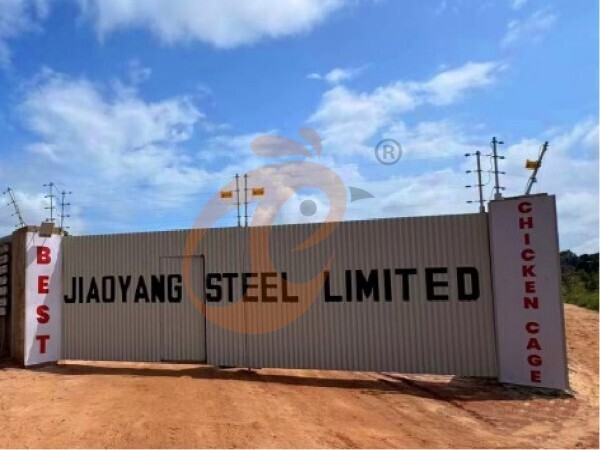
Taiyu (HK) Group - One Of China Largest A Type Battery Cage Manufacturer
A type battery cage engineered for commercial poultry production, featuring standardized manufacturing, precision welding, modular structures, and scalable layouts suitable for projects from small farms to industrial operations.
Factory-direct manufacturing supports global customers with competitive production costs, stable quality control, and efficient export logistics.
Complete poultry equipment portfolio includes layer cages, broiler cages, breeder systems, feeding equipment, drinking systems, manure removal systems, and environmental control solutions.
Professional Turn-key engineering services cover farm planning, equipment configuration, container loading optimization, installation guidance, commissioning, and technical training.
Dedicated engineering and after-sales teams provide project consultation, production scheduling, spare parts management, remote technical assistance, and long-term operational support.
Contact Us To Received Your Customized Poultry Farm Plan
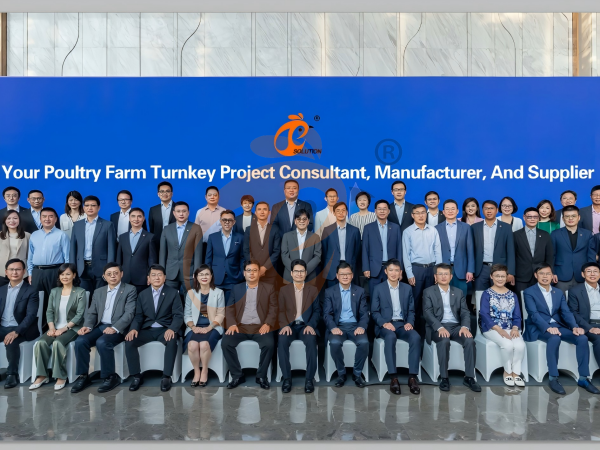
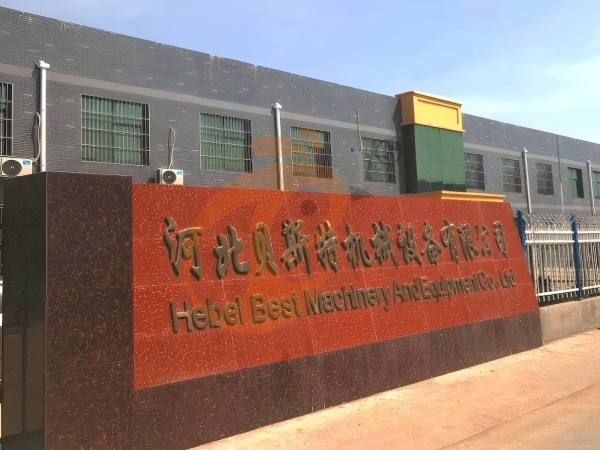
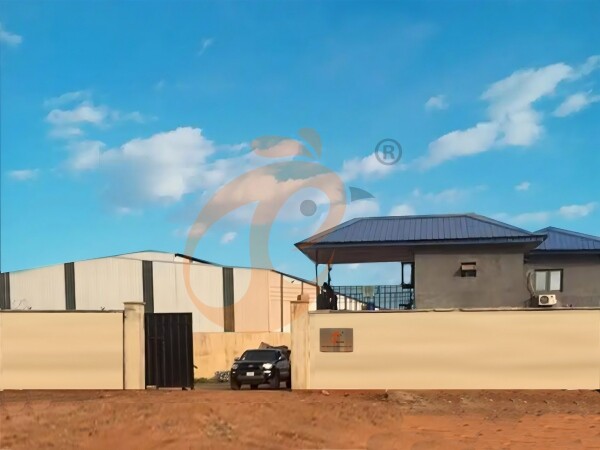
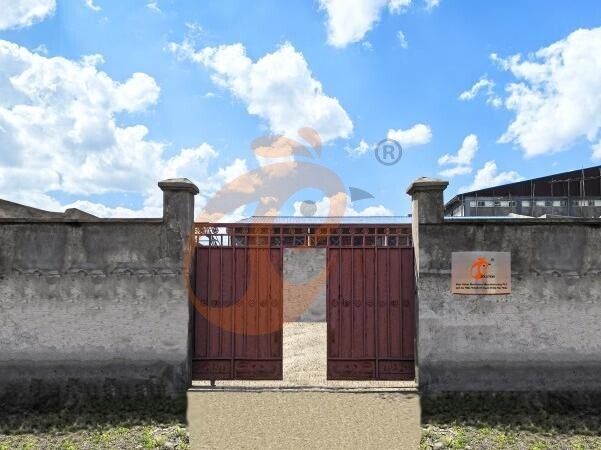
Headquarters And Branchs
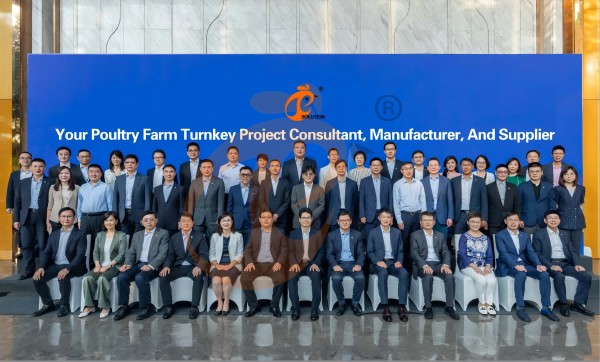
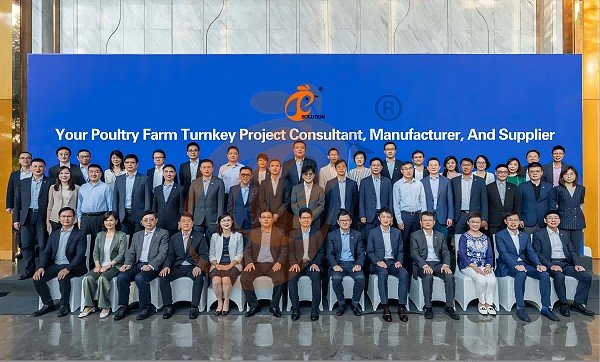
Hong Kong Headquarter Management Team
Hong Kong Headquarter Taiyu Industrial Group CO., LTD
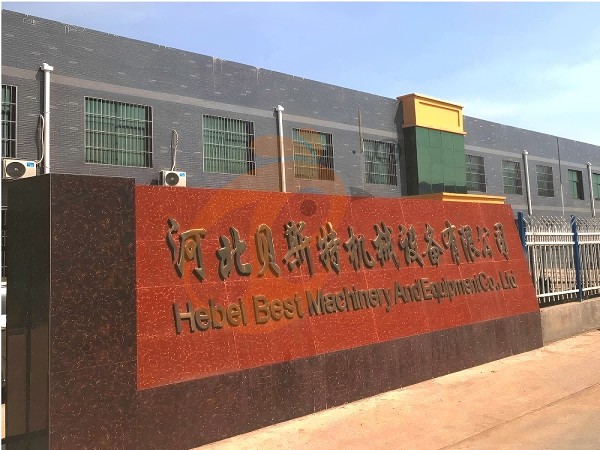
China Hebei Best Machinery And Equipment CO., LTD
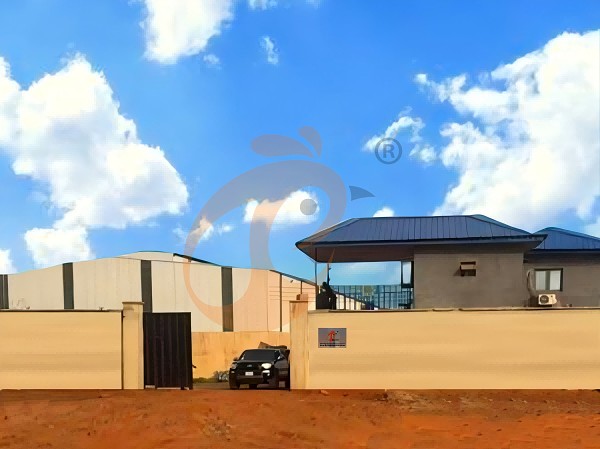
Nigeria Vanke Machinery And Equipment CO., LTD
Tanzania Best Machinery And Equipment CO., LTD
Ethiopia Best Hebei Machinery Manufacturing PLC
Reception /24 WhatsApp NO. : +8618830120193
MESSAGE
Products recommended
 HK Headquarter Offers EU-standard Poultry Farm Solutions, Manufacture Poultry Farm Equipment1. Continuous communication with the EU and the US
2. China, Nigeria, Ethiopia, Tanzania branch companies and factories
3. The products’ quality is customized for local poultry farms
4. Poultry cage and poultry farm equipment stock for sale
5. 24 online reception Whatsapp NO. : +8618830120193,contact us to get full informationRead More China Branch Offer Poultry Farm Business Plan, Manufacture Poultry Farm Equipment1. Address: Flat/RM 2416, 24/F, Runxing Building, Youyi Nan Street, Shijiazhuang City, Hebei Province, China
2. Poultry cage and poultry farm equipment factory and stock for sale
3. Customized for local poultry farms
4. Quality and design are based on Euro
5. 24 online reception Whatsapp NO. : +8618830120193Read More Nigeria Branch Offer Poultry Farm Business Plan, Manufacture Poultry Farm Equipment1. Address: After Sinoma Office, 200 Meters Near Danco Filling Station, Lagos/Ibadan Expressway, Lagos State, Nigeria
2. Poultry cage and poultry farm equipment factory and stock for sale
3. Customized for Nigerian poultry farms
4. Quality and design are based on Euro
5. 24 online reception Whatsapp NO. : +8618830120193Read More Ethiopia Branch Offer Poultry Farm Business Plan, Manufacture Poultry Farm Equipment1. Address: Gelan Gura, Akaki-kaliti Sub City, Addis Ababa, Ethiopia
2. Poultry cage and poultry farm equipment stock for sale
3. Customized for Ethiopian poultry farms
4. Quality and design are based on Euro
5. 24 online reception Whatsapp NO. : +8618830120193, contact us to get price listRead More Tanzania Branch Offer Poultry Farm Business Plan, Manufacture Poultry Farm Equipment1. Address: No.8, Sova Road, Msufini, Mlandizi, Kibaha, Pwani, Tanzania
2. Poultry cage and poultry farm equipment factory and stock for sale
3. Customized for Tanzanian poultry farms
4. Quality and design are based on Euro
5. 24 online reception Whatsapp NO. : +8618830120193Read More Automatic H Type Layer Battery Cage System1. 30,000-100,000+ layers/house chooses it
2. Structure type stacked 3-16 tiers range
3. Stocking density up to 17 birds/cage
4. Service life 25 years
5. Reception /WhatsApp NO. : +8618830120193Read More Automatic A Type Layer Battery Cage System1. 10,000-30,000+ layers/house chooses it
2. Lifespan 25+ years
3. Labor requirement 1 worker per 10,000 birds
4. Reduce disease rates by 15%-20%.
5. Reception /WhatsApp NO. : +8618830120193Read More Semi Automatic A Type Layer Battery Cage System1. 1,00-10,000+ layers/house chooses it
2. Egg breakage rate≤ 0.5%
3. Mesh spacing 2.5×2.5 cm
4. Egg collection floor slope 7–8°
5. Reception /WhatsApp NO. : +8618830120193Read More