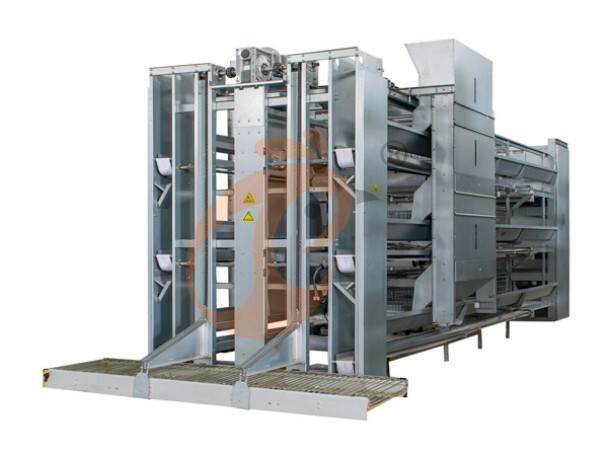
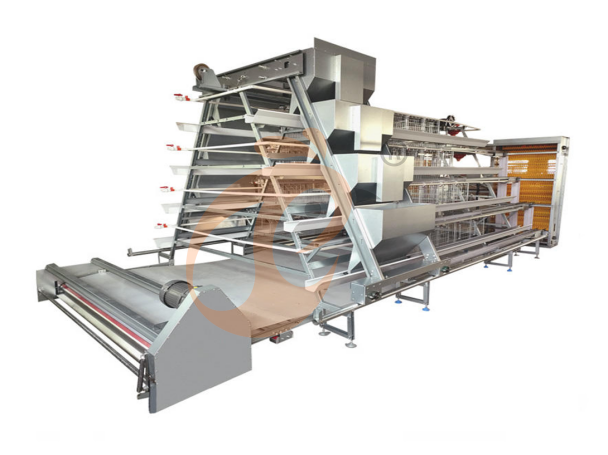
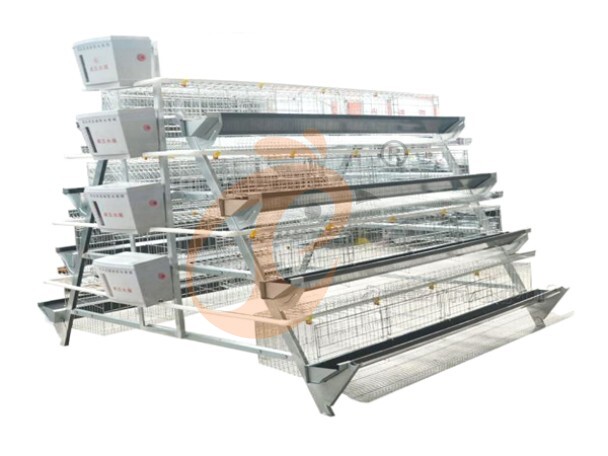
H-type chicken cage systems are transforming modern Ethiopian poultry production through automation and efficiency.
Automatic feeding improves feed conversion, reduces labor, and enhances biosecurity.
Ethiopian poultry farms face challenges like fluctuating feed costs and labor shortages.
Automation increases efficiency in high-density cage configurations for commercial egg producers.
Precision feeding reduces spillage and ensures consistent egg quality.
Integrated manure removal systems maintain low ammonia levels and healthier birds.
Automated cages enable scalable, industrial-level production for investors.
Return on investment improves and operational risks are minimized through automation.
Get professional poultry farm construction guidance, equipment selection solutions, and the latest price lists, whatsApp to +8618830120193, click to learn more.

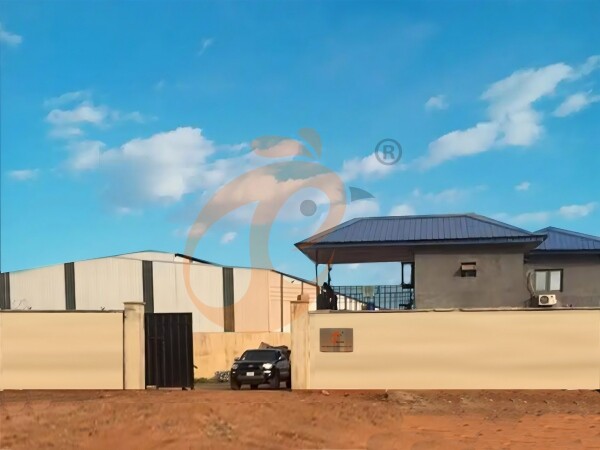
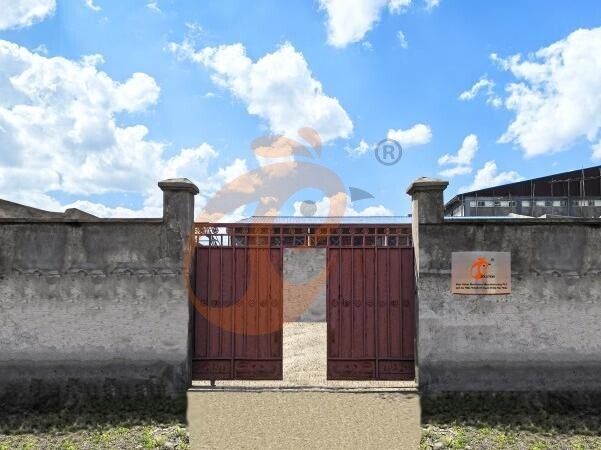
Ethiopia Branch Office And Factory Of Poultry Farm Equipment
Addressing The Ethiopian Feed Crisis Precision Over Proximity
In Ethiopia, feed accounts for nearly 75–80% of total production costs.
Fluctuating maize prices and limited foreign exchange for feed additives make every gram lost a direct financial impact.
The Ethiopian H-type model uses an automatic feeding system with a specialized traveling hopper that eliminates manual scooping inaccuracies common in point-of-lay operations.
High search SEO words included automatic feeding system, H-type chicken cage, feed optimization.
Data is for reference only.Swipe horizontally to view full table.
Automation enables phase feeding.
Fresh small batches replace large dumps that oxidize or attract rodents.
This ensures Ethiopian birds maintain peak hen-day production (HDP) during heat stress months.
Solving The Labor Dilemma In Ethiopian Commercial Hubs
Labor turnover and feed theft are major operational challenges.
Manual feeding in a 50,000-bird house requires dozens of workers moving tons of feed daily.
This creates biosecurity risks and accounting inconsistencies.
Data is for reference only.Swipe horizontally to view full table.
In Ethiopian cities like Addis Ababa and Awasa, automated H-type systems provide set-and-forget reliability, securing investor capital.
High-Density Efficiency The Land-Value Equation In Ethiopia
Land prices in poultry zones such as Debre Zeit and outskirts of Addis Ababa are rising.
Maximizing birds per square meter is essential.
Vertical H-type stacking can reach 4–8 tiers but requires automated feeding.
Manual feeding at such heights is impractical and unsafe.
Data is for reference only.Swipe horizontally to view full table.
Using the 65-bird standard, Ethiopian producers can triple output on the same land footprint.
This reduces fixed costs for land acquisition and construction.
Engineering For The African Climate: Durability And Power
Ethiopia's humid climate and corrosive manure demand robust materials.
H-type cages with automatic feeders use hot-dip galvanized (HDG) steel with zinc coating ≥275 g/㎡.
This prevents corrosion, cage collapse, and feeder blockage.
Data is for reference only.Swipe horizontally to view full table.
Automated systems integrate solar-hybrid or generator backup.
This ensures birds never miss feeding during power outages.
Quantitative Impact On FCR And Egg Quality
Feed Conversion Ratio (FCR) directly determines production profitability.
Commercial tropical trials show significant efficiency differences between manual and automated systems.
Data is for reference only.Swipe horizontally to view full table.
Automation ensures fines are evenly distributed.
Dominant birds cannot overconsume while weaker birds receive sufficient nutrients.
Uniform feeding improves shell strength and grade consistency.
Financial Return On Investment: The 24-Month Payback Analysis
Return on investment must be predictable for scalable Ethiopian poultry farms.
Automated systems cost more upfront but greatly reduce operating expenses.
Data is for reference only.Swipe horizontally to view full table.
Automation recovers added investment within ~1.8 years at current Ethiopian market prices.
Biosecurity: Mitigating The Risk Of Avian Influenza
Ethiopia has experienced occasional H5N1 outbreaks.
Human traffic in poultry houses remains a major risk factor.
Manual feeding requires workers to walk through each tier multiple times.
Data is for reference only.Swipe horizontally to view full table.
Automatic manure belts maintain ammonia below 15 ppm.
Manual houses rarely achieve this level.
Frequently Asked Questions
Q1: How does automatic feeding improve egg production?
A1: It ensures uniform nutrition, reduces stress, and stabilizes daily laying performance.
Q2: Can H-type chicken cages reduce labor costs?
A2: Yes, automation reduces staffing needs and limits human pathogen exposure.
Q3: Is automated feeding suitable for medium-sized Ethiopian farms?
A3: Yes, particularly when efficiency, density, and feed savings are priorities.
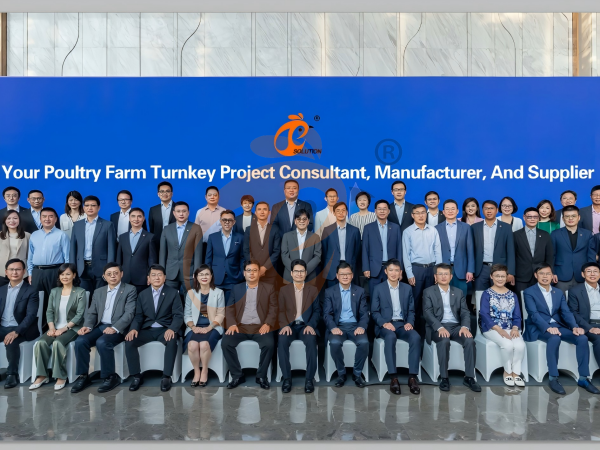
Ethiopia Best Hebei Machinery Manufacturing Plc - One Of Ethiopia Biggest Poultry Cage Supplier
Global factory direct sales provide competitive pricing for commercial farms.
Supplies complete poultry farm equipment for feeding, drinking, ventilation, and manure management.
Advanced H-type cages support 4–8 tiers and up to 65 birds per section.
Offers turnkey (Turn-key) engineering including design, installation, and staff training.
Equipment uses real parameters like 275 g/㎡ galvanization and 50,000-hour motor lifespan.
Contact Us To Received Your Customized Poultry Farm Plan
Headquarters And Branchs

Hong Kong Headquarter Management Team
Hong Kong Headquarter Taiyu Industrial Group CO., LTD
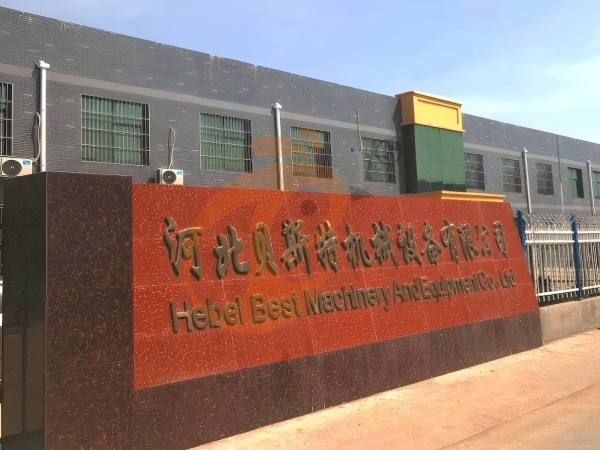
China Hebei Best Machinery And Equipment CO., LTD
Nigeria Vanke Machinery And Equipment CO., LTD
Tanzania Best Machinery And Equipment CO., LTD
Ethiopia Best Hebei Machinery Manufacturing PLC




Reception /24 WhatsApp NO. : +8618830120193
MESSAGE
Products recommended
 HK Headquarter Offers EU-standard Poultry Farm Solutions, Manufacture Poultry Farm Equipment1. Continuous communication with the EU and the US
2. China, Nigeria, Ethiopia, Tanzania branch companies and factories
3. The products’ quality is customized for local poultry farms
4. Poultry cage and poultry farm equipment stock for sale
5. 24 online reception Whatsapp NO. : +8618830120193,contact us to get full informationRead More China Branch Offer Poultry Farm Business Plan, Manufacture Poultry Farm Equipment1. Address: Flat/RM 2416, 24/F, Runxing Building, Youyi Nan Street, Shijiazhuang City, Hebei Province, China
2. Poultry cage and poultry farm equipment factory and stock for sale
3. Customized for local poultry farms
4. Quality and design are based on Euro
5. 24 online reception Whatsapp NO. : +8618830120193Read More Nigeria Branch Offer Poultry Farm Business Plan, Manufacture Poultry Farm Equipment1. Address: After Sinoma Office, 200 Meters Near Danco Filling Station, Lagos/Ibadan Expressway, Lagos State, Nigeria
2. Poultry cage and poultry farm equipment factory and stock for sale
3. Customized for Nigerian poultry farms
4. Quality and design are based on Euro
5. 24 online reception Whatsapp NO. : +8618830120193Read More Ethiopia Branch Offer Poultry Farm Business Plan, Manufacture Poultry Farm Equipment1. Address: Gelan Gura, Akaki-kaliti Sub City, Addis Ababa, Ethiopia
2. Poultry cage and poultry farm equipment stock for sale
3. Customized for Ethiopian poultry farms
4. Quality and design are based on Euro
5. 24 online reception Whatsapp NO. : +8618830120193, contact us to get price listRead More Tanzania Branch Offer Poultry Farm Business Plan, Manufacture Poultry Farm Equipment1. Address: No.8, Sova Road, Msufini, Mlandizi, Kibaha, Pwani, Tanzania
2. Poultry cage and poultry farm equipment factory and stock for sale
3. Customized for Tanzanian poultry farms
4. Quality and design are based on Euro
5. 24 online reception Whatsapp NO. : +8618830120193Read More Automatic H Type Layer Battery Cage System1. 30,000-100,000+ layers/house chooses it
2. Structure type stacked 3-16 tiers range
3. Stocking density up to 17 birds/cage
4. Service life 25 years
5. Reception /WhatsApp NO. : +8618830120193Read More Automatic A Type Layer Battery Cage System1. 10,000-30,000+ layers/house chooses it
2. Lifespan 25+ years
3. Labor requirement 1 worker per 10,000 birds
4. Reduce disease rates by 15%-20%.
5. Reception /WhatsApp NO. : +8618830120193Read More Semi Automatic A Type Layer Battery Cage System1. 1,00-10,000+ layers/house chooses it
2. Egg breakage rate≤ 0.5%
3. Mesh spacing 2.5×2.5 cm
4. Egg collection floor slope 7–8°
5. Reception /WhatsApp NO. : +8618830120193Read More