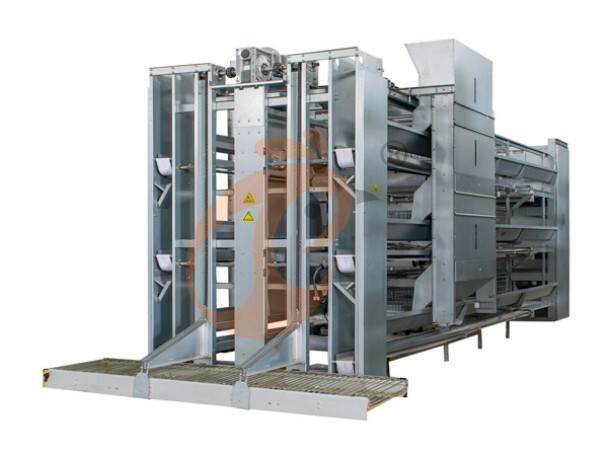
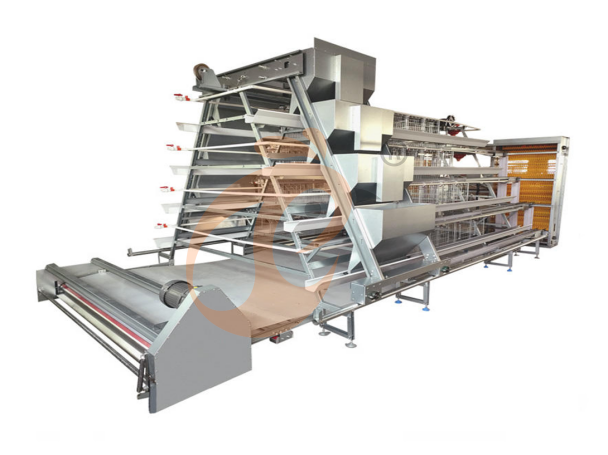
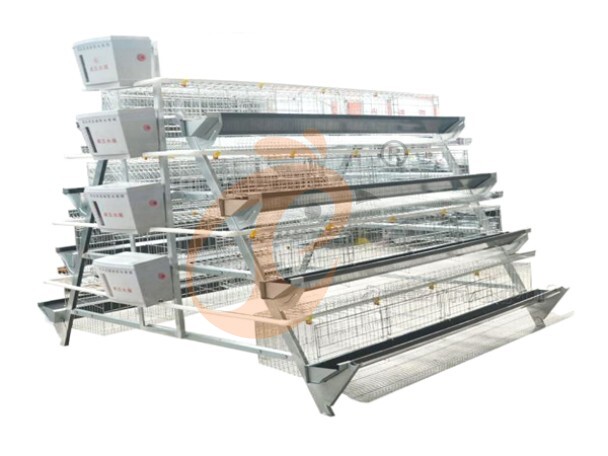
Automatic H type chicken battery cages combine vertical housing, feeding, watering, manure removal, and egg handling for efficient layer production.
H type layer cages use galvanized structures and organized compartments, supporting practical flock inspection, cleaning, maintenance, and daily production workflows.
Automatic poultry cage systems coordinate repetitive operations, helping farms reduce manual handling while maintaining consistent equipment cycles across poultry houses.
Integrated equipment planning aligns cage layouts, ventilation, electrical requirements, service access, and flock capacity with building dimensions and production targets.
Factory-direct engineering, poultry equipment integration, and turn-key support connect equipment selection, installation, commissioning, and handover for layer projects.
Get professional poultry farm construction guidance, equipment selection solutions, and the latest price lists, whatsApp to +8618830120193, click to learn more.
High-Density Housing: More Birds, Better Space Utilization
For modern poultry farms, maximizing available house space is essential.
Automatic H type chicken battery cages use a multi-tier vertical structure that increases usable cage capacity within a fixed building footprint.
A standard commercial configuration can be arranged with 4–8 tiers, while individual cage compartments are commonly configured for 8–12 laying hens according to bird breed and target production weight.
Compared with floor systems, the H type configuration makes better use of vertical space while maintaining organized bird management.
Our H type layer cages can be customized according to house dimensions, flock size, and production requirements, with cage row spacing commonly engineered at 1,000–1,200 mm to provide practical access for inspection and equipment servicing.
Automatic Feeding And Watering
Data is for reference only.Swipe horizontally to view full table.
An integrated feeding and drinking system transforms routine poultry management.
Instead of workers repeatedly entering cage rows to distribute feed and water, automatic poultry cage systems perform these operations through dedicated mechanical and water-delivery lines.
For commercial customers, consistent daily feeding routines can support organized poultry production, while a 380 v three-phase power supply commonly suits commercial automatic drive equipment.
Automated Manure Removal: A Cleaner Chicken House
Manure management is one of the most labor-intensive tasks in intensive poultry farming.
Our automatic H type chicken battery cages can be equipped with pvc or pp manure belts beneath each cage tier, with belt thickness available around 1.0–1.2 mm for commercial applications.
The system continuously transfers manure toward the designated collection point, reducing manual cleaning requirements.
Operational Flow
Birds produce manure → manure falls onto the belt → belt transports waste → centralized collection → easier farm cleaning.
A properly engineered manure system also improves workflow around the house.
Depending on project design, belt drive units can operate at approximately 4–8 m/min, allowing manure to be transferred according to cleaning schedules without requiring workers to remove waste manually from every cage row.
Strong Structure, Long-Term Farm Value
Data is for reference only.Swipe horizontally to view full table.
Material quality directly affects the service life of poultry equipment.
Our H type layer cages use galvanized structural components engineered for demanding poultry-house environments.
A reliable cage structure also needs accurate load distribution.
Depending on the selected model, cage support assemblies can be designed for 60–100 kg/m² of distributed operational loading, helping maintain structural stability throughout daily flock management.
Better Egg Collection Through Automation
Egg handling is another area where automation can improve productivity.
Manual collection → frequent labor input → greater handling workload
Automatic collection → conveyor transfer → centralized collection → faster processing
With an automatic egg collection conveyor, eggs can be transferred from cage rows toward a centralized collection area.
Commercial conveyor belts can be configured with a 300–500 mm belt width, while drive systems can be selected according to total conveyor length and egg throughput requirements.
This reduces walking and bending requirements for workers and helps organize eggs before grading, packing, or transportation.
For large layer farms, conveyor integration also allows egg handling routes to be planned together with cage rows, service aisles, and packing areas.
One Integrated System For Commercial Poultry Production
Data is for reference only.Swipe horizontally to view full table.
The greatest advantage of an automatic poultry cage system is not one individual component.
Integrated feeding, watering, manure removal, and egg collection create one coordinated poultry production solution.
Our company provides complete poultry house equipment rather than isolated cage products.
Customers can combine cages, feeding systems, drinking systems, manure removal equipment, egg collection conveyors, ventilation equipment, and environmental control systems according to project requirements.
Designed For Labor Efficiency
Imagine two farms with similar flock sizes.
Farm A
Workers manually distribute feed, collect eggs, carry waste, and inspect cage rows throughout the day.
Farm B
Automated feeding, watering, manure removal, and egg collection systems perform most repetitive operations.
The difference becomes measurable in daily workflow.
A properly designed automatic system can coordinate multiple equipment cycles from a centralized control point, while a standard control cabinet may support 8–16 motor control circuits depending on project configuration.
Automation allows farm workers to spend more time on flock observation, equipment inspection, disease-prevention procedures, and production management instead of repetitive physical tasks.
Flexible Configuration For Different Farm Sizes
Data is for reference only.Swipe horizontally to view full table.
Every poultry house has different dimensions, climate conditions, flock capacity, and investment objectives.
Therefore, equipment should not be selected solely by cage price.
Our engineering team can develop equipment layouts according to building dimensions and production targets.
For example, service corridors can be incorporated at approximately 1.2–1.5 m depending on machinery access and maintenance requirements.
Improved Farm Management Through Centralized Operation
Automation also changes the way managers control daily production.
Instead of treating feeding, watering, manure removal, and egg collection as separate manual jobs, modern poultry equipment connects these processes into an organized production workflow.
A centralized control system can simplify equipment operation and monitoring, while optional environmental-control equipment can manage ventilation, temperature, and other important house conditions.
Ventilation equipment can be selected with an individual fan airflow of approximately 36,000–44,000 m³/h, depending on fan diameter and motor configuration.
For professional layer farms, automation is not only about saving labor; automation supports measurable, consistent, and manageable production.
Cost Efficiency Beyond The Initial Purchase
Data is for reference only.Swipe horizontally to view full table.
The lowest equipment purchase price does not necessarily represent the lowest farm operating cost.
When evaluating an automatic H type chicken battery cage, customers should consider total cost of ownership, including labor, maintenance, building utilization, productivity, and equipment lifespan.
A well-designed automated system can provide stronger long-term economic value than a low-cost manual solution because equipment specifications can be matched to actual production capacity.
Any pricing or financial calculation should be treated as an European union standard reference only and confirmed against the actual project specification.
Why Choose Our Poultry House Equipment?
From Equipment Supplier To Complete Farm Solution
Our focus is not simply manufacturing chicken cages.
We aim to provide complete poultry housing equipment solutions for commercial layer farms.
Customers can obtain
- H type layer cages
- Automatic feeding systems
- Nipple drinking systems
- Automatic manure removal systems
- Automatic egg collection systems
- Ventilation and cooling equipment
- Environmental control systems
- Customized poultry house layouts
Our engineering team can prepare equipment arrangements according to customer house drawings and production objectives.
Project documentation can include cad-based cage layouts and equipment positioning plans, while installation support can be organized according to the selected system.
For overseas poultry projects, professional technical support and clear equipment specifications are equally important.
Our goal is to simplify equipment selection, installation, commissioning, and future operation through one coordinated supply process.
The Smart Choice For Modern Layer Farms
Data is for reference only.Swipe horizontally to view full table.
Automatic H type chicken battery cages represent a practical direction for modern intensive layer farming.
By combining high-density housing with automated feeding, watering, manure removal, and egg collection, automatic poultry cage systems help farms move from labor-intensive production toward more efficient and standardized management.
For poultry investors, equipment selection should focus on capacity, durability, automation, maintenance, and long-term operating costs rather than purchase price alone.
Our company provides customized H type layer cages and complete poultry-house equipment solutions for commercial layer farms.
Whether building a new poultry project, expanding existing capacity, or upgrading from manual equipment, customers can receive system planning based on flock size, house dimensions, production targets, and automation requirements.
Frequently Asked Questions
Q1: What makes automatic H type chicken battery cages suitable for commercial farms?
A1: Vertical cage construction, integrated automation, and centralized equipment control support organized layer production.
Configurations can accommodate 4–8 cage tiers, depending on building design and project requirements.
Q2: How can automatic poultry cage systems reduce daily labor?
A2: Automated feeding, watering, manure removal, and egg collection replace many repetitive manual operations.
Centralized controls can coordinate several equipment circuits, simplifying routine farm management.
Q3: How should a farm select H type layer cages?
A3: Selection should consider flock capacity, building dimensions, equipment configuration, ventilation planning, maintenance access, and future expansion.
A project-specific layout is generally more practical than selecting cages based only on purchase price.
Taiyu (HK) Group - One Of China Largest Automatic H Type Chicken Battery Cages Manufacturer
Automatic H type chicken battery cages provide integrated multi-tier layer housing with feeding, watering, manure handling, and egg collection interfaces for commercial production projects.
Global factory-direct supply coordinates cage fabrication, automatic poultry equipment, technical documentation, and shipment planning through one commercial specification.
Poultry equipment integration covers feeding, drinking, manure removal, egg collection, ventilation, environmental control, and supporting electrical systems according to project requirements.
Turn-key engineering connects layout design, equipment selection, installation guidance, commissioning procedures, and operational handover for complete poultry-house projects.
International project support provides engineering communication, component coordination, production scheduling, export packaging, and technical assistance for overseas layer-farm installations.
Contact Us To Received Your Customized Poultry Farm Plan
Headquarters And Branchs
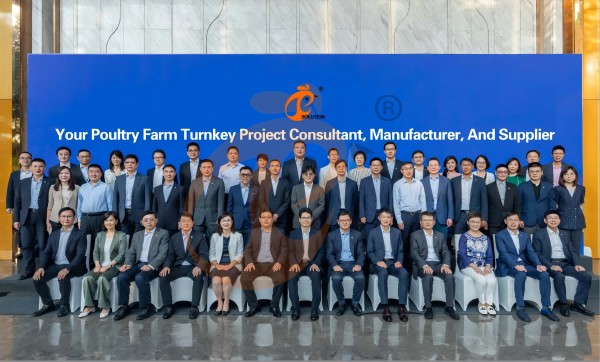
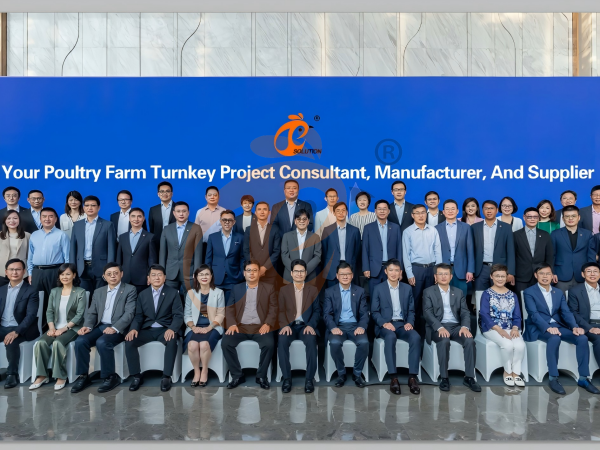
Hong Kong Headquarter Management Team
Hong Kong Headquarter Taiyu Industrial Group CO., LTD
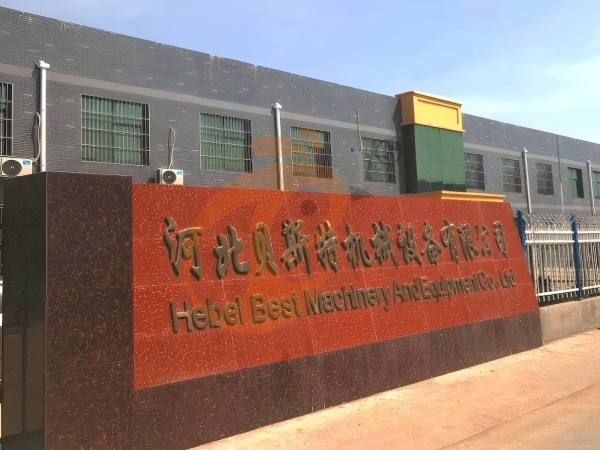
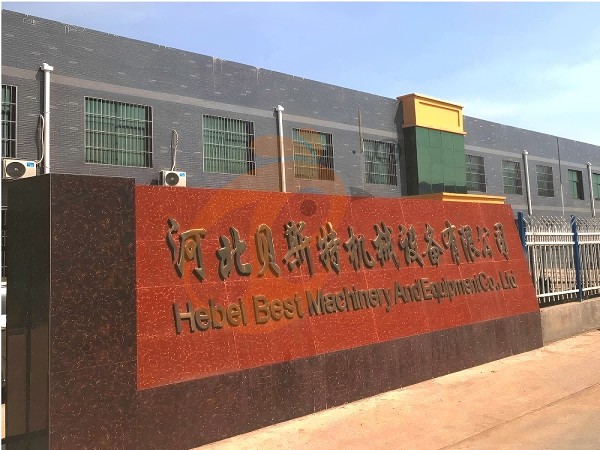
China Hebei Best Machinery And Equipment CO., LTD
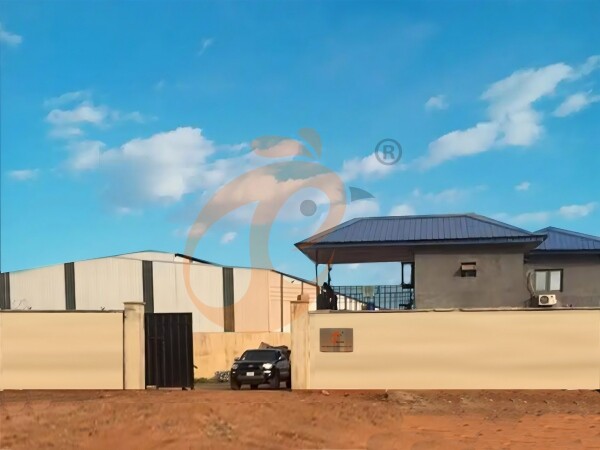
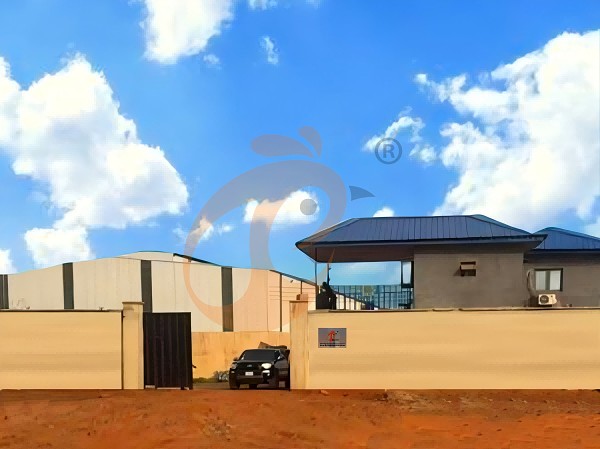
Nigeria Vanke Machinery And Equipment CO., LTD
Tanzania Best Machinery And Equipment CO., LTD
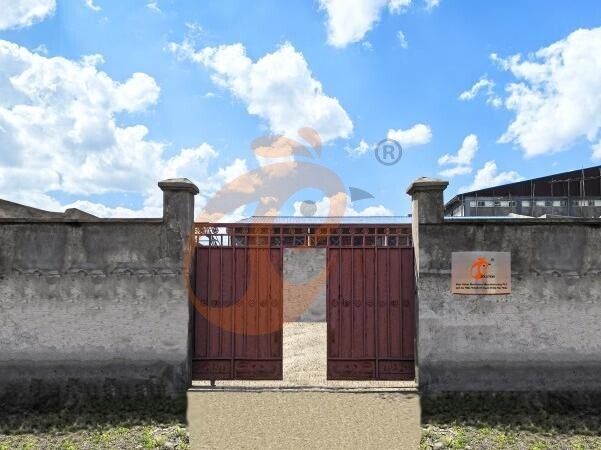
Ethiopia Best Hebei Machinery Manufacturing PLC
Reception /24 WhatsApp NO. : +8618830120193
MESSAGE
Products recommended
 HK Headquarter Offers EU-standard Poultry Farm Solutions, Manufacture Poultry Farm Equipment1. Continuous communication with the EU and the US
2. China, Nigeria, Ethiopia, Tanzania branch companies and factories
3. The products’ quality is customized for local poultry farms
4. Poultry cage and poultry farm equipment stock for sale
5. 24 online reception Whatsapp NO. : +8618830120193,contact us to get full informationRead More China Branch Offer Poultry Farm Business Plan, Manufacture Poultry Farm Equipment1. Address: Flat/RM 2416, 24/F, Runxing Building, Youyi Nan Street, Shijiazhuang City, Hebei Province, China
2. Poultry cage and poultry farm equipment factory and stock for sale
3. Customized for local poultry farms
4. Quality and design are based on Euro
5. 24 online reception Whatsapp NO. : +8618830120193Read More Nigeria Branch Offer Poultry Farm Business Plan, Manufacture Poultry Farm Equipment1. Address: After Sinoma Office, 200 Meters Near Danco Filling Station, Lagos/Ibadan Expressway, Lagos State, Nigeria
2. Poultry cage and poultry farm equipment factory and stock for sale
3. Customized for Nigerian poultry farms
4. Quality and design are based on Euro
5. 24 online reception Whatsapp NO. : +8618830120193Read More Ethiopia Branch Offer Poultry Farm Business Plan, Manufacture Poultry Farm Equipment1. Address: Gelan Gura, Akaki-kaliti Sub City, Addis Ababa, Ethiopia
2. Poultry cage and poultry farm equipment stock for sale
3. Customized for Ethiopian poultry farms
4. Quality and design are based on Euro
5. 24 online reception Whatsapp NO. : +8618830120193, contact us to get price listRead More Tanzania Branch Offer Poultry Farm Business Plan, Manufacture Poultry Farm Equipment1. Address: No.8, Sova Road, Msufini, Mlandizi, Kibaha, Pwani, Tanzania
2. Poultry cage and poultry farm equipment factory and stock for sale
3. Customized for Tanzanian poultry farms
4. Quality and design are based on Euro
5. 24 online reception Whatsapp NO. : +8618830120193Read More Automatic H Type Layer Battery Cage System1. 30,000-100,000+ layers/house chooses it
2. Structure type stacked 3-16 tiers range
3. Stocking density up to 17 birds/cage
4. Service life 25 years
5. Reception /WhatsApp NO. : +8618830120193Read More Automatic A Type Layer Battery Cage System1. 10,000-30,000+ layers/house chooses it
2. Lifespan 25+ years
3. Labor requirement 1 worker per 10,000 birds
4. Reduce disease rates by 15%-20%.
5. Reception /WhatsApp NO. : +8618830120193Read More Semi Automatic A Type Layer Battery Cage System1. 1,00-10,000+ layers/house chooses it
2. Egg breakage rate≤ 0.5%
3. Mesh spacing 2.5×2.5 cm
4. Egg collection floor slope 7–8°
5. Reception /WhatsApp NO. : +8618830120193Read More