Automatic poultry watering system technology directly influences modern poultry farm efficiency and production stability.
Commercial poultry water system selection affects water consumption control, labor management, flock health performance, and operational expenses.
Semi-automatic poultry drinking system structures remain widely used in small and medium poultry farms because installation investment remains lower.
Automatic poultry nipple drinker system solutions improve water hygiene consistency and reduce litter moisture accumulation inside poultry houses.
This article analyzes installation structure, operating cost, water efficiency, labor consumption, bird performance data, and long-term financial recovery for different poultry farming scales.
Get professional poultry farm construction guidance, equipment selection solutions, and the latest price lists, whatsApp to +8618830120193, click to learn more.
What Is An Automatic Poultry Water System?
An automatic poultry water system delivers water continuously through pressurized pipelines connected to nipple drinkers or drinking cups.
Pressure regulators and centralized water supply structures maintain continuous water distribution throughout poultry production cycles.
Core system components include precision pvc pipelines, stainless steel nipple drinkers, pressure stabilization units, multi-stage filtration devices, medication injectors, automatic flushing structures, and centralized water storage tanks.
Commercial broiler farms commonly install one nipple for every 8 to 12 birds.
Tunnel-ventilated poultry houses require carefully controlled water pressure to prevent leakage while maintaining stable flow rates during peak consumption periods.
Data is for reference only.Swipe horizontally to view full table.
Automatic poultry watering system equipment remains widely used in broiler farms exceeding 3,000 birds because labor demand decreases while water availability remains stable throughout production cycles.
What Is A Semi-Automatic Poultry Water System?
Semi-automatic poultry drinking system structures combine manual water filling with gravity-fed distribution.
Farm workers typically refill overhead tanks or drums multiple times daily.
Gravity-fed water movement supplies bell drinkers or cup drinkers without advanced pressure regulation equipment.
Backyard poultry farms, family-operated chicken houses, and developing poultry projects with restricted infrastructure investment budgets frequently adopt semi-automatic poultry drinking system structures.
Simplified mechanical structures reduce equipment complexity and installation requirements.
Data is for reference only.Swipe horizontally to view full table.
Lower installation investment remains attractive for smaller poultry operations, but water consistency depends heavily on daily labor management and sanitation schedules.
Initial Investment Comparison
Equipment investment remains one of the primary considerations when poultry farms upgrade infrastructure systems.
Automatic poultry nipple drinker system installations require specialized hardware including regulators, suspension systems, pressure pipelines, and filtration equipment.
Semi-automatic poultry drinking system structures use simplified gravity-fed configurations that reduce startup expenses.
European union standard reference only.
Data is for reference only.Swipe horizontally to view full table.
Small poultry farms frequently select semi-automatic systems because initial purchasing pressure remains lower.
Installation investment alone does not fully represent long-term production efficiency or operational profitability.
Daily Water Consumption Performance
Water distribution efficiency directly affects poultry hydration stability and feed digestion performance.
Uneven water supply frequently causes reduced growth rates and flock stress during high-temperature production periods.
Commercial broiler farm research shows that broilers at 35 days consume approximately 0.55 l of water per bird daily under environmental temperatures between 21°c and 24°c.
Data is for reference only.Swipe horizontally to view full table.
Automatic poultry watering system structures maintain stable water pressure, allowing easier drinking access during peak consumption periods.
Water Waste Analysis
Water waste creates hidden operational expenses beyond monthly water utility bills.
Excess leakage increases litter moisture, ammonia concentration, bacterial growth, and ventilation requirements inside poultry houses.
Semi-automatic bell drinkers frequently experience overflow caused by bird movement and uneven leveling conditions.
Automatic poultry nipple drinker system equipment reduces water loss because water releases only during pecking action.
Data is for reference only.Swipe horizontally to view full table.
A 10,000-bird poultry farm consuming approximately 5,000 l daily can reduce annual water waste by more than 320,000 l through automatic nipple drinker installations.
Labor Requirement Comparison
Agricultural labor costs continue increasing across global poultry production sectors.
Modern poultry farms increasingly prioritize systems that reduce repetitive manual operations.
Semi-automatic poultry drinking system structures require continuous tank refilling, frequent drinker cleaning, daily overflow inspection, and repeated water level monitoring across production houses.
Automatic poultry watering system structures reduce repetitive activities through centralized control mechanisms.
Data is for reference only.Swipe horizontally to view full table.
Annual labor savings become financially significant for poultry farms operating multiple production houses simultaneously.
Broiler Growth Performance Impact
Consistent water intake directly influences nutrient absorption efficiency and feed digestion stability.
Insufficient water access frequently reduces feed conversion performance and final market weight.
Commercial broiler production studies indicate that birds using automatic poultry watering system equipment achieve higher body weights at market age.
Data is for reference only.Swipe horizontally to view full table.
Small differences in body weight and feed conversion ratio create substantial financial impact across large commercial poultry operations.
Poultry Health And Disease Control
Water contamination remains one of the fastest disease transmission routes inside poultry houses.
Open drinker systems allow direct exposure to dust particles, fecal contamination, feed residue, and airborne bacteria circulating inside poultry sheds.
Automatic closed-line systems reduce contamination opportunities significantly.
Data is for reference only.Swipe horizontally to view full table.
Lower bacterial levels contribute to improved intestinal health and reduced veterinary medication expenses.
Science Section: Why Water Temperature Matters
Many poultry farms focus heavily on feed quality while overlooking water temperature stability.
Research data indicates that broilers prefer drinking water temperatures between 10°C and 18°C.
Water consumption decreases noticeably when water temperature exceeds 30°C.
Heat stress conditions increase sharply when drinking water temperature rises above 35°C.
Data is for reference only.Swipe horizontally to view full table.
Automatic poultry watering system pipelines maintain more stable water temperature because enclosed pipeline structures remain less exposed to direct sunlight.
Maintenance Cost Comparison
Automatic poultry watering system structures reduce labor requirements but require scheduled technical maintenance for stable operation.
Routine maintenance procedures include pressure inspection, pipeline flushing, filter replacement, and nipple sanitation management throughout each production cycle.
Semi-automatic poultry drinking system structures involve fewer mechanical components but require more frequent sanitation procedures.
European union standard reference only.
Data is for reference only.Swipe horizontally to view full table.
Maintenance structures differ between systems, but total yearly expenses become relatively competitive after production scale expansion.
Long-Term Cost Recovery Analysis
Automatic poultry watering system installations require larger upfront investment, but productivity improvements and labor savings frequently shorten financial recovery periods.
European union standard reference only.
Data is for reference only.Swipe horizontally to view full table.
Large commercial poultry farms frequently achieve economic recovery advantages after the second production year.
Best System Selection By Farm Type
Different poultry farm sizes require different operational structures and investment priorities.
Ideal system selection depends on flock capacity, labor availability, expansion planning, and capital budget.
Data is for reference only.Swipe horizontally to view full table.
Many poultry businesses gradually transition from semi-automatic configurations toward fully automatic poultry nipple drinker system installations as production expands.
Frequently Asked Questions
Q1: Which poultry farms benefit most from automatic watering systems?
A1: Commercial poultry farms exceeding 3,000 birds usually gain stronger economic advantages from automatic poultry watering system installations.
Labor reduction, improved feed conversion ratio, lower mortality rates, and better water consistency create measurable long-term financial benefits.
Q2: How often should poultry water lines be cleaned?
A2: Automatic poultry nipple drinker system pipelines should normally be flushed every production cycle.
High-temperature regions and medication usage periods may require more frequent sanitation procedures to prevent bacterial accumulation inside pipelines.
Q3: Why does water waste affect poultry farm profitability?
Excessive water waste increases litter moisture, ammonia concentration, ventilation demand, and bacterial contamination risk.
Poor litter conditions also negatively affect bird footpad quality and overall poultry house environmental stability.
Conclusion
The comparison between automatic and semi-automatic poultry water systems centers on operational efficiency, water consistency, labor demand, flock performance, and long-term profitability.
Semi-automatic poultry drinking system structures remain practical for smaller farms because installation investment remains lower and structural complexity stays simpler.
Automatic poultry watering system equipment provides measurable advantages in water hygiene stability, feed conversion efficiency, labor reduction, mortality control, and large-scale production management.
Commercial poultry farms operating thousands of birds frequently recover automatic poultry nipple drinker system investment costs within one to two production years through improved operational performance.
Taiyu (HK) Group - One Of China Largest Poultry Equipment Exporter
Professional automatic poultry watering system manufacturing supports stable water delivery for commercial broiler and layer poultry production environments worldwide.
Global factory-direct poultry equipment supply systems provide competitive pricing structures and consistent manufacturing quality control standards.
Advanced poultry cage and poultry feeding equipment solutions support medium-scale and industrial poultry farm expansion projects efficiently.
Experienced engineering departments deliver professional turn-key poultry farm planning, installation guidance, and operational technical support services internationally.
Long-term export cooperation covers poultry farming markets across Africa, Middle East, Southeast Asia, and South America successfully.
Contact Us To Received Your Customized Poultry Farm Plan
Headquarters And Branchs

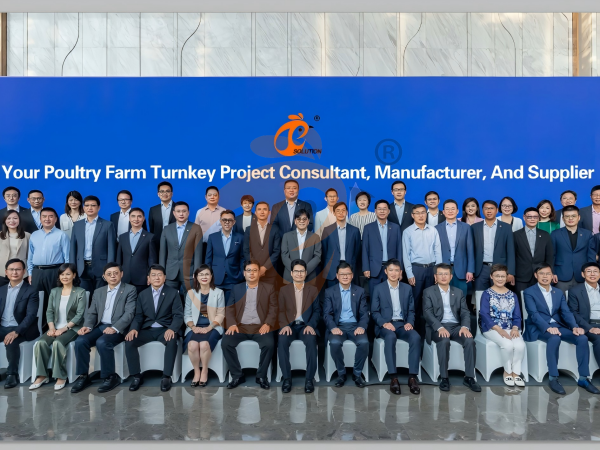
Hong Kong Headquarter Management Team
Hong Kong Headquarter Taiyu Industrial Group CO., LTD
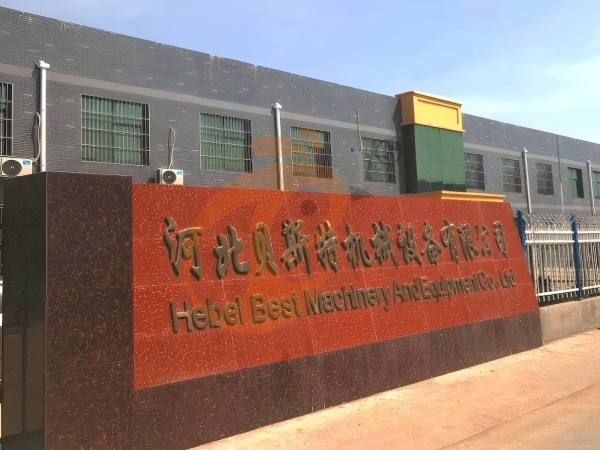
China Hebei Best Machinery And Equipment CO., LTD
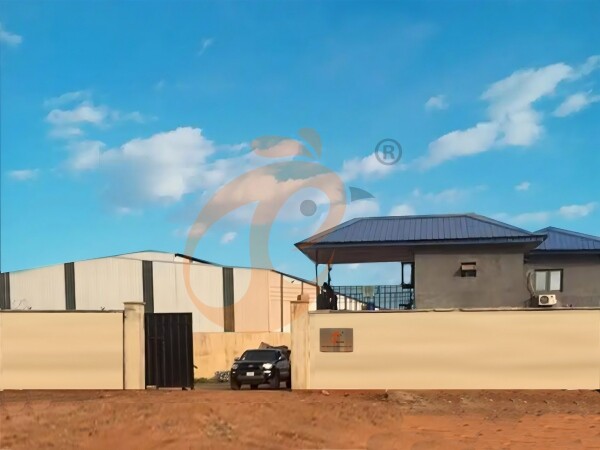
Nigeria Vanke Machinery And Equipment CO., LTD
Tanzania Best Machinery And Equipment CO., LTD
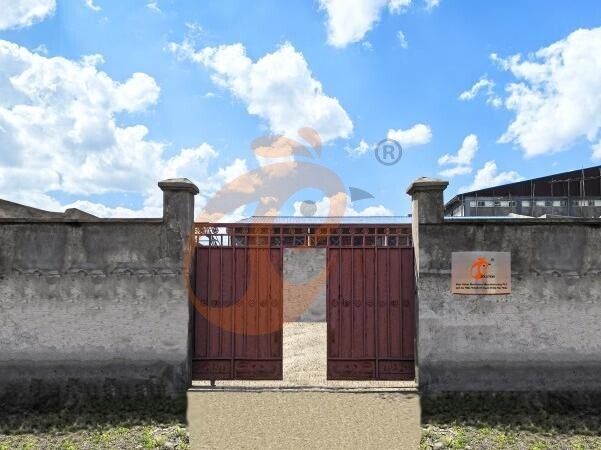
Ethiopia Best Hebei Machinery Manufacturing PLC




Reception /24 WhatsApp NO. : +8618830120193
MESSAGE
Products recommended
 HK Headquarter Offers EU-standard Poultry Farm Solutions, Manufacture Poultry Farm Equipment1. Continuous communication with the EU and the US
2. China, Nigeria, Ethiopia, Tanzania branch companies and factories
3. The products’ quality is customized for local poultry farms
4. Poultry cage and poultry farm equipment stock for sale
5. 24 online reception Whatsapp NO. : +8618830120193,contact us to get full informationRead More China Branch Offer Poultry Farm Business Plan, Manufacture Poultry Farm Equipment1. Address: Flat/RM 2416, 24/F, Runxing Building, Youyi Nan Street, Shijiazhuang City, Hebei Province, China
2. Poultry cage and poultry farm equipment factory and stock for sale
3. Customized for local poultry farms
4. Quality and design are based on Euro
5. 24 online reception Whatsapp NO. : +8618830120193Read More Nigeria Branch Offer Poultry Farm Business Plan, Manufacture Poultry Farm Equipment1. Address: After Sinoma Office, 200 Meters Near Danco Filling Station, Lagos/Ibadan Expressway, Lagos State, Nigeria
2. Poultry cage and poultry farm equipment factory and stock for sale
3. Customized for Nigerian poultry farms
4. Quality and design are based on Euro
5. 24 online reception Whatsapp NO. : +8618830120193Read More Ethiopia Branch Offer Poultry Farm Business Plan, Manufacture Poultry Farm Equipment1. Address: Gelan Gura, Akaki-kaliti Sub City, Addis Ababa, Ethiopia
2. Poultry cage and poultry farm equipment stock for sale
3. Customized for Ethiopian poultry farms
4. Quality and design are based on Euro
5. 24 online reception Whatsapp NO. : +8618830120193, contact us to get price listRead More Tanzania Branch Offer Poultry Farm Business Plan, Manufacture Poultry Farm Equipment1. Address: No.8, Sova Road, Msufini, Mlandizi, Kibaha, Pwani, Tanzania
2. Poultry cage and poultry farm equipment factory and stock for sale
3. Customized for Tanzanian poultry farms
4. Quality and design are based on Euro
5. 24 online reception Whatsapp NO. : +8618830120193Read More Automatic H Type Layer Battery Cage System1. 30,000-100,000+ layers/house chooses it
2. Structure type stacked 3-16 tiers range
3. Stocking density up to 17 birds/cage
4. Service life 25 years
5. Reception /WhatsApp NO. : +8618830120193Read More Automatic A Type Layer Battery Cage System1. 10,000-30,000+ layers/house chooses it
2. Lifespan 25+ years
3. Labor requirement 1 worker per 10,000 birds
4. Reduce disease rates by 15%-20%.
5. Reception /WhatsApp NO. : +8618830120193Read More Semi Automatic A Type Layer Battery Cage System1. 1,00-10,000+ layers/house chooses it
2. Egg breakage rate≤ 0.5%
3. Mesh spacing 2.5×2.5 cm
4. Egg collection floor slope 7–8°
5. Reception /WhatsApp NO. : +8618830120193Read More