Poultry watering system Nigeria optimization improves hydration, egg yield, and farm efficiency.
Efficient water devices reduce water waste by 40–70% compared to open bowls.
Precision water delivery lowers labor input and improves farm hygiene.
Regulated systems ensure even drinking access across all cage tiers.
Proper hydration supports better feed conversion ratio and bird growth.
Automated water lines decrease daily manual refill tasks and spillage.
Clean water minimizes bacterial load and enhances flock health.
Correct system choice increases long-term profitability and resource efficiency.
Get professional poultry farm construction guidance, equipment selection solutions, and the latest price lists, whatsApp to +8618830120193, +2348111199996, or click to learn more:

Nigeria-China Branch Office And Factory Of Poultry Farm Equipment
Why Watering Systems Matter In A Type Battery Cages
Watering systems directly affect flock health, growth, and productivity.
Poor hydration lowers feed intake and slows weight gain.
Contaminated water increases disease risk and reduces egg production.
Efficient water delivery reduces operational cost and manual labor.
Automated systems maintain hygiene and reduce human error.
Correct water line design minimizes litter wetting and foot lesions.
Stable watering improves feed-to-egg conversion ratio and flock uniformity.
Monitoring flow and pressure ensures every bird gets access.
Overview Of Different Poultry Watering Systems
Data is for reference only. Swipe horizontally to view full table.
Manual Bell Drinker System
Best For
Small flocks under 5,000 birds and minimal budget.
Shallow water bowls accessible to many birds.
Low initial cost and easy installation.
Open design increases risk of contamination and spillage.
Splashing may increase daily water usage.
Daily refills and weekly bowl sanitation are required.
Reservoir must be securely mounted above cage tiers.
Proper height ensures birds learn to drink efficiently.
Installation Tips
Mount reservoir above cages for gravity-fed flow.
Ensure bowls are level and stable to prevent tipping.
Check daily for leaks and dirty water.
Basic Nipple Drinker System
Best For
Medium battery cage farms with 5,000–15,000 birds.
Data is for reference only. Swipe horizontally to view full table.
Nipple drinkers release water only when birds peck the valve.
Minimizes water waste and improves hygiene.
Pressure must be 1.5–2.0 bar to maintain uniform flow.
Regular flushing prevents blockages from debris or biofilm.
Proper alignment along cage tiers ensures accessibility.
Daily inspection ensures droplets are consistent and no leaks occur.
Nipple Drinker With Cup Collection System
Best For
Farms wanting low spillage and clean cage environments.
Data is for reference only. Swipe horizontally to view full table.
Cups catch overflow immediately, reducing cage wetness.
Improves litter dryness, foot health, and egg cleanliness.
Cups aid younger birds in learning to drink.
Maintenance includes cup cleaning, line flushing, and checking for wear.
Flow must match bird age and cage configuration to prevent under/over-delivery.
Fully Automated Line With Regulated Pressure And Filtered Delivery
Best For
Large commercial battery cage farms with 15,000+ birds.
Data is for reference only. Swipe horizontally to view full table.
Reduces labor and ensures clean water supply.
Flow consistency is critical; deviations >5 ml/min per nipple stress birds.
Maintenance: filter replacement every 2–3 months, pressure checks, line flushing.
Advanced options include leak detection sensors and flow monitoring.
Cuts manual labor by up to 70% versus manual systems.
Economic Comparison Of Watering Systems
Data is for reference only. Swipe horizontally to view full table.
Real Farm Statistics And Insights In Nigeria
Data is for reference only. Swipe horizontally to view full table.
Automated systems improve weight uniformity and feed conversion by 10–15%.
Flow monitoring ensures birds maintain consistent water intake.
Proper management reduces feed waste and improves egg quality.
Extra attention needed in humid regions to avoid droplet contamination.
Tips For Implementation In Nigerian Farms
Adjust nipple heights as birds grow.
Maintain flow rates 50–90 ml/min per nipple.
Use inline filters to protect water quality.
Flush lines weekly to prevent clogging and biofilm.
Monitor pressure; deviations >±0.2 bar affect access.
Combine cups with nipples to reduce litter wetness.
Train staff in inspection routines.
Ensure sufficient access points to prevent crowding.
Frequently Asked Questions
Q1: How much water can nipple systems save compared to manual systems?
A1: Nipple systems reduce water waste by 40–45% versus open bowls or bell drinkers.
Q2: What flow rate should I set for layers and broilers?
A2: High flow: 80–90 ml/min; low flow: 50–60 ml/min per nipple.
Q3: Do automated watering lines reduce labor demand?
A3: Yes, they reduce daily labor by 60–70% while maintaining hygiene.
Q4: How do I prevent clogging in nipple systems?
A4: Weekly flushes, inline filters, and valve inspection prevent blockages.
VANKE - One Of Nigeria Biggest Poultry Cage Manufacturer
Direct factory sales serving Nigerian and West African farms with turnkey solutions and reliable shipping.
Specializes in poultry farm equipment including A-type battery cages, feeders, and drinkers suitable for Nigerian farm operations.
Provides automated watering systems with regulated pressure, filters, and cup collection designed for tropical climates.
Services include full farm design, turnkey installation, on-site training, and post-installation support across Nigeria.
Proven track record delivering efficiency gains, labor reduction, and improved flock health for Nigerian poultry farms.
Contact Us To Received Your Customized Poultry Farm Plan
Headquarters And Branchs

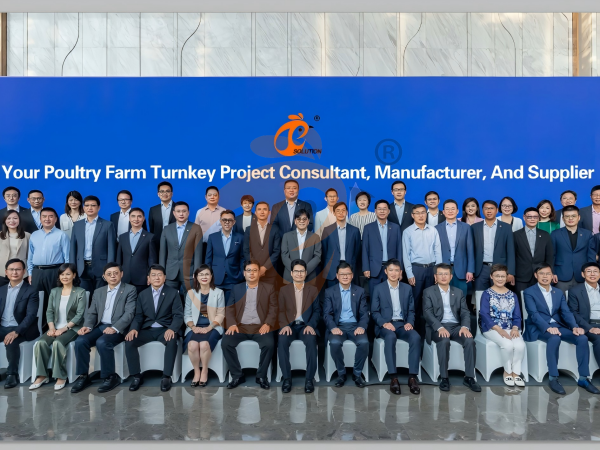
Hong Kong Headquarter Management Team
Hong Kong Headquarter Taiyu Industrial Group CO., LTD
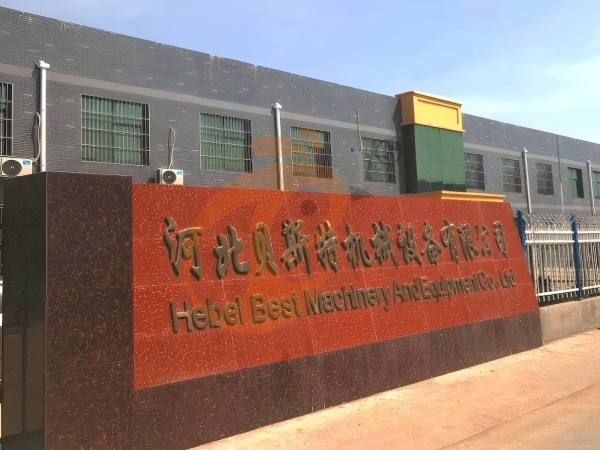
China Hebei Best Machinery And Equipment CO., LTD
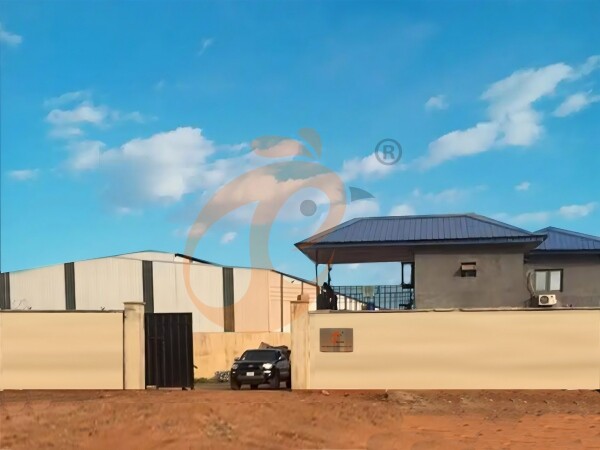
Nigeria Vanke Machinery And Equipment CO., LTD
Tanzania Best Machinery And Equipment CO., LTD
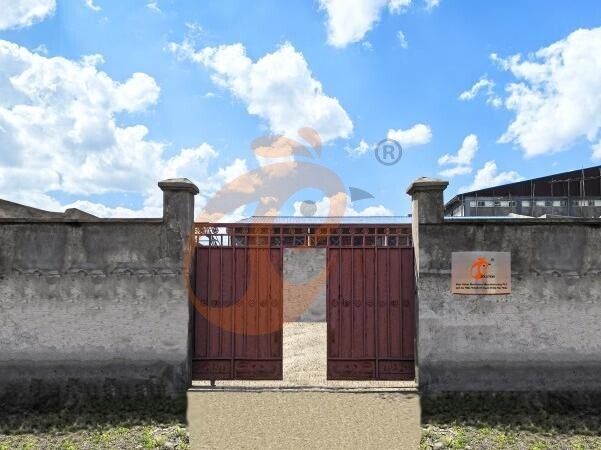
Ethiopia Best Hebei Machinery Manufacturing PLC




Reception /24 WhatsApp NO. : +8618830120193
MESSAGE
Products recommended
 HK Headquarter Offers EU-standard Poultry Farm Solutions, Manufacture Poultry Farm Equipment1. Continuous communication with the EU and the US
2. China, Nigeria, Ethiopia, Tanzania branch companies and factories
3. The products’ quality is customized for local poultry farms
4. Poultry cage and poultry farm equipment stock for sale
5. 24 online reception Whatsapp NO. : +8618830120193,contact us to get full informationRead More China Branch Offer Poultry Farm Business Plan, Manufacture Poultry Farm Equipment1. Address: Flat/RM 2416, 24/F, Runxing Building, Youyi Nan Street, Shijiazhuang City, Hebei Province, China
2. Poultry cage and poultry farm equipment factory and stock for sale
3. Customized for local poultry farms
4. Quality and design are based on Euro
5. 24 online reception Whatsapp NO. : +8618830120193Read More Nigeria Branch Offer Poultry Farm Business Plan, Manufacture Poultry Farm Equipment1. Address: After Sinoma Office, 200 Meters Near Danco Filling Station, Lagos/Ibadan Expressway, Lagos State, Nigeria
2. Poultry cage and poultry farm equipment factory and stock for sale
3. Customized for Nigerian poultry farms
4. Quality and design are based on Euro
5. 24 online reception Whatsapp NO. : +8618830120193Read More Ethiopia Branch Offer Poultry Farm Business Plan, Manufacture Poultry Farm Equipment1. Address: Gelan Gura, Akaki-kaliti Sub City, Addis Ababa, Ethiopia
2. Poultry cage and poultry farm equipment stock for sale
3. Customized for Ethiopian poultry farms
4. Quality and design are based on Euro
5. 24 online reception Whatsapp NO. : +8618830120193, contact us to get price listRead More Tanzania Branch Offer Poultry Farm Business Plan, Manufacture Poultry Farm Equipment1. Address: No.8, Sova Road, Msufini, Mlandizi, Kibaha, Pwani, Tanzania
2. Poultry cage and poultry farm equipment factory and stock for sale
3. Customized for Tanzanian poultry farms
4. Quality and design are based on Euro
5. 24 online reception Whatsapp NO. : +8618830120193Read More Automatic H Type Layer Battery Cage System1. 30,000-100,000+ layers/house chooses it
2. Structure type stacked 3-16 tiers range
3. Stocking density up to 17 birds/cage
4. Service life 25 years
5. Reception /WhatsApp NO. : +8618830120193Read More Automatic A Type Layer Battery Cage System1. 10,000-30,000+ layers/house chooses it
2. Lifespan 25+ years
3. Labor requirement 1 worker per 10,000 birds
4. Reduce disease rates by 15%-20%.
5. Reception /WhatsApp NO. : +8618830120193Read More Semi Automatic A Type Layer Battery Cage System1. 1,00-10,000+ layers/house chooses it
2. Egg breakage rate≤ 0.5%
3. Mesh spacing 2.5×2.5 cm
4. Egg collection floor slope 7–8°
5. Reception /WhatsApp NO. : +8618830120193Read More