Broiler chicken cage 2026 demand grows as modern poultry farms adopt high-density systems, automation, and energy-efficient structures
Worldwide expansion in broiler meat consumption increases interest in galvanized iron cages and cost-saving local manufacturing
Farmers frequently search for broiler cage capacity, long-life materials, automated feeding lines, and regional suppliers
Strong market growth in Asia, Africa, and Latin America drives fast upgrades in poultry house equipment
Smart ventilation, feed efficiency optimization, climate-adaptive structures, and durability become core purchasing criteria
Global Market Trends For Broiler Chicken Cage 2026
The market for broiler chicken cage 2026 continues to expand as farms in developing regions invest in scalable production systems.
The global broiler output is projected to rise by more than 3.8% annually through 2026, with over 41% of new cage installations occurring in emerging economies.
Galvanized iron remains the most preferred cage material due to its rust resistance, 10–15-year lifespan, and stable structural performance.
Early-stage adopters focus on lower initial investment, while large farms prioritize automation readiness, energy-saving ventilation layouts, and high-density utilization.
Common Locally Made Cage Structures
Locally made broiler cages help reduce logistics expenses by 9–18%, meet regional climate ventilation requirements, and shorten installation time.
These cage systems typically align with the broiler chicken cage 2026 performance standards used by most medium and large poultry farms.
Data is for reference only. Swipe horizontally to view full table.
Galvanized Iron Material Performance Comparison
Galvanized iron (GI) offers a strong balance of strength, corrosion resistance, and cost efficiency, which is why it is heavily used in broiler chicken cage 2026 designs.
Farms in humid tropical regions report up to 27% longer cage lifespan using hot-dip GI materials.
Data is for reference only. Swipe horizontally to view full table.
Structural Configuration Of Broiler Chicken Cage 2026
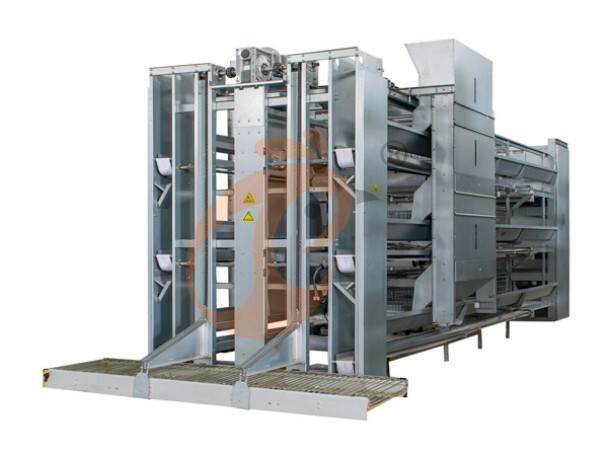
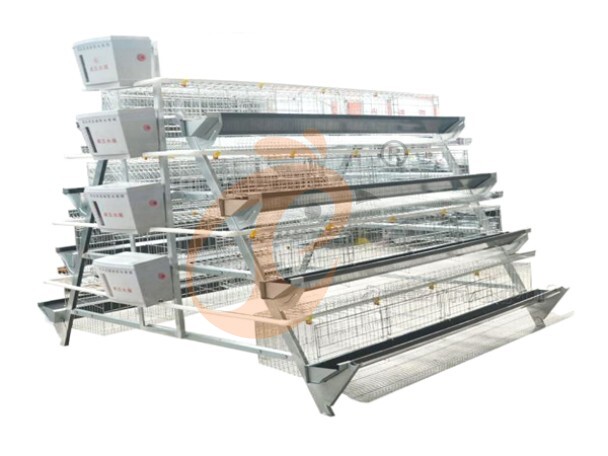
Broiler cages are optimized for airflow, load distribution, bird accessibility, and waste discharge efficiency.
For large-scale farms, the combination of GI wire frames, reinforced supporting legs, and precision-welded connectors ensures stability under continuous high-density operation.
Durable material selection and structural reinforcement help farms reduce maintenance labor by 22–30% yearly.
Data is for reference only. Swipe horizontally to view full table.
Regional Manufacturing Advantages
Local production results in faster customization, climate-compatible design, and lower operation cost.
Markets with fast-growing broiler populations such as India, Kenya, Nigeria, Pakistan, Indonesia, and Brazil show rapid adoption of broiler chicken cage 2026 thanks to affordable locally made GI structures.
Data is for reference only. Swipe horizontally to view full table.
Automation Compatibility And Performance Optimization
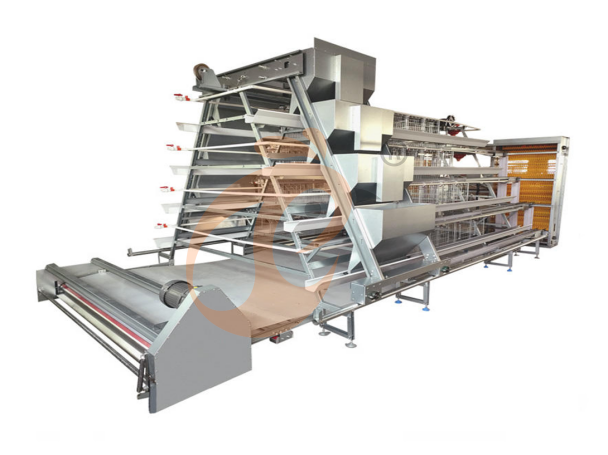
Modern farms integrate automatic feeders, nipple drinkers, manure removal belts, and optional climate-control modules.
When paired with broiler chicken cage 2026, automated systems help stabilize flock growth and reduce density-related stress.
Many large farms report:
Labor savings: 35–48%
Better feed consistency: +6–11%
Litter dryness improved by 15–22%
Broiler uniformity boosted by 4–7%
Smart Farming: IoT And Intelligent Control Systems In Poultry Production
As of 2025, around 31% of modern poultry farms worldwide use IoT-based temperature/humidity monitoring, automatic weighing, feed tracking, and environmental sensors. By 2026, this proportion is expected to reach 46%, with IoT integrated widely into broiler chicken cage 2026 supporting equipment.
Key performance improvements include:
Temperature/humidity fluctuation reduced by 20–35%
Automated ventilation improves air-quality scores by 18–25%
Data-driven feeding strategies reduce FCR by 2–4%
Environmental anomaly response time speeds up to 1–5 seconds
These technologies enhance survival rate, flock stability, and consistent batch-to-market performance.
Farm Layout And Space Utilization
A well-designed broiler house maximizes airflow patterns, prevents heat accumulation, and ensures birds receive uniform feed and water distribution. Strategic cage placement also improves manure drying efficiency and reduces ammonia concentration within the building.
Data is for reference only. Swipe horizontally to view full table.
Frequently Asked Questions (FAQ)
1. How long does a galvanized iron cage last in a broiler farm?
A high-quality hot-dip GI cage typically lasts 10–15 years, depending on climate conditions and maintenance.
2. Can locally made cages meet high-density requirements?
Yes. Local manufacturers can produce cages with reinforced GI frames that support high-density stocking while ensuring stable ventilation.
3. Why are IoT systems increasingly used in broiler production?
IoT improves environmental control accuracy, reduces heat-stress mortality, and enhances batch uniformity, ensuring more predictable production cycles.
HB BEST - One Of China Biggest Broiler Chicken Cage Manufacturer
Global supply capacity exceeding 1.8 million sets of poultry farm equipment annually
Factory-direct pricing with GI materials certified to international standards for poultry farm equipment, poultry cage, and turnkey projects
Exported to over 70 countries, supporting farms from small family houses to industrial-scale operations
Engineering team provides full project design including ventilation, automation, and cage configuration
Large inventory ensures fast delivery, custom production, and stable worldwide service support
Contact Us To Received Your Customized Poultry Farm Plan
Headquarters And Branchs

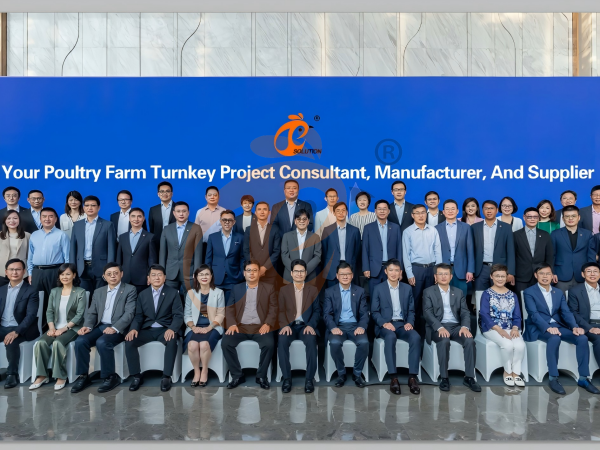
Hong Kong Headquarter Management Team
Hong Kong Headquarter Taiyu Industrial Group CO., LTD
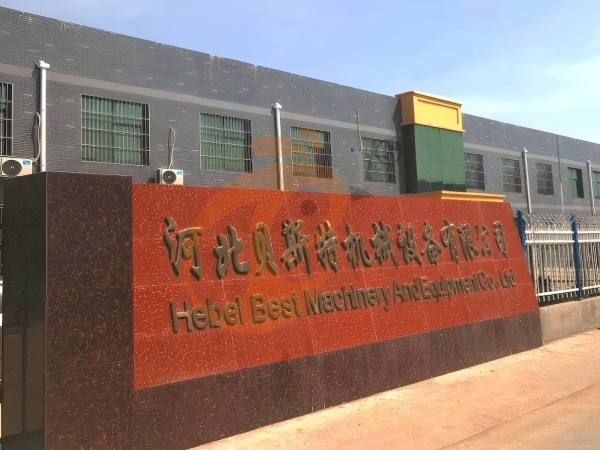
China Hebei Best Machinery And Equipment CO., LTD
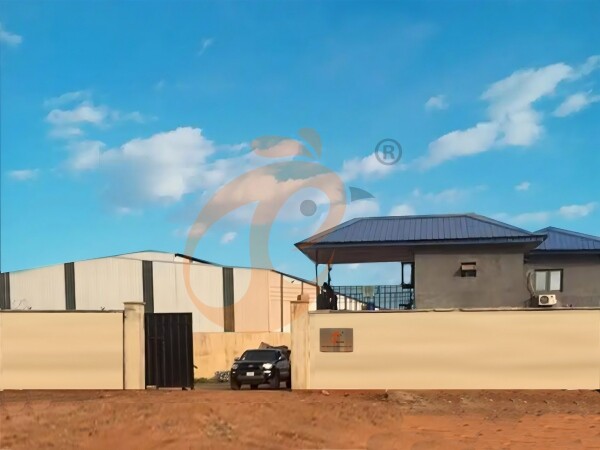
Nigeria Vanke Machinery And Equipment CO., LTD
Tanzania Best Machinery And Equipment CO., LTD
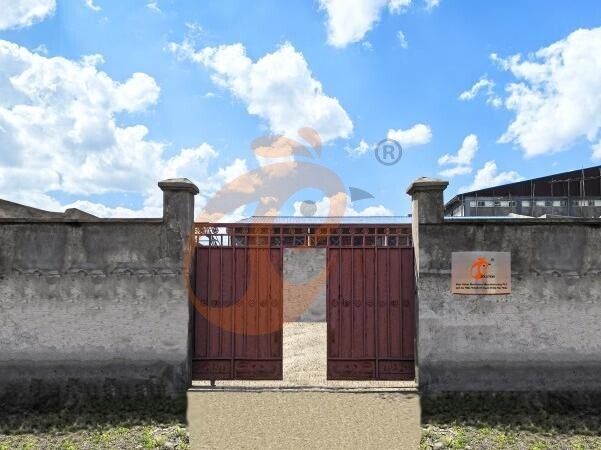
Ethiopia Best Hebei Machinery Manufacturing PLC




Reception /24 WhatsApp NO. : +8618830120193
MESSAGE
Products recommended
 HK Headquarter Offers EU-standard Poultry Farm Solutions, Manufacture Poultry Farm Equipment1. Continuous communication with the EU and the US
2. China, Nigeria, Ethiopia, Tanzania branch companies and factories
3. The products’ quality is customized for local poultry farms
4. Poultry cage and poultry farm equipment stock for sale
5. 24 online reception Whatsapp NO. : +8618830120193,contact us to get full informationRead More China Branch Offer Poultry Farm Business Plan, Manufacture Poultry Farm Equipment1. Address: Flat/RM 2416, 24/F, Runxing Building, Youyi Nan Street, Shijiazhuang City, Hebei Province, China
2. Poultry cage and poultry farm equipment factory and stock for sale
3. Customized for local poultry farms
4. Quality and design are based on Euro
5. 24 online reception Whatsapp NO. : +8618830120193Read More Nigeria Branch Offer Poultry Farm Business Plan, Manufacture Poultry Farm Equipment1. Address: After Sinoma Office, 200 Meters Near Danco Filling Station, Lagos/Ibadan Expressway, Lagos State, Nigeria
2. Poultry cage and poultry farm equipment factory and stock for sale
3. Customized for Nigerian poultry farms
4. Quality and design are based on Euro
5. 24 online reception Whatsapp NO. : +8618830120193Read More Ethiopia Branch Offer Poultry Farm Business Plan, Manufacture Poultry Farm Equipment1. Address: Gelan Gura, Akaki-kaliti Sub City, Addis Ababa, Ethiopia
2. Poultry cage and poultry farm equipment stock for sale
3. Customized for Ethiopian poultry farms
4. Quality and design are based on Euro
5. 24 online reception Whatsapp NO. : +8618830120193, contact us to get price listRead More Tanzania Branch Offer Poultry Farm Business Plan, Manufacture Poultry Farm Equipment1. Address: No.8, Sova Road, Msufini, Mlandizi, Kibaha, Pwani, Tanzania
2. Poultry cage and poultry farm equipment factory and stock for sale
3. Customized for Tanzanian poultry farms
4. Quality and design are based on Euro
5. 24 online reception Whatsapp NO. : +8618830120193Read More Automatic H Type Layer Battery Cage System1. 30,000-100,000+ layers/house chooses it
2. Structure type stacked 3-16 tiers range
3. Stocking density up to 17 birds/cage
4. Service life 25 years
5. Reception /WhatsApp NO. : +8618830120193Read More Automatic A Type Layer Battery Cage System1. 10,000-30,000+ layers/house chooses it
2. Lifespan 25+ years
3. Labor requirement 1 worker per 10,000 birds
4. Reduce disease rates by 15%-20%.
5. Reception /WhatsApp NO. : +8618830120193Read More Semi Automatic A Type Layer Battery Cage System1. 1,00-10,000+ layers/house chooses it
2. Egg breakage rate≤ 0.5%
3. Mesh spacing 2.5×2.5 cm
4. Egg collection floor slope 7–8°
5. Reception /WhatsApp NO. : +8618830120193Read More