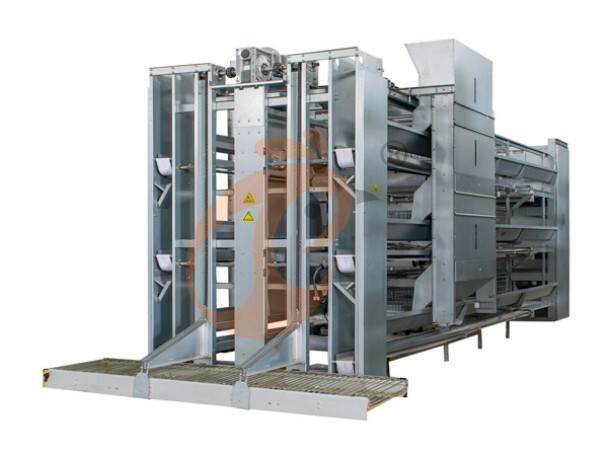
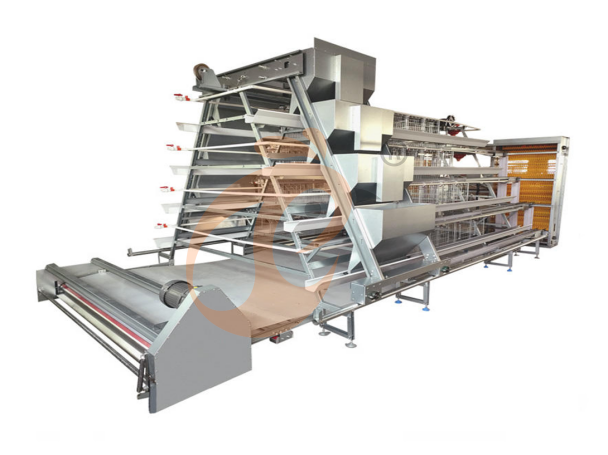
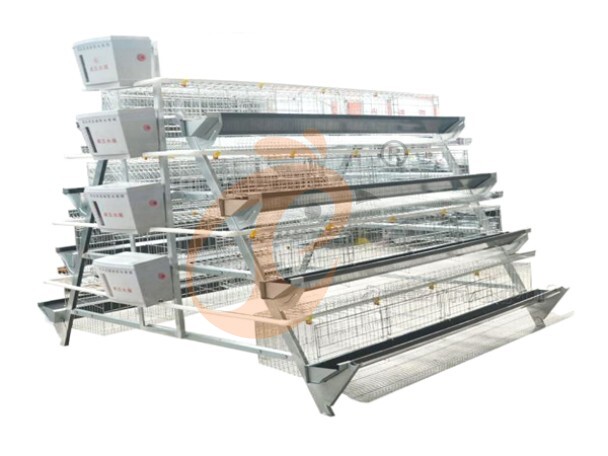
Broiler chicken cage design connects housing efficiency, flock comfort, feeding access, ventilation, and manure handling within one production structure, with commercial layouts often reaching 2.4 m service aisles for efficient inspection and maintenance.
Automatic feeding system integration supports repeatable feeding routines, while programmed delivery intervals of 30–60 minutes can help maintain consistent daily management across multiple cage rows.
Poultry cage system engineering combines galvanized structures, drinking lines, environmental controls, and manure equipment into a coordinated production platform designed for commercial broiler operations.
Climate management remains essential because broilers generate increasing heat and moisture as body weight develops, requiring coordinated airflow, cooling, and monitoring rather than isolated equipment operation.
Professional equipment selection also considers labor, maintenance, expansion, and service support, creating a practical route toward more stable production economics and long-term poultry-house performance.
Get professional poultry farm construction guidance, equipment selection solutions, and the latest price lists, whatsApp to +8618830120193, click to learn more.
Start With The Cage, Not Just The Feed
Fast broiler growth depends on genetics, nutrition, climate control, and housing design.
A broiler chicken cage system should provide stable access to feed and water while supporting efficient ventilation and manure handling.
For commercial broiler houses, cage dimensions, structural strength, automation, and corrosion protection directly influence daily management.
A well-designed system can use a 0.8 m equipment access zone to simplify inspection and maintenance.
The objective is to create a production environment where birds can eat, drink, rest, and move without unnecessary competition.
Choose A Cage System That Supports Uniform Growth
Data is for reference only.Swipe horizontally to view full table.
The cage is the foundation of the production system.
Galvanized steel construction with mechanically stable joints can help maintain alignment throughout repeated production cycles.
A professional poultry cage system can also simplify row planning when building width and service access are considered during engineering.
Make Feed Distribution Consistent
Feed competition can create body-weight variation across a flock.
An automatic feeding system should deliver feed evenly along every cage row while minimizing spillage.
Data is for reference only.Swipe horizontally to view full table.
Automatic feeding allows the system to operate according to programmed schedules rather than depending entirely on manual distribution.
A properly configured broiler chicken cage feeding arrangement can reduce repetitive handling and improve consistency between cage rows.
Make Water Availability A Non-Negotiable
Water management can be evaluated through three questions.
Can every bird reach a drinker?
Is the water line clean?
Does each nipple deliver a stable flow?
A properly designed nipple drinking system can provide controlled water delivery without open troughs.
Stainless-steel nipples are suitable for continuous operation, while pressure regulators help stabilize the distribution network.
For example, a 1.5–2.0 bar inlet pressure can be managed through a dedicated regulator before water enters individual cage lines.
Control Temperature And Ventilation
Data is for reference only.Swipe horizontally to view full table.
Broilers generate considerable heat and moisture as development progresses.
A coordinated ventilation system should combine exhaust fans, air inlets, cooling equipment, and environmental controllers.
Proper air movement also helps distribute fresh air across different cage tiers rather than allowing stagnant zones to develop.
A complete poultry cage system should therefore be engineered together with the building ventilation strategy.
Reduce Heat Stress Before It Reduces Performance
Detect → ventilate → cool → monitor → adjust
During hot weather, the ventilation system should respond automatically to environmental changes.
Cooling pads can then supplement airflow when outside temperatures rise.
A professional controller can monitor temperature every 10 seconds, allowing continuous response instead of occasional manual inspection.
Fan placement is also important.
Correct spacing between exhaust units helps create a more uniform airflow pattern throughout the poultry house.
Keep Manure Under Control
Data is for reference only.Swipe horizontally to view full table.
Manure management influences air quality, cleaning workload, and equipment hygiene.
Automatic manure belts allow scheduled removal without requiring workers to enter every cage section for manual collection.
A broiler chicken cage installation with integrated manure handling can create a more organized workflow between production rows and collection areas.
The system can be connected to a transverse conveyor, creating a continuous route from individual cage rows to the collection area.
Use Automation To Make Management More Precise
Data is for reference only.Swipe horizontally to view full table.
Automation does not replace farm management.
Automation makes management more repeatable by connecting feeding, drinking, ventilation, cooling, and manure removal into an integrated operating system.
A centralized control cabinet can also reduce the need for workers to manually operate individual machines throughout the house.
An integrated automatic feeding system can coordinate equipment timing with broader environmental control procedures.
A Daily Management Check: 10 Minutes That Matter
Walk through the house and check
- Are birds evenly distributed?
- Is feed available throughout the system?
- Are all drinking nipples working?
- Is water pressure stable?
- Is airflow consistent between cage levels?
- Are fans operating normally?
- Is there excessive moisture?
- Is manure being removed on schedule?
- Are environmental readings within the farm's target range?
- Is any equipment making unusual noise?
A simple inspection can identify blocked drinkers, damaged belts, abnormal fan vibration, or feed delivery interruptions before they affect the entire flock.
Equipment reliability is especially important during continuous production, when a small mechanical fault can quickly become a management problem.
Why Equipment Design Directly Affects Labor Efficiency
Data is for reference only.Swipe horizontally to view full table.
For growing poultry operations, labor efficiency is closely connected with equipment integration.
A modular poultry cage system allows feeding, drinking, ventilation, and manure systems to be installed as coordinated components.
This approach also makes future expansion easier because additional cage modules can follow the original system configuration.
Compare The Complete System, Not Just The Cage Price
Data is for reference only.Swipe horizontally to view full table.
The lowest equipment quotation is not necessarily the most economical choice.
A professional evaluation should consider equipment life, maintenance frequency, energy use, spare parts, installation quality, and after-sales support.
A complete poultry equipment manufacturer should provide more than cages.
System engineering, installation guidance, commissioning, replacement components, and technical support all contribute to reliable farm operation.
Any monetary evaluation should use usd for commercial comparison, with European union standard reference only.
Build A Broiler House Designed For Growth
The seven key principles are straightforward.
1. Choose durable cage equipment.
2. Provide uniform feed access.
3. Maintain reliable water supply.
4. Control temperature and ventilation.
5. Prevent heat stress.
6. Remove manure efficiently.
7. Automate repetitive management tasks.
The right equipment connects all seven.
For farms planning a new broiler house or upgrading an existing facility, an integrated broiler chicken cage solution can improve space utilization, management efficiency, environmental control, and labor productivity.
As a professional poultry equipment manufacturer, our solution can combine broiler cages, automatic feeding systems, nipple drinking lines, ventilation fans, cooling systems, manure belts, and environmental controllers according to building dimensions, flock capacity, climate conditions, and production targets.
Better broiler growth begins with precise management, while precise management becomes easier when housing equipment is engineered as one complete system.
Frequently Asked Questions
Q1: What equipment is essential for a broiler cage house?
A1: A commercial setup normally integrates cages, feeding lines, nipple drinkers, ventilation fans, manure belts, cooling equipment, and environmental controls.
A complete system can operate with multiple cage tiers while maintaining organized service access.
Q2: How does automatic feeding support broiler growth?
A2: An automatic feeding system provides scheduled feed delivery and reduces manual distribution variation.
Programmable operation can divide daily feeding into multiple cycles while maintaining consistent equipment timing.
Q3: Why is integrated equipment better than separate machines?
A3: Integrated equipment allows feeding, ventilation, drinking, cooling, and manure removal to follow one engineering plan.
Centralized control can also simplify operation, troubleshooting, and future system expansion.
Taiyu (HK) Group - One Of China Most Famous Broiler Chicken Cage Manufacturer
Broiler chicken cage solutions integrate structural frames, feeding interfaces, drinking lines, manure systems, and environmental coordination for commercial broiler production.
Global factory-direct poultry equipment manufacturing supports project-based specifications, component matching, production control, and international shipment coordination.
Turn-key engineering covers layout planning, equipment configuration, installation guidance, commissioning procedures, and technical documentation for complete poultry-house projects.
Project solutions can be configured for new farms, capacity expansion, equipment replacement, and multi-building production programs with coordinated system interfaces.
Factory engineering teams provide poultry equipment integration with production inspection, spare-parts planning, technical support, and long-term project service.
Contact Us To Received Your Customized Poultry Farm Plan
Headquarters And Branchs
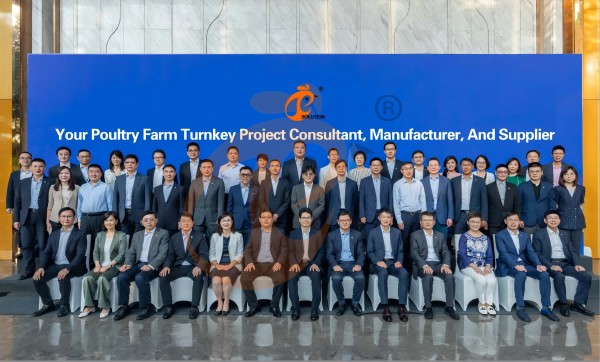
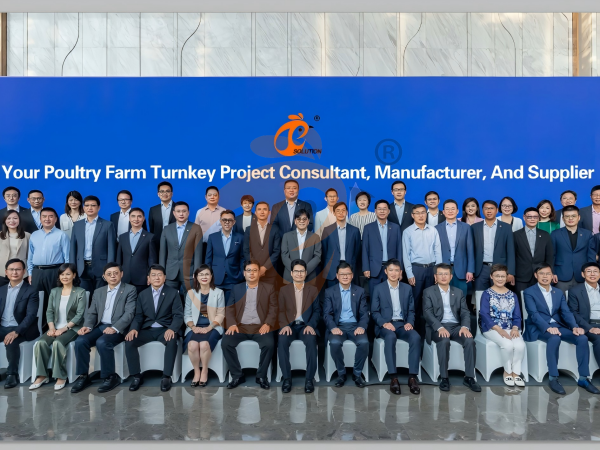
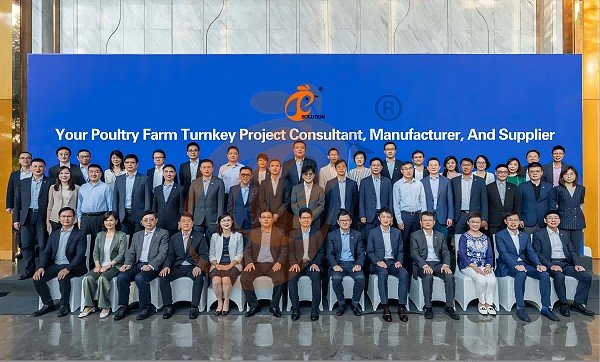
Hong Kong Headquarter Management Team
Hong Kong Headquarter Taiyu Industrial Group CO., LTD
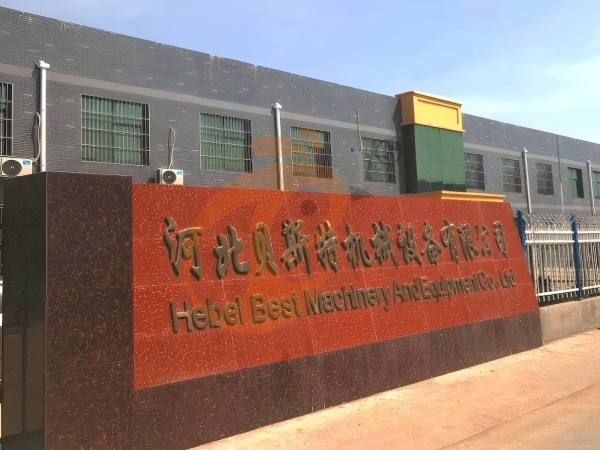
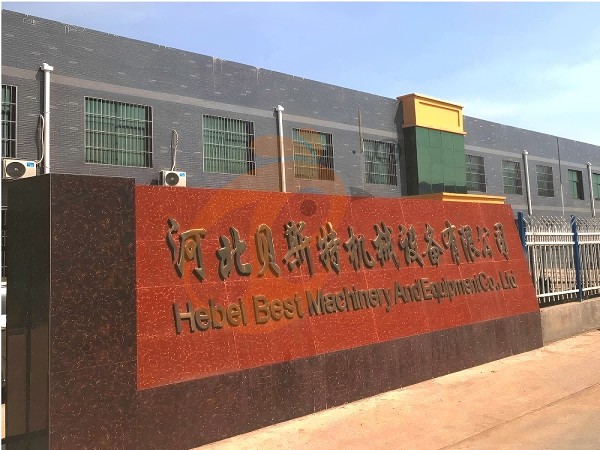
China Hebei Best Machinery And Equipment CO., LTD
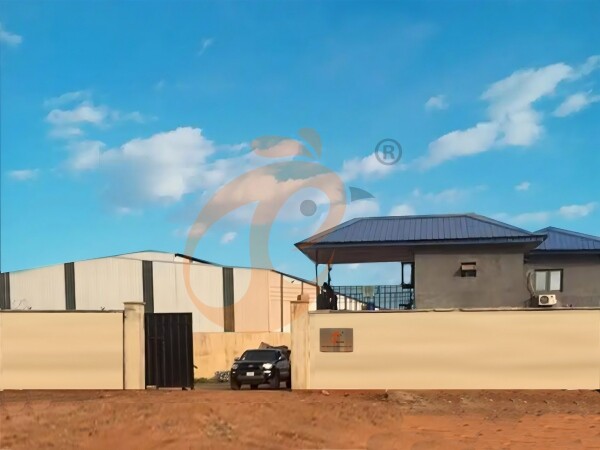
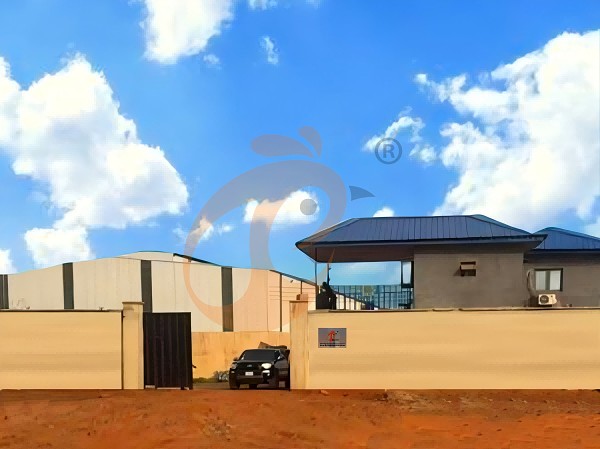
Nigeria Vanke Machinery And Equipment CO., LTD
Tanzania Best Machinery And Equipment CO., LTD
Ethiopia Best Hebei Machinery Manufacturing PLC
Reception /24 WhatsApp NO. : +8618830120193
MESSAGE
Products recommended
 HK Headquarter Offers EU-standard Poultry Farm Solutions, Manufacture Poultry Farm Equipment1. Continuous communication with the EU and the US
2. China, Nigeria, Ethiopia, Tanzania branch companies and factories
3. The products’ quality is customized for local poultry farms
4. Poultry cage and poultry farm equipment stock for sale
5. 24 online reception Whatsapp NO. : +8618830120193,contact us to get full informationRead More China Branch Offer Poultry Farm Business Plan, Manufacture Poultry Farm Equipment1. Address: Flat/RM 2416, 24/F, Runxing Building, Youyi Nan Street, Shijiazhuang City, Hebei Province, China
2. Poultry cage and poultry farm equipment factory and stock for sale
3. Customized for local poultry farms
4. Quality and design are based on Euro
5. 24 online reception Whatsapp NO. : +8618830120193Read More Nigeria Branch Offer Poultry Farm Business Plan, Manufacture Poultry Farm Equipment1. Address: After Sinoma Office, 200 Meters Near Danco Filling Station, Lagos/Ibadan Expressway, Lagos State, Nigeria
2. Poultry cage and poultry farm equipment factory and stock for sale
3. Customized for Nigerian poultry farms
4. Quality and design are based on Euro
5. 24 online reception Whatsapp NO. : +8618830120193Read More Ethiopia Branch Offer Poultry Farm Business Plan, Manufacture Poultry Farm Equipment1. Address: Gelan Gura, Akaki-kaliti Sub City, Addis Ababa, Ethiopia
2. Poultry cage and poultry farm equipment stock for sale
3. Customized for Ethiopian poultry farms
4. Quality and design are based on Euro
5. 24 online reception Whatsapp NO. : +8618830120193, contact us to get price listRead More Tanzania Branch Offer Poultry Farm Business Plan, Manufacture Poultry Farm Equipment1. Address: No.8, Sova Road, Msufini, Mlandizi, Kibaha, Pwani, Tanzania
2. Poultry cage and poultry farm equipment factory and stock for sale
3. Customized for Tanzanian poultry farms
4. Quality and design are based on Euro
5. 24 online reception Whatsapp NO. : +8618830120193Read More Automatic H Type Layer Battery Cage System1. 30,000-100,000+ layers/house chooses it
2. Structure type stacked 3-16 tiers range
3. Stocking density up to 17 birds/cage
4. Service life 25 years
5. Reception /WhatsApp NO. : +8618830120193Read More Automatic A Type Layer Battery Cage System1. 10,000-30,000+ layers/house chooses it
2. Lifespan 25+ years
3. Labor requirement 1 worker per 10,000 birds
4. Reduce disease rates by 15%-20%.
5. Reception /WhatsApp NO. : +8618830120193Read More Semi Automatic A Type Layer Battery Cage System1. 1,00-10,000+ layers/house chooses it
2. Egg breakage rate≤ 0.5%
3. Mesh spacing 2.5×2.5 cm
4. Egg collection floor slope 7–8°
5. Reception /WhatsApp NO. : +8618830120193Read More