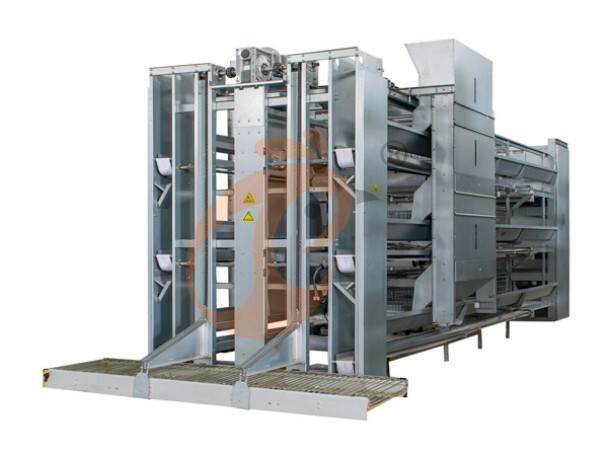
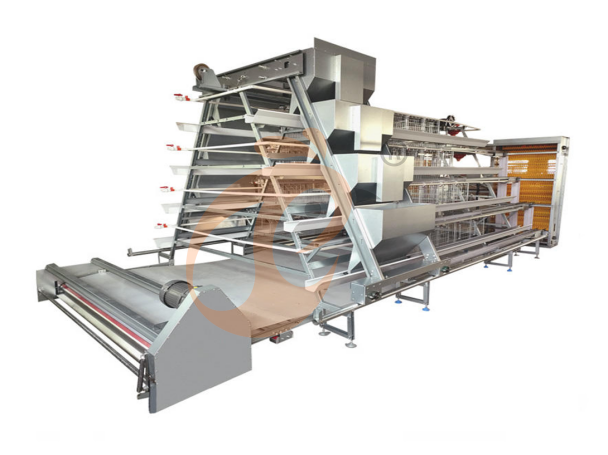
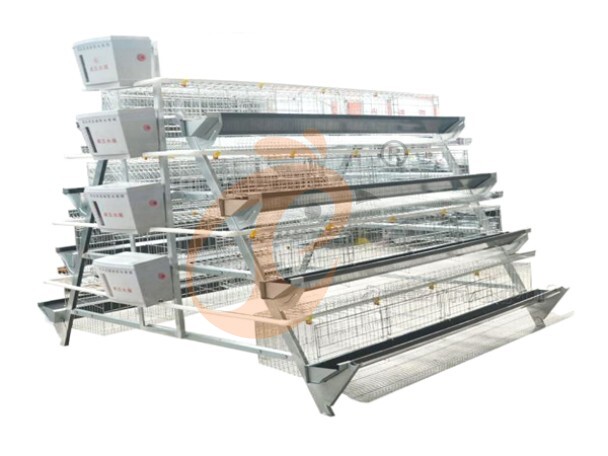
- H type chicken battery cage systems organize commercial layer housing through multi-tier cage layouts, with practical configurations reaching 4–8 tiers and supporting structured daily management across large poultry houses.
Automatic poultry feeding system maintenance centers on feed distribution, drive components, trough cleanliness, and scheduled inspection, with typical line lengths configured according to house dimensions and flock capacity.
Automatic manure removal system inspection focuses on belt movement, scraper condition, drive assemblies, and scheduled cleaning, helping organize manure handling across continuous production cycles.
Water lines, cage structures, electrical assemblies, lubrication points, and mechanical components require planned checks, while nipple systems can operate through dedicated pressure-regulated water circuits.
- A disciplined maintenance routine combined with reliable H type chicken battery cage equipment supports equipment availability, labor organization, service planning, and predictable commercial poultry-house operation.
Get professional poultry farm construction guidance, equipment selection solutions, and the latest price lists, whatsApp to +8618830120193, click to learn more:
Daily Inspection Checklist: Cage Structure
Data is for reference only.Swipe horizontally to view full table.
A durable H type chicken battery cage should provide stable support during continuous production, while an automatic poultry feeding system and automatic manure removal system should remain accessible for inspection.
Galvanized structural components can use zinc coatings around 80–275 g/m² according to material specification and project requirements.
Tip #1: Keep The Feeding System Clean And Accurate
Clean → Inspect → Adjust → Test
Feed accumulation can cause waste, uneven feeding, and blockages in an H type chicken battery cage.
Remove residual feed daily and check the automatic poultry feeding system for stable conveyor, auger, hopper, and motor operation.
An efficient automatic poultry feeding system supports consistent feed distribution and can reduce repetitive manual labor across commercial poultry houses.
A typical feeding motor can operate within a 0.75–2.2 kW range, depending on conveyor length, feed volume, and system configuration.
Feeding System Maintenance Table
Data is for reference only.Swipe horizontally to view full table.
An H type chicken battery cage with an integrated automatic poultry feeding system can support efficient daily management.
Farm capacity, house dimensions, and automation requirements should guide equipment configuration.
An appropriately matched automatic manure removal system can further reduce manual cleaning requirements.
Feed delivery can be scheduled in 3–6 daily cycles according to flock age, production program, and farm management requirements.
Tip #2: Protect The Drinking System From Blockages
Quick Test
- Press several nipple drinkers.
- Confirm normal water flow.
- Check for leakage.
- Inspect pipes and joints.
- Flush lines when necessary.
Reliable water delivery is essential for every H type chicken battery cage, especially where multiple tiers operate continuously.
A properly configured automatic poultry feeding system should be maintained alongside water equipment, while the automatic manure removal system
should be checked separately to prevent cross-system maintenance delays.
Nipple drinkers commonly use stainless-steel internal components and can be selected according to flock age and water-management requirements.
Drinking System Maintenance Table
Data is for reference only.Swipe horizontally to view full table.
An H type chicken battery cage should make water-line inspection practical for farm workers.
Reliable nipple drinkers, organized water pipes, and accessible connections complement an automatic poultry feeding system and automatic manure removal system.
Such equipment integration supports consistent poultry-house management without unnecessarily increasing daily maintenance workload.
Water-line flushing can be scheduled every 7–14 days according to water quality, pipeline length, and farm sanitation procedures.
Tip #3: Check The Manure Removal System Every Day
Traffic-Light Rule
GREEN: Belt runs smoothly and manure is removed completely.
YELLOW: Belt is noisy, loose, or slightly misaligned.
RED: Belt stops, slips, or shows serious damage.
An H type chicken battery cage equipped with an automatic manure removal system can reduce manual cleaning work and support a cleaner production environment.
At the yellow stage, schedule adjustment promptly.
At the red stage, stop the relevant equipment safely and inspect before restarting.
A manure belt inspection can normally be completed within 5–10 minutes per mechanical section, depending on access and system length.
Manure System Maintenance Table
Data is for reference only.Swipe horizontally to view full table.
An H type chicken battery cage matched with an automatic manure removal system can improve labor efficiency for medium- and large-scale poultry farms.
The automatic poultry feeding system should also be configured according to house length, cage tiers, and production capacity.
Correct equipment matching helps maintain stable operation while controlling long-term maintenance requirements.
Manure belt replacement planning can be based on operating hours, belt material condition, and manufacturer maintenance intervals.
Tip #4: Treat Lubrication As Preventive Maintenance
Do Not Wait For Noise.
Follow the manufacturer's recommended lubrication schedule for motors, bearings, chains, and other moving components supporting an H type chicken battery cage.
Before maintenance, ensure relevant equipment is safely stopped.
A practical record can follow this structure:
Date | Component | Maintenance Performed | Parts Replaced | Next Check
Consistent records help identify recurring problems before they affect the automatic poultry feeding system or automatic manure removal system.
Lubrication intervals commonly fall within 250–500 operating hours for selected bearing assemblies, subject to manufacturer specifications.
Preventive Maintenance Table
Data is for reference only.Swipe horizontally to view full table.
The objective is to maintain an H type chicken battery cage before mechanical problems become production problems.
An automatic poultry feeding system and automatic manure removal system should follow defined inspection intervals based on manufacturer specifications.
Preventive maintenance can reduce unexpected repair risk and support longer equipment service life.
Maintenance records can be retained for 12–24 months to support fault analysis, spare-parts planning, and service scheduling.
Tip #5: Finish Each Day With A Safety Check
5-Point Shutdown Check
① Cage doors secure
② Feeding system clear
③ Drinking system working
④ Manure system normal
⑤ Motors and electrical equipment free from obvious abnormalities
An H type chicken battery cage requires consistent final checks to keep daily production organized.
The automatic poultry feeding system should be clear and ready for the next cycle.
The automatic manure removal system should show no obvious belt, motor, or transmission abnormalities.
A final electrical inspection can include control-panel temperature below 45°C and enclosure integrity before the next production cycle.
Daily Maintenance Results Table
Data is for reference only.Swipe horizontally to view full table.
Daily maintenance is part of maximizing the investment value of an H type chicken battery cage.
Automatic feeding, reliable drinking, and an automatic manure removal system can work together to improve poultry-house efficiency.
Five practical habits—inspection, feeding maintenance, water management, manure removal, and preventive servicing—support stable long-term operation.
For new poultry projects, selecting professional poultry equipment with suitable automation, durable materials, customized layouts, and technical support can improve overall farm management.
European union standard reference only.
Frequently Asked Questions
Q1: How often should an H type chicken battery cage be inspected?
An H type chicken battery cage should receive a basic visual inspection every day, while mechanical components can follow manufacturer-defined service intervals.
Daily checks typically require around 10 minutes for key cage, feeding, water, manure, and electrical points.
Q2: Which systems require the most attention?
The automatic poultry feeding system and automatic manure removal system require particular attention because moving components can be affected by feed residue, manure accumulation, tension, alignment, and motor conditions.
Daily visual inspection helps identify abnormal operation before downtime occurs.
Q3: Can automated systems reduce poultry farm labor?
Yes.
An H type chicken battery cage combined with automatic feeding and manure removal can reduce repetitive manual work, with actual labor savings depending on house size, cage capacity, automation level, and operating procedures.
Taiyu (HK) Group - One Of China Largest H Type Chicken Battery Cage Manufacturer
H type chicken battery cage systems use galvanized structural components and configurable multi-tier layouts, with typical cage tiers ranging from 4 to 8 levels for commercial layer-house configurations.
Global factory direct sales provide integrated poultry equipment, including cage systems, feeding equipment, drinking systems, manure systems, ventilation, and related production-line components.
Turn-key engineering covers project planning, equipment configuration, house-layout coordination, installation guidance, commissioning, and technical support for complete poultry projects.
Project-based manufacturing supports different farm scales, building dimensions, bird capacities, automation levels, and local operating requirements through engineered equipment configurations.
International supply capability connects factory production with export logistics, technical documentation, installation support, and complete poultry equipment solutions for overseas customers.
Contact Us To Received Your Customized Poultry Farm Plan
Headquarters And Branchs
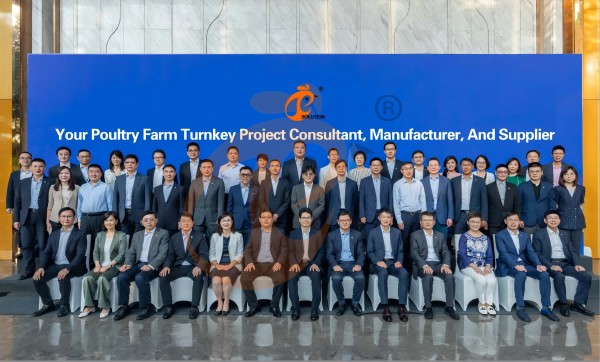
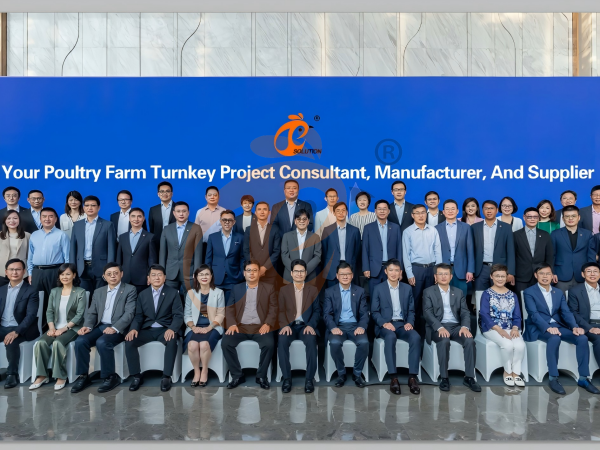
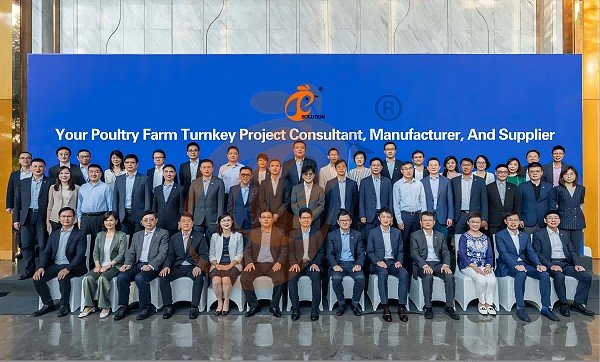
Hong Kong Headquarter Management Team
Hong Kong Headquarter Taiyu Industrial Group CO., LTD
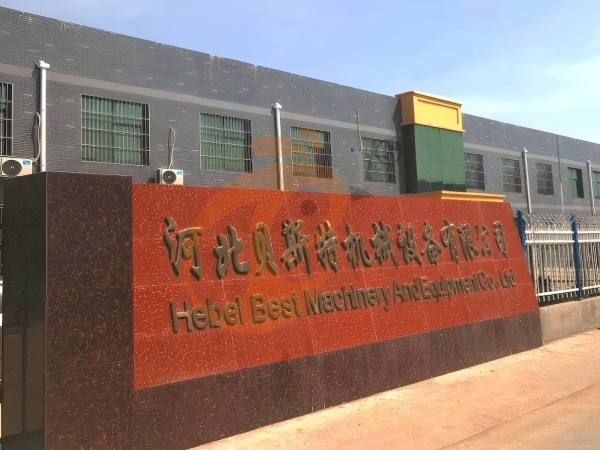
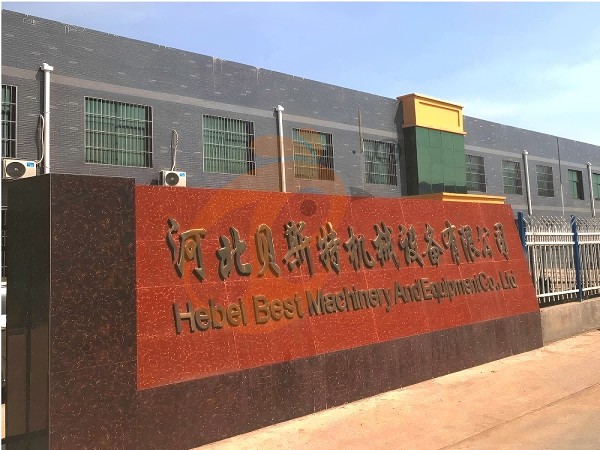
China Hebei Best Machinery And Equipment CO., LTD
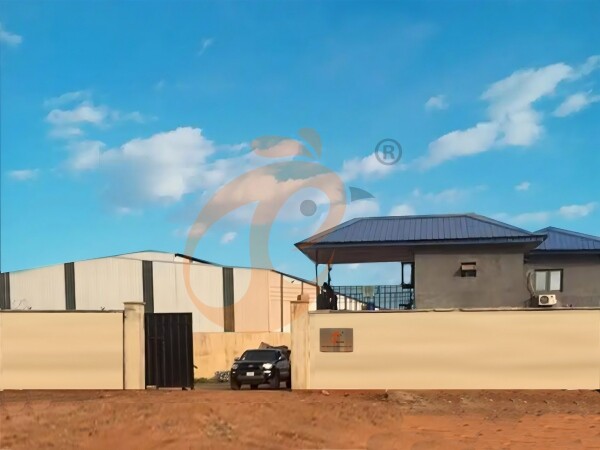
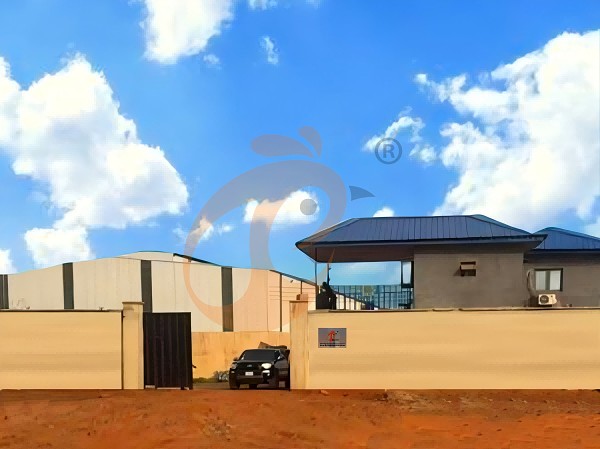
Nigeria Vanke Machinery And Equipment CO., LTD
Tanzania Best Machinery And Equipment CO., LTD
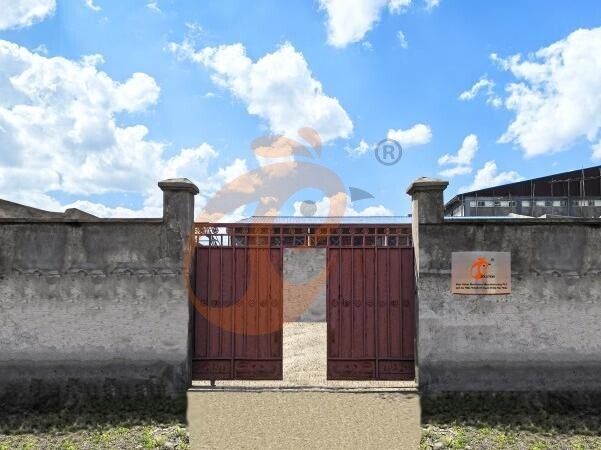
Ethiopia Best Hebei Machinery Manufacturing PLC
Reception /24 WhatsApp NO. : +8618830120193
MESSAGE
Products recommended
 HK Headquarter Offers EU-standard Poultry Farm Solutions, Manufacture Poultry Farm Equipment1. Continuous communication with the EU and the US
2. China, Nigeria, Ethiopia, Tanzania branch companies and factories
3. The products’ quality is customized for local poultry farms
4. Poultry cage and poultry farm equipment stock for sale
5. 24 online reception Whatsapp NO. : +8618830120193,contact us to get full informationRead More China Branch Offer Poultry Farm Business Plan, Manufacture Poultry Farm Equipment1. Address: Flat/RM 2416, 24/F, Runxing Building, Youyi Nan Street, Shijiazhuang City, Hebei Province, China
2. Poultry cage and poultry farm equipment factory and stock for sale
3. Customized for local poultry farms
4. Quality and design are based on Euro
5. 24 online reception Whatsapp NO. : +8618830120193Read More Nigeria Branch Offer Poultry Farm Business Plan, Manufacture Poultry Farm Equipment1. Address: After Sinoma Office, 200 Meters Near Danco Filling Station, Lagos/Ibadan Expressway, Lagos State, Nigeria
2. Poultry cage and poultry farm equipment factory and stock for sale
3. Customized for Nigerian poultry farms
4. Quality and design are based on Euro
5. 24 online reception Whatsapp NO. : +8618830120193Read More Ethiopia Branch Offer Poultry Farm Business Plan, Manufacture Poultry Farm Equipment1. Address: Gelan Gura, Akaki-kaliti Sub City, Addis Ababa, Ethiopia
2. Poultry cage and poultry farm equipment stock for sale
3. Customized for Ethiopian poultry farms
4. Quality and design are based on Euro
5. 24 online reception Whatsapp NO. : +8618830120193, contact us to get price listRead More Tanzania Branch Offer Poultry Farm Business Plan, Manufacture Poultry Farm Equipment1. Address: No.8, Sova Road, Msufini, Mlandizi, Kibaha, Pwani, Tanzania
2. Poultry cage and poultry farm equipment factory and stock for sale
3. Customized for Tanzanian poultry farms
4. Quality and design are based on Euro
5. 24 online reception Whatsapp NO. : +8618830120193Read More Automatic H Type Layer Battery Cage System1. 30,000-100,000+ layers/house chooses it
2. Structure type stacked 3-16 tiers range
3. Stocking density up to 17 birds/cage
4. Service life 25 years
5. Reception /WhatsApp NO. : +8618830120193Read More Automatic A Type Layer Battery Cage System1. 10,000-30,000+ layers/house chooses it
2. Lifespan 25+ years
3. Labor requirement 1 worker per 10,000 birds
4. Reduce disease rates by 15%-20%.
5. Reception /WhatsApp NO. : +8618830120193Read More Semi Automatic A Type Layer Battery Cage System1. 1,00-10,000+ layers/house chooses it
2. Egg breakage rate≤ 0.5%
3. Mesh spacing 2.5×2.5 cm
4. Egg collection floor slope 7–8°
5. Reception /WhatsApp NO. : +8618830120193Read More