Deep litter poultry farming equipment controls feeding, drinking, ventilation, cooling, lighting, and daily operating costs across commercial poultry houses.
Automatic poultry feeding systems can reduce repetitive labor while maintaining scheduled feed delivery with capacities reaching 35 kg/min.
Poultry ventilation systems manage heat, moisture, dust, and airflow through engineered fans, inlets, cooling pads, and controllers.
Integrated equipment planning connects flock capacity, house dimensions, utilities, automation, maintenance, and future expansion into one commercial system.
- Five budget principles help producers compare equipment investment, operating costs, technical specifications, and long-term production efficiency before purchasing.
Get professional poultry farm construction guidance, equipment selection solutions, and the latest price lists, whatsApp to +8618830120193, click to learn more:
Cost Snapshot: Build The Budget Around Equipment Performance
Deep litter poultry farming equipment is not simply a matter of constructing a chicken house and adding birds.
Automatic poultry feeding systems and poultry ventilation systems directly affect labor requirements, feed distribution, water delivery, ventilation, cooling, and long-term operating costs.
Commercial projects should select equipment according to house dimensions, flock size, climate, and production cycle rather than purchasing individual machines independently.
Technical references commonly include automatic feeding, nipple drinking, ventilation, cooling, lighting, and environmental control as an integrated package.
Commercial houses can operate with equipment configurations supporting 5,000–50,000 birds per house.
Data is for reference only.Swipe horizontally to view full table.
Budget Tip #1 — Turn Labor Into An Equipment Calculation
The first budget question should be how many repetitive tasks can be automated with deep litter poultry farming equipment.
Manual feeding becomes increasingly expensive as flock size grows because workers must distribute feed repeatedly throughout the production cycle.
An automatic poultry feeding system can operate on scheduled intervals, while centralized conveying moves feed from storage to feeding lines.
Commercial deep litter poultry farming equipment can use conveying speeds around 35 kg/min, giving producers a measurable basis for labor planning.
Instead of comparing equipment only by purchase price, calculate operating costs across several production cycles.
For example, a farm running 6 cycles annually realizes automation benefits repeatedly rather than only during installation.
Budget formula:
Annual Labor Cost = Labor Hours/Day × Working Days × Labor Rate
Automation Value = Annual Labor Cost Avoided − Annual Equipment Operating Cost
This approach makes automatic poultry feeding systems easier to evaluate commercially.
Automatic Feeding System: Professional Specification Table
Data is for reference only.Swipe horizontally to view full table.
Budget Tip #2 — Protect Feed And Water Economics
Feed commonly represents the largest variable expense in poultry production, making deep litter poultry farming equipment an important investment area.
Automatic poultry feeding systems should be evaluated according to delivery consistency rather than simply equipment price.
Automated distribution can reduce manual handling while helping maintain regular access to feed throughout the house.
Water management deserves equal attention because poultry ventilation systems and drinking systems work together to maintain suitable litter conditions.
Nipple systems keep the water delivery point above the litter, reducing exposed water surfaces and simplifying drinking-zone management.
A properly designed water network can include filtration, pressure regulation, sectional valves, and drain points for routine sanitation.
For equipment buyers, the key question is not simply ''How much is the drinking system?'' but ''How is the complete water line engineered?''
A professional supplier can configure the header pipe, regulators, filters, nipples, end caps, and drainage components as one system.
Water System Specification Table
Data is for reference only.Swipe horizontally to view full table.
Budget Tip #3 — Treat Ventilation As A Measurable Engineering System
A deep litter house continuously generates heat, moisture, dust, and gases, making deep litter poultry farming equipment essential for controlled environmental management.
Poultry ventilation systems need to be calculated from house volume, airflow requirements, fan performance, inlet configuration, and seasonal operating conditions.
A 1,400 mm axial fan can provide approximately 43,000–44,000 m³/h under suitable operating conditions, while actual design must account for static pressure and house configuration.
For hot climates, tunnel ventilation can be combined with evaporative cooling, with cooling pads around 150 mm thick commonly used in commercial configurations.
The investment logic is straightforward:
Correct airflow design → controlled house environment → better equipment utilization → more predictable operating costs.
A poultry equipment supplier should calculate fans, air inlets, cooling pads, controllers, and electrical requirements together rather than selling fans as isolated products.
Ventilation And Cooling Equipment Data Table
Data is for reference only.Swipe horizontally to view full table.
Budget Tip #4 — Compare Total Cost Of Ownership
The cheapest quotation does not necessarily represent the lowest poultry-farm cost, so deep litter poultry farming equipment should be evaluated through purchase cost, installation cost, electricity consumption, maintenance requirements, replacement components, and service support.
For example, a ventilation fan operating 18 hours per day at 2.0 kW consumes approximately 36 kWh/day before considering controller modulation.
At an electricity rate of $0.12/kWh, consumption represents approximately $4.32/day per continuously operating 2.0 kW motor.
European union standard reference only.
This calculation demonstrates why motor efficiency and automatic control should be included in the original equipment budget.
A variable-output poultry ventilation system can adjust fan operation according to environmental requirements rather than operating every installed fan continuously.
Some commercial controllers support fan regulation from approximately 10% to 100% output.
Long-Term Equipment Cost Evaluation Table
Data is for reference only.Swipe horizontally to view full table.
Budget Tip #5 — Design The Entire Equipment Package Before Installation
The most effective way to control project costs is to design deep litter poultry farming equipment and the poultry house together.
Determine flock capacity first, then calculate feeding, drinking, ventilation, cooling, lighting, electrical, and control requirements.
For example, a commercial equipment project may use separate circuits for feeding, ventilation, lighting, and environmental control.
This makes troubleshooting easier and allows individual systems to be serviced without unnecessarily shutting down unrelated equipment.
The installation sequence should therefore be:
Flock Capacity → House Dimensions → Equipment Layout → Utility Requirements → Equipment Selection → Installation → Commissioning
This engineering-first approach is particularly valuable for farms planning future expansion because additional automatic poultry feeding systems, drinking sections, ventilation equipment, or control functions can be incorporated into the original design.
Integrated Deep Litter Equipment Planning Table
Data is for reference only.Swipe horizontally to view full table.
Final Budget Checklist: Invest In The System, Not Individual Machines
A profitable deep litter project should begin with a technical equipment calculation rather than a simple equipment shopping list.
The supplier should understand the farm's house length, width, height, bird capacity, climate, power supply, water source, and production cycle before recommending the final configuration.
For a commercial house, small technical differences can affect operating expenses.
A feeding motor rated at 1.5 kW and a ventilation motor rated at 2.2 kW create different electrical loads, while water filtration and pressure regulation influence drinking-system reliability.
The strongest deep litter poultry farming equipment package combines automatic feeding, nipple drinking, ventilation, cooling, lighting, environmental control, and professional installation design.
This integrated approach allows every major investment to connect with an identifiable production requirement.
For poultry producers planning a new deep litter house or upgrading an existing farm, choosing a manufacturer capable of supplying the complete equipment package provides a practical advantage.
One engineering team can coordinate equipment specifications, layout, installation, commissioning, and future expansion.
Frequently Asked Questions
Q1: What equipment is essential for a deep litter poultry house?
Deep litter poultry farming equipment normally includes automatic feeding, nipple drinking, ventilation, cooling, lighting, and environmental control systems.
Commercial configurations can use 5–30 ton feed silos and 37,236–55,000 m³/h ventilation capacity depending on house requirements.
Q2: How can automatic equipment reduce poultry farming costs?
Automatic poultry feeding systems reduce repetitive manual work, while poultry ventilation systems regulate airflow and environmental conditions.
A 35 kg/min feed delivery rate provides a measurable reference for calculating feeding-system capacity and labor requirements.
Q3: How should poultry equipment be selected for a new project?
Deep litter poultry farming equipment should be selected after confirming flock capacity, house dimensions, climate, electrical supply, water requirements, and future expansion plans.
Integrated engineering reduces compatibility problems and helps coordinate feeding, drinking, ventilation, cooling, and control systems.
Taiyu (HK) Group - One Of China Toppest Deep Litter Poultry Farming Equipment Manufacturer
Deep litter poultry farming equipment integrates automatic feeding, drinking, ventilation, cooling, lighting, and control, with commercial feed conveying capacity reaching 35 kg/min.
Global factory-direct poultry equipment supply supports project-based specifications, component matching, technical documentation, installation guidance, and spare-parts coordination.
Turn-key engineering covers house equipment layout, electrical planning, ventilation calculation, feeding configuration, water-line design, commissioning, and operational handover.
Poultry equipment projects serve broiler farms, breeder farms, expansion programs, modernization projects, and complete new-house installations across international markets.
Factory engineering teams coordinate equipment manufacturing, quality inspection, export packaging, technical support, and project delivery through an integrated supply chain.
Contact Us To Received Your Customized Poultry Farm Plan
Headquarters And Branchs
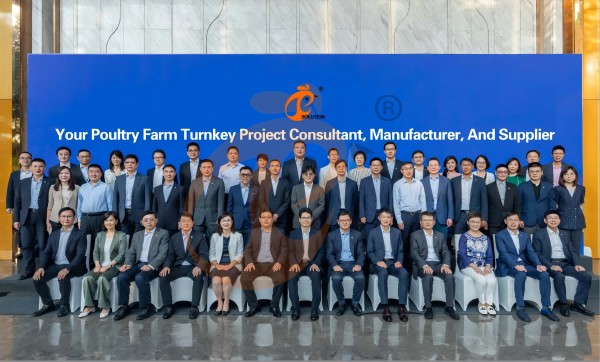
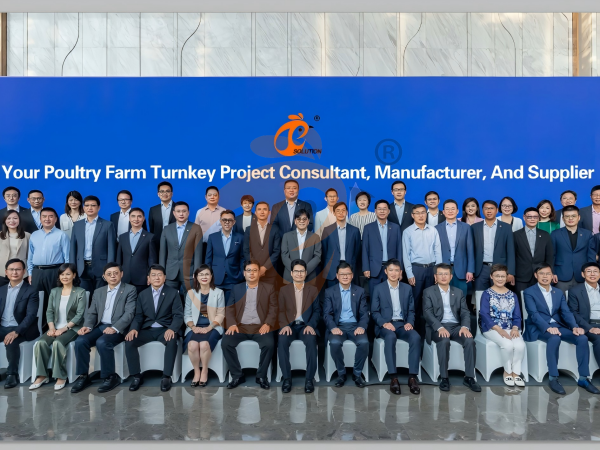
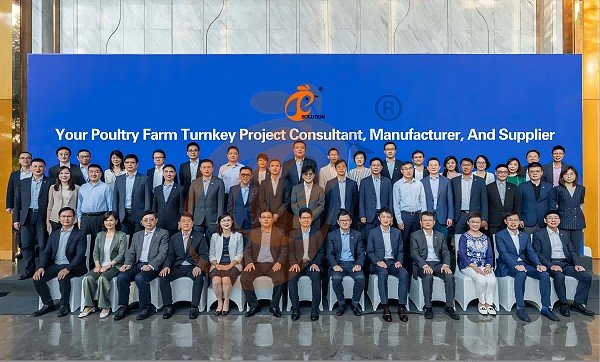
Hong Kong Headquarter Management Team
Hong Kong Headquarter Taiyu Industrial Group CO., LTD
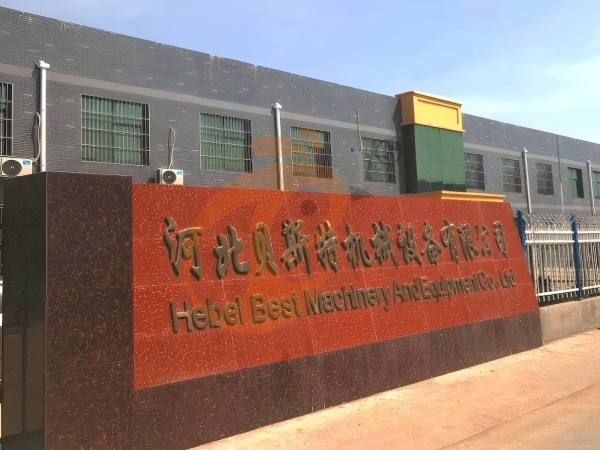
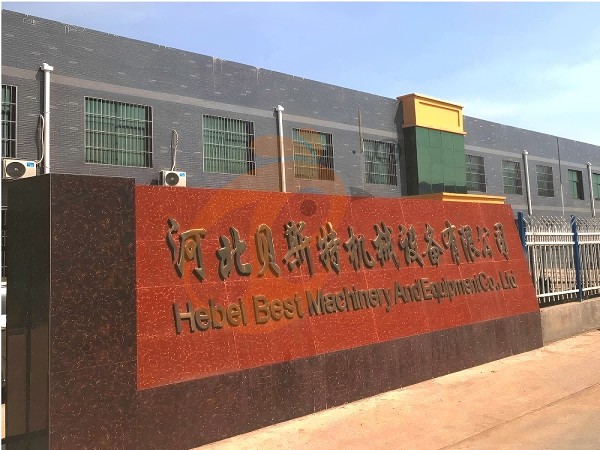
China Hebei Best Machinery And Equipment CO., LTD
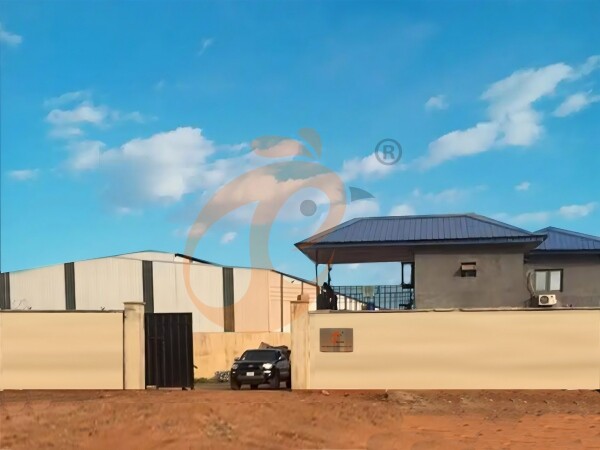
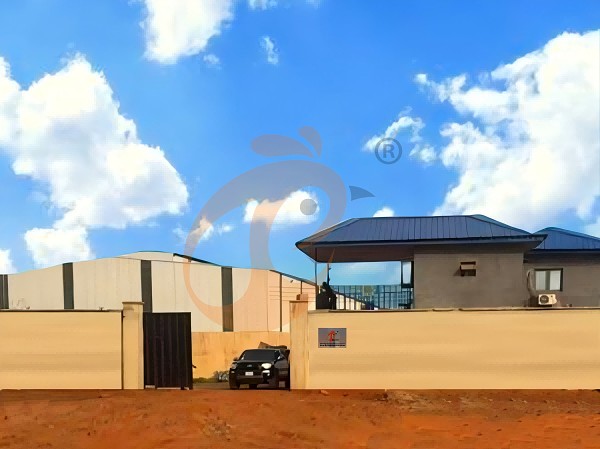
Nigeria Vanke Machinery And Equipment CO., LTD
Tanzania Best Machinery And Equipment CO., LTD
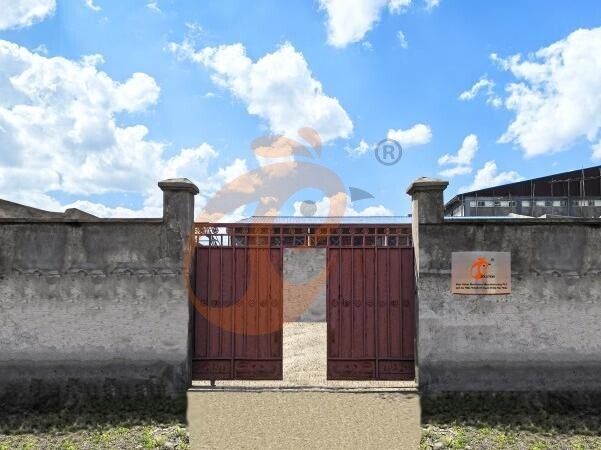
Ethiopia Best Hebei Machinery Manufacturing PLC
Reception /24 WhatsApp NO. : +8618830120193
MESSAGE
Products recommended
 HK Headquarter Offers EU-standard Poultry Farm Solutions, Manufacture Poultry Farm Equipment1. Continuous communication with the EU and the US
2. China, Nigeria, Ethiopia, Tanzania branch companies and factories
3. The products’ quality is customized for local poultry farms
4. Poultry cage and poultry farm equipment stock for sale
5. 24 online reception Whatsapp NO. : +8618830120193,contact us to get full informationRead More China Branch Offer Poultry Farm Business Plan, Manufacture Poultry Farm Equipment1. Address: Flat/RM 2416, 24/F, Runxing Building, Youyi Nan Street, Shijiazhuang City, Hebei Province, China
2. Poultry cage and poultry farm equipment factory and stock for sale
3. Customized for local poultry farms
4. Quality and design are based on Euro
5. 24 online reception Whatsapp NO. : +8618830120193Read More Nigeria Branch Offer Poultry Farm Business Plan, Manufacture Poultry Farm Equipment1. Address: After Sinoma Office, 200 Meters Near Danco Filling Station, Lagos/Ibadan Expressway, Lagos State, Nigeria
2. Poultry cage and poultry farm equipment factory and stock for sale
3. Customized for Nigerian poultry farms
4. Quality and design are based on Euro
5. 24 online reception Whatsapp NO. : +8618830120193Read More Ethiopia Branch Offer Poultry Farm Business Plan, Manufacture Poultry Farm Equipment1. Address: Gelan Gura, Akaki-kaliti Sub City, Addis Ababa, Ethiopia
2. Poultry cage and poultry farm equipment stock for sale
3. Customized for Ethiopian poultry farms
4. Quality and design are based on Euro
5. 24 online reception Whatsapp NO. : +8618830120193, contact us to get price listRead More Tanzania Branch Offer Poultry Farm Business Plan, Manufacture Poultry Farm Equipment1. Address: No.8, Sova Road, Msufini, Mlandizi, Kibaha, Pwani, Tanzania
2. Poultry cage and poultry farm equipment factory and stock for sale
3. Customized for Tanzanian poultry farms
4. Quality and design are based on Euro
5. 24 online reception Whatsapp NO. : +8618830120193Read More Automatic H Type Layer Battery Cage System1. 30,000-100,000+ layers/house chooses it
2. Structure type stacked 3-16 tiers range
3. Stocking density up to 17 birds/cage
4. Service life 25 years
5. Reception /WhatsApp NO. : +8618830120193Read More Automatic A Type Layer Battery Cage System1. 10,000-30,000+ layers/house chooses it
2. Lifespan 25+ years
3. Labor requirement 1 worker per 10,000 birds
4. Reduce disease rates by 15%-20%.
5. Reception /WhatsApp NO. : +8618830120193Read More Semi Automatic A Type Layer Battery Cage System1. 1,00-10,000+ layers/house chooses it
2. Egg breakage rate≤ 0.5%
3. Mesh spacing 2.5×2.5 cm
4. Egg collection floor slope 7–8°
5. Reception /WhatsApp NO. : +8618830120193Read More