Deep litter poultry system setup integrates controlled bedding fermentation, environmental regulation, and structured flock management engineering.
System design supports ammonia reduction, microbial stabilization, and thermal buffering inside poultry housing units.
Material selection influences moisture retention capacity, carbon-nitrogen balance, and long term compost conversion efficiency.
Operational stability depends on ventilation rate, stocking density calibration, and automated feeding synchronization.
Engineering optimization improves feed conversion efficiency, reduces mortality risk, and enhances organic fertilizer output yield.
Get professional poultry farm construction guidance, equipment selection solutions, and the latest price lists, whatsApp to +8618830120193, click to learn more.
Operational Best Practices And Performance Metrics
- Maintain litter temperature between 28–32°c for optimal microbial activity.
- Ensure daily feed intake per bird averages 110–120 g during grower phase.
- Monitor litter ph weekly, target 6.3–6.8 for balanced decomposition.
- Record daily water consumption, approximate 2.5–3 liters per 10 birds, adjust nipple spacing accordingly.
- Rotate litter mechanically at 5–7 cm depth, ensuring oxygen penetration and preventing anaerobic zones.
- Keep stocking density within 12–14 birds/m² to reduce stress and improve fcr.
Evaluate ammonia levels bi-weekly, maintain below 20 ppm to ensure respiratory safety and stable growth performance.
Frequently Asked Questions
Q1: What is the ideal bedding depth for stable system performance?
A1: The recommended operational range is 10–18 cm depending on flock density and ventilation strength.
Proper depth ensures aerobic decomposition and prevents ammonia accumulation inside litter layers.
Q2: How does deep litter improve poultry growth efficiency?
A2: Microbial fermentation generates stable heat and reduces pathogen load in housing environments.
This improves nutrient absorption efficiency and supports consistent body weight gain.
Q3: What is the most critical environmental parameter to control?
A3: Ammonia concentration is the most critical indicator affecting respiratory health and productivity.
Maintaining levels below 20 ppm ensures optimal welfare and production stability.
Taiyu (HK) Group - One Of China Largest Poultry Equipment Manufacturer Supplier
Deep litter poultry system includes complete housing design, automatic feeding lines, and litter fermentation control equipment.
Global factory direct supply ensures stable manufacturing cost and consistent engineering quality standards.
Turn key poultry farm construction services include layout planning, installation, and commissioning support.
Poultry equipment range covers ventilation systems, nipple drinking lines, and automated manure handling solutions.
Export manufacturing capacity supports large-scale commercial poultry project deployment across multiple regions.
Contact Us To Received Your Customized Poultry Farm Plan
Headquarters And Branchs

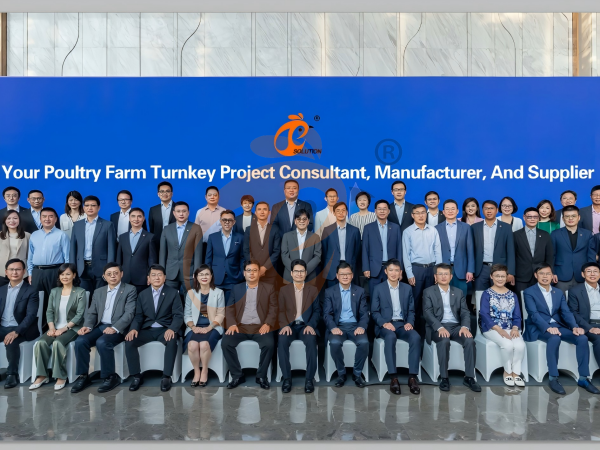
Hong Kong Headquarter Management Team
Hong Kong Headquarter Taiyu Industrial Group CO., LTD
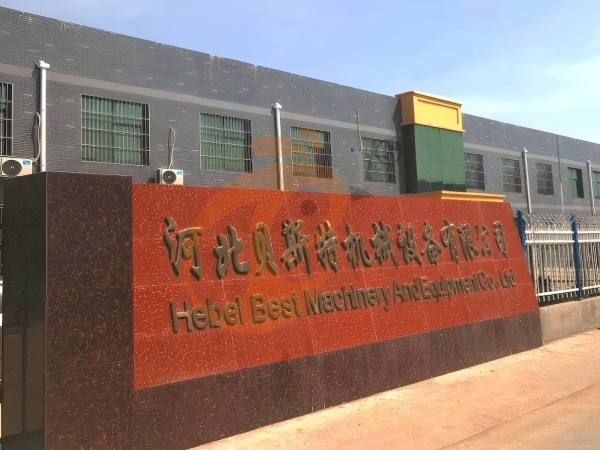
China Hebei Best Machinery And Equipment CO., LTD
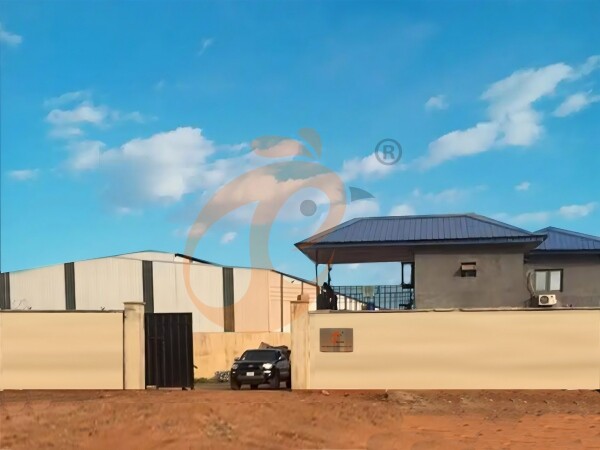
Nigeria Vanke Machinery And Equipment CO., LTD
Tanzania Best Machinery And Equipment CO., LTD
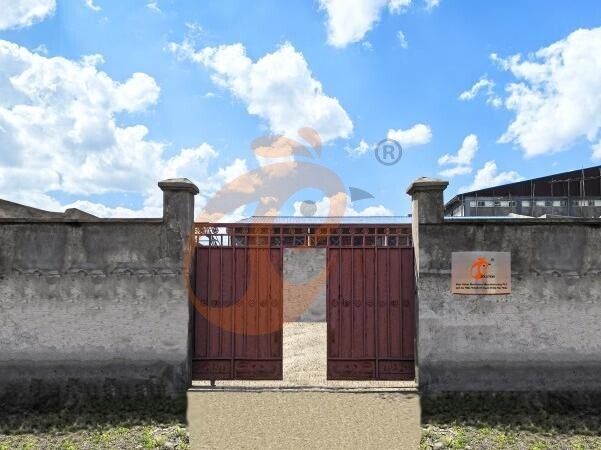
Ethiopia Best Hebei Machinery Manufacturing PLC




Reception /24 WhatsApp NO. : +8618830120193
MESSAGE
Products recommended
 HK Headquarter Offers EU-standard Poultry Farm Solutions, Manufacture Poultry Farm Equipment1. Continuous communication with the EU and the US
2. China, Nigeria, Ethiopia, Tanzania branch companies and factories
3. The products’ quality is customized for local poultry farms
4. Poultry cage and poultry farm equipment stock for sale
5. 24 online reception Whatsapp NO. : +8618830120193,contact us to get full informationRead More China Branch Offer Poultry Farm Business Plan, Manufacture Poultry Farm Equipment1. Address: Flat/RM 2416, 24/F, Runxing Building, Youyi Nan Street, Shijiazhuang City, Hebei Province, China
2. Poultry cage and poultry farm equipment factory and stock for sale
3. Customized for local poultry farms
4. Quality and design are based on Euro
5. 24 online reception Whatsapp NO. : +8618830120193Read More Nigeria Branch Offer Poultry Farm Business Plan, Manufacture Poultry Farm Equipment1. Address: After Sinoma Office, 200 Meters Near Danco Filling Station, Lagos/Ibadan Expressway, Lagos State, Nigeria
2. Poultry cage and poultry farm equipment factory and stock for sale
3. Customized for Nigerian poultry farms
4. Quality and design are based on Euro
5. 24 online reception Whatsapp NO. : +8618830120193Read More Ethiopia Branch Offer Poultry Farm Business Plan, Manufacture Poultry Farm Equipment1. Address: Gelan Gura, Akaki-kaliti Sub City, Addis Ababa, Ethiopia
2. Poultry cage and poultry farm equipment stock for sale
3. Customized for Ethiopian poultry farms
4. Quality and design are based on Euro
5. 24 online reception Whatsapp NO. : +8618830120193, contact us to get price listRead More Tanzania Branch Offer Poultry Farm Business Plan, Manufacture Poultry Farm Equipment1. Address: No.8, Sova Road, Msufini, Mlandizi, Kibaha, Pwani, Tanzania
2. Poultry cage and poultry farm equipment factory and stock for sale
3. Customized for Tanzanian poultry farms
4. Quality and design are based on Euro
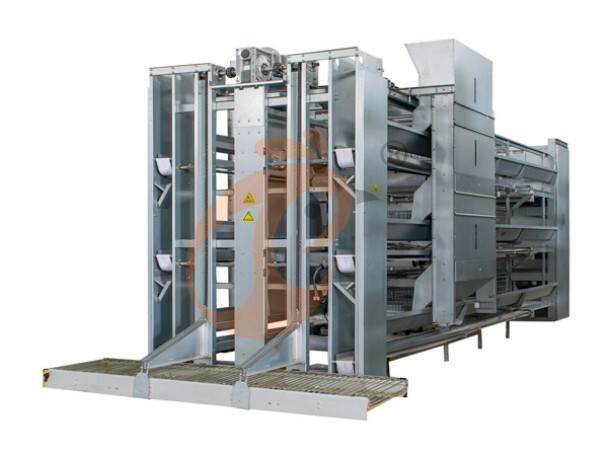
5. 24 online reception Whatsapp NO. : +8618830120193Read More Automatic H Type Layer Battery Cage System1. 30,000-100,000+ layers/house chooses it
2. Structure type stacked 3-16 tiers range
3. Stocking density up to 17 birds/cage
4. Service life 25 years
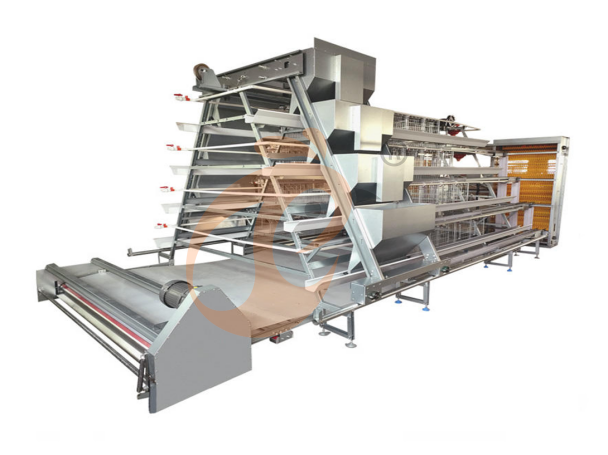
5. Reception /WhatsApp NO. : +8618830120193Read More Automatic A Type Layer Battery Cage System1. 10,000-30,000+ layers/house chooses it
2. Lifespan 25+ years
3. Labor requirement 1 worker per 10,000 birds
4. Reduce disease rates by 15%-20%.
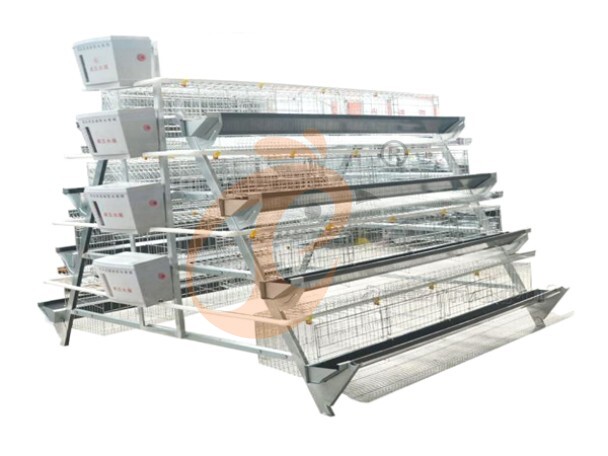
5. Reception /WhatsApp NO. : +8618830120193Read More Semi Automatic A Type Layer Battery Cage System1. 1,00-10,000+ layers/house chooses it
2. Egg breakage rate≤ 0.5%
3. Mesh spacing 2.5×2.5 cm
4. Egg collection floor slope 7–8°
5. Reception /WhatsApp NO. : +8618830120193Read More