Ethiopia poultry farm A type battery cage layer chicken breeding cage
Poultry farming has long been a significant contributor to Ethiopia's agricultural landscape, providing a vital source of meat and egg production. With the growing demand for poultry products, advancements in farming practices and technologies have become paramount
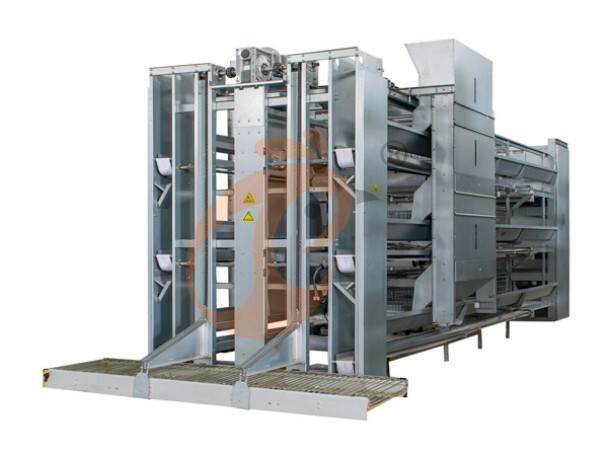
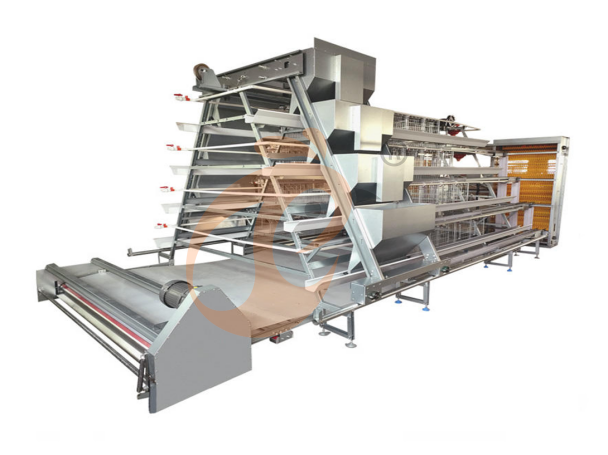
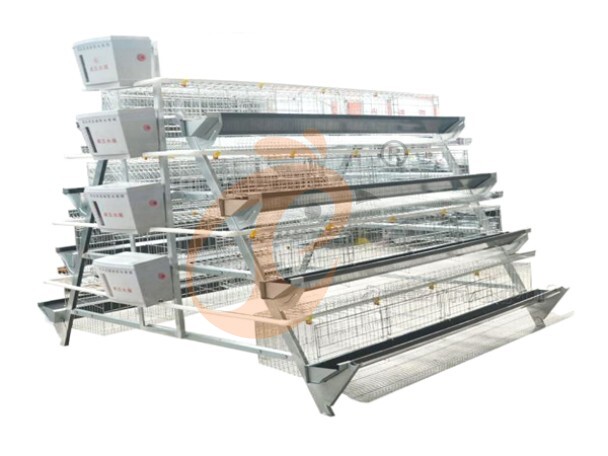
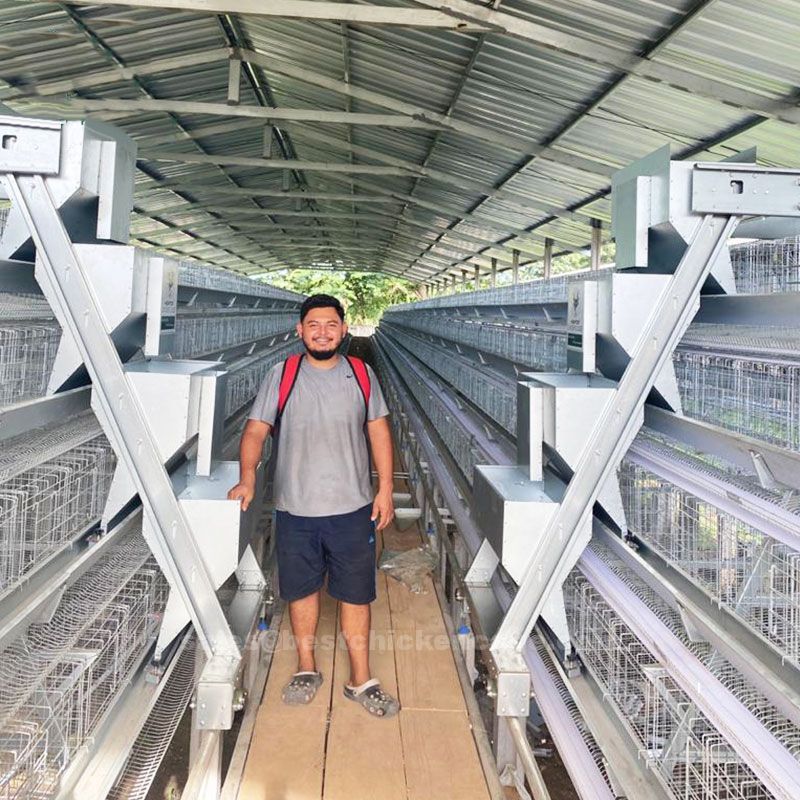
Among these innovations, the A-type battery cage layer chicken breeding cage stands out as a game-changer in the industry. The A-type battery cage layer chicken breeding cage is a specialized housing system tailored for layer chickens, the breed specifically raised for egg production
Designed to optimize space and welfare, this cage system has garnered popularity among poultry farmers seeking a cost-effective and efficient solution. The cages are typically constructed using high-quality galvanized steel to ensure durability and longevity in Ethiopia's diverse climatic conditions. The A-type battery cage system comprises multiple tiers, with each tier housing several compartments for individual layer chickens
These compartments are thoughtfully designed to provide each hen with ample space for nesting, roosting, feeding, and drinking. The cage system's structure allows for easy waste removal, enhancing hygiene and minimizing disease transmission risks. Moreover, the individual compartments offer better disease management, isolating any potential outbreaks, and facilitating targeted treatment if required
Features
1. The vertical tiered structure of the A-type battery cage maximizes space efficiency, enabling farmers to rear a larger number of layer chickens within a limited area
2. Easy waste removal and cleaning mechanisms promote a cleaner and healthier environment, crucial for the overall well-being of the layer chickens
3. The nesting areas in each compartment provide comfortable and secure spaces for hens to lay eggs, facilitating easy egg collection without causing stress to the chickens
4. The feeding troughs are designed to minimize feed wastage, resulting in cost savings and more efficient feed utilization
5. The A-type battery cage system prioritizes the welfare of the layer chickens, providing adequate space, ventilation, and easy access to food and water
6. The organized layout of the cages streamlines daily farming operations, making it easier for farmers to monitor and care for the chickens
Our services leave nothing to desire: poultry feeding systems, poultry equipment, poultry climate control and much more. Take a look and see for yourself
1. Layer chicken rearing system
Your ones stop shop for poultry farming business, fully automated poultry farm equipment is for medium and large chicken farms with 5,000+ birds to 100,000,000+ birds, please feel free to leave message to our website
Importance of A-type battery cage layer chicken breeding cage
1. Increased egg production
The controlled and stress-free environment of the A-type battery cage system promotes consistent egg production, resulting in higher yields and greater revenue for farmers
2. Sustainable farming practices
By optimizing resource utilization and waste management, the cage system contributes to sustainable and responsible poultry farming practices in Ethiopia
3. Higher quality and safety
Eggs collected from the A-type battery cage system are cleaner and less prone to contamination, ensuring a higher-quality product for consumers
4. Economic viability
The efficient space utilization and improved productivity of the cage system lead to higher profits for farmers, driving the economic viability of poultry farming
5. Animal welfare advancements
The cage system's design takes into consideration the well-being of the layer chickens, providing them with a more comfortable and healthier living environment
Maintenance
1. The suitability of the A-type battery cage system depends on the size of the poultry farm and the desired capacity. Smaller farms may opt for manual cage systems, while larger operations might invest in automated versions
2. Adequate ventilation and temperature control are essential for the well-being of layer chickens in Ethiopia's diverse climate zones
3. Strict biosecurity measures must be implemented to prevent disease outbreaks, including regular cleaning and disinfection of the cages and equipment
4. It is essential to source the A-type battery cage system from reputable suppliers to ensure the quality and longevity of the equipment
Our services
1. Our team of poultry farming experts provides professional consultation services to guide farmers in choosing the right A-type battery cage system based on their farm's needs and capacity
2. We offer customized cage solutions tailored to individual farm requirements, ensuring optimal space utilization and animal welfare
3. Our experienced team provides on-site installation support, ensuring proper setup and functionality of the A-type battery cage system
4. We offer comprehensive training and education programs for farmers and farm workers on cage management and poultry care to ensure successful cage operations
5. Our services extend beyond installation, as we provide ongoing maintenance and support to ensure the continued efficiency of the cage system
6. We conduct farm evaluations to assess the suitability of the A-type battery cage system for a particular poultry farm, providing valuable insights for farmers
Frequently asked questions
Q: What is the benefit of using the A-type battery cage system for layer chickens?
A: The A-type battery cage system optimizes space, promotes better hygiene, enhances egg collection, and prioritizes the welfare of layer chickens, leading to increased egg production and higher economic viability
Q: Is the cage system suitable for small-scale poultry farms?
A: Yes, the A-type battery cage system can be customized to fit the needs and capacity of small-scale poultry farms, offering efficient space utilization and improved productivity
Q: How often should the cage system be cleaned?
A: Regular cleaning and waste removal are essential to maintain hygiene and prevent disease outbreaks. Cleaning schedules may vary based on farm conditions, but it is generally recommended to clean the cages at least once a week
MESSAGE
Products recommended
 HK Headquarter Offers EU-standard Poultry Farm Solutions, Manufacture Poultry Farm Equipment1. Continuous communication with the EU and the US
2. China, Nigeria, Ethiopia, Tanzania branch companies and factories
3. The products’ quality is customized for local poultry farms
4. Poultry cage and poultry farm equipment stock for sale
5. 24 online reception Whatsapp NO. : +8618830120193,contact us to get full informationRead More China Branch Offer Poultry Farm Business Plan, Manufacture Poultry Farm Equipment1. Address: Flat/RM 2416, 24/F, Runxing Building, Youyi Nan Street, Shijiazhuang City, Hebei Province, China
2. Poultry cage and poultry farm equipment factory and stock for sale
3. Customized for local poultry farms
4. Quality and design are based on Euro
5. 24 online reception Whatsapp NO. : +8618830120193Read More Nigeria Branch Offer Poultry Farm Business Plan, Manufacture Poultry Farm Equipment1. Address: After Sinoma Office, 200 Meters Near Danco Filling Station, Lagos/Ibadan Expressway, Lagos State, Nigeria
2. Poultry cage and poultry farm equipment factory and stock for sale
3. Customized for Nigerian poultry farms
4. Quality and design are based on Euro
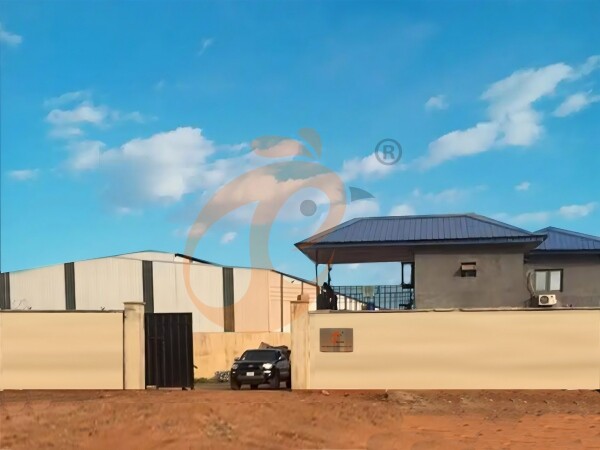
5. 24 online reception Whatsapp NO. : +8618830120193Read More Ethiopia Branch Offer Poultry Farm Business Plan, Manufacture Poultry Farm Equipment1. Address: Gelan Gura, Akaki-kaliti Sub City, Addis Ababa, Ethiopia
2. Poultry cage and poultry farm equipment stock for sale
3. Customized for Ethiopian poultry farms
4. Quality and design are based on Euro
5. 24 online reception Whatsapp NO. : +8618830120193, contact us to get price listRead More Tanzania Branch Offer Poultry Farm Business Plan, Manufacture Poultry Farm Equipment1. Address: No.8, Sova Road, Msufini, Mlandizi, Kibaha, Pwani, Tanzania
2. Poultry cage and poultry farm equipment factory and stock for sale
3. Customized for Tanzanian poultry farms
4. Quality and design are based on Euro
5. 24 online reception Whatsapp NO. : +8618830120193Read More Automatic H Type Layer Battery Cage System1. 30,000-100,000+ layers/house chooses it
2. Structure type stacked 3-16 tiers range
3. Stocking density up to 17 birds/cage
4. Service life 25 years
5. Reception /WhatsApp NO. : +8618830120193Read More Automatic A Type Layer Battery Cage System1. 10,000-30,000+ layers/house chooses it
2. Lifespan 25+ years
3. Labor requirement 1 worker per 10,000 birds
4. Reduce disease rates by 15%-20%.
5. Reception /WhatsApp NO. : +8618830120193Read More Semi Automatic A Type Layer Battery Cage System1. 1,00-10,000+ layers/house chooses it
2. Egg breakage rate≤ 0.5%
3. Mesh spacing 2.5×2.5 cm
4. Egg collection floor slope 7–8°
5. Reception /WhatsApp NO. : +8618830120193Read More