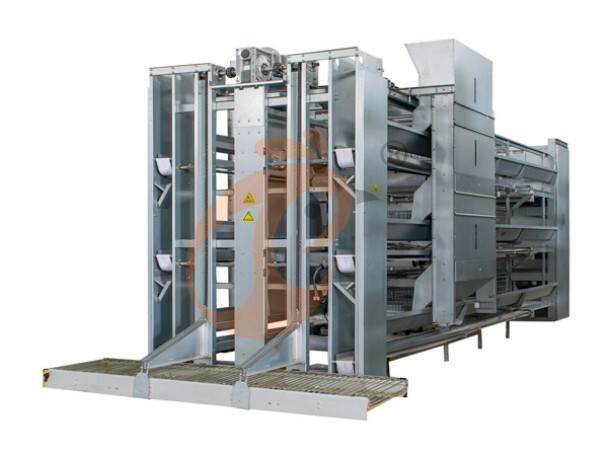
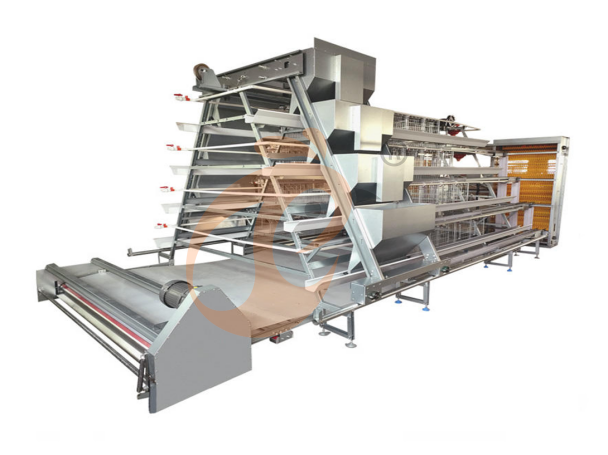
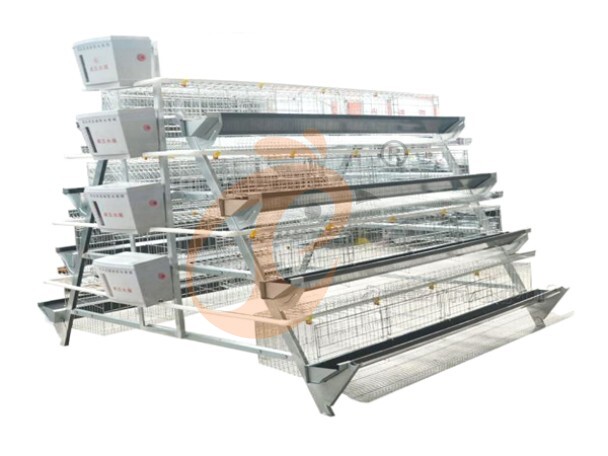
A type battery cage system supports efficient layer production through coordinated cage, feeding, and management equipment, with layouts commonly reaching 3–4 tiers.
Automatic chicken feeding system options can reduce routine labor by around 50–70% when properly matched to flock size and house design.
Chain feeding system configurations provide consistent feed movement across long rows, with practical conveying speeds around 18–36 m/min.
Auger, trolley, trough, and pan solutions address different automation levels, house lengths, and investment priorities for commercial farms.
Equipment compatibility, maintenance access, drive capacity, and expansion planning determine long-term value, making project-specific engineering essential for dependable production today.
Get professional poultry farm construction guidance, equipment selection solutions, and the latest price lists, whatsApp to +8618830120193, click to learn more:
Five Feeding Choices At A Glance
Data is for reference only.Swipe horizontally to view full table.
Choice #1 — Chain Feeding: The Commercial Workhorse
A type battery cage system + chain feeding system = efficient row coverage.
Continuous chain movement distributes feed through cage troughs, while a typical drive arrangement can operate around 18–36 m/min.
Commercial buyers often prioritize stable transmission, with chain service intervals commonly planned around 6–12 months according to operating intensity.
Uniform delivery also supports consistent bird access, while automatic cycling can reduce operator involvement to roughly 1–2 routine checks daily.
Chain Feeding System: Key Equipment Configuration
Data is for reference only.Swipe horizontally to view full table.
An A type battery cage system requires coordinated components rather than isolated feeder parts.
Motor selection, chain construction, and corner-unit alignment affect operating stability, while installation tolerance can commonly be controlled within several millimeters.
A professionally configured automatic chicken feeding system also simplifies maintenance through accessible drive assemblies and standardized replacement components.
Choice #2 — Automatic Trough Feeding: Simple And Scalable
For projects prioritizing straightforward automation, an automatic chicken feeding system creates a clean operational sequence.
Feed moves through designated troughs, allowing multiple cage rows to receive supply without repeated manual carrying.
A properly sized A type battery cage system can support scheduled feeding cycles, with control intervals commonly programmed around 2–6 cycles per day.
The arrangement is particularly practical where labor availability is restricted and predictable feeding routines are commercially important.
Automatic Trough System: What Should Buyers Compare?
Data is for reference only.Swipe horizontally to view full table.
For an A type battery cage system, purchasing decisions should consider equipment life rather than quotation value alone.
Motor construction, transmission quality, and trough material influence ownership performance, while corrosion resistance can become especially important under continuous operation.
An automatic chicken feeding system backed by spare-parts support can shorten maintenance downtime and simplify long-term project management.
Choice #3 — Hopper + Feed Trolley: Flexible For Growing Farms
Small and medium farms can use a feed trolley strategy before moving toward complete automation.
A hopper stores feed while the trolley transports supply along A type battery cage system rows.
Compared with manual carrying, the arrangement reduces physical handling, while practical trolley capacities can commonly range around 100–300 kg.
For farms planning gradual upgrades, the approach provides a controlled route toward an automatic chicken feeding system without requiring maximum automation at the initial stage.
Hopper + Trolley: Investment Comparison
Data is for reference only.Swipe horizontally to view full table.
An A type battery cage system can therefore be paired with different automation stages according to project economics.
Trolley capacity, route distance, and refill frequency should be calculated before purchase, with daily handling demand varying substantially by flock size.
For farms expanding toward an automatic chicken feeding system, modular equipment can provide a practical transition path.
Choice #4 — Auger Feeding: Built For Large-Scale Automation
Large projects benefit from centralized feed conveying.
An auger feeding system transfers feed through enclosed pipes from storage toward cage feeding points.
When integrated with an A type battery cage system, the layout can connect storage, conveying, and distribution into one controlled workflow.
For long houses, conveying capacity and pipe routing become critical, with motor selection often based on conveying distance, feed volume, and operating frequency.
The resulting sequence—store → convey → distribute → monitor—supports a more centralized automatic chicken feeding system.
Auger System: Project Design Checklist
Data is for reference only.Swipe horizontally to view full table.
A project-specific A type battery cage system should be calculated together with auger capacity, storage volume, and cage-row arrangement.
Feed demand, conveying distance, and motor loading should be verified before installation, preventing undersized equipment from restricting production.
Professional engineering can coordinate the automatic chicken feeding system with house dimensions and future expansion requirements.
Choice #5 — Pan Feeding: When Precision Matters
Pan feeding becomes relevant when controlled feed access is the primary design objective.
A pan feeding system delivers feed to defined points, offering a structured alternative for selected cage configurations.
Compatibility with an A type battery cage system should be confirmed before procurement, particularly around feeder positioning and bird access.
Installation clearance, feed quantity, and maintenance access should be reviewed during layout planning, while specialized configurations may require additional
engineering.
Final Selection: Match The Feeder To Your Farm
Data is for reference only.Swipe horizontally to view full table.
The best A type battery cage system feeding configuration depends on flock capacity, house dimensions, automation targets, and operating priorities.
A chain feeding system is strong for long commercial rows, while an automatic chicken feeding system can provide broader centralized control.
Equipment compatibility, maintenance access, and expansion planning should remain part of the technical specification rather than being treated as after-sales considerations.
A coordinated supply package also simplifies installation because cage structures, feeding equipment, drive units, and controls are engineered around one project layout.
Frequently Asked Questions
Q1: What feeding system works best with an A type battery cage system?
Chain feeding system is a strong commercial choice for medium and large layer houses, especially where long rows and uniform distribution are required.
Q2: Can an A type battery cage system use an automatic feeding solution?
Yes.
An automatic chicken feeding system can be configured with trough, chain, or auger equipment, with feeding cycles commonly scheduled 2–6 times daily.
Q3: How should a farmer choose between chain and auger feeding?
Chain feeding system is generally suitable for direct row distribution, while auger conveying is useful when feed must travel from centralized storage across longer distances.
Taiyu (HK) Group - One Of China Toppest A Type Battery Cage System Manufacturer
A type battery cage system integrates multi-tier cage structure with coordinated feeding equipment, with typical configurations reaching 3–4 tiers and commercial row layouts exceeding 50 m.
Global factory-direct supply covers complete poultry equipment packages, with equipment selection based on flock capacity, house dimensions, and automation requirements.
Turn-key engineering connects cage systems, automatic chicken feeding system components, control units, and supporting poultry equipment into one coordinated project specification.
Project delivery supports farm scenarios from medium layer houses to large commercial facilities, with technical configuration based on conveying distance, motor capacity, and installation layout.
Factory engineering, production, installation guidance, and after-sales support provide an integrated supply structure for international poultry equipment projects.
Contact Us To Received Your Customized Poultry Farm Plan
Headquarters And Branchs
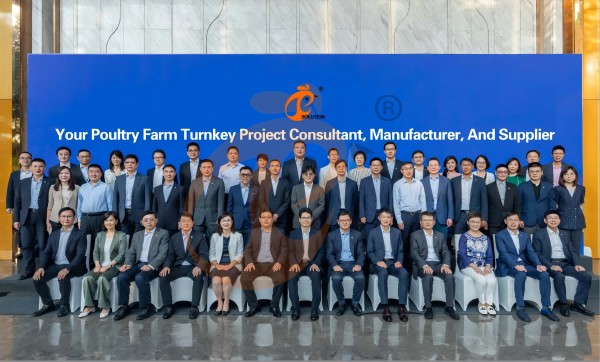
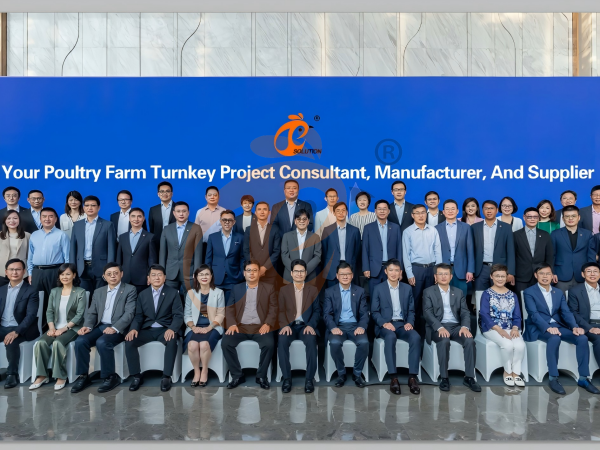
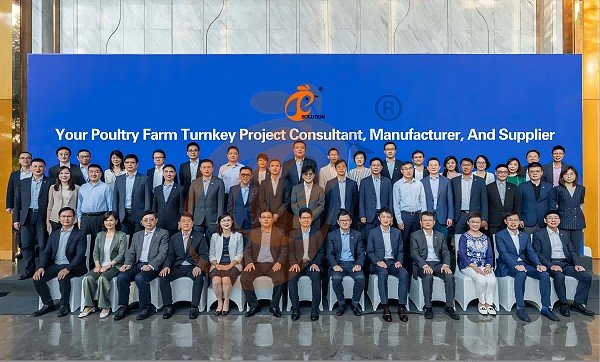
Hong Kong Headquarter Management Team
Hong Kong Headquarter Taiyu Industrial Group CO., LTD
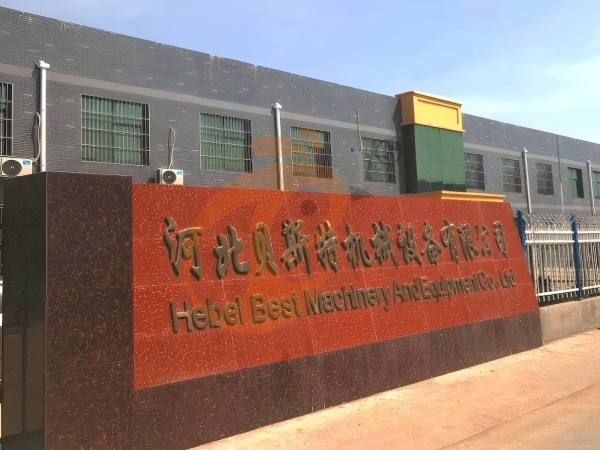
China Hebei Best Machinery And Equipment CO., LTD
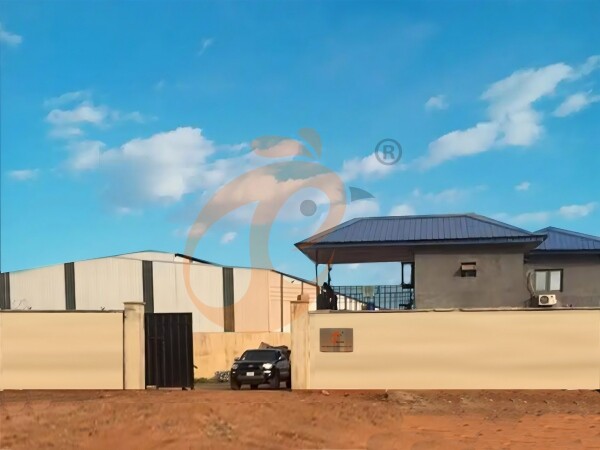
Nigeria Vanke Machinery And Equipment CO., LTD
Tanzania Best Machinery And Equipment CO., LTD
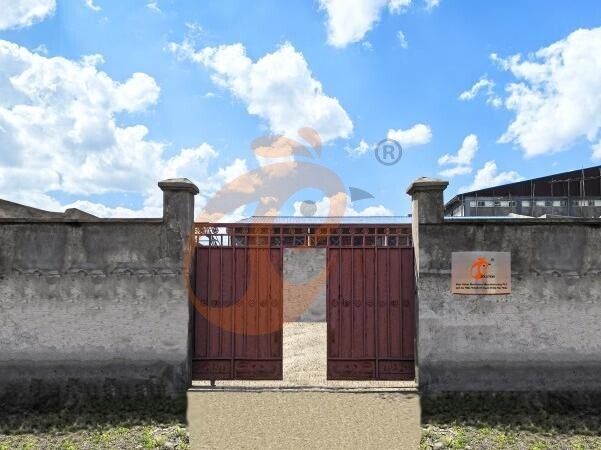
Ethiopia Best Hebei Machinery Manufacturing PLC
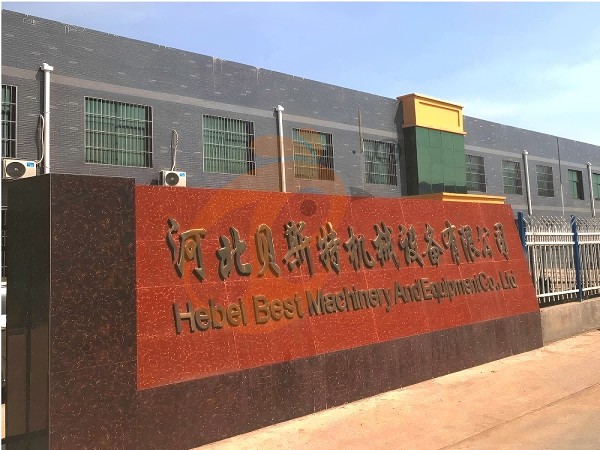
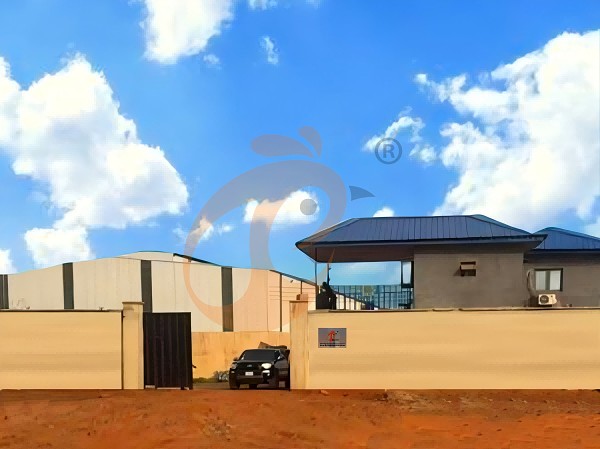
Reception /24 WhatsApp NO. : +8618830120193
MESSAGE
Products recommended
 HK Headquarter Offers EU-standard Poultry Farm Solutions, Manufacture Poultry Farm Equipment1. Continuous communication with the EU and the US
2. China, Nigeria, Ethiopia, Tanzania branch companies and factories
3. The products’ quality is customized for local poultry farms
4. Poultry cage and poultry farm equipment stock for sale
5. 24 online reception Whatsapp NO. : +8618830120193,contact us to get full informationRead More China Branch Offer Poultry Farm Business Plan, Manufacture Poultry Farm Equipment1. Address: Flat/RM 2416, 24/F, Runxing Building, Youyi Nan Street, Shijiazhuang City, Hebei Province, China
2. Poultry cage and poultry farm equipment factory and stock for sale
3. Customized for local poultry farms
4. Quality and design are based on Euro
5. 24 online reception Whatsapp NO. : +8618830120193Read More Nigeria Branch Offer Poultry Farm Business Plan, Manufacture Poultry Farm Equipment1. Address: After Sinoma Office, 200 Meters Near Danco Filling Station, Lagos/Ibadan Expressway, Lagos State, Nigeria
2. Poultry cage and poultry farm equipment factory and stock for sale
3. Customized for Nigerian poultry farms
4. Quality and design are based on Euro
5. 24 online reception Whatsapp NO. : +8618830120193Read More Ethiopia Branch Offer Poultry Farm Business Plan, Manufacture Poultry Farm Equipment1. Address: Gelan Gura, Akaki-kaliti Sub City, Addis Ababa, Ethiopia
2. Poultry cage and poultry farm equipment stock for sale
3. Customized for Ethiopian poultry farms
4. Quality and design are based on Euro
5. 24 online reception Whatsapp NO. : +8618830120193, contact us to get price listRead More Tanzania Branch Offer Poultry Farm Business Plan, Manufacture Poultry Farm Equipment1. Address: No.8, Sova Road, Msufini, Mlandizi, Kibaha, Pwani, Tanzania
2. Poultry cage and poultry farm equipment factory and stock for sale
3. Customized for Tanzanian poultry farms
4. Quality and design are based on Euro
5. 24 online reception Whatsapp NO. : +8618830120193Read More Automatic H Type Layer Battery Cage System1. 30,000-100,000+ layers/house chooses it
2. Structure type stacked 3-16 tiers range
3. Stocking density up to 17 birds/cage
4. Service life 25 years
5. Reception /WhatsApp NO. : +8618830120193Read More Automatic A Type Layer Battery Cage System1. 10,000-30,000+ layers/house chooses it
2. Lifespan 25+ years
3. Labor requirement 1 worker per 10,000 birds
4. Reduce disease rates by 15%-20%.
5. Reception /WhatsApp NO. : +8618830120193Read More Semi Automatic A Type Layer Battery Cage System1. 1,00-10,000+ layers/house chooses it
2. Egg breakage rate≤ 0.5%
3. Mesh spacing 2.5×2.5 cm
4. Egg collection floor slope 7–8°
5. Reception /WhatsApp NO. : +8618830120193Read More