Free range poultry farming system is a structured poultry production system integrating indoor housing and outdoor range access for commercial poultry output optimization.
System design emphasizes stocking density control, biosecure movement pathways, and automated feeding regulation for production stability.
Outdoor access improves behavioral expression including foraging, locomotion, and dust bathing under managed environmental exposure conditions.
Production systems align with egg and meat market supply chains requiring welfare-based certification and traceable farm operations.
Engineering parameters determine productivity balance between land utilization efficiency, mortality control, and feed conversion performance.
Get professional poultry farm construction guidance, equipment selection solutions, and the latest price lists, whatsApp to +8618830120193, click to learn more.
Core Structure Of Free Range Poultry Farming System
A modern free range chicken farming guide typically starts with dual-zone housing design combining indoor safety control and outdoor grazing management.
Data is for reference only. Swipe horizontally to view full table.
Indoor outdoor transition scheduling is synchronized with feeding cycles and light control systems to stabilize flock movement patterns.
Standard Farm Capacity Design
Large scale commercial free range poultry production depends on modular expansion systems that standardize infrastructure and biological performance across different flock sizes.
Data is for reference only. Swipe horizontally to view full table.
Capacity scaling maintains identical management protocols across expansion stages to prevent performance variation between units.
Feeding System Composition And Nutrient Distribution
Feed formulation integrates industrial nutrition blending with environmental nutrient supplementation derived from pasture ecosystems and insect intake.
Data is for reference only. Swipe horizontally to view full table.
Nutrient balancing adjusts dynamically according to metabolic demand across growth and laying phases.
Egg Production Performance Data
Production efficiency differences between free range and cage systems reflect trade-offs between behavioral freedom and industrial density optimization.
Data is for reference only. Swipe horizontally to view full table.
Performance variation is directly linked to movement energy expenditure and environmental stimulation levels.
Bird Welfare Behavior Index
Behavioral frequency measurement reflects environmental complexity exposure and space driven activity expansion in open-range poultry systems.
Data is for reference only. Swipe horizontally to view full table.
Higher activity density indicates increased energy expenditure linked to natural ecosystem interaction patterns.
Disease Control And Biosecurity Structure
Biosecurity engineering focuses on pathogen entry limitation through physical barriers, chemical sterilization, and environmental rotation strategies.
Data is for reference only. Swipe horizontally to view full table.
Layered protection architecture reduces cross-contamination between external ecosystem and controlled poultry zones.
Space Utilization And Land Efficiency
Land distribution modeling determines long-term scalability efficiency and nutrient cycling capacity in free range poultry farming systems.
Data is for reference only. Swipe horizontally to view full table.
Spatial allocation consistency supports predictable infrastructure planning across different production capacities.
Mortality Rate And Survival Statistics
Lifecycle mortality distribution is influenced by environmental exposure intensity and management precision during different growth phases.
Data is for reference only. Swipe horizontally to view full table.
Mortality clustering concentrates in early and late production phases due to physiological vulnerability.
Egg Quality Parameters In Market Production
Egg structural integrity and internal quality indicators are influenced by nutritional diversity and movement-based metabolic activity.
Data is for reference only. Swipe horizontally to view full table.
Improved shell mineralization is associated with higher calcium uptake from mixed dietary sources.
Environmental Impact And Waste Distribution
Manure dispersion behavior is significantly altered by open range movement patterns compared with confined production systems.
Data is for reference only. Swipe horizontally to view full table.
Spatial manure distribution improves soil nutrient recycling efficiency under rotational pasture management systems.
Feeding Efficiency And Cost Structure
Operational expenditure distribution reflects feed-driven cost dominance within commercial poultry production economics.
Data is for reference only. Swipe horizontally to view full table.
Feed conversion efficiency directly determines profitability thresholds in large scale production environments.
Climate Influence On Production Performance
Temperature and humidity directly regulate physiological output and feed intake efficiency in poultry production systems.
Optimal performance zone remains between 18°c and 24°c under controlled ventilation conditions.
Heat stress above 30°c reduces feed intake by 8%–12% affecting egg formation cycles.
Humidity above 75% increases pathogen survival probability in outdoor environments.
Environmental stabilization systems mitigate climatic volatility impact on production consistency.
Free Range Egg Market Pricing Structure
Egg pricing reflects certification level, production method intensity, and traceability compliance requirements across supply chains.
Data is for reference only. Swipe horizontally to view full table.
European union standard reference only.
Premium pricing structure correlates with welfare certification and production transparency systems.
Technology Integration In Modern Free Range Farms
Automation and digital monitoring systems enhance production precision and reduce dependency on manual labor operations.
Data is for reference only. Swipe horizontally to view full table.
Data-driven control architecture improves operational stability and reduces environmental risk variability.
Frequently Asked Questions
Q1: What defines free range poultry farming system structure?
A1: The free range poultry farming system integrates controlled indoor housing with outdoor access fields designed for commercial egg and meat production.
Bird movement cycles are synchronized with feeding and lighting systems for operational stability.
System engineering ensures welfare compliance and productivity balance under commercial conditions.
Q2: How does outdoor access influence egg production efficiency?
A2: Outdoor movement increases energy expenditure which reduces laying rate compared with cage systems.
However nutrient diversity from pasture intake improves egg quality indicators such as shell strength and yolk pigmentation.
Production systems balance efficiency loss with higher market value output.
Q3: Why is biosecurity engineering critical in free range farming?
A3: Outdoor environments increase exposure to wild birds, soil organisms, and waterborne pathogens.
Multi-layer protection systems including fencing, sterilization, and rotation reduce infection probability.
Biosecurity structure stabilizes mortality rate and ensures consistent production cycles.
Taiyu (HK) Group - One Of China Biggest Free Range Poultry Farming Equipment Manufacturer
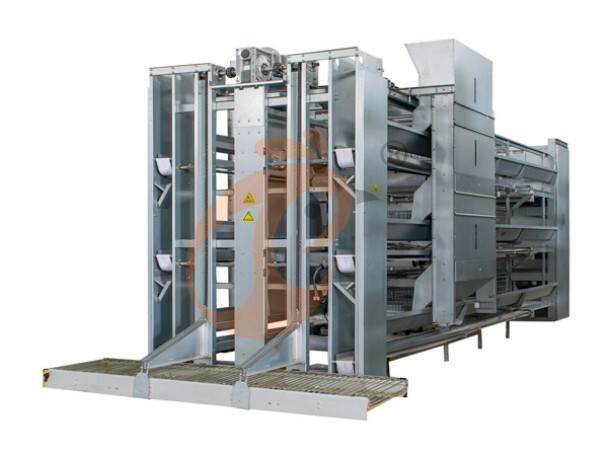
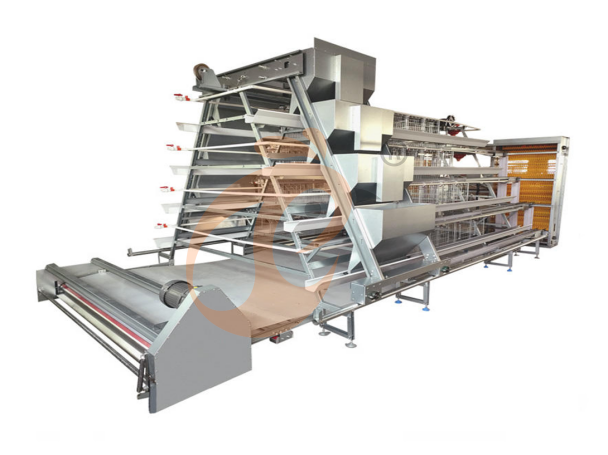
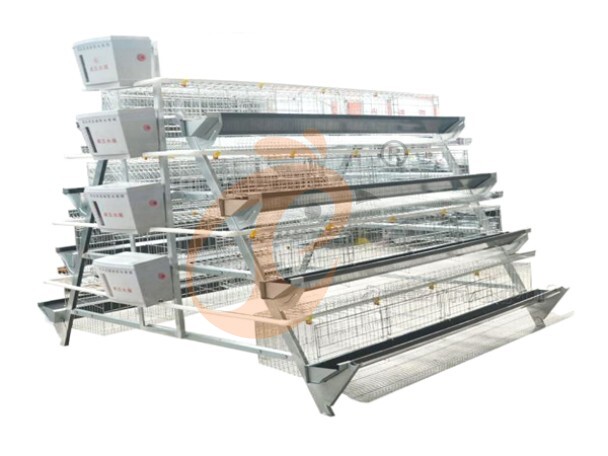
Free range poultry farming equipment integrates automated feeding systems, cage structures, and environmental control engineering for industrial production farms.
Global factory direct supply supports turnkey poultry project design, installation, and operational system integration services.
Advanced poultry cage and housing systems improve flock management efficiency under large-scale commercial production environments.
Engineering customization supports egg production farms, broiler systems, and automated poultry facility construction worldwide.
Industrial export network delivers standardized poultry equipment solutions for global agricultural infrastructure development projects.
Contact Us To Received Your Customized Poultry Farm Plan
Headquarters And Branchs

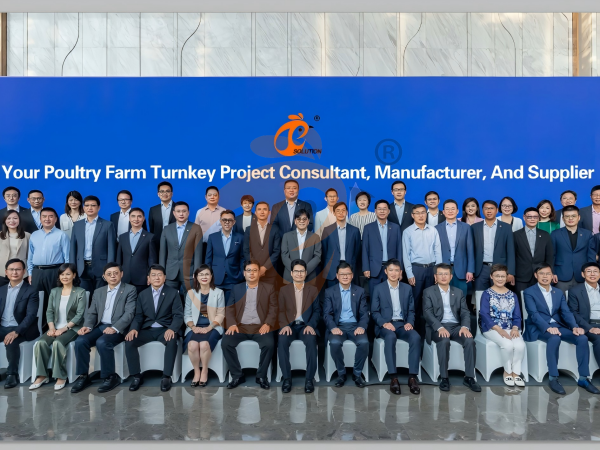
Hong Kong Headquarter Management Team
Hong Kong Headquarter Taiyu Industrial Group CO., LTD
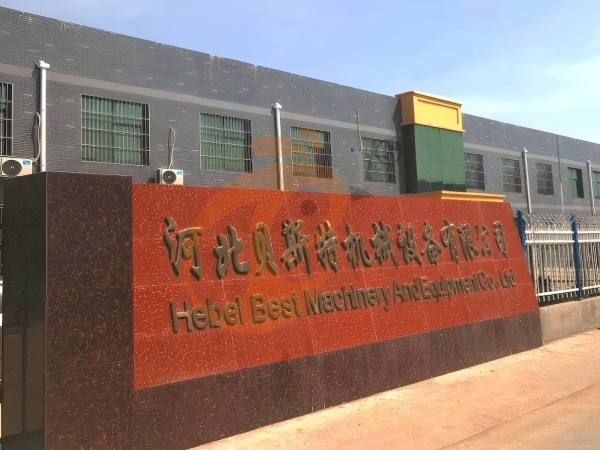
China Hebei Best Machinery And Equipment CO., LTD
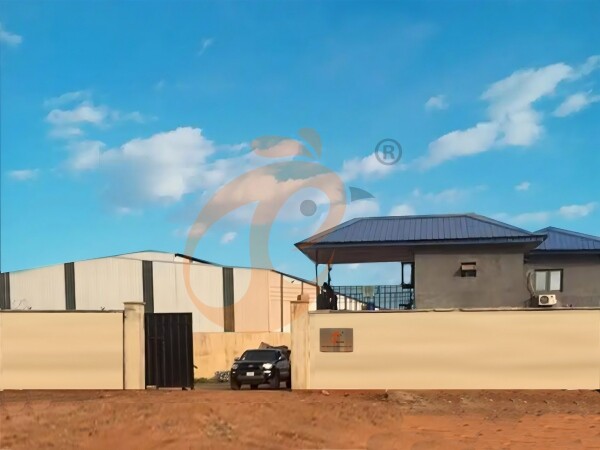
Nigeria Vanke Machinery And Equipment CO., LTD
Tanzania Best Machinery And Equipment CO., LTD
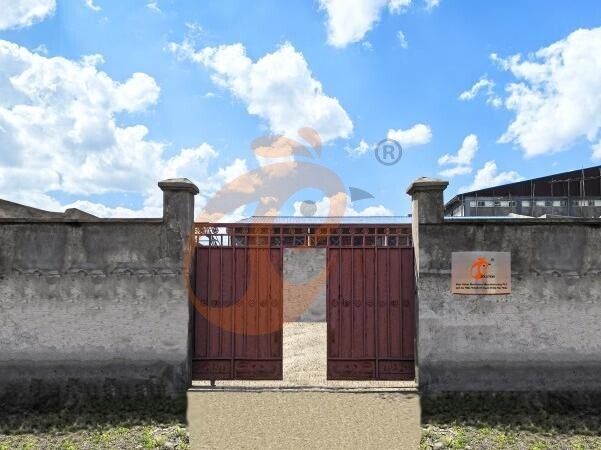
Ethiopia Best Hebei Machinery Manufacturing PLC




Reception /24 WhatsApp NO. : +8618830120193
MESSAGE
Products recommended
 HK Headquarter Offers EU-standard Poultry Farm Solutions, Manufacture Poultry Farm Equipment1. Continuous communication with the EU and the US
2. China, Nigeria, Ethiopia, Tanzania branch companies and factories
3. The products’ quality is customized for local poultry farms
4. Poultry cage and poultry farm equipment stock for sale
5. 24 online reception Whatsapp NO. : +8618830120193,contact us to get full informationRead More China Branch Offer Poultry Farm Business Plan, Manufacture Poultry Farm Equipment1. Address: Flat/RM 2416, 24/F, Runxing Building, Youyi Nan Street, Shijiazhuang City, Hebei Province, China
2. Poultry cage and poultry farm equipment factory and stock for sale
3. Customized for local poultry farms
4. Quality and design are based on Euro
5. 24 online reception Whatsapp NO. : +8618830120193Read More Nigeria Branch Offer Poultry Farm Business Plan, Manufacture Poultry Farm Equipment1. Address: After Sinoma Office, 200 Meters Near Danco Filling Station, Lagos/Ibadan Expressway, Lagos State, Nigeria
2. Poultry cage and poultry farm equipment factory and stock for sale
3. Customized for Nigerian poultry farms
4. Quality and design are based on Euro
5. 24 online reception Whatsapp NO. : +8618830120193Read More Ethiopia Branch Offer Poultry Farm Business Plan, Manufacture Poultry Farm Equipment1. Address: Gelan Gura, Akaki-kaliti Sub City, Addis Ababa, Ethiopia
2. Poultry cage and poultry farm equipment stock for sale
3. Customized for Ethiopian poultry farms
4. Quality and design are based on Euro
5. 24 online reception Whatsapp NO. : +8618830120193, contact us to get price listRead More Tanzania Branch Offer Poultry Farm Business Plan, Manufacture Poultry Farm Equipment1. Address: No.8, Sova Road, Msufini, Mlandizi, Kibaha, Pwani, Tanzania
2. Poultry cage and poultry farm equipment factory and stock for sale
3. Customized for Tanzanian poultry farms
4. Quality and design are based on Euro
5. 24 online reception Whatsapp NO. : +8618830120193Read More Automatic H Type Layer Battery Cage System1. 30,000-100,000+ layers/house chooses it
2. Structure type stacked 3-16 tiers range
3. Stocking density up to 17 birds/cage
4. Service life 25 years
5. Reception /WhatsApp NO. : +8618830120193Read More Automatic A Type Layer Battery Cage System1. 10,000-30,000+ layers/house chooses it
2. Lifespan 25+ years
3. Labor requirement 1 worker per 10,000 birds
4. Reduce disease rates by 15%-20%.
5. Reception /WhatsApp NO. : +8618830120193Read More Semi Automatic A Type Layer Battery Cage System1. 1,00-10,000+ layers/house chooses it
2. Egg breakage rate≤ 0.5%
3. Mesh spacing 2.5×2.5 cm
4. Egg collection floor slope 7–8°
5. Reception /WhatsApp NO. : +8618830120193Read More