Ethiopia poultry farm is experiencing rapid growth, attracting new investors and entrepreneurs.
The market in 2025 is projected to grow at a CAGR of 12.55%, driven by rising middle-class income.
Modern technology adoption ensures higher feed efficiency, better biosecurity, and scalable operations.
Local realities like electricity fluctuations, feed costs, and climate variability require careful planning.
Smart systems help beginners track production, reduce losses, and improve ROI effectively.
Understanding hybrid power, IoT, and digital management can set your farm apart from competitors.
Choosing proper cages, feeders, and ventilation ensures bird welfare and regulatory compliance.
Long-term profitability depends on balancing automation investment with maintenance and labor costs.
Get professional poultry farm construction guidance, equipment selection solutions, and the latest price lists, whatsApp to +8618830120193, click to learn more:

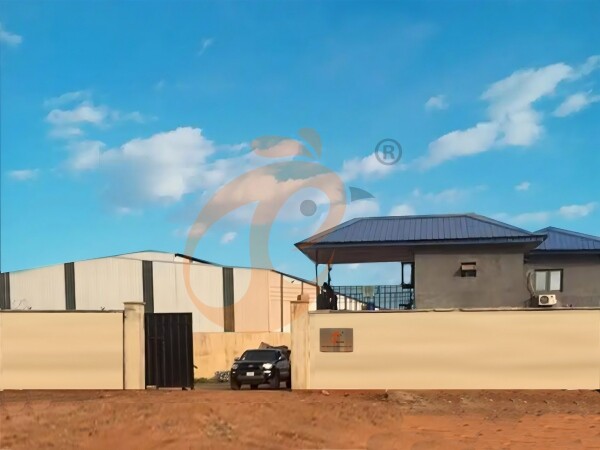
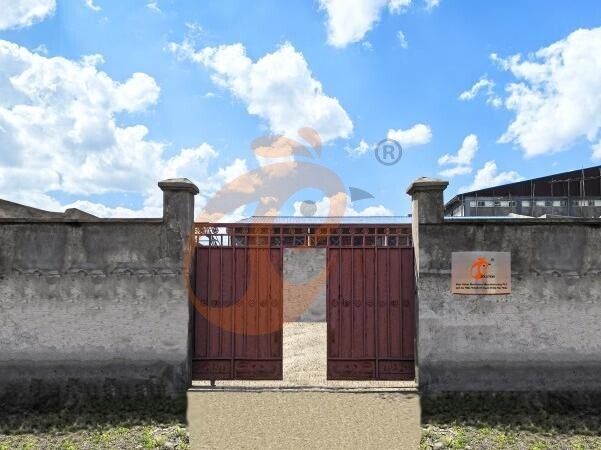
Ethiopia Branch Office And Factory Of Poultry Farm Equipment
Prioritize Feed Efficiency With Precision Systems
For beginners, Ethiopia poultry farm owners can reduce waste with automated feeding systems that prevent ''beak-out'' loss and guarantee uniform nutrition.
Precision feeding supports both layers and broilers, ensuring consistent growth rates.
Data is for reference only.Swipe horizontally to view full table.
According to recent Ethiopian agricultural data, farms using connected feeders reduced feed wastage by 15–20% within the first production cycle.
Choose Housing Based On Scalability And Tiers
Ethiopia poultry farm regulations such as livestock standard 2018 set minimum floor space for welfare.
Choosing between A-type small-scale cages or H-type high-density cages depends on your farm size and future expansion goals.
Data is for reference only.Swipe horizontally to view full table.
IoT-enabled environmental sensors allow farmers to monitor humidity, temperature, and ammonia levels across multiple tiers.
Ethiopia poultry farm operators who adopt these systems report up to 12% higher egg yield for hybrid layers.
Master Environmental Controls For Ethiopian Altitudes
Ethiopia poultry farm performance depends on ventilation and temperature control.
The highlands around Addis Ababa require careful heating in winter, while lowland regions need evaporative cooling.
Proper air exchange keeps ammonia below 10 ppm and temperature at 20–24°C.
Data is for reference only.Swipe horizontally to view full table.
Smart ventilation integrated with IoT alerts farmers of any deviations, reducing losses during heat waves or cold snaps.
Farms using digital climate control recorded 5–8% lower mortality during critical growth stages.
Address Power Reliability With Hybrid Solutions
Hybrid systems including solar, battery, and gas backup improve farm resilience.
Ethiopia Poultry Farm investors benefit from using combined energy sources to maintain constant brooding temperatures.
Data is for reference only.Swipe horizontally to view full table.
IoT-enabled temperature sensors combined with solar hybrid systems ensure Ethiopia poultry farm owners never experience sudden heat drops, increasing chick survival rate by 10–15%.
Select Cages Based On Durability And Welfare
Hot-dip galvanized cages with proper wire gauge prevent corrosion.
Ethiopia Poultry Farm operators who invest in quality equipment see 25 years of lifespan.
Data is for reference only.Swipe horizontally to view full table.
IoT-enabled drinker monitoring helps Ethiopia poultry farm owners reduce water wastage and detect blockages immediately, improving bird welfare and reducing disease incidence.
Implement Digital Management For Real-Time ROI
Digital farm management enables real-time tracking of feed conversion ratio (FCR) and egg production.
Imported hybrid breeds like Bovans Brown or Lohmann can reach 85% production or higher with proper monitoring.
Data is for reference only.Swipe horizontally to view full table.
IoT-enabled software allows Ethiopia poultry farm operators to log vaccination, feeding, and production in mobile apps.
According to local studies, farms using digital dashboards increased profit margin by 8–12% in the first year.
Planning Your Investment: A Beginner's Budget
Capital costs vary with location and automation.
Rural farms often have lower land costs but higher transport expenses.
Ethiopia poultry farm beginners should plan for high-quality cages, feeders, climate systems, and biosecurity.
Data is for reference only.Swipe horizontally to view full table.
EU standard for reference only
FAQ
Q1: What is the best feeding system for beginners?
A1: Automated pan feeders are recommended for uniform feed distribution, reducing waste below 2% for hybrid layers.
Q2: How do I ensure reliable power in remote farms?
A2: Hybrid systems combining solar, gas, and battery backups maintain stable brooding temperatures.
Q3: Can digital management really improve ROI?
A3: Yes, IoT-based dashboards help track FCR, egg production, and reduce mortality, improving profit margins by 8–12%.
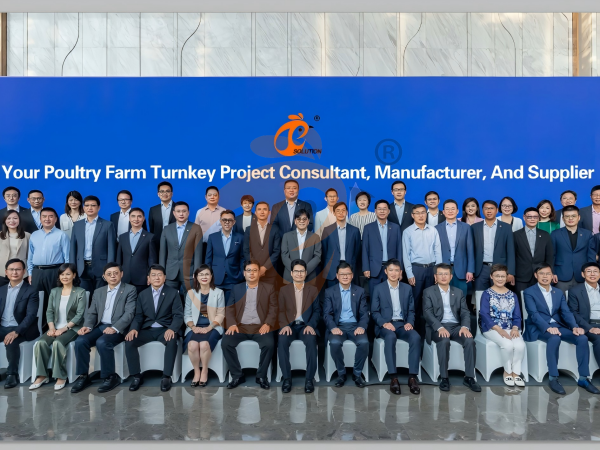
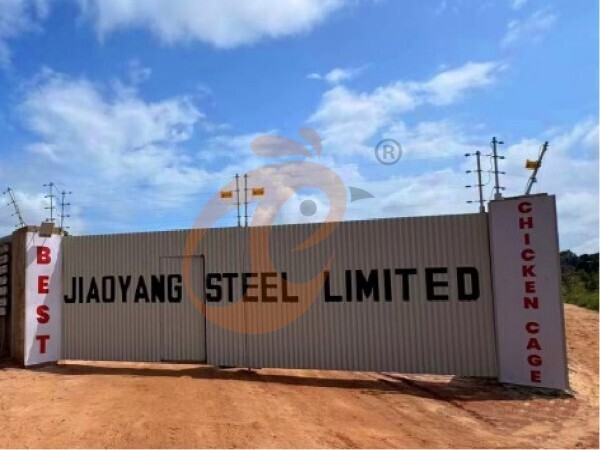
Ethiopia Best Hebei Machinery Manufacturing Plc - One Of Ethiopia Largest Poultry Farm Manufacturer
Full-Scale Poultry Farm Equipment Solutions: Delivering modern cages, feeders, drinkers worldwide.
Turnkey Projects: Complete design, installation, and operational support for Ethiopia Poultry Farm customers.
Factory Direct Supply: Cost-effective equipment, including hot-dip galvanized cages and hybrid feeding systems.
Global Service Network: Serving farms across Africa and Asia with on-site technical assistance.
Proven Results: Over 1,000+ Ethiopia Poultry Farm installations, improving production efficiency by 15–25% worldwide.
Contact Us To Received Your Customized Poultry Farm Plan
Headquarters And Branchs

Hong Kong Headquarter Management Team
Hong Kong Headquarter Taiyu Industrial Group CO., LTD
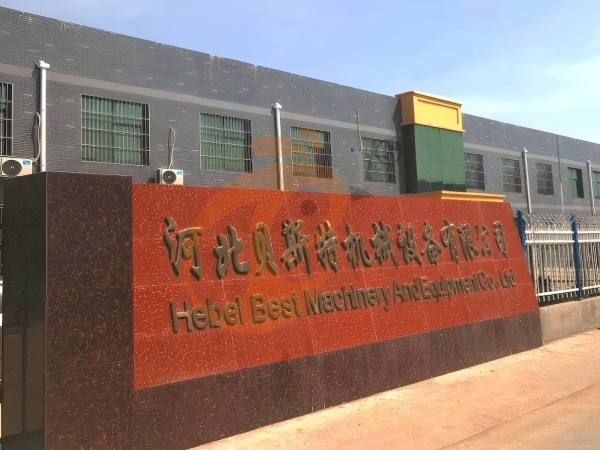
China Hebei Best Machinery And Equipment CO., LTD
Nigeria Vanke Machinery And Equipment CO., LTD
Tanzania Best Machinery And Equipment CO., LTD
Ethiopia Best Hebei Machinery Manufacturing PLC




Reception /24 WhatsApp NO. : +8618830120193
MESSAGE
Products recommended
 HK Headquarter Offers EU-standard Poultry Farm Solutions, Manufacture Poultry Farm Equipment1. Continuous communication with the EU and the US
2. China, Nigeria, Ethiopia, Tanzania branch companies and factories
3. The products’ quality is customized for local poultry farms
4. Poultry cage and poultry farm equipment stock for sale
5. 24 online reception Whatsapp NO. : +8618830120193,contact us to get full informationRead More China Branch Offer Poultry Farm Business Plan, Manufacture Poultry Farm Equipment1. Address: Flat/RM 2416, 24/F, Runxing Building, Youyi Nan Street, Shijiazhuang City, Hebei Province, China
2. Poultry cage and poultry farm equipment factory and stock for sale
3. Customized for local poultry farms
4. Quality and design are based on Euro
5. 24 online reception Whatsapp NO. : +8618830120193Read More Nigeria Branch Offer Poultry Farm Business Plan, Manufacture Poultry Farm Equipment1. Address: After Sinoma Office, 200 Meters Near Danco Filling Station, Lagos/Ibadan Expressway, Lagos State, Nigeria
2. Poultry cage and poultry farm equipment factory and stock for sale
3. Customized for Nigerian poultry farms
4. Quality and design are based on Euro
5. 24 online reception Whatsapp NO. : +8618830120193Read More Ethiopia Branch Offer Poultry Farm Business Plan, Manufacture Poultry Farm Equipment1. Address: Gelan Gura, Akaki-kaliti Sub City, Addis Ababa, Ethiopia
2. Poultry cage and poultry farm equipment stock for sale
3. Customized for Ethiopian poultry farms
4. Quality and design are based on Euro
5. 24 online reception Whatsapp NO. : +8618830120193, contact us to get price listRead More Tanzania Branch Offer Poultry Farm Business Plan, Manufacture Poultry Farm Equipment1. Address: No.8, Sova Road, Msufini, Mlandizi, Kibaha, Pwani, Tanzania
2. Poultry cage and poultry farm equipment factory and stock for sale
3. Customized for Tanzanian poultry farms
4. Quality and design are based on Euro
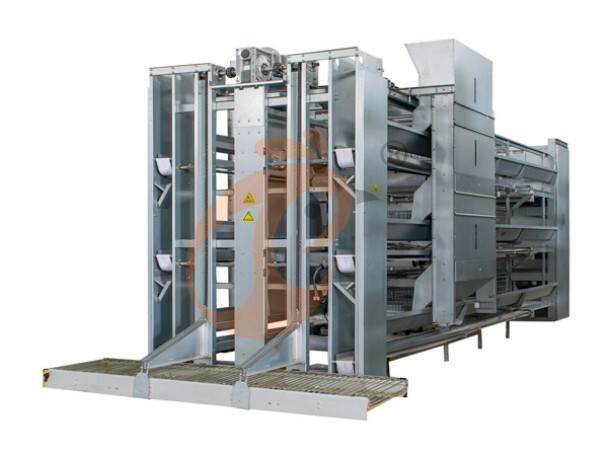
5. 24 online reception Whatsapp NO. : +8618830120193Read More Automatic H Type Layer Battery Cage System1. 30,000-100,000+ layers/house chooses it
2. Structure type stacked 3-16 tiers range
3. Stocking density up to 17 birds/cage
4. Service life 25 years
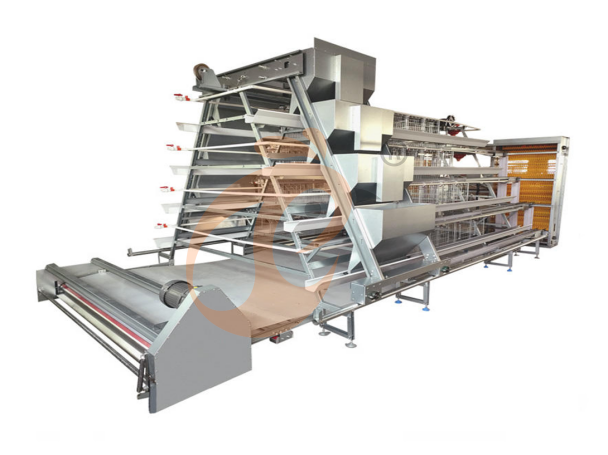
5. Reception /WhatsApp NO. : +8618830120193Read More Automatic A Type Layer Battery Cage System1. 10,000-30,000+ layers/house chooses it
2. Lifespan 25+ years
3. Labor requirement 1 worker per 10,000 birds
4. Reduce disease rates by 15%-20%.
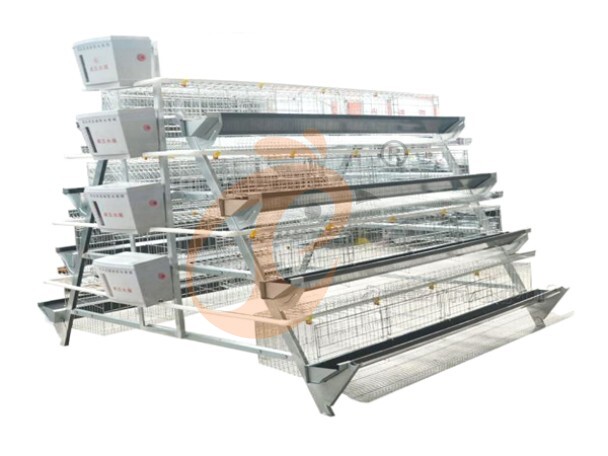
5. Reception /WhatsApp NO. : +8618830120193Read More Semi Automatic A Type Layer Battery Cage System1. 1,00-10,000+ layers/house chooses it
2. Egg breakage rate≤ 0.5%
3. Mesh spacing 2.5×2.5 cm
4. Egg collection floor slope 7–8°
5. Reception /WhatsApp NO. : +8618830120193Read More