Commercial battery cage system selection affects egg production efficiency, ventilation stability, labor allocation, manure removal efficiency, and long-term poultry farm profitability.
Professional poultry farm investment requires evaluation of steel structure durability, automatic feeding systems, egg collection efficiency, bird density, and environmental control performance.
Modern layer battery cage systems combine automatic feeding, nipple drinking, manure cleaning, egg collection, and ventilation engineering technologies.
Scientific poultry house configuration reduces broken egg rates, stabilizes laying performance, and improves feed conversion efficiency throughout complete production cycles.
Technical guide explains practical battery cage selection standards, engineering parameters, price references, production science, and commercial poultry management considerations.
Get professional poultry farm construction guidance, equipment selection solutions, and the latest price lists, whatsApp to +8618830120193, click to learn more:
Understand Your Farm Production Target
Before purchasing any poultry cage equipment, farmers must first define production goals.
Different farm sizes require different cage configurations.
Small farms often prioritize low investment and simple manual operation.
Large commercial farms usually focus on automation, labor reduction, and maximum egg output.
Production Planning Reference
Data is for reference only. Swipe horizontally to view full table.
Farm planning should also consider future expansion.
Many farms initially purchase low-capacity systems but later face expensive reconstruction costs.
Professional poultry farm design normally reserves additional building space for future cage rows and automated feeding lines.
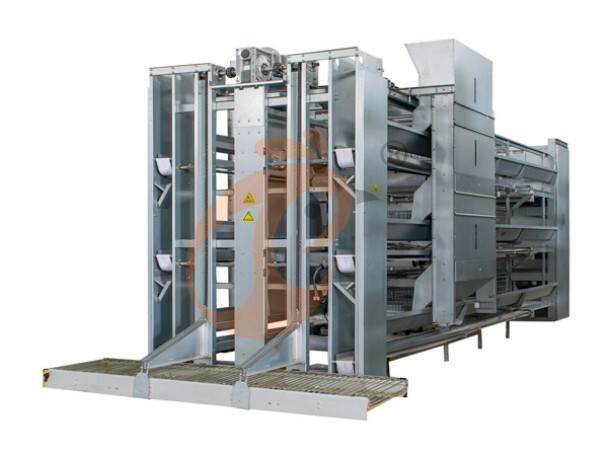
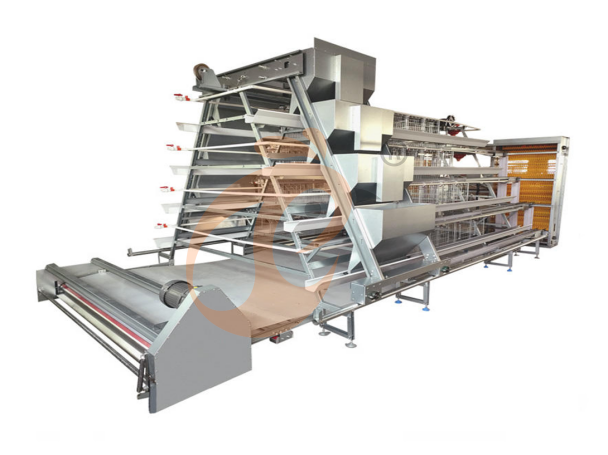
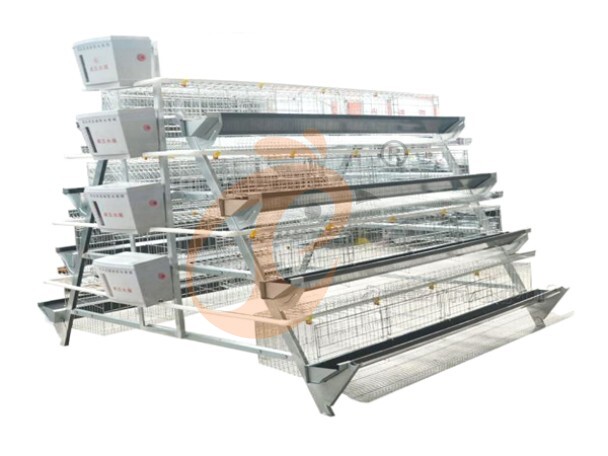
Compare A-Type And H-Type Layer Cage Systems
The most common commercial egg farming systems are A-type and H-type layer cages.
Both systems have different advantages.
Understanding the structural difference is essential before investment.
Structural Comparison
Data is for reference only. Swipe horizontally to view full table.
Practical Battery Cage Buying Recommendations
Select H-type battery cage systems when land cost is high and vertical production capacity is necessary.
Choose cage frames using 2.5–3.5 mm steel thickness for long-term structural stability.
Prefer automatic manure removal systems for farms exceeding 20,000 laying hens.
Install nipple drinking systems delivering 60–80 mL water per minute.
Reserve at least 15% future expansion space inside poultry house planning.
Typical Battery Cage Dimensions
Data is for reference only. Swipe horizontally to view full table.
Proper cage dimension directly affects bird comfort and egg cleanliness.
Overcrowding often reduces laying rate and increases feather pecking.
Evaluate Steel Quality And Anti-Corrosion Protection
The steel structure determines the lifespan of poultry cage equipment.
Many low-cost cage suppliers reduce material thickness to lower manufacturing costs.
This often causes deformation after several years of use.
Galvanization Technology Comparison
Data is for reference only. Swipe horizontally to view full table.
Hot-dip galvanized layer cages remain the most popular choice in commercial egg production.
Their zinc coating protects the cage surface against ammonia corrosion generated by poultry manure.
Why Ammonia Corrosion Matters
Chicken manure releases ammonia gas during decomposition.
When ventilation is poor, ammonia concentration rises rapidly inside poultry houses.
High ammonia levels accelerate steel corrosion while also damaging the respiratory tract of laying hens.
Research shows ammonia concentrations above 25 ppm can reduce laying rate by approximately 3%–8% while increasing respiratory disease risk.
Commercial poultry houses therefore target ammonia levels below 15 ppm during normal production periods.
This is why modern poultry houses combine corrosion-resistant cages with powerful ventilation systems.
Check Automation Systems Carefully
Automation significantly improves farm efficiency.
Modern layer farms increasingly adopt automatic feeding, drinking, manure removal, egg collection, and environmental control systems.
Main Automation Components
Data is for reference only. Swipe horizontally to view full table.
Automation investment may appear expensive initially.
However, long-term operational savings are substantial.
Labor Efficiency Comparison
Data is for reference only. Swipe horizontally to view full table.
Many commercial egg farms recover automation investment through labor savings within several production cycles.
Understand Layer Cage Price Factors
Layer cage pricing varies significantly depending on material quality, automation level, cage capacity, and regional shipping cost.
Farmers should avoid selecting equipment only based on the lowest quotation.
Main Factors Affecting Price
Data is for reference only. Swipe horizontally to view full table.
Estimated Layer Cage Price Guide
Data is for reference only. Swipe horizontally to view full table.
Prices vary depending on market steel prices and project scale.
Large-volume orders usually receive better manufacturing discounts.
Evaluate Farm Environment And Climate Conditions
Different climate regions require different poultry house configurations.
A cage system suitable for dry regions may perform poorly in tropical climates.
Environmental Design Considerations
Data is for reference only. Swipe horizontally to view full table.
Temperature stress directly impacts laying performance.
When indoor temperatures exceed 30°C, feed intake often declines sharply.
This reduces egg production and shell quality.
Science Section: Heat Stress And Egg Production
Laying hens maintain optimal production within a comfortable temperature range.
Excessive heat increases respiration rate and water consumption.
Birds consume less feed during heat stress, resulting in lower calcium intake.
This often produces thinner eggshells and higher egg breakage rates.
Modern tunnel ventilation systems can reduce poultry house temperatures by 5–10°C during summer production periods.
Commercial farms usually maintain airflow speed between 2.0–3.0 meters per second to improve bird cooling efficiency.
Practical Cage Layout Planning
Efficient cage arrangement improves airflow, feeding efficiency, and worker movement.
Poor internal layout can create dead ventilation zones and sanitation problems.
Recommended Poultry House Layout Standards
Data is for reference only. Swipe horizontally to view full table.
Professional poultry engineers normally calculate ventilation requirements according to bird quantity, local climate, and house dimensions.
Common Mistakes When Buying Layer Cage Systems
Many first-time investors make avoidable purchasing mistakes.
These mistakes often increase long-term operational cost.
Frequent Buyer Mistakes
Data is for reference only. Swipe horizontally to view full table.
Farmers should request technical drawings, material specifications, and engineering support before finalizing purchases.
Biosecurity Considerations In Cage Farming
Disease prevention is equally important as production efficiency.
Modern battery cage systems improve flock separation and reduce direct contact between birds and manure.
Essential Biosecurity Equipment
Data is for reference only. Swipe horizontally to view full table.
Well-managed cage systems often achieve lower mortality compared with poorly managed floor systems.
Good sanitation also improves egg cleanliness and market quality.
Long-Term Profitability Analysis
Successful poultry farming depends on balancing investment cost with production efficiency.
Higher-quality cage systems may require greater initial investment but often deliver lower maintenance cost and longer operational lifespan.
Example Economic Comparison
Data is for reference only. Swipe horizontally to view full table.
Professional poultry producers usually calculate return on investment across multiple laying cycles rather than focusing only on purchase price.
Frequently Asked Questions
Q1: What is the best battery cage system for large commercial egg farms?
A1: Large commercial egg farms normally select H-type automatic battery cage systems because vertical cage structures increase bird capacity per building.
Automatic feeding, manure removal, and egg collection systems also reduce labor requirements and improve production stability.
Q2: How long can hot-dip galvanized battery cage systems operate?
A2: Hot-dip galvanized battery cage systems generally operate for 15–20 years under normal poultry house management conditions.
Ventilation quality, manure removal frequency, and ammonia concentration directly affect steel structure lifespan.
Q3: How much investment is required for automatic layer cage projects?
A3: Automatic layer cage investment depends on bird quantity, automation level, local construction cost, and poultry house dimensions.
A 20,000-layer automatic battery cage project commonly requires USD 45,000–120,000 equipment investment.
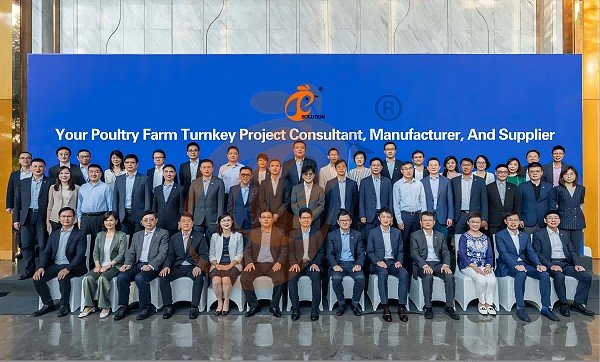
Taiyu (HK) Group - One Of China Biggest Battery Cage System Supplier
Professional layer battery cage systems support commercial egg farms with automatic feeding, manure removal, nipple drinking, and automatic egg collection technologies.
Global factory direct poultry equipment manufacturing reduces intermediate purchasing cost for international poultry farming investors and distributors.
Professional poultry cage engineering teams provide customized poultry house layout solutions for tropical, desert, and cold climate regions.
Turn-key poultry farm projects include installation guidance, ventilation system configuration, environmental control planning, and technical management support.
Commercial poultry equipment production lines manufacture durable galvanized steel systems supporting long operational lifespan and stable production performance.
Contact Us To Received Your Customized Poultry Farm Plan
Headquarters And Branchs

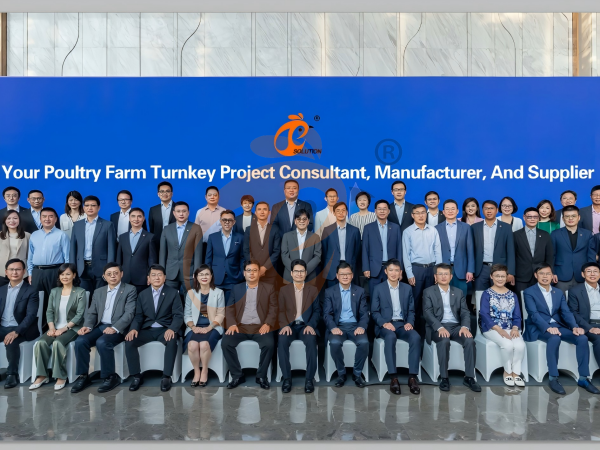
Hong Kong Headquarter Management Team
Hong Kong Headquarter Taiyu Industrial Group CO., LTD
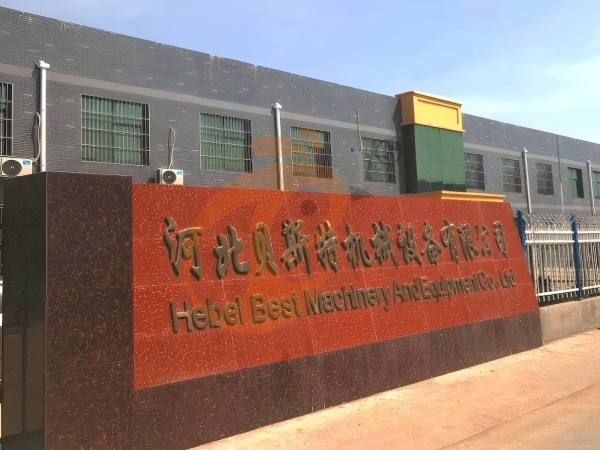
China Hebei Best Machinery And Equipment CO., LTD
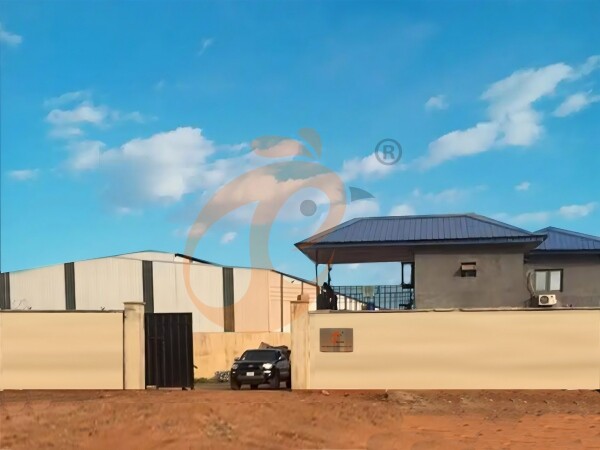
Nigeria Vanke Machinery And Equipment CO., LTD
Tanzania Best Machinery And Equipment CO., LTD
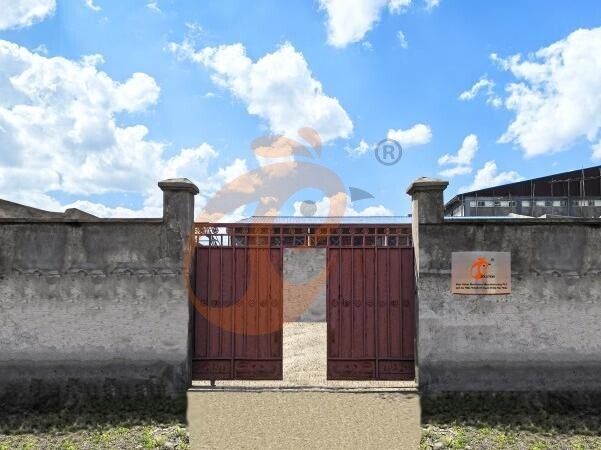
Ethiopia Best Hebei Machinery Manufacturing PLC




Reception /24 WhatsApp NO. : +8618830120193
MESSAGE
Products recommended
 HK Headquarter Offers EU-standard Poultry Farm Solutions, Manufacture Poultry Farm Equipment1. Continuous communication with the EU and the US
2. China, Nigeria, Ethiopia, Tanzania branch companies and factories
3. The products’ quality is customized for local poultry farms
4. Poultry cage and poultry farm equipment stock for sale
5. 24 online reception Whatsapp NO. : +8618830120193,contact us to get full informationRead More China Branch Offer Poultry Farm Business Plan, Manufacture Poultry Farm Equipment1. Address: Flat/RM 2416, 24/F, Runxing Building, Youyi Nan Street, Shijiazhuang City, Hebei Province, China
2. Poultry cage and poultry farm equipment factory and stock for sale
3. Customized for local poultry farms
4. Quality and design are based on Euro
5. 24 online reception Whatsapp NO. : +8618830120193Read More Nigeria Branch Offer Poultry Farm Business Plan, Manufacture Poultry Farm Equipment1. Address: After Sinoma Office, 200 Meters Near Danco Filling Station, Lagos/Ibadan Expressway, Lagos State, Nigeria
2. Poultry cage and poultry farm equipment factory and stock for sale
3. Customized for Nigerian poultry farms
4. Quality and design are based on Euro
5. 24 online reception Whatsapp NO. : +8618830120193Read More Ethiopia Branch Offer Poultry Farm Business Plan, Manufacture Poultry Farm Equipment1. Address: Gelan Gura, Akaki-kaliti Sub City, Addis Ababa, Ethiopia
2. Poultry cage and poultry farm equipment stock for sale
3. Customized for Ethiopian poultry farms
4. Quality and design are based on Euro
5. 24 online reception Whatsapp NO. : +8618830120193, contact us to get price listRead More Tanzania Branch Offer Poultry Farm Business Plan, Manufacture Poultry Farm Equipment1. Address: No.8, Sova Road, Msufini, Mlandizi, Kibaha, Pwani, Tanzania
2. Poultry cage and poultry farm equipment factory and stock for sale
3. Customized for Tanzanian poultry farms
4. Quality and design are based on Euro
5. 24 online reception Whatsapp NO. : +8618830120193Read More Automatic H Type Layer Battery Cage System1. 30,000-100,000+ layers/house chooses it
2. Structure type stacked 3-16 tiers range
3. Stocking density up to 17 birds/cage
4. Service life 25 years
5. Reception /WhatsApp NO. : +8618830120193Read More Automatic A Type Layer Battery Cage System1. 10,000-30,000+ layers/house chooses it
2. Lifespan 25+ years
3. Labor requirement 1 worker per 10,000 birds
4. Reduce disease rates by 15%-20%.
5. Reception /WhatsApp NO. : +8618830120193Read More Semi Automatic A Type Layer Battery Cage System1. 1,00-10,000+ layers/house chooses it
2. Egg breakage rate≤ 0.5%
3. Mesh spacing 2.5×2.5 cm
4. Egg collection floor slope 7–8°
5. Reception /WhatsApp NO. : +8618830120193Read More