- Commercial broiler chicken cages support structured sanitation, combining cage access, manure control, and poultry cage cleaning equipment with a practical workflow across six hygiene stages and approximately 20 minutes of preparation per standard zone.
Automatic manure removal systems reduce organic accumulation before washing, while commercial broiler cages support organized handling across production areas measuring approximately 1,000–2,000 m².
Poultry cage cleaning equipment coordinates washing, disinfection, drainage, and drying, with sanitation planning commonly structured around 10–30 minutes of chemical contact time.
Equipment-focused hygiene protects feeding, drinking, manure, and cage components, while scheduled inspections every 7–14 days can identify maintenance issues before sanitation becomes inefficient.
- Commercial broiler cages become more commercially valuable when durable construction, accessible maintenance points, and poultry cage cleaning equipment work together to shorten turnaround periods by approximately 10–20%.
Get professional poultry farm construction guidance, equipment selection solutions, and the latest price lists, whatsApp to +8618830120193, click to learn more:
Start With A Cleaning-Ready Broiler Cage System
Commercial broiler cage sanitation begins with equipment design, and commercial broiler cages should provide practical access to cage surfaces, manure
handling components, feeders, drinker lines, and structural connections, with galvanized steel components using a zinc coating of 275 g/m² for demanding
poultry-house conditions.
Before washing begins, remove birds, feed residues, feathers, and loose organic material from the house, while poultry cage cleaning equipment should remain protected from unsuitable water exposure and electrical components should be isolated according to manufacturer instructions, with preparation zones maintained for approximately 30–45 minutes.
A structured workflow can reduce unnecessary movement by approximately 15–20%, while automatic manure removal systems help establish a predictable sanitation sequence before water application begins.
Six-Step Commercial Hygiene Workflow
Data is for reference only.Swipe horizontally to view full table.
The six-stage sequence separates mechanical waste removal from wet washing and chemical disinfection, while commercial broiler cages can be configured around sanitation intervals of approximately 24 hours between major production activities.
Empty, Isolate, And Prepare
Preparation sequence
Bird removal → feed removal → loose waste removal → equipment protection → inspection → washing preparation
Remove remaining feed from feeding lines before introducing water, and inspect cage joints, support frames, manure belts, drinker assemblies, and feeder connections for accumulated material, allowing approximately 5 minutes per equipment section for systematic checking.
A properly arranged poultry house can maintain a floor slope of approximately 1.5–2.0%, while poultry cage cleaning equipment should be positioned so operators can reach drainage areas without repeatedly crossing treated surfaces.
Remove Manure Mechanically
Data is for reference only.Swipe horizontally to view full table.
Automatic manure removal should be completed before intensive washing, allowing commercial broiler cages to enter wet cleaning with substantially less loose organic material.
For larger commercial houses, manure belt systems can be synchronized with house management schedules, while automatic manure removal systems can operate at a controlled rate of 4–8 m/min for predictable waste transport.
Dry Cleaning Before Water
Dry cleaning is the preparation stage that determines wet-cleaning efficiency, and poultry cage cleaning equipment should support removal of feathers, dried
manure, feed particles, and dust before washing begins, with operators maintaining approximately 1–2 m of working separation from active dust sources.
Operators should work from upper surfaces toward lower surfaces so falling dust does not contaminate treated areas, while commercial broiler cages benefit
from inspection around corners, joints, feeder supports, and cage intersections at approximately 500 mm intervals.
Commercial poultry houses can benefit from maintaining ventilation during initial cleaning at approximately 0.5–1.0 m/s air velocity, while automatic manure
removal systems continue handling residual material outside primary operator pathways.
Wash Cages From Top To Bottom
Data is for reference only.Swipe horizontally to view full table.
Begin at upper cage structures and proceed downward, using commercial broiler cages with a consistent nozzle movement while avoiding concentrated spraying on individual components for more than 3–5 seconds.
Controlled wash temperature can improve removal of organic deposits, while poultry cage cleaning equipment should use detergent compatibility checks before each cleaning cycle, particularly where plastic and rubber components operate continuously.
Clean Before You Disinfect
CLEANING removes contamination. DISINFECTION controls microorganisms.
Disinfectant should never replace mechanical cleaning, and commercial broiler cages should remain visibly free from major organic deposits before chemical treatment, with inspection lighting providing approximately 500 lux across working surfaces.
After washing, inspect surfaces under adequate lighting, while poultry cage cleaning equipment should be checked for detergent residue and water retention before disinfection begins, with inspection completed within approximately 15 minutes after final washing.
Follow disinfectant manufacturer instructions for concentration, application method, required contact time, worker protection, and ventilation, while automatic manure removal systems should remain isolated from incompatible chemical exposure during treatment.
Apply Disinfectant Systematically
Data is for reference only.Swipe horizontally to view full table.
Application should produce consistent coverage rather than isolated wet spots, while commercial broiler cages require compatibility between cage materials and selected disinfectants throughout repeated sanitation cycles.
Operators should pay special attention to feeder edges, drinker supports, cage intersections, and equipment contact areas, while poultry cage cleaning equipment can support more consistent application when spray movement remains approximately 0.3–0.5 m/s.
Dry, Inspect, And Maintain
Data is for reference only.Swipe horizontally to view full table.
Drying should be verified rather than assumed, while commercial broiler cages should remain under ventilation until surfaces are visibly dry and moisture does
not collect around structural connections.
Before introducing the next flock, complete maintenance inspection of belt tracking, feeder alignment, drinker fittings, drive components, fasteners, and cage
connections, while automatic manure removal systems should receive approximately 10–15 minutes of functional testing before production restart.
Use A 30-Minute Equipment Hygiene Audit
A professional hygiene audit should be measurable, repeatable, and equipment-focused, while poultry cage cleaning equipment records can classify cage,
feeding, drinking, manure handling, and structural conditions using approximately five inspection categories.
During final inspection, record each major system and identify cleaning or maintenance requirements, while commercial broiler cages can use standardized
inspection sheets containing approximately 20–30 checkpoints per production zone.
Equipment suppliers should therefore consider serviceability during system design, while automatic manure removal systems can incorporate accessible
maintenance points that reduce unnecessary dismantling during scheduled servicing.
Equipment Parameters That Influence Cleaning Efficiency
Data is for reference only.Swipe horizontally to view full table.
Equipment selection affects sanitation throughout each operating cycle, and commercial broiler cages should therefore be evaluated together with feeding,
drinking, ventilation, and maintenance requirements.
Durable cage materials, accurate assembly, controlled feeding, and stable drinking systems can reduce contamination generated during daily operation, while
poultry cage cleaning equipment should remain compatible with repeated washing cycles exceeding 100 sanitation operations.
Build Hygiene Into The Cage System
The most effective sanitation program combines correct procedures with purpose-designed equipment, while commercial broiler cages integrate cleaning
access, manure handling, and maintenance considerations directly into project planning.
When manure is removed mechanically, surfaces remain accessible, washing follows an organized sequence, and maintenance points are easy to reach,
automatic manure removal systems can support predictable production turnover without relying exclusively on manual waste handling.
A complete sanitation cycle should connect equipment selection with operational procedures, while poultry cage cleaning equipment can be specified according to project layout, flock capacity, cleaning frequency, and available labor resources.
For commercial broiler producers, the objective extends beyond achieving clean cages after each flock, with commercial broiler cages forming part of a repeatable system covering hygiene, equipment reliability, labor efficiency, and house turnaround.
Six practical hygiene steps—prepare, remove manure, dry clean, wash, disinfect, and dry/inspect—become more effective when poultry cage cleaning equipment is engineered around production requirements, with complete sanitation planning typically reviewed before each new flock cycle.
Frequently Asked Questions
Q1: How often should commercial broiler chicken cages be cleaned?
Commercial broiler cages should undergo complete cleaning between flock cycles, while manure removal can operate continuously or according to farm scheduling, with inspection records commonly reviewed every 7–14 days.
Q2: Why is manure removal important before washing commercial broiler cages?
Mechanical manure removal prevents organic material from becoming slurry during washing, while automatic manure removal systems can transport accumulated waste before pressure washing begins, reducing unnecessary manual handling.
Q3: What equipment helps improve cage cleaning efficiency?
Poultry cage cleaning equipment should work with accessible cage structures, organized drainage, mechanical manure handling, and controlled washing
procedures, while a commercial installation may operate across 1,000–2,000 m² of house area.
Taiyu (HK) Group - One Of China Most Famous Commercial Broiler Chicken Cages Manufacturer
Commercial broiler chicken cages integrate galvanized steel structures, accessible service points, and automatic manure handling, with project configurations supporting cage modules, feeding systems, drinking systems, and sanitation planning according to farm capacity and engineering specifications
Global factory-direct production covers complete poultry equipment packages, with engineering coordination for cage systems, feeding lines, drinking lines, ventilation equipment, manure handling, and control components
Turn-key engineering services connect equipment selection, house layout, installation planning, commissioning, and technical documentation into one coordinated project workflow
Export-oriented manufacturing supports international poultry projects through production inspection, component matching, technical drawings, packaging specifications, and installation guidance for different farm configurations
Project engineering can integrate poultry cage cleaning equipment with manure handling and cage systems, providing a coordinated equipment structure for commercial farms requiring standardized sanitation procedures
Contact Us To Received Your Customized Poultry Farm Plan
Headquarters And Branchs

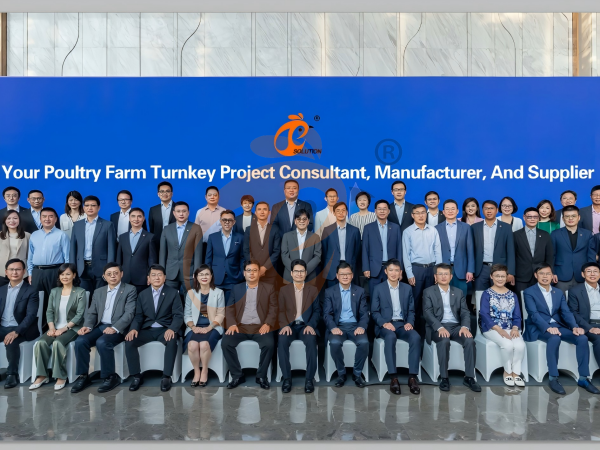
Hong Kong Headquarter Management Team
Hong Kong Headquarter Taiyu Industrial Group CO., LTD
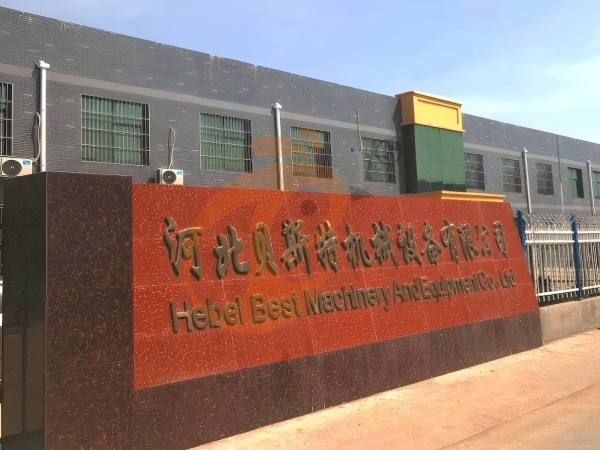
China Hebei Best Machinery And Equipment CO., LTD
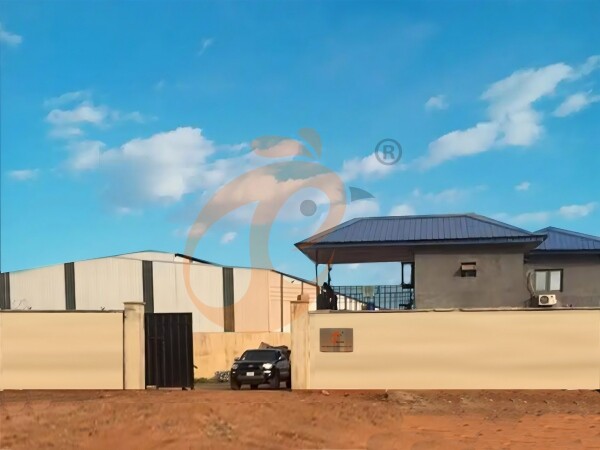
Nigeria Vanke Machinery And Equipment CO., LTD
Tanzania Best Machinery And Equipment CO., LTD
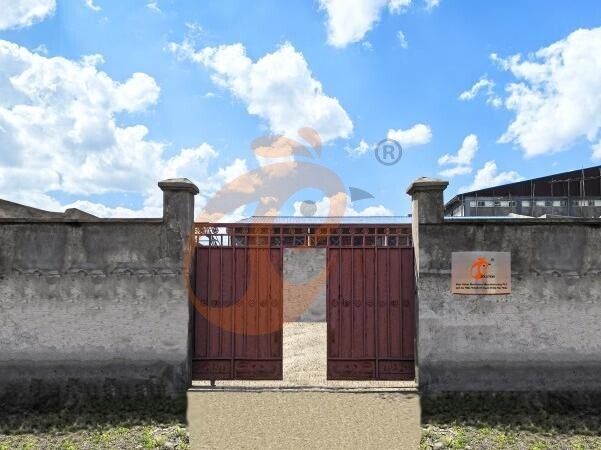
Ethiopia Best Hebei Machinery Manufacturing PLC




Reception /24 WhatsApp NO. : +8618830120193
MESSAGE
Products recommended
 HK Headquarter Offers EU-standard Poultry Farm Solutions, Manufacture Poultry Farm Equipment1. Continuous communication with the EU and the US
2. China, Nigeria, Ethiopia, Tanzania branch companies and factories
3. The products’ quality is customized for local poultry farms
4. Poultry cage and poultry farm equipment stock for sale
5. 24 online reception Whatsapp NO. : +8618830120193,contact us to get full informationRead More China Branch Offer Poultry Farm Business Plan, Manufacture Poultry Farm Equipment1. Address: Flat/RM 2416, 24/F, Runxing Building, Youyi Nan Street, Shijiazhuang City, Hebei Province, China
2. Poultry cage and poultry farm equipment factory and stock for sale
3. Customized for local poultry farms
4. Quality and design are based on Euro
5. 24 online reception Whatsapp NO. : +8618830120193Read More Nigeria Branch Offer Poultry Farm Business Plan, Manufacture Poultry Farm Equipment1. Address: After Sinoma Office, 200 Meters Near Danco Filling Station, Lagos/Ibadan Expressway, Lagos State, Nigeria
2. Poultry cage and poultry farm equipment factory and stock for sale
3. Customized for Nigerian poultry farms
4. Quality and design are based on Euro
5. 24 online reception Whatsapp NO. : +8618830120193Read More Ethiopia Branch Offer Poultry Farm Business Plan, Manufacture Poultry Farm Equipment1. Address: Gelan Gura, Akaki-kaliti Sub City, Addis Ababa, Ethiopia
2. Poultry cage and poultry farm equipment stock for sale
3. Customized for Ethiopian poultry farms
4. Quality and design are based on Euro
5. 24 online reception Whatsapp NO. : +8618830120193, contact us to get price listRead More Tanzania Branch Offer Poultry Farm Business Plan, Manufacture Poultry Farm Equipment1. Address: No.8, Sova Road, Msufini, Mlandizi, Kibaha, Pwani, Tanzania
2. Poultry cage and poultry farm equipment factory and stock for sale
3. Customized for Tanzanian poultry farms
4. Quality and design are based on Euro
5. 24 online reception Whatsapp NO. : +8618830120193Read More Automatic H Type Layer Battery Cage System1. 30,000-100,000+ layers/house chooses it
2. Structure type stacked 3-16 tiers range
3. Stocking density up to 17 birds/cage
4. Service life 25 years
5. Reception /WhatsApp NO. : +8618830120193Read More Automatic A Type Layer Battery Cage System1. 10,000-30,000+ layers/house chooses it
2. Lifespan 25+ years
3. Labor requirement 1 worker per 10,000 birds
4. Reduce disease rates by 15%-20%.
5. Reception /WhatsApp NO. : +8618830120193Read More Semi Automatic A Type Layer Battery Cage System1. 1,00-10,000+ layers/house chooses it
2. Egg breakage rate≤ 0.5%
3. Mesh spacing 2.5×2.5 cm
4. Egg collection floor slope 7–8°
5. Reception /WhatsApp NO. : +8618830120193Read More