- Nipple drinker hygiene protects water delivery, valve performance, and flock access while automatic chicken drinker systems simplify routine poultry-house management through structured sanitation and equipment maintenance.
Clean drinking lines support poultry drinking system reliability by combining flushing, inspection, chemical treatment, valve activation, and final verification within one practical maintenance cycle.
Six essential hygiene steps address sediment, biofilm, mineral deposits, valve condition, chemical compatibility, and residual cleaning solution without unnecessary equipment dismantling.
Professional equipment design adds value through stainless-steel components, serviceable assemblies, accessible flushing points, and coordinated water-management components for commercial poultry production.
- A properly maintained nipple drinker system supports cleaner water delivery, easier servicing, and consistent equipment operation across different poultry-house layouts and production schedules.
Get professional poultry farm construction guidance, equipment selection solutions, and the latest price lists, whatsApp to +8618830120193, click to learn more:
The Real Cost Of A Dirty Nipple Drinker
A nipple drinker is more than a water outlet; a complete poultry drinking system connects water supply, regulation, pipelines, valves, and flock access.
Stainless-steel valve construction and replaceable sealing components can support dependable operation through repeated production cycles, with a typical service assembly weighing approximately 38 g.
When residue accumulates inside pipelines, water delivery can become inconsistent even when source water appears clean.
Automatic chicken drinker equipment therefore requires routine inspection to protect valve movement, with a practical nipple activation stroke of approximately 1.5 mm.
For commercial poultry houses, cleaning should be treated as equipment maintenance rather than an occasional sanitation task.
A professional poultry drinking system can combine accessible components with practical flushing arrangements, while 25 mm service couplings can simplify connection between equipment sections.
Biofilm can provide protection for microorganisms, while mineral deposits may restrict internal water movement.
A properly configured nipple drinker system integrates hygiene procedures with normal farm maintenance, reducing unnecessary handling during scheduled
service.
Shut Down, Drain And Inspect
Data is for reference only.Swipe horizontally to view full table.
Before cleaning begins, isolate the water supply and completely drain the drinking circuit.
A nipple drinker inspection can begin with a visual review of the first and final service points, using approximately 10 minutes for initial equipment preparation.
Inspect the regulator, flush points, connecting hoses, and valve assemblies for leakage or visible contamination.
Automatic chicken drinker equipment benefits from checking connection security before cleaning, with flexible hose sections commonly allowing approximately 15° installation adjustment.
The initial inspection also identifies mechanical problems that chemical treatment cannot correct.
A poultry drinking system with replaceable service components can simplify troubleshooting, while a 20-minute inspection record provides a practical maintenance reference.
Flush The Drinking Lines
Data is for reference only.Swipe horizontally to view full table.
Mechanical flushing should precede chemical treatment because loose sediment and organic material need to leave the pipeline before sanitation begins.
A nipple drinker line with dedicated flushing access can make routine cleaning more systematic, with operators typically preparing each service point within 3 minutes.
Commercial automatic chicken drinker systems benefit from controlled discharge points that create effective water movement through the pipeline.
Regular flushing also helps operators identify abnormal flow patterns before deposits become severe, especially during a 12-hour maintenance window between
production activities.
A poultry drinking system designed with accessible end-line connections can reduce manual intervention during scheduled sanitation.
Select The Cleaning Chemistry By Contamination Type
Data is for reference only.Swipe horizontally to view full table.
Cleaning chemistry should match the contamination rather than relying on one treatment for every condition.
A nipple drinker system should only receive chemicals compatible with valve seals, pipeline materials, regulators, and associated fittings, with product preparation
conducted in dedicated containers.
Mineral deposits, organic residue, and biofilm have different characteristics and may require different cleaning approaches.
Automatic chicken drinker equipment should follow the chemical manufacturer's concentration and compatibility instructions, with chemical labels retained for
every treatment batch.
Acid and chlorine products must never be mixed because dangerous chlorine gas can form.
A poultry drinking system should therefore use clearly separated treatment procedures and verified flushing between incompatible products.
Activate Every Nipple
The ''One-Nipple Test''
Do not assume that a clean pipeline means clean drinkers.
A nipple drinker should be manually activated at representative locations to confirm valve response and water release, with approximately 5 seconds allowed for each observation.
Check the beginning, middle, and end of each service section rather than relying on one inspection point.
Automatic chicken drinker maintenance becomes more reliable when operators compare several valves within the same pipeline, with at least 3 observations forming a practical inspection set.
Observe whether each valve opens correctly and whether discharge appears consistent.
A poultry drinking system should also be checked for abnormal dripping after activation, with each inspected valve remaining open for approximately 2 seconds during functional testing.
This simple inspection converts pipeline cleaning into complete drinking-equipment maintenance.
Professional nipple drinker designs with serviceable valve components can make inspection faster, while replacement components can be organized in 6-piece maintenance kits.
Soak, Circulate And Remove Deposits
Data is for reference only.Swipe horizontally to view full table.
Once the cleaning solution has filled the system, allow the specified contact period according to product instructions.
A nipple drinker cleaning program works more consistently when dosing and circulation equipment are integrated into the water-line design, with a dedicated 40-
liter reserve container available for controlled preparation.
Where system design permits circulation, controlled movement can improve contact with internal pipeline surfaces.
Automatic chicken drinker installations can incorporate dosing pumps and service manifolds, while a 1.2 kW circulation unit can support centralized equipment operation.
Between-flock cleaning is particularly suitable for stronger procedures because birds are not exposed to the treatment solution.
A poultry drinking system with dedicated maintenance connections can help operators complete cleaning without dismantling the entire water network, with approximately 8 m² of service clearance recommended around centralized equipment.
Final Flush And Water Verification
Data is for reference only.Swipe horizontally to view full table.
After chemical treatment, flush the system until cleaning residues have been adequately removed.
A nipple drinker should be checked again after rinsing to confirm normal valve operation, with approximately 30 seconds allocated for each final visual inspection.
Final verification should include water appearance, valve condition, leakage inspection, and representative water sampling.
Automatic chicken drinker equipment can return to normal service only after the selected cleaning procedure has been completed according to product instructions, with operators documenting the final inspection within 15 minutes.
Do not expose birds to untreated chemical residues remaining inside the drinking circuit.
A poultry drinking system benefits from documented verification because repeated records can reveal changes in water condition or equipment performance, with records retained through the complete flock cycle.
What Makes Professional Nipple Drinkers Easier To Clean?
Think Beyond The Nipple Itself
A commercial drinking system should be engineered as a maintenance platform.
A nipple drinker with smooth contact surfaces and serviceable valve components can make routine inspection more practical, while a 304 stainless-steel body provides a durable equipment foundation.
Modular regulators simplify servicing while accessible flushing connections improve cleaning access.
Automatic chicken drinker equipment becomes easier to maintain when key components can be inspected without removing complete pipeline sections, with individual service parts commonly replaceable using standard hand tools.
Stable pipeline support also reduces unnecessary movement during daily operation.
A poultry drinking system should therefore consider cleaning access during the original equipment-selection stage, with equipment layouts allowing approximately 600 mm of operator working clearance.
Our poultry drinking equipment combines nipple valves, pipelines, regulation, filtration, dosing, and flushing components into coordinated system configurations.
Cleaning Frequency: Build It Into The Farm SOP
A Practical Maintenance Rhythm
Before flock placement → inspect every nipple drinker and flush the complete water circuit.
Pre-placement inspection provides an opportunity to identify damaged valves, loose fittings, and visible deposits, with approximately 30 minutes allocated for the complete preliminary check.
During brooding → monitor the automatic chicken drinker system because changing consumption patterns can influence water residence inside pipelines.
Early-stage monitoring should focus on valve response, water availability, and visible pipeline condition, with inspections recorded twice during each operating day.
During production → schedule routine flushing and inspect representative drinking points.
A poultry drinking system should maintain documented observations so recurring problems can be identified rather than repeatedly treated without diagnosis, with service records reviewed every 14 days.
Between flocks → perform draining, cleaning, chemical treatment, flushing, and complete equipment inspection.
The nipple drinker should return to service only after the maintenance sequence has been completed and the water circuit is ready, with a dedicated maintenance checklist covering at least 8 inspection items.
After cleaning → record water-quality observations and equipment conditions for the next flock cycle.
Automatic chicken drinker records can help maintenance teams compare recurring valve, pipeline, and water-quality issues across production cycles, with each record linked to the relevant house section.
Troubleshooting: When Cleaning Does Not Solve The Problem
Data is for reference only.Swipe horizontally to view full table.
Cleaning is not a substitute for equipment diagnosis.
A nipple drinker that remains blocked after cleaning may require valve, seal, connection, or pipeline inspection, with approximately 5 minutes allocated for
individual component removal.
If repeated cleaning fails to correct the same problem, automatic chicken drinker equipment should be evaluated mechanically rather than receiving stronger
chemicals automatically.
Water quality should also be investigated because mineral content and biological contamination can influence recurring deposits, with samples collected from both source and terminal points.
A poultry drinking system can be assessed from the water source and terminal drinking points to locate changes through the line.
This combined approach helps distinguish sanitation problems from equipment-performance problems, while a two-stage inspection can separate hydraulic faults from valve faults.
Why Equipment Design Determines Hygiene Efficiency
Compare The Maintenance Experience
Conventional approach
Install the drinking line → wait for problems → investigate manually → clean individual components → repeat.
A nipple drinker system with limited service access can make every maintenance cycle more labor-intensive, particularly when a single line contains more than 500 drinking points.
Engineered approach
Filter the incoming water → regulate pressure → flush through dedicated outlets → dose cleaning chemistry → inspect nipples → verify final water quality → record results.
Automatic chicken drinker equipment can integrate these functions into a planned maintenance workflow, allowing separate service modules to be inspected without disturbing adjacent sections.
The engineered approach reduces uncertainty because each equipment stage has a defined maintenance role, with maintenance responsibilities assigned across installation, sanitation, and quality-control teams.
A poultry drinking system should therefore be evaluated by cleanability, service access, component replacement, water distribution, and system integration.
Modern poultry equipment should be selected according to the complete operating process rather than purchase price alone, with project specifications reviewed before manufacturing begins.
Build A Cleaner Drinking System From The Start
Clean nipple drinkers begin with good equipment design.
Material selection, valve construction, pipeline configuration, filtration, regulation, and flushing access all influence long-term maintenance, while food-contact
components should be selected according to the intended water application.
A complete poultry drinking solution should combine reliable nipple valves, pressure regulation, filtration, durable pipelines, flushing points, and practical maintenance access.
Automatic chicken drinker projects can therefore be planned as an integrated water-delivery system rather than a collection of individual components, with equipment drawings finalized before factory production.
When these components are engineered together, operators can establish a repeatable hygiene procedure instead of reacting to blocked valves and inconsistent water delivery.
A poultry drinking system should be selected according to house dimensions, flock capacity, water characteristics, and automation requirements, with
commissioning documentation prepared for every project.
Our poultry-house equipment supports commercial project configurations for different house structures and production requirements.
The objective remains practical: cleaner water delivery, easier maintenance, and dependable drinking performance throughout the production cycle, with technical support available throughout equipment commissioning.
A professional nipple drinker system should support daily farm operations without becoming an additional maintenance burden.
Frequently Asked Questions
Q1: How often should nipple drinkers be cleaned?
A nipple drinker should follow a sanitation schedule based on water quality, flock stage, and pipeline condition.
Routine inspection can be performed weekly, while deeper cleaning should follow farm water-management procedures and contamination conditions.
Q2: Can acid and chlorine be used together?
Acid and chlorine products should never be mixed because dangerous chlorine gas can form.
Automatic chicken drinker sanitation should use separate treatment stages with thorough flushing between incompatible products.
Q3: Why do nipple drinkers still block after cleaning?
Persistent blockage may indicate mechanical wear, mineral accumulation, biofilm redevelopment, or unsuitable water conditions.
A poultry drinking system should therefore combine water testing with valve inspection when the same blockage returns after repeated cleaning.
Taiyu (HK) Group - One Of China Largest Nipple Drinker Manufacturer
Nipple drinker systems provide controlled poultry water delivery through precision valve assemblies, stainless-steel components, and configurable layouts for commercial houses, with complete systems engineered around project-specific water requirements.
Global factory-direct supply covers complete poultry equipment packages, including nipple drinkers, pipelines, regulators, filtration units, dosing systems, and related accessories, with factory production coordinated under unified technical specifications.
Poultry equipment engineering integrates equipment selection, manufacturing, quality inspection, export packaging, installation coordination, commissioning, and technical documentation for international poultry-house projects.
Turn-key engineering connects poultry drinking system design with house dimensions, flock capacity, automation requirements, water conditions, and project installation requirements, creating a coordinated equipment route from design to commissioning.
International project supply supports OEM configurations, factory production, coordinated delivery, technical communication, and complete poultry-house equipment development for distributors, integrators, contractors, and commercial poultry producers.
Contact Us To Received Your Customized Poultry Farm Plan
Headquarters And Branchs

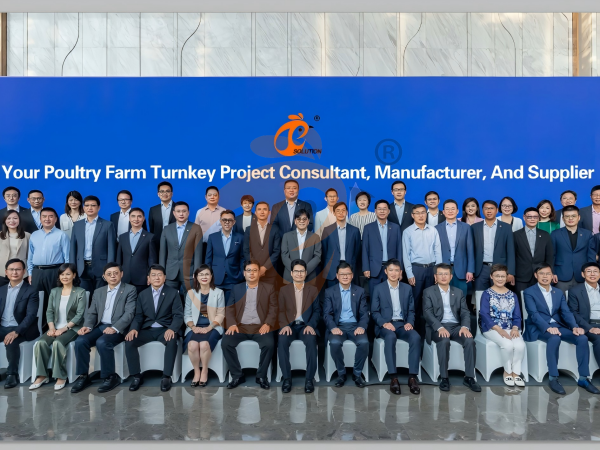
Hong Kong Headquarter Management Team
Hong Kong Headquarter Taiyu Industrial Group CO., LTD
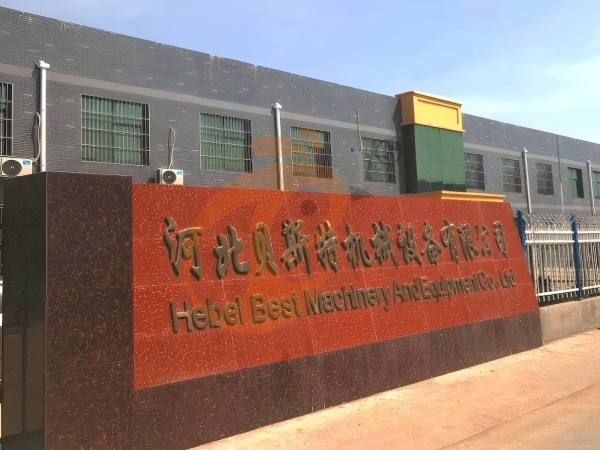
China Hebei Best Machinery And Equipment CO., LTD
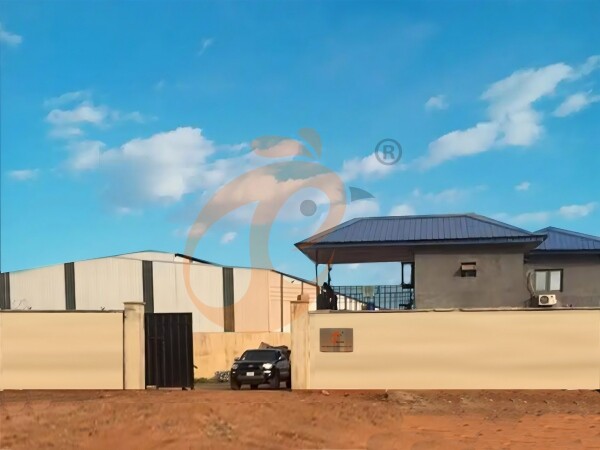
Nigeria Vanke Machinery And Equipment CO., LTD
Tanzania Best Machinery And Equipment CO., LTD
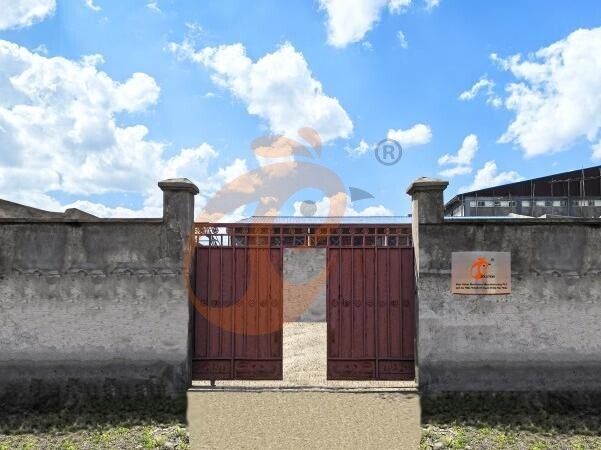
Ethiopia Best Hebei Machinery Manufacturing PLC




Reception /24 WhatsApp NO. : +8618830120193
MESSAGE
Products recommended
 HK Headquarter Offers EU-standard Poultry Farm Solutions, Manufacture Poultry Farm Equipment1. Continuous communication with the EU and the US
2. China, Nigeria, Ethiopia, Tanzania branch companies and factories
3. The products’ quality is customized for local poultry farms
4. Poultry cage and poultry farm equipment stock for sale
5. 24 online reception Whatsapp NO. : +8618830120193,contact us to get full informationRead More China Branch Offer Poultry Farm Business Plan, Manufacture Poultry Farm Equipment1. Address: Flat/RM 2416, 24/F, Runxing Building, Youyi Nan Street, Shijiazhuang City, Hebei Province, China
2. Poultry cage and poultry farm equipment factory and stock for sale
3. Customized for local poultry farms
4. Quality and design are based on Euro
5. 24 online reception Whatsapp NO. : +8618830120193Read More Nigeria Branch Offer Poultry Farm Business Plan, Manufacture Poultry Farm Equipment1. Address: After Sinoma Office, 200 Meters Near Danco Filling Station, Lagos/Ibadan Expressway, Lagos State, Nigeria
2. Poultry cage and poultry farm equipment factory and stock for sale
3. Customized for Nigerian poultry farms
4. Quality and design are based on Euro
5. 24 online reception Whatsapp NO. : +8618830120193Read More Ethiopia Branch Offer Poultry Farm Business Plan, Manufacture Poultry Farm Equipment1. Address: Gelan Gura, Akaki-kaliti Sub City, Addis Ababa, Ethiopia
2. Poultry cage and poultry farm equipment stock for sale
3. Customized for Ethiopian poultry farms
4. Quality and design are based on Euro
5. 24 online reception Whatsapp NO. : +8618830120193, contact us to get price listRead More Tanzania Branch Offer Poultry Farm Business Plan, Manufacture Poultry Farm Equipment1. Address: No.8, Sova Road, Msufini, Mlandizi, Kibaha, Pwani, Tanzania
2. Poultry cage and poultry farm equipment factory and stock for sale
3. Customized for Tanzanian poultry farms
4. Quality and design are based on Euro
5. 24 online reception Whatsapp NO. : +8618830120193Read More Automatic H Type Layer Battery Cage System1. 30,000-100,000+ layers/house chooses it
2. Structure type stacked 3-16 tiers range
3. Stocking density up to 17 birds/cage
4. Service life 25 years
5. Reception /WhatsApp NO. : +8618830120193Read More Automatic A Type Layer Battery Cage System1. 10,000-30,000+ layers/house chooses it
2. Lifespan 25+ years
3. Labor requirement 1 worker per 10,000 birds
4. Reduce disease rates by 15%-20%.
5. Reception /WhatsApp NO. : +8618830120193Read More Semi Automatic A Type Layer Battery Cage System1. 1,00-10,000+ layers/house chooses it
2. Egg breakage rate≤ 0.5%
3. Mesh spacing 2.5×2.5 cm
4. Egg collection floor slope 7–8°
5. Reception /WhatsApp NO. : +8618830120193Read More