Cleaning pellet machines daily in Ethiopia ensures optimal performance and consistent pellet density.
This guide provides practical steps for die and roller maintenance for improved pellet output.
It addresses Ethiopian raw materials including teff, sorghum, maize, and moisture impacts on machines.
Operators learn inspection protocols for electrical systems, bearings, and lubrication points.
Step-by-step cleaning sequences minimize downtime in farms and feed mills.
Training methods for staff improve compliance and reduce mechanical failures.
Daily record keeping allows monitoring of wear trends and prevents unexpected repairs.
Practical solutions for common local challenges maintain machine lifespan and efficiency.
Get professional poultry farm construction guidance, equipment selection solutions, and the latest price lists, whatsApp to +8618830120193, click to learn more.

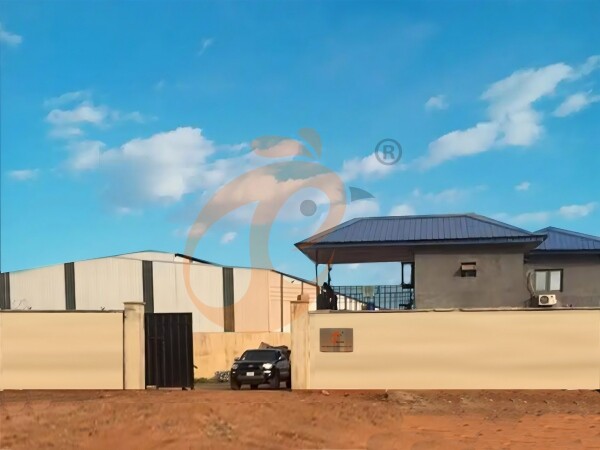
Ethiopia Branch Office And Factory Of Poultry Farm Equipment
Understanding The Ethiopian Operating Environment
Ethiopian feed mills process grains like maize, wheat, teff, and sorghum, generating fine dust that settles in die surfaces, rollers, and ventilation areas.
Dust accumulation increases friction, reduces motor cooling efficiency, and affects pellet quality.
Data is for reference only. Swipe horizontally to view full table.
Teff and sorghum produce ultrafine dust that adheres to moving parts, making daily removal essential to maintain target pellet density of 650–700 kg/m³ in finished product.
Preparing Personnel And Tools For Daily Cleaning
Operators in Addis Ababa, Hawassa, and Kombolcha require training on precise cleaning techniques and safety protocols.
Using appropriate tools ensures effective dust removal without damaging components.
Data is for reference only. Swipe horizontally to view full table.
Eye protection and gloves are mandatory due to abrasive dust and coarse grain particles.
Manual compressed air at 2–2.5 bar pressure effectively removes lodged dust without damaging seals.
Step-By-Step Daily Cleaning Sequence
A consistent cleaning sequence reduces risk of missing critical areas and prevents downtime.
- Power down the machine and verify lockout to prevent accidental startup.
- Remove external dust from housing and inlets using brushes or air blowers.
- Sweep out residual feed from the hopper, especially teff and sorghum remnants.
- Inspect die and roller surfaces for lodged particles or wear signs.
- Clean ventilation screens to ensure optimal motor cooling.
Following this sequence maintains consistent pellet density and prevents friction-related wear.
Achieving uniform moisture content of raw materials within 10–15% before cleaning helps maintain stable pelleting and reduces die resistance.
Cleaning The Die And Roller Mechanism
Dies and rollers are most affected by abrasive residues like maize husks or plant stalks.
Daily cleaning prevents scoring and uneven pellet formation.
Data is for reference only. Swipe horizontally to view full table.
Record any scoring depth in die surfaces to plan timely replacement or maintenance.
5–10 mm die wear often correlates with 5–8% pellet output drop if left unaddressed.
Addressing Power Fluctuation Impacts During Cleaning
Frequent voltage variations in Ethiopia affect motor brushes and starter components.
Cleaning should include electrical inspection to prevent overheating or sparking.
Data is for reference only. Swipe horizontally to view full table.
Monitoring motor current draw (15–30 A on 20 HP motors) during cleaning helps detect anomalies before failures.
Managing Moisture And Humidity From Ethiopian Climate
Ethiopia's regional climate affects dust behavior and corrosion risk.
Operators should adjust cleaning focus based on local humidity.
Data is for reference only. Swipe horizontally to view full table.
Pellets stored at >65% relative humidity can absorb moisture and degrade; daily handling prevents this.
Pellet Machine Lubrication Ethiopia Protocol After Cleaning
Lubrication protects moving parts from friction and contamination.
Selecting appropriate lubricants reduces bearing wear under dust-heavy conditions.
Data is for reference only. Swipe horizontally to view full table.
Proper lubrication can reduce bearing wear by 20–25% annually in dusty environments.
Eliminating Biological Contaminants In Ethiopian Feed Mills
Insects, mold, and grain debris can embed in feed hoppers and dies.
Daily removal prevents contamination and maintains pellet integrity.
Data is for reference only. Swipe horizontally to view full table.
Pellet bulk density values commonly above 650 kg/m³ indicate good compaction when contaminants are controlled.
Cleaning Checklist And Record Keeping – Enhanced Version
A structured checklist supports multi-shift operations, monitors equipment health, and allows operators to measure cleaning quality.
Data is for reference only. Swipe horizontally to view full table.
How This Helps Customers:
- Quantitative standards know exactly when cleaning is complete.
- Reduced downtime proper cleaning and lubrication prevent wear and unplanned stops.
- Improved efficiency operators avoid repeated or missed tasks.
- Visual management supervisors can quickly review each shift.
Trend analysis notes allow tracking of wear-prone components over time.
Solutions To Common Local Pain Points
Dust from teff processing
Teff dust is fine and abrasive; install pre-filters and clean dies immediately after use.
Absence of compressed air tools
Manual air pumps and brushes are effective alternatives for small Ethiopian mills.
Variable electricity
Use stabilizers and disconnect machines during voltage fluctuations to protect motors.
Water contamination
Avoid water ingress; rely on dry sweeping and cloth wiping to prevent corrosion.
Training And Capacity Building In Ethiopia
Structured training includes
Die and roller inspection techniques to detect scoring
Electrical component checks under variable voltage
Proper lubrication protocols to extend machine life
Daily cleaning sequences specific to Ethiopian materials
Record keeping for trend analysis and predictive maintenance
Frequently Asked Questions
Q1: Is this pellet machine suitable for small farms in Ethiopia?
A1: Yes, daily cleaning maintains consistent output for farms processing teff, maize, or sorghum.
Q2: How often should i inspect electrical components in Ethiopian conditions?
A2: Daily inspection prevents overheating and protects motors from voltage fluctuations.
Q3: Can teff and sorghum residues be processed without damage?
A3: Yes, immediate die and roller cleaning plus lubrication prevents abrasion in local operations.
Ethiopia Best Hebei Machinery Manufacturing Plc - One Of Ethiopia Largest Chicken Cage Manufacturer
Global factory direct sales provide competitive pricing and Ethiopian birr quotations.
We offer poultry farm equipment including pellet machines and chicken cages.
Turn-key engineering projects cover farm design, installation, and commissioning.
Our technicians deliver local support and long-term maintenance services.
HB best ensures operational efficiency, durability, and high pellet production standards.
Contact Us To Received Your Customized Poultry Farm Plan
Headquarters And Branchs

Hong Kong Headquarter Management Team
Hong Kong Headquarter Taiyu Industrial Group CO., LTD
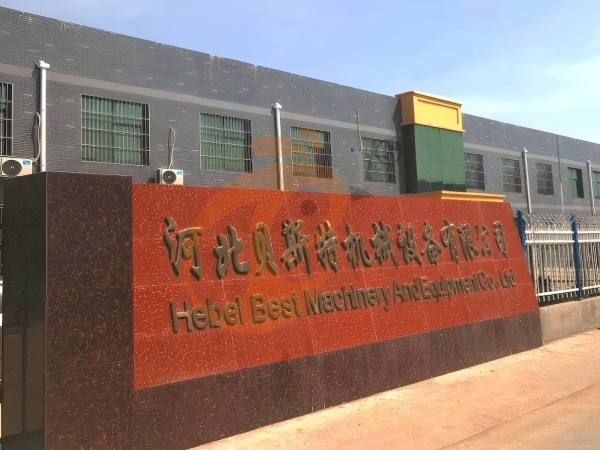
China Hebei Best Machinery And Equipment CO., LTD
Nigeria Vanke Machinery And Equipment CO., LTD
Tanzania Best Machinery And Equipment CO., LTD
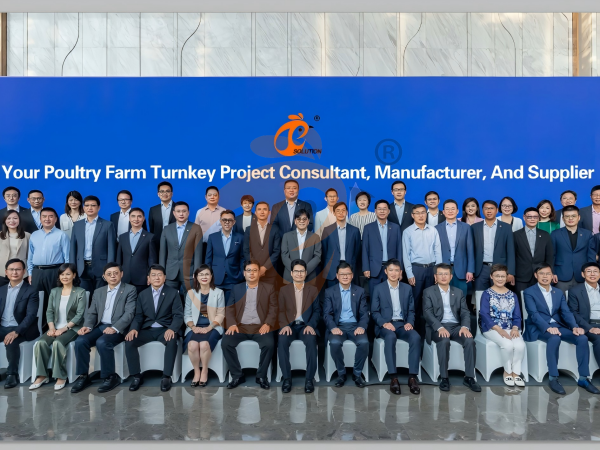
Ethiopia Best Hebei Machinery Manufacturing PLC




Reception /24 WhatsApp NO. : +8618830120193
MESSAGE
Products recommended
 HK Headquarter Offers EU-standard Poultry Farm Solutions, Manufacture Poultry Farm Equipment1. Continuous communication with the EU and the US
2. China, Nigeria, Ethiopia, Tanzania branch companies and factories
3. The products’ quality is customized for local poultry farms
4. Poultry cage and poultry farm equipment stock for sale
5. 24 online reception Whatsapp NO. : +8618830120193,contact us to get full informationRead More China Branch Offer Poultry Farm Business Plan, Manufacture Poultry Farm Equipment1. Address: Flat/RM 2416, 24/F, Runxing Building, Youyi Nan Street, Shijiazhuang City, Hebei Province, China
2. Poultry cage and poultry farm equipment factory and stock for sale
3. Customized for local poultry farms
4. Quality and design are based on Euro
5. 24 online reception Whatsapp NO. : +8618830120193Read More Nigeria Branch Offer Poultry Farm Business Plan, Manufacture Poultry Farm Equipment1. Address: After Sinoma Office, 200 Meters Near Danco Filling Station, Lagos/Ibadan Expressway, Lagos State, Nigeria
2. Poultry cage and poultry farm equipment factory and stock for sale
3. Customized for Nigerian poultry farms
4. Quality and design are based on Euro
5. 24 online reception Whatsapp NO. : +8618830120193Read More Ethiopia Branch Offer Poultry Farm Business Plan, Manufacture Poultry Farm Equipment1. Address: Gelan Gura, Akaki-kaliti Sub City, Addis Ababa, Ethiopia
2. Poultry cage and poultry farm equipment stock for sale
3. Customized for Ethiopian poultry farms
4. Quality and design are based on Euro
5. 24 online reception Whatsapp NO. : +8618830120193, contact us to get price listRead More Tanzania Branch Offer Poultry Farm Business Plan, Manufacture Poultry Farm Equipment1. Address: No.8, Sova Road, Msufini, Mlandizi, Kibaha, Pwani, Tanzania
2. Poultry cage and poultry farm equipment factory and stock for sale
3. Customized for Tanzanian poultry farms
4. Quality and design are based on Euro
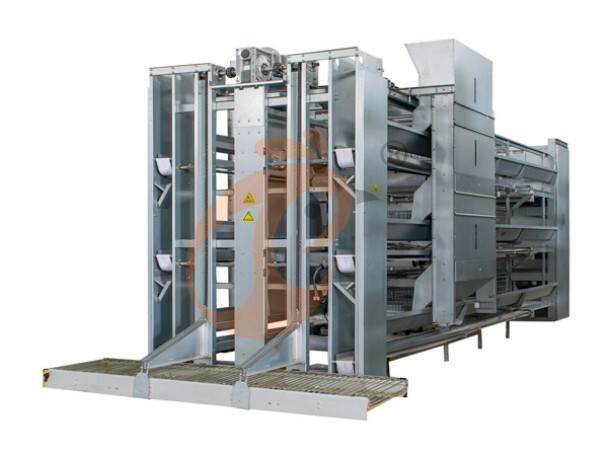
5. 24 online reception Whatsapp NO. : +8618830120193Read More Automatic H Type Layer Battery Cage System1. 30,000-100,000+ layers/house chooses it
2. Structure type stacked 3-16 tiers range
3. Stocking density up to 17 birds/cage
4. Service life 25 years
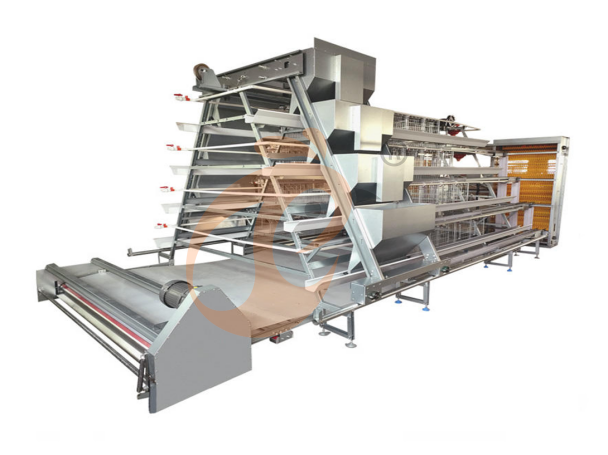
5. Reception /WhatsApp NO. : +8618830120193Read More Automatic A Type Layer Battery Cage System1. 10,000-30,000+ layers/house chooses it
2. Lifespan 25+ years
3. Labor requirement 1 worker per 10,000 birds
4. Reduce disease rates by 15%-20%.
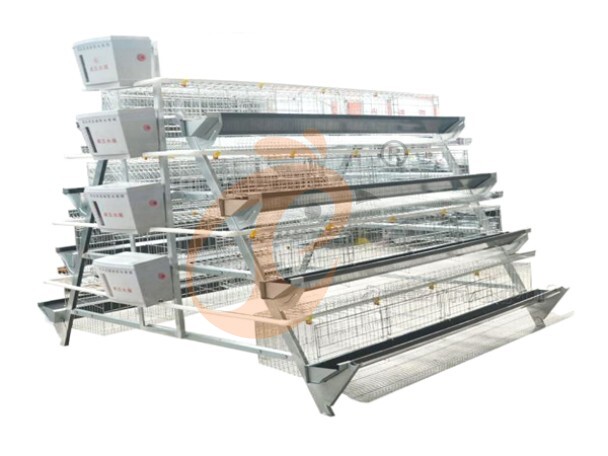
5. Reception /WhatsApp NO. : +8618830120193Read More Semi Automatic A Type Layer Battery Cage System1. 1,00-10,000+ layers/house chooses it
2. Egg breakage rate≤ 0.5%
3. Mesh spacing 2.5×2.5 cm
4. Egg collection floor slope 7–8°
5. Reception /WhatsApp NO. : +8618830120193Read More