Ethiopia livestock feed pellet machine provides essential guidance.
This article explains practical steps for farm pellet operation.
Learn how to select raw materials and prepare feed efficiently.
Understand machine setup, operation, cooling, and storage methods.
Explore energy management solutions suitable for Ethiopian farms.
Learn routine maintenance to extend machine lifespan effectively.
Adjust operations for seasonal variations in Ethiopian feed material.
Discover quality control methods ensuring livestock health and growth.
Get professional poultry farm construction guidance, equipment selection solutions, and the latest price lists, whatsApp to +8618830120193, click to learn more.

Ethiopia Branch Office And Factory Of Poultry Farm Equipment
Assessing Farm Feed Requirements
Data is for reference only.Swipe horizontally to view full table.
Farmers in Ethiopia using Ethiopia livestock feed pellet machine should start by evaluating feed requirements.
This ensures production aligns with herd size and animal type.
Proper assessment reduces waste and improves nutritional delivery.
Maize, sorghum, and local residues remain main feed sources.
Selecting Suitable Raw Materials
Data is for reference only.Swipe horizontally to view full table.
Ethiopian farms benefit from using locally available raw materials.
Maize, sorghum, wheat bran, and teff straw are abundant.
Coffee husks and oilseed cake supplement protein requirements.
Selecting appropriate materials reduces machine blockage and ensures pellet uniformity.
Preparing Raw Materials
Data is for reference only.Swipe horizontally to view full table.
Preparation ensures moisture content between 12–14%.
Grinding raw materials to 2–5 mm particle size improves compaction.
Proper mixing guarantees uniform nutrient distribution.
High humidity regions like Jimma require careful drying.
Machine Setup And Safety
Data is for reference only.Swipe horizontally to view full table.
Ethiopian farms often choose diesel powered machines for reliability.
Machine should be anchored, leveled, and lubricated.
Operators must ensure safety guards are in place.
Routine inspections reduce downtime and prevent accidents.
Operating The Pellet Machine
Data is for reference only.Swipe horizontally to view full table.
Operators must maintain steady feed flow.
Monitor temperature to avoid nutrient degradation.
Overheating can damage die; underfeeding reduces pellet density.
Regular checks ensure uniform pellets.
Pellet Cooling And Storage
Data is for reference only.Swipe horizontally to view full table.
Cooling prevents mold growth and preserves pellet integrity.
Highland regions benefit from ambient cooling.
Lowland farms may require forced cooling.
Proper storage ensures longer shelf life.
Quality Control And Testing
Data is for reference only.Swipe horizontally to view full table.
Visual inspection helps catch inconsistencies.
Laboratory tests ensure hardness and size uniformity.
Maintaining quality prevents feed wastage.
Proper testing improves livestock growth performance.
Routine Maintenance
Data is for reference only.Swipe horizontally to view full table.
Preventive maintenance is essential for Ethiopian farms.
Clean die and rollers regularly to avoid wear.
Lubricate bearings to maintain smooth operation.
Proper care extends machine lifespan.
Adjusting For Local Feed Variability
Data is for reference only.Swipe horizontally to view full table.
Feed characteristics vary seasonally in Ethiopia.
Operators must adjust die tightness and temperature.
Teff straw requires slightly higher temperature for compaction.
Adjustment maintains consistent pellet quality.
Energy Management
Data is for reference only.Swipe horizontally to view full table.
Energy efficiency is important for Ethiopian farms.
Diesel and hybrid machines reduce dependency on inconsistent electricity.
Monitor fuel or electricity usage for cost savings.
Efficient operation improves farm profitability.
Training Farm Personnel
Data is for reference only.Swipe horizontally to view full table.
Training ensures sustainable use of Ethiopia livestock feed pellet machine.
Demonstrate all operational steps to farm staff.
Emphasize safety and routine maintenance.
Trained personnel reduce accidents and downtime.
Monitoring Farm Benefits
Data is for reference only.Swipe horizontally to view full table.
Monitoring metrics verifies economic impact.
Track feed costs, weight gain, and labor efficiency.
Cost reduction improves farm profitability.
Data references European union standard reference only.
Frequently Asked Questions
Q1: Is a chicken cage suitable for Ethiopian farms?
A1: Yes, chicken cage equipment Ethiopia provides space efficiency and improves feed conversion.
Local adaptation ensures ventilation and temperature control for highland and lowland regions.
Q2: How can Ethiopian farms optimize pellet production?
A2: Adjust moisture, particle size, and machine temperature.
Routine maintenance and trained operators increase reliability. Seasonal feed changes are managed through local material selection.
Q3: Are turnkey poultry farm solutions Ethiopia practical?
A3: Yes, turn key poultry farm solutions Ethiopia offer integrated installation and equipment setup.
They include feed, cage systems, and poultry farm equipment for small and large farms.
Ethiopia Best Hebei Machinery Manufacturing Plc - One Of Ethiopia Biggest Chicken Cage Manufacturer
HB best offers global factory direct sales with competitive Ethiopia livestock feed pellet machine prices.
The company provides full poultry farm equipment and chicken cage solutions for turnkey projects.
Professional installation and training ensure smooth operation of all poultry systems.
HB best has long term experience supplying large scale poultry cages in Ethiopia.
Efficient after sales service maintains equipment performance and farm productivity.
Contact Us To Received Your Customized Poultry Farm Plan
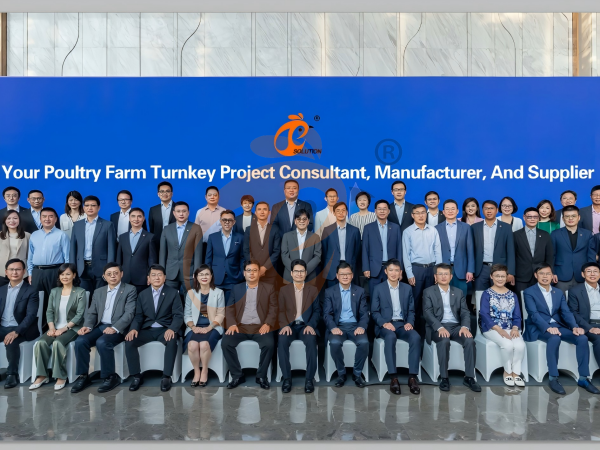
Headquarters And Branchs

Hong Kong Headquarter Management Team
Hong Kong Headquarter Taiyu Industrial Group CO., LTD
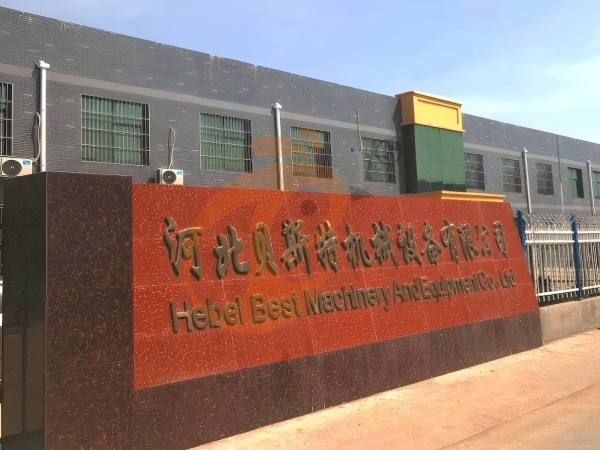
China Hebei Best Machinery And Equipment CO., LTD
Nigeria Vanke Machinery And Equipment CO., LTD
Tanzania Best Machinery And Equipment CO., LTD
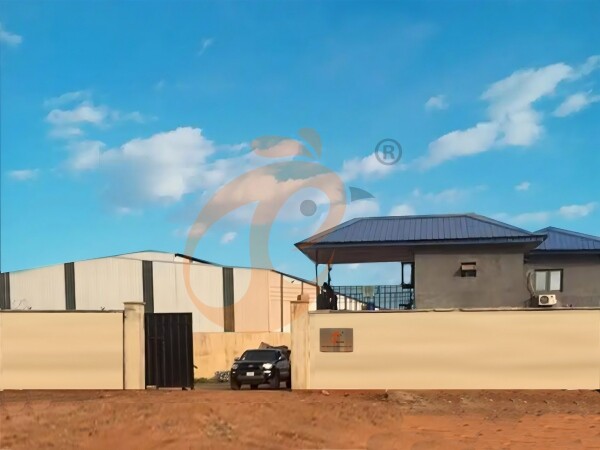
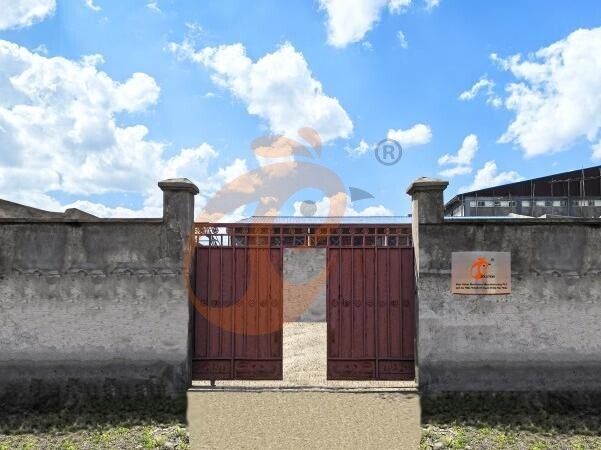
Ethiopia Best Hebei Machinery Manufacturing PLC




Reception /24 WhatsApp NO. : +8618830120193
MESSAGE
Products recommended
 HK Headquarter Offers EU-standard Poultry Farm Solutions, Manufacture Poultry Farm Equipment1. Continuous communication with the EU and the US
2. China, Nigeria, Ethiopia, Tanzania branch companies and factories
3. The products’ quality is customized for local poultry farms
4. Poultry cage and poultry farm equipment stock for sale
5. 24 online reception Whatsapp NO. : +8618830120193,contact us to get full informationRead More China Branch Offer Poultry Farm Business Plan, Manufacture Poultry Farm Equipment1. Address: Flat/RM 2416, 24/F, Runxing Building, Youyi Nan Street, Shijiazhuang City, Hebei Province, China
2. Poultry cage and poultry farm equipment factory and stock for sale
3. Customized for local poultry farms
4. Quality and design are based on Euro
5. 24 online reception Whatsapp NO. : +8618830120193Read More Nigeria Branch Offer Poultry Farm Business Plan, Manufacture Poultry Farm Equipment1. Address: After Sinoma Office, 200 Meters Near Danco Filling Station, Lagos/Ibadan Expressway, Lagos State, Nigeria
2. Poultry cage and poultry farm equipment factory and stock for sale
3. Customized for Nigerian poultry farms
4. Quality and design are based on Euro
5. 24 online reception Whatsapp NO. : +8618830120193Read More Ethiopia Branch Offer Poultry Farm Business Plan, Manufacture Poultry Farm Equipment1. Address: Gelan Gura, Akaki-kaliti Sub City, Addis Ababa, Ethiopia
2. Poultry cage and poultry farm equipment stock for sale
3. Customized for Ethiopian poultry farms
4. Quality and design are based on Euro
5. 24 online reception Whatsapp NO. : +8618830120193, contact us to get price listRead More Tanzania Branch Offer Poultry Farm Business Plan, Manufacture Poultry Farm Equipment1. Address: No.8, Sova Road, Msufini, Mlandizi, Kibaha, Pwani, Tanzania
2. Poultry cage and poultry farm equipment factory and stock for sale
3. Customized for Tanzanian poultry farms
4. Quality and design are based on Euro
5. 24 online reception Whatsapp NO. : +8618830120193Read More Automatic H Type Layer Battery Cage System1. 30,000-100,000+ layers/house chooses it
2. Structure type stacked 3-16 tiers range
3. Stocking density up to 17 birds/cage
4. Service life 25 years
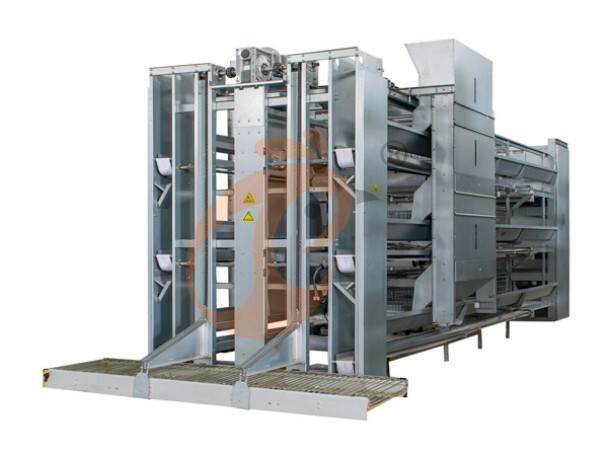
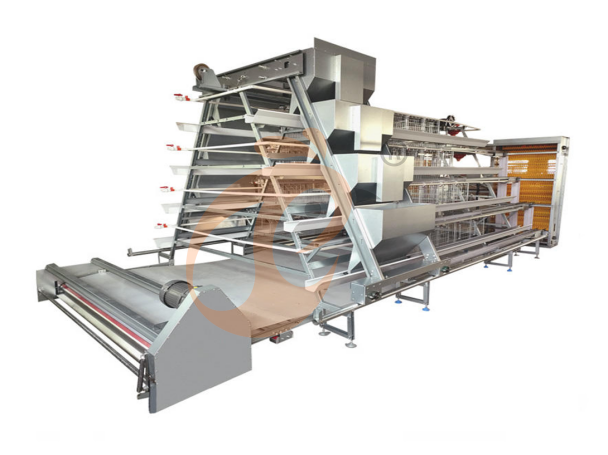
5. Reception /WhatsApp NO. : +8618830120193Read More Automatic A Type Layer Battery Cage System1. 10,000-30,000+ layers/house chooses it
2. Lifespan 25+ years
3. Labor requirement 1 worker per 10,000 birds
4. Reduce disease rates by 15%-20%.
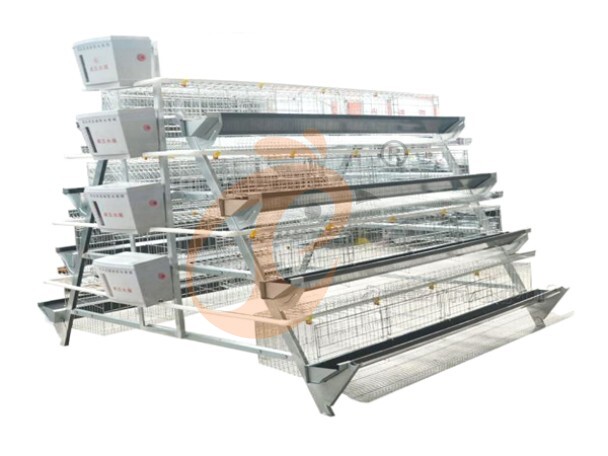
5. Reception /WhatsApp NO. : +8618830120193Read More Semi Automatic A Type Layer Battery Cage System1. 1,00-10,000+ layers/house chooses it
2. Egg breakage rate≤ 0.5%
3. Mesh spacing 2.5×2.5 cm
4. Egg collection floor slope 7–8°
5. Reception /WhatsApp NO. : +8618830120193Read More