Pellet feed size optimization Ethiopia ensures efficient livestock and poultry production.
Covers six practical tips for Ethiopian farmers and feed processors.
Raw material characteristics, moisture, and grinding requirements are analyzed.
Provide detailed feed size, die diameter, and fine particle parameters.
Tips include animal specific pellet size adjustments for poultry and cattle.
Infrastructure and power considerations for rural Ethiopia are addressed.
Get professional poultry farm construction guidance, equipment selection solutions, and the latest price lists, whatsApp to +8618830120193, click to learn more.

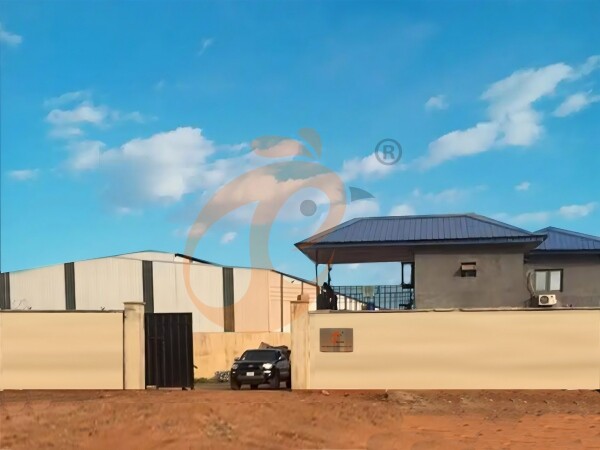
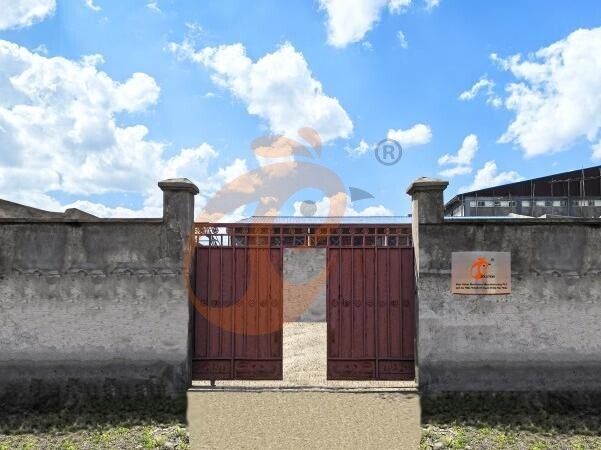
Ethiopia Branch Office And Factory Of Poultry Farm Equipment
Understanding Feed Size Fundamentals In Pellet Production
Feed size affects not only pellet quality but also machine wear, especially with fibrous Ethiopian crop residues.
Small, uniform particles reduce die blockage and optimize output for local farmers.
Data is for reference only.Swipe horizontally to view full table.
Choosing proper feed size for maize stalk or teff straw helps Ethiopian operators reduce downtime and energy consumption.
Ethiopian Raw Material Characteristics And Constraints
Different Ethiopian regions produce crop residues with varying fiber content, affecting grinding and pellet quality.
Understanding these traits helps farmers adjust pre processing and achieve consistent pellets.
Data is for reference only.Swipe horizontally to view full table.
Adjusting grinding intensity based on local materials ensures durable pellets and lower energy costs in Ethiopia.
Match Feed Size With Die Diameter
Matching feed size to die diameter prevents blockages and uneven pellets in Ethiopian operations.
Proper sizing reduces maintenance cost and improves throughput efficiency.
Data is for reference only.Swipe horizontally to view full table.
Following these recommendations minimizes downtime and enhances production in poultry and livestock operations.
Consider Moisture Interaction With Particle Size
Moisture and particle size together affect pellet compression and stability.
Adjusting moisture helps Ethiopian farmers prevent pellet breakage in dry highlands and humid lowlands.
Data is for reference only.Swipe horizontally to view full table.
Local operators can use sun drying or controlled spraying to achieve the ideal moisture content.
Adjust Feed Size Based On Animal Type In Ethiopia
Different animals require specific pellet sizes for optimal digestion and feed intake.
Adjusting feed to livestock type reduces wastage and increases conversion efficiency.
Data is for reference only.Swipe horizontally to view full table.
Correct pellet diameter ensures Ethiopian poultry and cattle consume feed efficiently with minimal leftovers.
Use Proper Grinding Equipment
Choosing suitable grinders improves particle size uniformity and reduces energy consumption.
Selecting the right grinder prevents clogging and frequent machine maintenance in Ethiopian farms.
Data is for reference only.Swipe horizontally to view full table.
Combining hammer mills with fine grinders enables Ethiopian operators to handle high fiber residues efficiently.
Control Fine Powder Ratio
Fine powder ratio affects binding, dust formation, and machine performance.
Maintaining 10–20% fine particles balances durability and reduces clogging for local pellet machines.
Data is for reference only.Swipe horizontally to view full table.
Adding the correct proportion of fines produces consistent feed for poultry and cattle in Ethiopia.
Adapt To Ethiopian Power And Infrastructure Conditions
Power reliability impacts grinding and pellet production in rural areas.
Diesel or hybrid machines allow farmers to maintain feed size stability despite grid fluctuations.
Data is for reference only.Swipe horizontally to view full table.
Diesel powered or hybrid machines help Ethiopian farmers maintain steady pellet output.
Common Problems In Ethiopia And Solutions
Feed size, moisture, and grinding mismatches cause operational issues in Ethiopia.
Systematically addressing these factors reduces downtime and improves efficiency.
Data is for reference only.Swipe horizontally to view full table.
Combining proper grinding, moisture control, and particle sizing helps Ethiopian farms maximize pellet yield.
Integrated Feed Size Workflow For Ethiopian Farms
A structured workflow ensures consistent pellet quality and reduces losses common in Ethiopian smallholder farms.
Data is for reference only.Swipe horizontally to view full table.
Following this workflow improves pellet quality and operational efficiency for Ethiopian farms.
Case Insight Medium Scale Farm In Ethiopia
Adjusting feed size to 3–4 mm improved feed conversion, reduced pellet breakage, and decreased machine downtime for a poultry farm near Addis Ababa producing 2,500 kg/h feed.
(European union standard reference only)
Data is for reference only.Swipe horizontally to view full table.
Ethiopian operators can apply this adjustment to improve efficiency and reduce costs.
FAQ
Q1: Is this feed size suitable for small poultry farms in Ethiopia?
Yes, fine grinding 2–3 mm for chicks and 3–5 mm for adults improves efficiency and reduces feed loss.
Q2: Can maize stalk and coffee husk be processed with the same feed size?
No, maize stalk requires coarser grinding and coffee husk medium grinding to maintain pellet integrity.
Q3: Are chicken cages compatible with Ethiopian poultry feed pellets?
Yes, ensure feed pellet size matches cage trough dimensions to prevent blockage and feed loss.
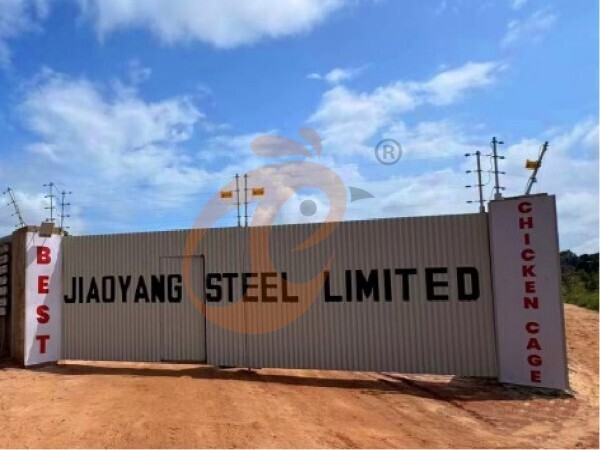
Ethiopia Best Hebei Machinery Manufacturing Plc - One Of Ethiopia Largest Chicken Cage Manufacturer
HB best offers global factory direct sales with competitive Ethiopian Birr pricing and quality standards.
The company supplies complete poultry farm equipment including chicken cages, feeders, and drinkers.
Turn key engineering projects in Ethiopia allow seamless installation and operational readiness.
HB best provides durable poultry cage solutions suitable for small and commercial farms.
Professional support ensures timely delivery and installation for Ethiopian poultry operations.
Contact Us To Received Your Customized Poultry Farm Plan
Headquarters And Branchs

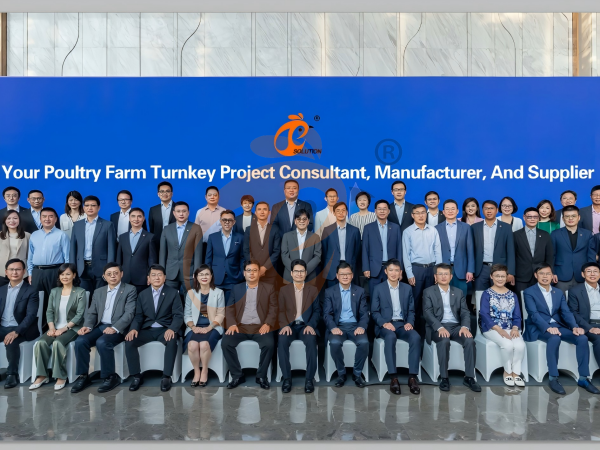
Hong Kong Headquarter Management Team
Hong Kong Headquarter Taiyu Industrial Group CO., LTD
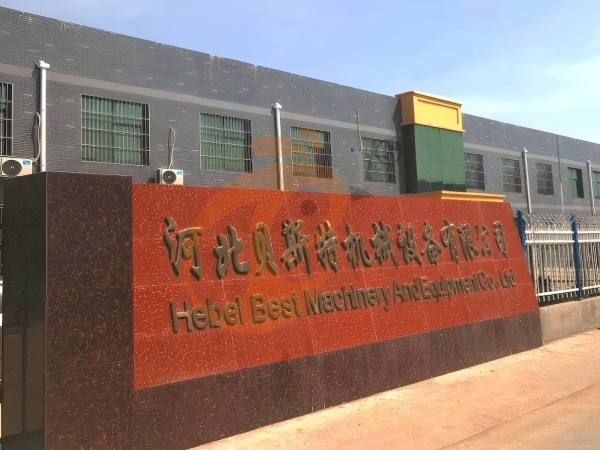
China Hebei Best Machinery And Equipment CO., LTD
Nigeria Vanke Machinery And Equipment CO., LTD
Tanzania Best Machinery And Equipment CO., LTD
Ethiopia Best Hebei Machinery Manufacturing PLC




Reception /24 WhatsApp NO. : +8618830120193
MESSAGE
Products recommended
 HK Headquarter Offers EU-standard Poultry Farm Solutions, Manufacture Poultry Farm Equipment1. Continuous communication with the EU and the US
2. China, Nigeria, Ethiopia, Tanzania branch companies and factories
3. The products’ quality is customized for local poultry farms
4. Poultry cage and poultry farm equipment stock for sale
5. 24 online reception Whatsapp NO. : +8618830120193,contact us to get full informationRead More China Branch Offer Poultry Farm Business Plan, Manufacture Poultry Farm Equipment1. Address: Flat/RM 2416, 24/F, Runxing Building, Youyi Nan Street, Shijiazhuang City, Hebei Province, China
2. Poultry cage and poultry farm equipment factory and stock for sale
3. Customized for local poultry farms
4. Quality and design are based on Euro
5. 24 online reception Whatsapp NO. : +8618830120193Read More Nigeria Branch Offer Poultry Farm Business Plan, Manufacture Poultry Farm Equipment1. Address: After Sinoma Office, 200 Meters Near Danco Filling Station, Lagos/Ibadan Expressway, Lagos State, Nigeria
2. Poultry cage and poultry farm equipment factory and stock for sale
3. Customized for Nigerian poultry farms
4. Quality and design are based on Euro
5. 24 online reception Whatsapp NO. : +8618830120193Read More Ethiopia Branch Offer Poultry Farm Business Plan, Manufacture Poultry Farm Equipment1. Address: Gelan Gura, Akaki-kaliti Sub City, Addis Ababa, Ethiopia
2. Poultry cage and poultry farm equipment stock for sale
3. Customized for Ethiopian poultry farms
4. Quality and design are based on Euro
5. 24 online reception Whatsapp NO. : +8618830120193, contact us to get price listRead More Tanzania Branch Offer Poultry Farm Business Plan, Manufacture Poultry Farm Equipment1. Address: No.8, Sova Road, Msufini, Mlandizi, Kibaha, Pwani, Tanzania
2. Poultry cage and poultry farm equipment factory and stock for sale
3. Customized for Tanzanian poultry farms
4. Quality and design are based on Euro
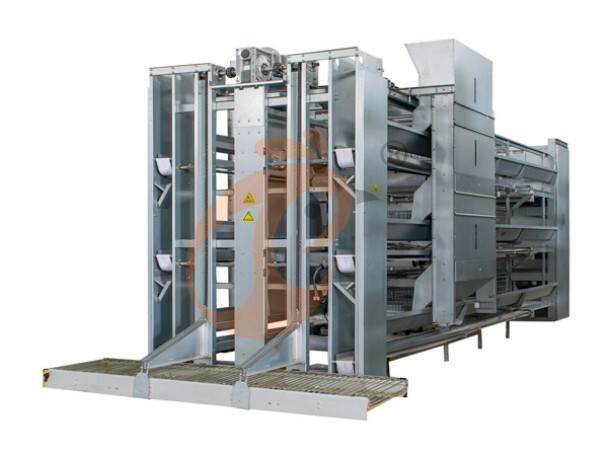
5. 24 online reception Whatsapp NO. : +8618830120193Read More Automatic H Type Layer Battery Cage System1. 30,000-100,000+ layers/house chooses it
2. Structure type stacked 3-16 tiers range
3. Stocking density up to 17 birds/cage
4. Service life 25 years
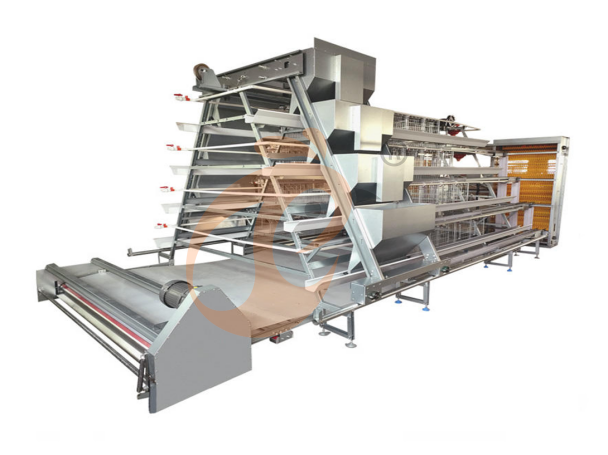
5. Reception /WhatsApp NO. : +8618830120193Read More Automatic A Type Layer Battery Cage System1. 10,000-30,000+ layers/house chooses it
2. Lifespan 25+ years
3. Labor requirement 1 worker per 10,000 birds
4. Reduce disease rates by 15%-20%.
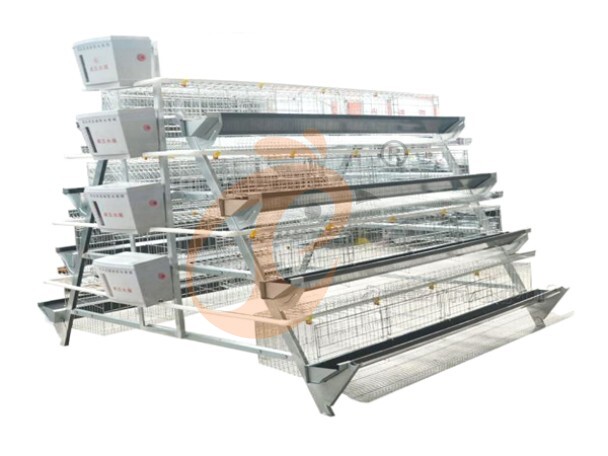
5. Reception /WhatsApp NO. : +8618830120193Read More Semi Automatic A Type Layer Battery Cage System1. 1,00-10,000+ layers/house chooses it
2. Egg breakage rate≤ 0.5%
3. Mesh spacing 2.5×2.5 cm
4. Egg collection floor slope 7–8°
5. Reception /WhatsApp NO. : +8618830120193Read More