Automatic pan feeding system engineering connects feed delivery, flock access, and measurable operating efficiency across modern floor-reared poultry houses with precision.
Automatic chicken feeding system design combines conveying capacity, feeder positioning, sensors, controllers, and suspension components into coordinated production equipment for commercial farms.
Poultry feeding equipment selection influences labor requirements, feed distribution, maintenance planning, installation accuracy, and long-term operational consistency across different poultry-house dimensions.
Six practical adjustments address delivery control, feeder positioning, access distribution, feed-flow management, automation, and complete system engineering using measurable equipment parameters.
- A properly engineered feeding solution can combine durable components, customized layouts, technical support, and scalable configurations for demanding commercial poultry production projects.
Get professional poultry farm construction guidance, equipment selection solutions, and the latest price lists, whatsApp to +8618830120193, click to learn more:
Feed Efficiency Starts With Equipment Design
Feed efficiency in a floor rearing system depends strongly on how accurately feed moves from storage to birds.
An automatic pan feeding system can integrate hoppers, augers, feed pipes, pan feeders, sensors, drive units, and controllers into one continuous process.
Commercial equipment may provide feed-transfer capacity up to 1,400 kg/h, while a 330 mm pan configuration can provide 16 feeding positions.
Automatic chicken feeding system selection should therefore consider engineering compatibility rather than simply counting installed feeders.
Poultry feeding equipment becomes commercially valuable when separate components operate as one coordinated feeding network.
Six Practical Steps At A Glance
Data is for reference only.Swipe horizontally to view full table.
These figures provide equipment-selection references because final configuration depends on flock size, feed formulation, house dimensions, and equipment model.
Automatic pan feeding system projects should use measured site conditions before final equipment quantities are confirmed.
Feed Delivery Equipment Parameters
Data is for reference only.Swipe horizontally to view full table.
Automatic pan feeding system components require dimensional matching because incompatible pipe, auger, and drive specifications can affect conveying performance.
Automatic chicken feeding system engineering should therefore verify component interfaces before production and installation.
Automatic Pan Feeder Parameters
Data is for reference only.Swipe horizontally to view full table.
Automatic chicken feeding system layouts should calculate feeder quantities according to the selected pan model and target flock population.
Automatic pan feeding system installation also needs to consider walking routes, structural columns, ventilation equipment, and drinking-line placement.
Feed-Level And Line-Control Specifications
Data is for reference only.Swipe horizontally to view full table.
Automatic pan feeding system settings should be validated through flock behavior, feed condition, and actual consumption records.
Poultry feeding equipment becomes easier to manage when adjustment procedures are documented for each production stage.
Design The Number Of Feeding Lines From House Width
Start with the building—not the feeder catalogue.
Automatic chicken feeding system line quantity should be determined from poultry-house width and the required bird-access pattern.
An undersized layout can increase flock movement around specific areas, while an oversized layout can add installation cost without proportional production value.
For commercial planning, feed lines may be positioned with approximately 2.5–3.0 m service clearance from selected structural or operational zones.
Automatic pan feeding system design should also coordinate feeding routes with ventilation, drinking systems, and maintenance corridors.
Poultry House Feeding-Line Design Data
Data is for reference only.Swipe horizontally to view full table.
Automatic pan feeding system layouts should also reserve approximately 600–800 mm maintenance access where equipment servicing requires operator entry.
Poultry feeding equipment planning should integrate house structure before fabrication begins.
Use Automation To Stabilize Daily Feeding
Automation creates repeatability.
An automatic chicken feeding system can coordinate drive motors, sensors, and programmed feeding cycles while reducing dependence on manual distribution.
A commercial drive unit may operate at 380 V and 50 Hz, with an IP55 enclosure suitable for demanding poultry-house operating environments.
Automatic pan feeding system controls can also support scheduled operation across multiple feeding cycles during a production day.
Poultry feeding equipment automation becomes particularly valuable when several houses require consistent operating procedures.
Build A Complete Feed-Efficiency Equipment Package
Data is for reference only.Swipe horizontally to view full table.
Automatic pan feeding system packages should be engineered around house dimensions, flock capacity, feed characteristics, and planned production cycles.
A complete automatic chicken feeding system can combine silo connection, hopper, conveying line, pan feeders, sensors, controller, and suspension components into one coordinated installation.
Poultry feeding equipment suppliers should provide equipment matching, layout engineering, installation guidance, commissioning support, and replacement-component planning.
Better feed efficiency begins with measurable equipment design rather than isolated component purchasing.
Frequently Asked Questions
Q1: What equipment helps improve feed efficiency in floor rearing systems?
An automatic pan feeding system combines controlled conveying, adjustable feed delivery, sensors, and scheduled operation to reduce avoidable feed loss.
A properly configured line can support multiple feeding cycles per day, depending on flock stage and management strategy.
Q2: How should a farm select feeding equipment capacity?
Automatic chicken feeding system capacity should be calculated from flock population, house dimensions, feed consumption, conveying distance, and feeding schedule.
Engineering calculations should include approximately 10% operational allowance for future adjustment rather than selecting equipment solely from current demand.
Q3: Why is complete system design important?
Poultry feeding equipment performs more consistently when feed storage, conveying, feeding, sensing, suspension, and control components are designed as one system.
Automatic pan feeding system projects should therefore verify electrical, mechanical, structural, and installation requirements before equipment production.
Taiyu (HK) Group - One Of China Toppest Automatic Pan Feeding System Manufacturer
Automatic pan feeding system solutions integrate 330 mm pans, 45 mm augers, 1.1 kW drives, and coordinated control architecture for commercial floor-rearing projects
Global factory-direct supply covers poultry equipment manufacturing, component matching, quality inspection, export documentation, and project-based equipment configuration
Turn-key engineering services connect poultry-house measurement, automatic chicken feeding system layout, equipment production, installation guidance, commissioning, and technical support
International project delivery supports complete poultry equipment packages for commercial farms, including feeding systems, drinking systems, ventilation interfaces, and related house equipment
Project engineering follows measurable specifications, equipment compatibility, installation sequencing, spare-parts planning, and long-term operational requirements for scalable poultry production
Contact Us To Received Your Customized Poultry Farm Plan
Headquarters And Branchs

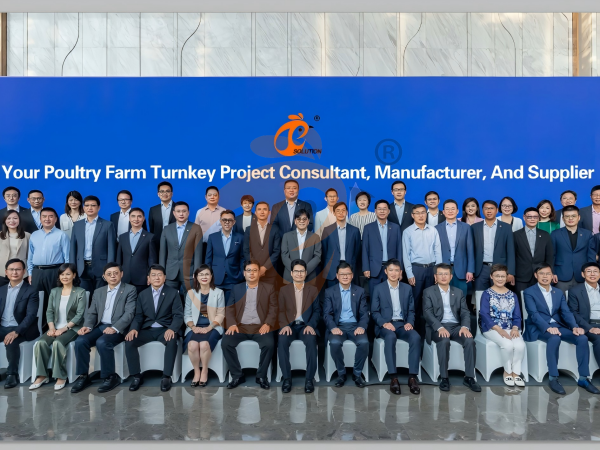
Hong Kong Headquarter Management Team
Hong Kong Headquarter Taiyu Industrial Group CO., LTD
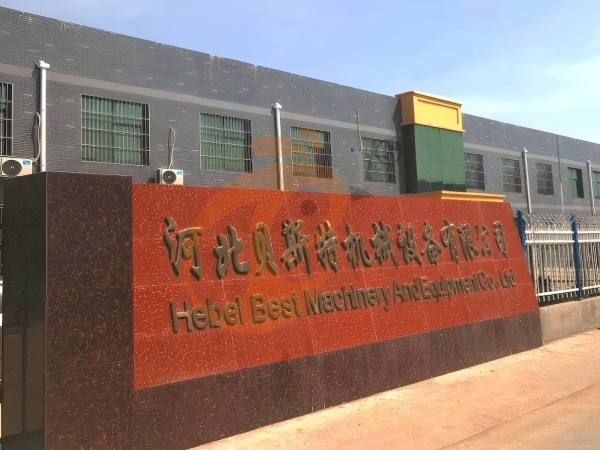
China Hebei Best Machinery And Equipment CO., LTD
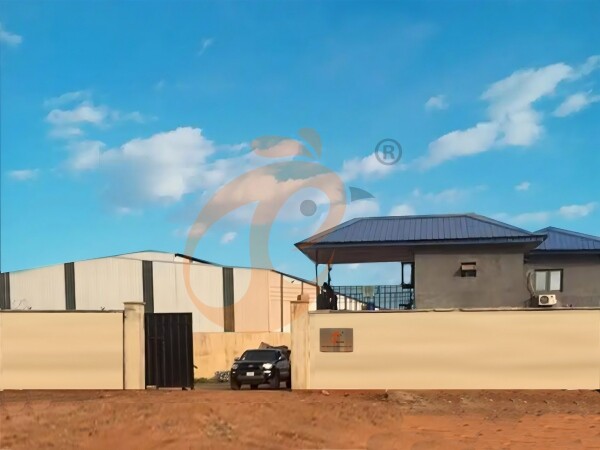
Nigeria Vanke Machinery And Equipment CO., LTD
Tanzania Best Machinery And Equipment CO., LTD
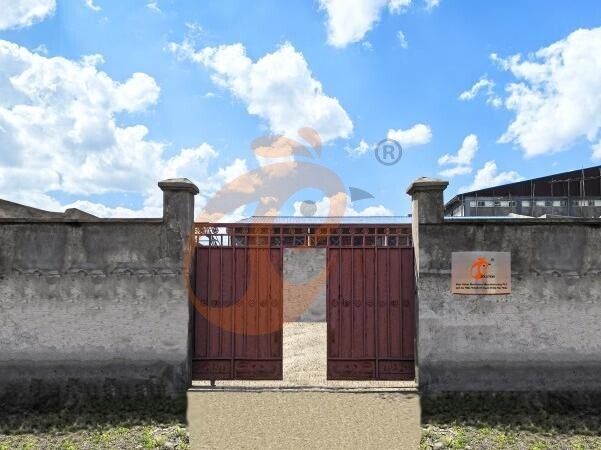
Ethiopia Best Hebei Machinery Manufacturing PLC




Reception /24 WhatsApp NO. : +8618830120193
MESSAGE
Products recommended
 HK Headquarter Offers EU-standard Poultry Farm Solutions, Manufacture Poultry Farm Equipment1. Continuous communication with the EU and the US
2. China, Nigeria, Ethiopia, Tanzania branch companies and factories
3. The products’ quality is customized for local poultry farms
4. Poultry cage and poultry farm equipment stock for sale
5. 24 online reception Whatsapp NO. : +8618830120193,contact us to get full informationRead More China Branch Offer Poultry Farm Business Plan, Manufacture Poultry Farm Equipment1. Address: Flat/RM 2416, 24/F, Runxing Building, Youyi Nan Street, Shijiazhuang City, Hebei Province, China
2. Poultry cage and poultry farm equipment factory and stock for sale
3. Customized for local poultry farms
4. Quality and design are based on Euro
5. 24 online reception Whatsapp NO. : +8618830120193Read More Nigeria Branch Offer Poultry Farm Business Plan, Manufacture Poultry Farm Equipment1. Address: After Sinoma Office, 200 Meters Near Danco Filling Station, Lagos/Ibadan Expressway, Lagos State, Nigeria
2. Poultry cage and poultry farm equipment factory and stock for sale
3. Customized for Nigerian poultry farms
4. Quality and design are based on Euro
5. 24 online reception Whatsapp NO. : +8618830120193Read More Ethiopia Branch Offer Poultry Farm Business Plan, Manufacture Poultry Farm Equipment1. Address: Gelan Gura, Akaki-kaliti Sub City, Addis Ababa, Ethiopia
2. Poultry cage and poultry farm equipment stock for sale
3. Customized for Ethiopian poultry farms
4. Quality and design are based on Euro
5. 24 online reception Whatsapp NO. : +8618830120193, contact us to get price listRead More Tanzania Branch Offer Poultry Farm Business Plan, Manufacture Poultry Farm Equipment1. Address: No.8, Sova Road, Msufini, Mlandizi, Kibaha, Pwani, Tanzania
2. Poultry cage and poultry farm equipment factory and stock for sale
3. Customized for Tanzanian poultry farms
4. Quality and design are based on Euro
5. 24 online reception Whatsapp NO. : +8618830120193Read More Automatic H Type Layer Battery Cage System1. 30,000-100,000+ layers/house chooses it
2. Structure type stacked 3-16 tiers range
3. Stocking density up to 17 birds/cage
4. Service life 25 years
5. Reception /WhatsApp NO. : +8618830120193Read More Automatic A Type Layer Battery Cage System1. 10,000-30,000+ layers/house chooses it
2. Lifespan 25+ years
3. Labor requirement 1 worker per 10,000 birds
4. Reduce disease rates by 15%-20%.
5. Reception /WhatsApp NO. : +8618830120193Read More Semi Automatic A Type Layer Battery Cage System1. 1,00-10,000+ layers/house chooses it
2. Egg breakage rate≤ 0.5%
3. Mesh spacing 2.5×2.5 cm
4. Egg collection floor slope 7–8°
5. Reception /WhatsApp NO. : +8618830120193Read More