Layer chicken cage management connects housing, feeding, drinking, climate, manure handling, lighting, and egg collection into one production strategy.
Integrated equipment planning can coordinate daily routines, protect flock consistency, and create measurable operating targets across commercial houses from placement through flock replacement stages.
Automatic feeding system design supports scheduled nutrition delivery, while controlled water access helps maintain stable consumption during changing production periods.
Automatic egg collection system layouts reduce unnecessary handling and connect cage rows with centralized packing workflows.
Practical specifications, inspection routines, expansion planning, and equipment integration form a commercial pathway toward efficient, scalable, and professionally engineered egg production.
Get professional poultry farm construction guidance, equipment selection solutions, and the latest price lists, whatsApp to +8618830120193, click to learn more.
Choose The Right Layer Cage System
Data is for reference only.Swipe horizontally to view full table.
Layer chicken cage dimensions should match flock planning, house geometry, service access, and automation requirements.
A 2.0–2.5 m service aisle can provide practical room for inspection carts, maintenance operations, and equipment replacement.
Modular galvanized structures also allow layer chicken cage projects to accommodate phased installation and future capacity planning.
Optimize Feeding Efficiency
Feed distribution becomes more predictable when an automatic feeding system replaces repeated manual transportation along cage rows.
A 0.55 kw drive motor can support a continuous feeding circuit when conveyor length, feed demand, and mechanical resistance are correctly calculated.
Operating Sequence
→ Feed storage
→ Motor-driven transportation
→ Row distribution
→ Sensor-based replenishment
→ Scheduled inspection
An automatic feeding system should also incorporate emergency access points, allowing operators to isolate individual sections during maintenance without interrupting the entire house.
Build A Reliable Drinking System
Data is for reference only.Swipe horizontally to view full table.
An automatic feeding system performs more consistently when drinking equipment remains continuously available, because feed intake and water access are closely connected operational variables.
A 30-second flushing cycle can be included within routine sanitation procedures according to water quality and line conditions.
Nipple drinking equipment can also connect with centralized filtration, dosing, and monitoring components for more structured farm management.
Control Ventilation And House Climate
Climate control should follow a coordinated sequence rather than isolated fan operation, especially around multi-tier layer chicken cage installations.
A controller with 0.5°c adjustment intervals can provide gradual environmental changes and reduce unnecessary switching between operating stages.
Control Logic
Temperature sensor → controller → air inlet → exhaust fan → cooling equipment.
Sensor locations should represent cage-level conditions rather than relying only on measurements near entrances or control rooms.
A 15-minute observation record during peak environmental periods can help technicians compare equipment response against flock behavior and house conditions.
Improve Manure Removal
Data is for reference only.Swipe horizontally to view full table.
Manure removal should be integrated with layer chicken cage design from the beginning rather than treated as an independent cleaning process.
A scheduled 15-minute removal cycle can be incorporated into operating programs according to flock conditions and waste characteristics.
Centralized discharge routes can reduce repeated manual transportation while simplifying waste collection and downstream processing.
Use Proper Lighting Management
Lighting programs influence activity patterns, production rhythm, and inspection visibility within a layer chicken cage house.
A 16-hour daily lighting schedule is commonly used during peak laying periods, while gradual 10–15 minute dimming can reduce abrupt changes in flock behavior.
Lighting Workflow
Program schedule → gradual transition → cage-zone illumination → daily inspection.
Led fixtures should be positioned according to cage arrangement, service aisles, and inspection requirements rather than simply maximizing brightness.
Automate Egg Collection
Data is for reference only.Swipe horizontally to view full table.
An automatic egg collection system connects cage rows with centralized handling, reducing repeated walking and manual carrying.
Food-grade conveyor surfaces can simplify sanitation, while a 6–8 hour daily collection schedule can be organized around farm labor and packing capacity.
When an automatic egg collection system is synchronized with cage layout, egg movement becomes a continuous workflow from laying point to collection station.
From Seven Tips To One Integrated System
A commercial house works best when each equipment group follows a coordinated production chain.
Layer Chicken Cage
↓
Automatic Feeding System
↓
Drinking And Climate Control
↓
Manure Removal
↓
Lighting Management
↓
Automatic Egg Collection System
Integrated control can centralize operating status, while a 24-hour backup power arrangement can protect critical automation during electrical interruptions.
Equipment selection should therefore begin with complete house engineering rather than purchasing individual machines separately.
A Practical Daily Management Formula
Data is for reference only.Swipe horizontally to view full table.
Daily inspection transforms automatic feeding system operation into measurable production information instead of relying only on visual judgment.
Operators can compare feed, water, climate, egg output, and manure records through a centralized maintenance log.
A two-shift inspection routine can divide technical checks between morning and afternoon teams, improving response speed when equipment abnormalities appear.
Design For Expansion, Not Just Today
Data is for reference only.Swipe horizontally to view full table.
Future expansion should be considered when the layer chicken cage layout, electrical infrastructure, water routes, and automation interfaces are first designed.
A modular project can reserve approximately 10–15% additional service capacity for future equipment connections without rebuilding major house structures.
Engineering drawings should coordinate cage rows, feed routes, water lines, manure conveyors, egg conveyors, and control cabinets before installation begins.
Conclusion: Better Equipment, Better Layer Management
Higher egg yield depends on healthy birds plus stable equipment operation, making the layer chicken cage a central component of commercial production engineering.
The seven management priorities are straightforward: cage selection, feeding, drinking, climate control, manure handling, lighting, and egg collection.
A professionally configured automatic feeding system can connect nutrition delivery with scheduled management routines and reduce repetitive manual work.
An automatic egg collection system can further connect cage rows with centralized handling, supporting organized workflows and controlled egg movement.
Commercial projects should evaluate equipment compatibility, maintenance access, automation architecture, and expansion requirements before installation.
The goal is not simply greater cage capacity, but an integrated poultry production environment supporting stable management, efficient labor utilization, and consistent egg output.
Frequently Asked Questions
Q1: What equipment should accompany a layer chicken cage system?
A1: A complete setup normally includes feeding, nipple drinking, ventilation, manure removal, lighting, and egg collection equipment, with centralized control connecting major systems.
Q2: How can an automatic feeding system improve layer-house management?
A2: Scheduled distribution can reduce repetitive manual feeding, while a 0.55 kw drive configuration can support continuous conveyor operation when correctly engineered.
Q3: Why is an automatic egg collection system valuable for commercial farms?
A3: Centralized collection reduces manual carrying and organizes egg flow, with conveyor capacity commonly designed around 8,000–12,000 eggs per hour.
Taiyu (HK) Group - One Of China Largest Layer Chicken Cage Manufacturer
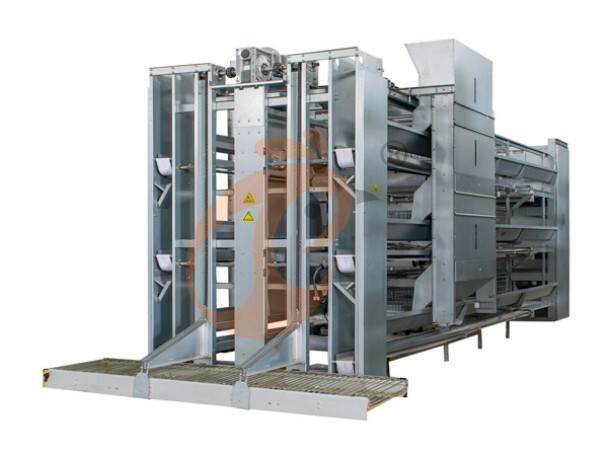
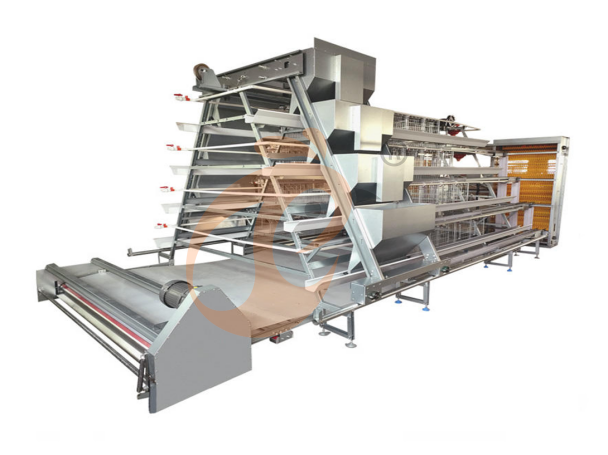
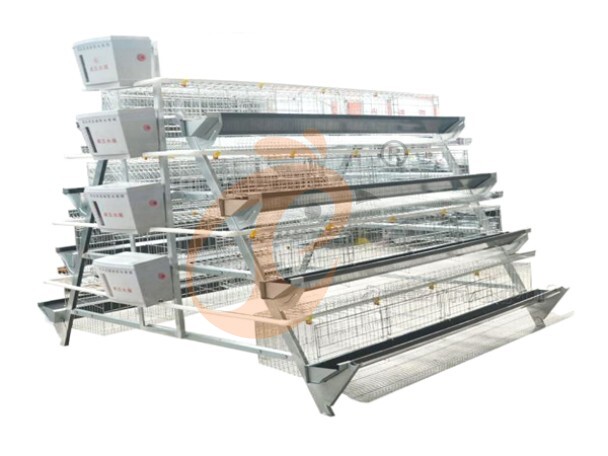
Layer chicken cage systems combine galvanized housing, feeding interfaces, drinking lines, manure removal, and egg collection into coordinated commercial production equipment.
Global factory-direct supply covers poultry equipment engineering, component manufacturing, production-line integration, quality inspection, and international project delivery.
Turn-key engineering can coordinate house layout, layer chicken cage installation, automatic feeding system deployment, environmental control, and commissioning.
Project teams can configure poultry equipment according to flock capacity, building dimensions, automation requirements, electrical architecture, and planned expansion.
International projects can receive integrated technical documentation, equipment coordination, installation guidance, commissioning support, and after-sales engineering services.
Contact Us To Received Your Customized Poultry Farm Plan
Headquarters And Branchs
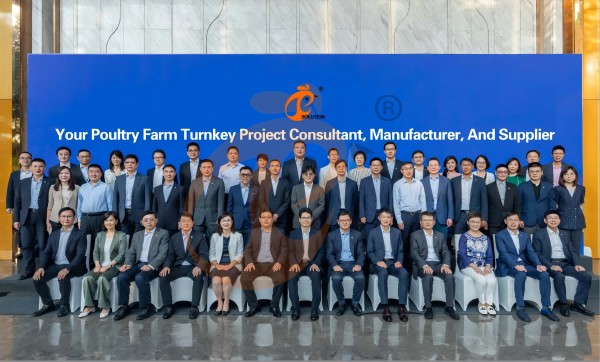
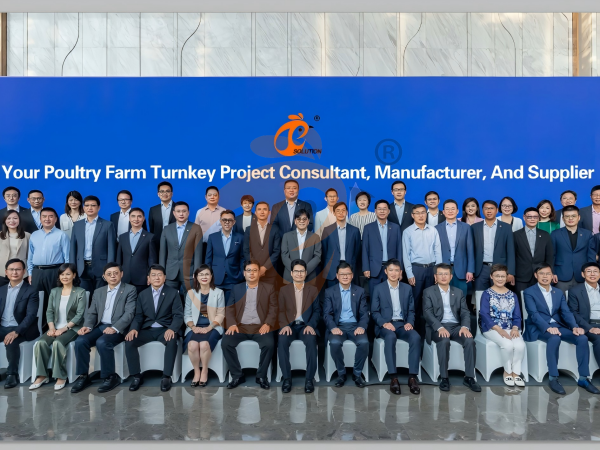
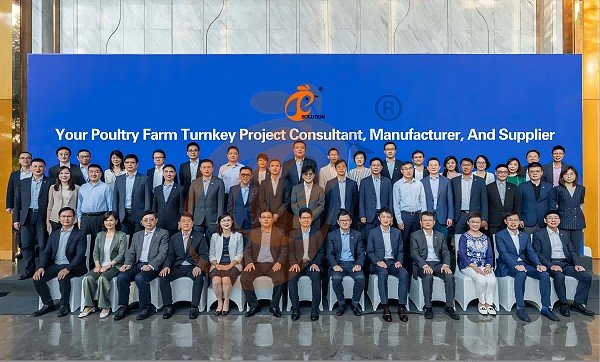
Hong Kong Headquarter Management Team
Hong Kong Headquarter Taiyu Industrial Group CO., LTD
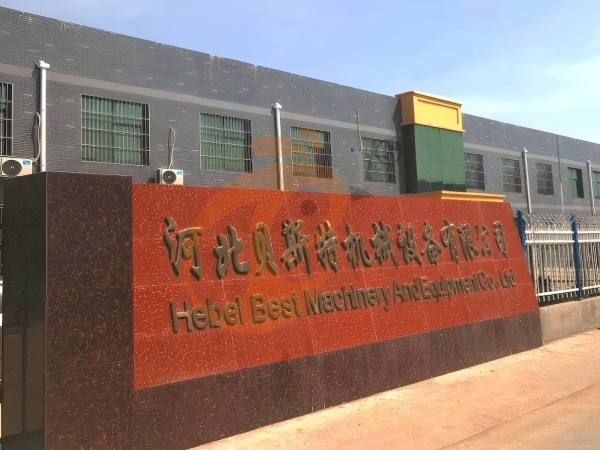
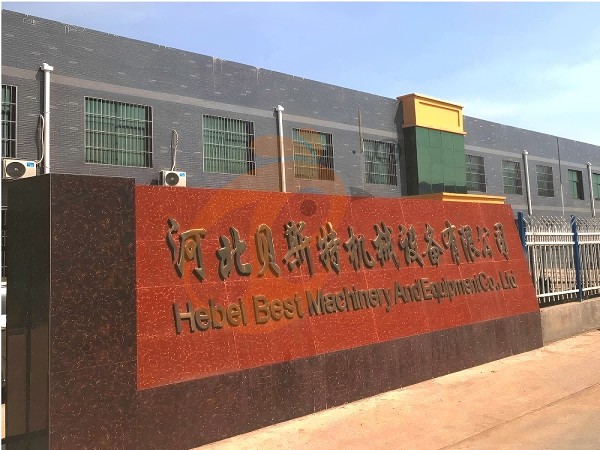
China Hebei Best Machinery And Equipment CO., LTD
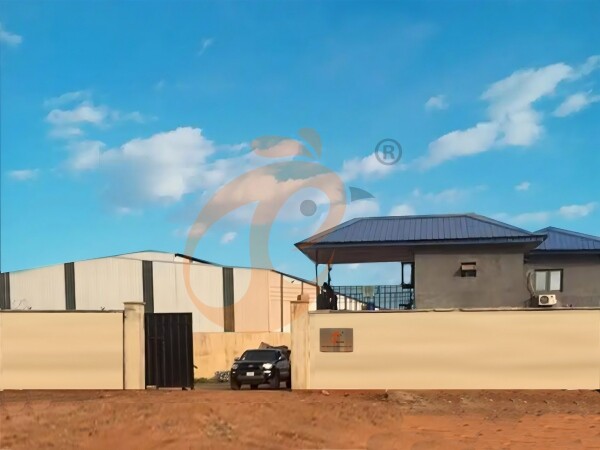
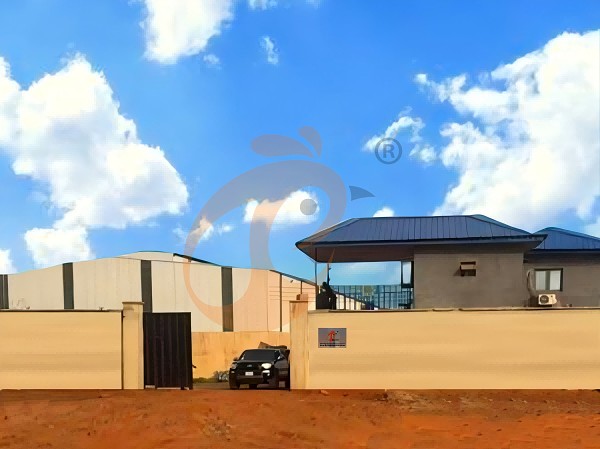
Nigeria Vanke Machinery And Equipment CO., LTD
Tanzania Best Machinery And Equipment CO., LTD
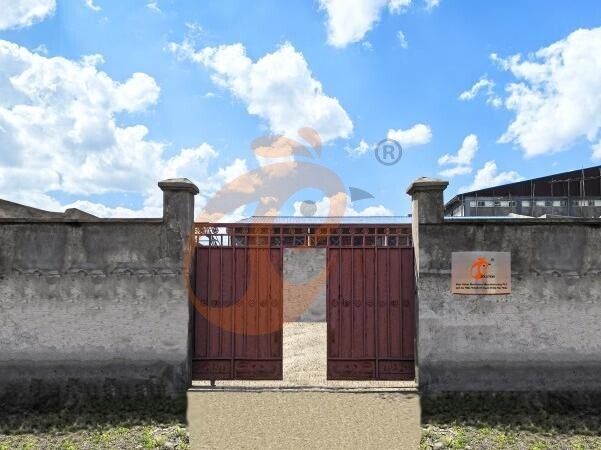
Ethiopia Best Hebei Machinery Manufacturing PLC
Reception /24 WhatsApp NO. : +8618830120193
MESSAGE
Products recommended
 HK Headquarter Offers EU-standard Poultry Farm Solutions, Manufacture Poultry Farm Equipment1. Continuous communication with the EU and the US
2. China, Nigeria, Ethiopia, Tanzania branch companies and factories
3. The products’ quality is customized for local poultry farms
4. Poultry cage and poultry farm equipment stock for sale
5. 24 online reception Whatsapp NO. : +8618830120193,contact us to get full informationRead More China Branch Offer Poultry Farm Business Plan, Manufacture Poultry Farm Equipment1. Address: Flat/RM 2416, 24/F, Runxing Building, Youyi Nan Street, Shijiazhuang City, Hebei Province, China
2. Poultry cage and poultry farm equipment factory and stock for sale
3. Customized for local poultry farms
4. Quality and design are based on Euro
5. 24 online reception Whatsapp NO. : +8618830120193Read More Nigeria Branch Offer Poultry Farm Business Plan, Manufacture Poultry Farm Equipment1. Address: After Sinoma Office, 200 Meters Near Danco Filling Station, Lagos/Ibadan Expressway, Lagos State, Nigeria
2. Poultry cage and poultry farm equipment factory and stock for sale
3. Customized for Nigerian poultry farms
4. Quality and design are based on Euro
5. 24 online reception Whatsapp NO. : +8618830120193Read More Ethiopia Branch Offer Poultry Farm Business Plan, Manufacture Poultry Farm Equipment1. Address: Gelan Gura, Akaki-kaliti Sub City, Addis Ababa, Ethiopia
2. Poultry cage and poultry farm equipment stock for sale
3. Customized for Ethiopian poultry farms
4. Quality and design are based on Euro
5. 24 online reception Whatsapp NO. : +8618830120193, contact us to get price listRead More Tanzania Branch Offer Poultry Farm Business Plan, Manufacture Poultry Farm Equipment1. Address: No.8, Sova Road, Msufini, Mlandizi, Kibaha, Pwani, Tanzania
2. Poultry cage and poultry farm equipment factory and stock for sale
3. Customized for Tanzanian poultry farms
4. Quality and design are based on Euro
5. 24 online reception Whatsapp NO. : +8618830120193Read More Automatic H Type Layer Battery Cage System1. 30,000-100,000+ layers/house chooses it
2. Structure type stacked 3-16 tiers range
3. Stocking density up to 17 birds/cage
4. Service life 25 years
5. Reception /WhatsApp NO. : +8618830120193Read More Automatic A Type Layer Battery Cage System1. 10,000-30,000+ layers/house chooses it
2. Lifespan 25+ years
3. Labor requirement 1 worker per 10,000 birds
4. Reduce disease rates by 15%-20%.
5. Reception /WhatsApp NO. : +8618830120193Read More Semi Automatic A Type Layer Battery Cage System1. 1,00-10,000+ layers/house chooses it
2. Egg breakage rate≤ 0.5%
3. Mesh spacing 2.5×2.5 cm
4. Egg collection floor slope 7–8°
5. Reception /WhatsApp NO. : +8618830120193Read More