Nipple drinker systems support efficient chicken-house hydration, combining adjustable lines, automatic chicken drinker technology, and practical management across commercial flocks.
Proper positioning supports drinking behavior, while poultry nipple drinker system design coordinates water delivery, filtration, suspension, and adjustment throughout growth.
Automatic poultry watering system engineering reduces handling time through centralized lifting, precise pressure control, durable components, and modular pipeline architecture.
Practical checks cover bird posture, hydraulic performance, leakage control, equipment selection, maintenance points, and measurable operating specifications for production teams.
- Commercial buyers gain a framework for selecting nipple drinker solutions with scalable layouts, serviceable components, and compatibility across poultry-house projects.
Get professional poultry farm construction guidance, equipment selection solutions, and the latest price lists, whatsApp to +8618830120193, click to learn more.
Why Nipple Drinker Height Matters
Nipple drinker positioning directly affects how chickens approach the drinking point and how effectively a poultry watering system operates.
A professional nipple drinker configuration can use a 2.5 m drinking-line section with continuous suspension, while 360° actuator nipples support access from multiple approach angles.
A professional nipple drinker system should combine the drinker, water pipe, pressure regulation, filtration, and suspension structure rather than treating height adjustment as an isolated installation task.
Stainless-steel nipple drinker components with a 0.2 mm valve sealing tolerance and corrosion-resistant construction can contribute to consistent operation throughout a production cycle.
The right nipple drinker configuration supports easier drinking, cleaner housing, and more controlled equipment performance.
Adjust According To Bird Age
Data is for reference only.Swipe horizontally to view full table.
Nipple drinker lines should be repositioned as birds gain body size instead of remaining at the original installation setting.
A practical adjustment schedule can use 7-day flock inspections, allowing operators to verify posture and accessibility during routine automatic chicken drinker management.
A nipple drinker suspension mechanism with 10 mm adjustment resolution provides finer positioning control than systems requiring larger manual movements.
Use Bird Posture As The Adjustment Reference
Watch → compare → adjust → recheck
Watch several birds using the nipple drinker instead of judging installation from one individual.
During normal drinking, each bird should approach the nipple drinker, activate the valve, and swallow without repeatedly changing position.
A 3–5 minute observation period can provide an operational sample, while a poultry nipple drinker system equipped with a 50–70 mm suspension pulley can support smoother repositioning.
Use these practical visual checkpoints
- Neck movement remains controlled.
- Head movement stays coordinated with nipple activation.
- Feet maintain stable floor contact.
- Body movement remains balanced.
- Nipple activation occurs without repeated attempts.
Automatic poultry watering system equipment becomes more valuable when adjustment can be performed quickly after observing flock behavior.
Check Height And Water Delivery Together
Data is for reference only.Swipe horizontally to view full table.
Nipple drinker height should never be evaluated independently from hydraulic performance.
A nipple drinker can remain physically aligned while water delivery becomes inconsistent because of pressure, filtration, or pipeline conditions.
An 8–12 mm internal water-channel diameter can influence valve response, while maintaining drinking-water ph around 6.5–8.5 supports stable system operation.
Automatic chicken drinker equipment should therefore be specified as an integrated assembly covering hydraulic and mechanical requirements.
Choose Equipment Designed For Fast Adjustment
House A
Workers manually reposition individual nipple drinker components whenever bird size changes.
House B
A centralized nipple drinker suspension system raises the complete line through one coordinated lifting mechanism.
The second configuration provides a stronger equipment proposition because operators can reposition an entire line instead of repeatedly adjusting individual drinking points.
A galvanized support cable with a 2.0–3.0 mm steel-wire diameter can provide structural support, while a 1.2–1.5 mm stainless-steel nipple-pin diameter can match suitable nipple drinker models.
Poultry nipple drinker system engineering therefore turns routine height adjustment into a controlled equipment-management process.
Prevent Wet Litter Through Better Adjustment
Data is for reference only.Swipe horizontally to view full table.
Nipple drinker adjustment should be treated as an equipment-performance issue rather than simply a housekeeping task.
A precision nipple drinker assembly using 304 stainless-steel contact surfaces can provide corrosion resistance in humid poultry-house conditions.
After every adjustment, inspect the nipple drinker and surrounding floor because a 30 mm line movement can change the relationship between actuator position, bird access, and litter surface.
Automatic poultry watering system maintenance becomes more predictable when height and leakage checks are incorporated into the same inspection routine.
The 30-Second Height Check
Data is for reference only.Swipe horizontally to view full table.
Nipple drinker inspection becomes more effective when operators use measurable checkpoints instead of visual impressions.
A 0.01 bar digital pressure-gauge display resolution can make small hydraulic changes easier to identify during commissioning.
Graduated suspension markings can also simplify repeated nipple drinker adjustments, with a 20 mm reference interval providing a practical positioning guide.
What Happens When The Height Is Incorrect?
Data is for reference only.Swipe horizontally to view full table.
Nipple drinker positioning problems can be identified through measurable bird behavior rather than generic positioning descriptions.
During commissioning, operators can record representative neck-extension distances of 20–40 mm and compare observations after adjustment.
Flock uniformity also matters, particularly when approximately 5–10% body-weight variation exists within a group.
A poultry nipple drinker system should therefore accommodate representative flock variation rather than relying on one bird as the installation reference.
Build The Drinking System Around Growing Birds
Data is for reference only.Swipe horizontally to view full table.
Nipple drinker equipment should be engineered as one coordinated assembly rather than a collection of unrelated components.
The relationship between pipe construction, valve operation, pressure control, and suspension determines how reliably an automatic chicken drinker system performs during production.
A 22 mm push-fit connection can simplify pipeline servicing, while modular nipple drinker components can reduce replacement work when individual parts require maintenance.
Automatic poultry watering system suppliers should provide compatible interfaces so equipment can be integrated during both new-house construction and system upgrades.
Fixed Drinker Vs. Adjustable Nipple System
Data is for reference only.Swipe horizontally to view full table.
Nipple drinker systems provide an adjustable architecture for commercial poultry houses where bird dimensions change throughout production.
A suspended line can provide approximately 300–600 mm vertical travel, allowing one infrastructure set to accommodate substantial growth without rebuilding the pipeline.
Automatic chicken drinker systems also provide on-demand water delivery instead of maintaining an exposed water surface throughout the house.
For commercial operators, poultry nipple drinker system flexibility becomes especially valuable when multiple houses require standardized equipment management.
What Professional Poultry Equipment Should Deliver
Data is for reference only.Swipe horizontally to view full table.
Actual service life depends on water chemistry, cleaning procedures, installation conditions, and operating frequency.
Nipple drinker equipment selection should include verified materials, compatible interfaces, installation tolerances, and defined operating conditions.
Sus304 wetted components provide a clear material specification, while a 22 mm standardized interface can support consistent project planning and replacement-part organization.
For oem and project installations, automatic poultry watering system suppliers should define engineering parameters before production rather than relying on generic catalog descriptions.
Turn Nipple Adjustment Into Better Poultry-House Management
Data is for reference only.Swipe horizontally to view full table.
Nipple drinker height adjustment ultimately belongs to equipment engineering rather than isolated daily handling.
A complete nipple drinker solution should provide measurable control over line position, hydraulic conditions, maintenance, and operational consistency.
For project procurement, buyers should evaluate lifting range, pipe dimensions, valve construction, pressure-control components, suspension structure, and oem interface requirements before final equipment selection.
A poultry nipple drinker system becomes more commercially useful when engineering specifications align with house dimensions, flock growth, installation method, and maintenance planning.
Frequently Asked Questions
Q1: What is the best nipple drinker height for growing chickens?
A1: Nipple drinker height should follow bird development and drinking posture rather than one fixed measurement.
A practical adjustment cycle can use weekly observation, with the line repositioned according to flock size and access conditions.
Q2: How often should nipple drinker height be adjusted?
A2: Nipple drinker height should be checked during routine flock inspections and after noticeable changes in bird body size.
Automatic chicken drinker systems with centralized suspension can simplify adjustment, while 10 mm positioning resolution supports more precise corrections.
Q3: Why does nipple drinker height affect water management?
A3: Incorrect nipple drinker positioning can influence bird contact, valve activation, and water spillage.
A poultry nipple drinker system should therefore combine height adjustment with pressure, leakage, and pipeline inspections during regular management.
Taiyu (HK) Group - One Of China Largest Nipple Drinker Manufacturer
Nipple drinker systems integrate adjustable suspension, precision valves, and hydraulic control, with 300–600 mm lifting travel supporting commercial growth-cycle adjustment.
Global factory-direct nipple drinker supply covers poultry equipment manufacturing, component integration, oem specifications, and standardized production for international procurement programs.
Poultry equipment projects can combine nipple drinker lines with feeding, ventilation, environmental control, and structural systems under coordinated engineering documentation.
Turn-key nipple drinker engineering supports house planning, equipment configuration, installation coordination, commissioning, and production handover across complete poultry-house projects.
Nipple drinker manufacturing capacity supports containerized export programs, project-based specifications, replacement components, and technical documentation for overseas poultry equipment buyers.
Contact Us To Received Your Customized Poultry Farm Plan
Headquarters And Branchs
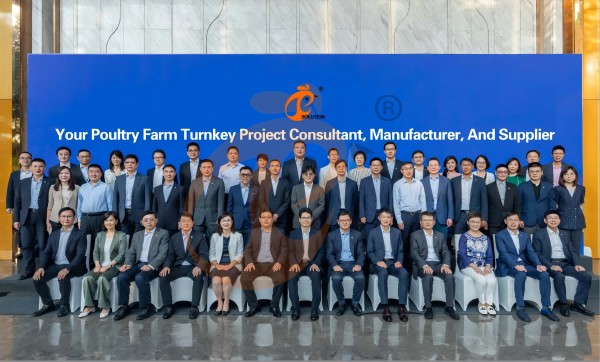
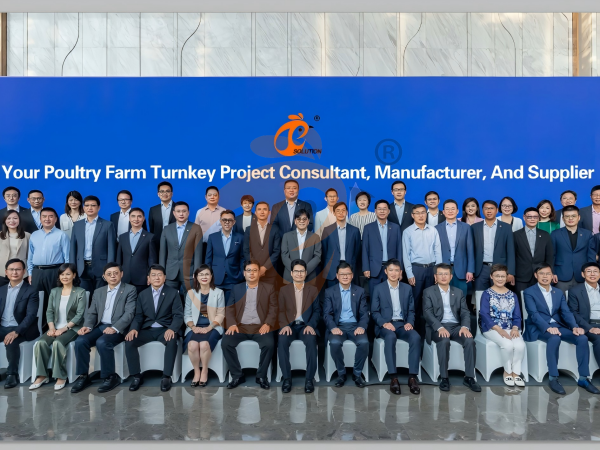
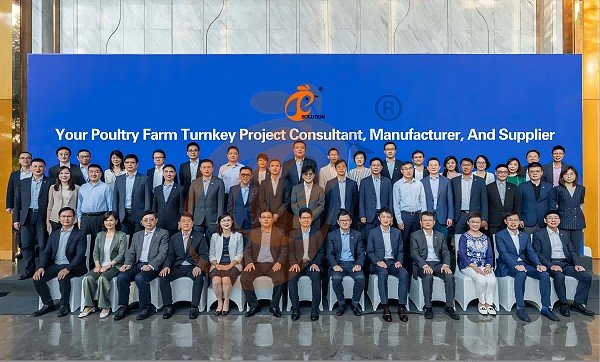
Hong Kong Headquarter Management Team
Hong Kong Headquarter Taiyu Industrial Group CO., LTD
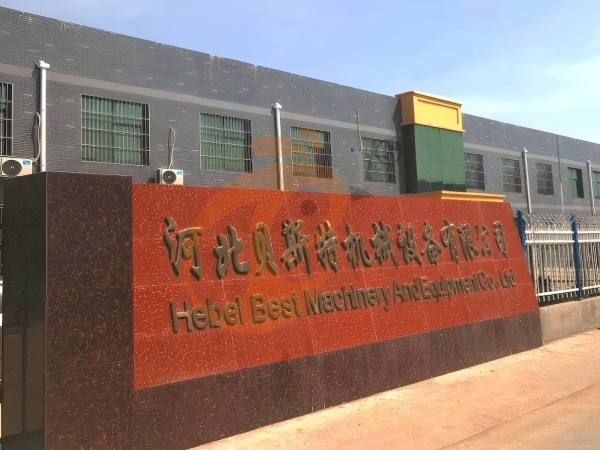
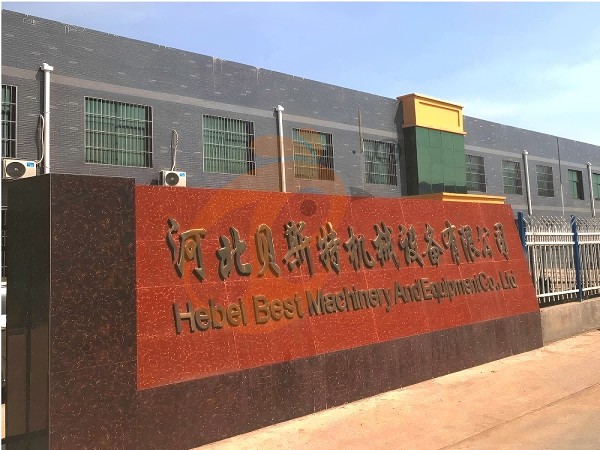
China Hebei Best Machinery And Equipment CO., LTD
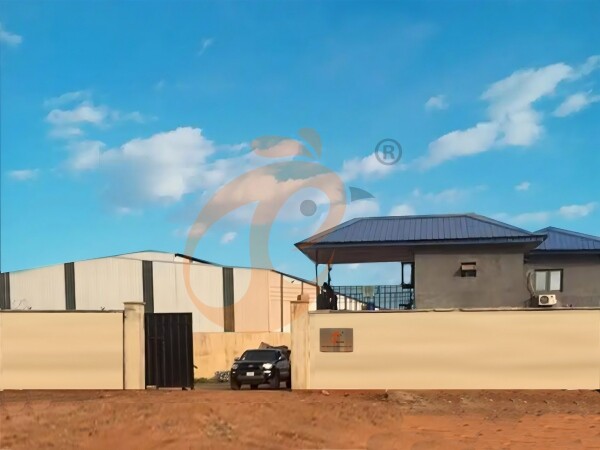
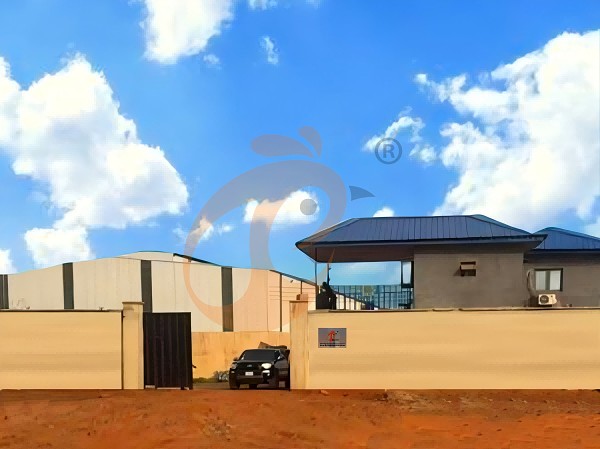
Nigeria Vanke Machinery And Equipment CO., LTD
Tanzania Best Machinery And Equipment CO., LTD
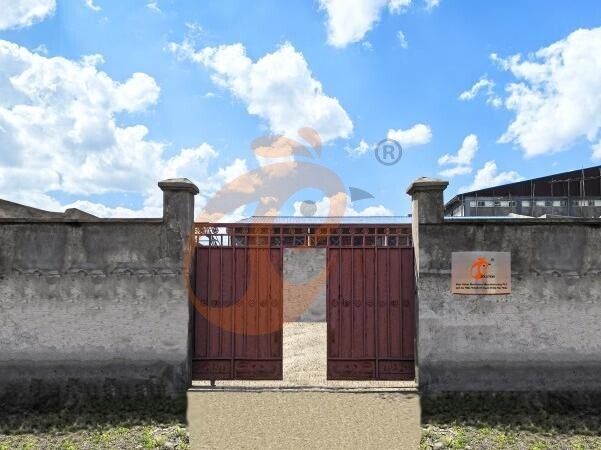
Ethiopia Best Hebei Machinery Manufacturing PLC
Reception /24 WhatsApp NO. : +8618830120193
MESSAGE
Products recommended
 HK Headquarter Offers EU-standard Poultry Farm Solutions, Manufacture Poultry Farm Equipment1. Continuous communication with the EU and the US
2. China, Nigeria, Ethiopia, Tanzania branch companies and factories
3. The products’ quality is customized for local poultry farms
4. Poultry cage and poultry farm equipment stock for sale
5. 24 online reception Whatsapp NO. : +8618830120193,contact us to get full informationRead More China Branch Offer Poultry Farm Business Plan, Manufacture Poultry Farm Equipment1. Address: Flat/RM 2416, 24/F, Runxing Building, Youyi Nan Street, Shijiazhuang City, Hebei Province, China
2. Poultry cage and poultry farm equipment factory and stock for sale
3. Customized for local poultry farms
4. Quality and design are based on Euro
5. 24 online reception Whatsapp NO. : +8618830120193Read More Nigeria Branch Offer Poultry Farm Business Plan, Manufacture Poultry Farm Equipment1. Address: After Sinoma Office, 200 Meters Near Danco Filling Station, Lagos/Ibadan Expressway, Lagos State, Nigeria
2. Poultry cage and poultry farm equipment factory and stock for sale
3. Customized for Nigerian poultry farms
4. Quality and design are based on Euro
5. 24 online reception Whatsapp NO. : +8618830120193Read More Ethiopia Branch Offer Poultry Farm Business Plan, Manufacture Poultry Farm Equipment1. Address: Gelan Gura, Akaki-kaliti Sub City, Addis Ababa, Ethiopia
2. Poultry cage and poultry farm equipment stock for sale
3. Customized for Ethiopian poultry farms
4. Quality and design are based on Euro
5. 24 online reception Whatsapp NO. : +8618830120193, contact us to get price listRead More Tanzania Branch Offer Poultry Farm Business Plan, Manufacture Poultry Farm Equipment1. Address: No.8, Sova Road, Msufini, Mlandizi, Kibaha, Pwani, Tanzania
2. Poultry cage and poultry farm equipment factory and stock for sale
3. Customized for Tanzanian poultry farms
4. Quality and design are based on Euro
5. 24 online reception Whatsapp NO. : +8618830120193Read More Automatic H Type Layer Battery Cage System1. 30,000-100,000+ layers/house chooses it
2. Structure type stacked 3-16 tiers range
3. Stocking density up to 17 birds/cage
4. Service life 25 years
5. Reception /WhatsApp NO. : +8618830120193Read More Automatic A Type Layer Battery Cage System1. 10,000-30,000+ layers/house chooses it
2. Lifespan 25+ years
3. Labor requirement 1 worker per 10,000 birds
4. Reduce disease rates by 15%-20%.
5. Reception /WhatsApp NO. : +8618830120193Read More Semi Automatic A Type Layer Battery Cage System1. 1,00-10,000+ layers/house chooses it
2. Egg breakage rate≤ 0.5%
3. Mesh spacing 2.5×2.5 cm
4. Egg collection floor slope 7–8°
5. Reception /WhatsApp NO. : +8618830120193Read More