Pellet machine efficiency drives Ethiopian biomass pellet production and energy saving tips.
Reducing energy consumption lowers operational cost per ton and diesel fuel usage.
Local feedstock includes coffee husks, teff straw, enset fiber, and eucalyptus sawdust.
Efficient machines support environmental sustainability and reduce maintenance.
Hybrid power solutions improve reliability in regions with grid instability.
Get professional poultry farm construction guidance, equipment selection solutions, and the latest price lists, whatsApp to +8618830120193, click to learn more.

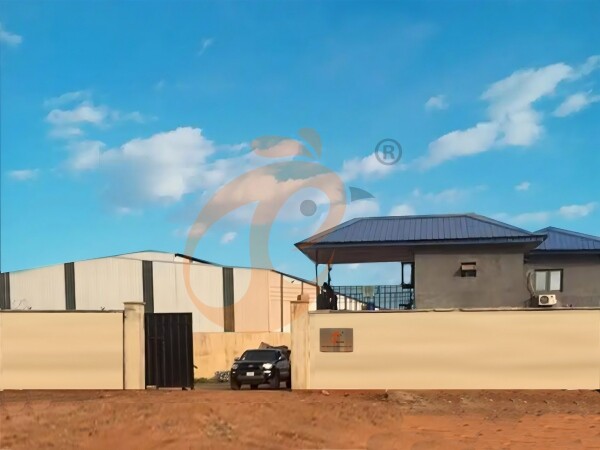
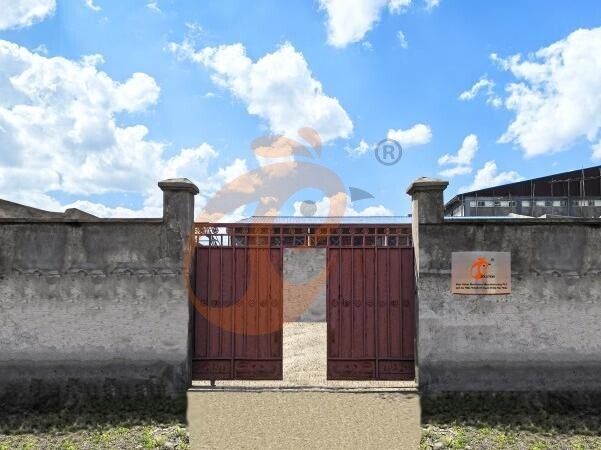
Ethiopia Branch Office And Factory Of Poultry Farm Equipment
Why Energy Efficiency Matters In Ethiopia
Energy Prices Fluctuate Due To
Scheduled grid outages and unstable supply.
Reliance on imported diesel for backup power.
Growing pellet production in Oromia, Amhara, and Southern Nations.
Government push toward renewable energy.
Benefits Of Improved Efficiency
Reduced operational cost per ton (Ethiopian Birr).
Lower diesel consumption during outages.
Decreased maintenance from overheating.
Support environmental targets.
Understanding Pellet Machine Energy Consumption
Energy Use Depends On
Moisture content, particle size, and feedstock bulk density.
Machine type, design, and process flow.
Common Ethiopian feedstock
Coffee husks (Sidama, Yirgacheffe)
Teff straw (central highlands)
Enset fiber (Southern regions)
Eucalyptus sawdust
Tip Optimize Feedstock Preparation
Proper feedstock preparation is crucial to reduce grinding and pressing energy.
In Ethiopia, uneven particle size or high moisture can significantly increase electricity consumption.
Selecting feedstock with naturally lower moisture and higher density is cost effective.
Data is for reference only.Swipe horizontally to view full table.
Choosing the right feedstock can reduce electricity costs by 20–40% in Ethiopian pellet plants.
Pre-blending residues and sorting by particle size further optimizes energy use and lowers Ethiopian Birr expenses.
Tip Match Pellet Machine Type To Ethiopian Conditions
Different machines perform variably depending on feedstock and climate.
Ethiopian cooperatives often face higher energy use with flat die small units on high-moisture residues.
Investing in integrated drying and pelleting units can reduce energy consumption significantly.
Data is for reference only.Swipe horizontally to view full table.
Selecting the correct machine type helps Ethiopian producers balance electricity use with production output.
Integrated units are particularly valuable in lowland regions with humid feedstock, reducing Ethiopian Birr energy costs.
Tip Improve Electricity Stability And Backup Planning
Grid instability increases operational energy costs.
Hybrid systems with solar and battery backup reduce reliance on diesel generators in rural Ethiopia.
Data is for reference only.Swipe horizontally to view full table.
Planning generator and hybrid usage reduces Ethiopian Birr fuel costs and mitigates downtime due to grid outages.
Ethiopian farms can schedule production around peak grid times for efficiency.
Tip Adopt Pre-Conditioning And Moisture Control
Maintaining optimal moisture is critical for energy efficiency.
Many Ethiopian producers face seasonal humidity variations that increase drying and grinding energy.
Data is for reference only.Swipe horizontally to view full table.
Controlling moisture near 12% reduces energy waste and improves pellet quality.
Solar dryers and frequent checks are low cost ways to maintain consistent feedstock moisture.
Tip Routine Machine Maintenance
Efficient machines consume less energy.
Poor maintenance increases friction and Ethiopian Birr costs in Ethiopian plants.
Data is for reference only.Swipe horizontally to view full table.
Regular maintenance extends machine life and reduces energy consumed per ton.
Ethiopian operators can implement scheduled checks to minimize unexpected downtime.
Ethiopian Case Study
A Bahir Dar Medium-Sized Plant Applied
Moisture pre-conditioning 18% → 12%
Solar-hybrid backup replacing diesel generator
Standardized machine maintenance
Data is for reference only.Swipe horizontally to view full table.
These adjustments reduced Ethiopian Birr energy costs, increased output, and decreased environmental impact.
Expanded Tables On Ethiopia-Specific Factors
Data is for reference only.Swipe horizontally to view full table.
These availability numbers allow Ethiopian producers to plan feedstock sourcing strategically.
Pooling resources regionally can stabilize pellet production and energy use.
Data is for reference only.Swipe horizontally to view full table.
Choosing the right electricity provider can lower Ethiopian Birr costs and ensure reliable pellet production in Ethiopia.
Frequently Asked Questions
Q1: What is the best way to reduce energy consumption for pellet machines in Ethiopia?
A1: Maintain moisture, hybrid power, and scheduled maintenance for efficiency.
Q2: Which feedstock is most energy efficient for Ethiopian pellet production?
A2: Coffee husks and eucalyptus sawdust require less energy in processing.
Q3: How can rural cooperatives implement energy saving tips effectively?
A3: Coordinate feedstock prep, monitor machines, and pool resources.
Ethiopia Best Hebei Machinery Manufacturing Plc - One Of Ethiopia Toppest Pellet Machine Manufacturer
Global factory direct sales with competitive Ethiopian Birr pricing.
Turn key solutions including complete poultry farm equipment.
Customizable poultry cage systems for operational efficiency.
Real operational parameters for pellet machine supplied.
Local Ethiopian after sales support network.
Contact Us To Received Your Customized Poultry Farm Plan
Headquarters And Branchs

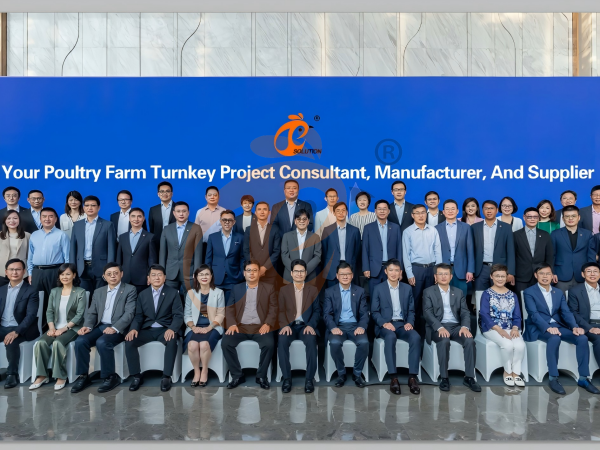
Hong Kong Headquarter Management Team
Hong Kong Headquarter Taiyu Industrial Group CO., LTD
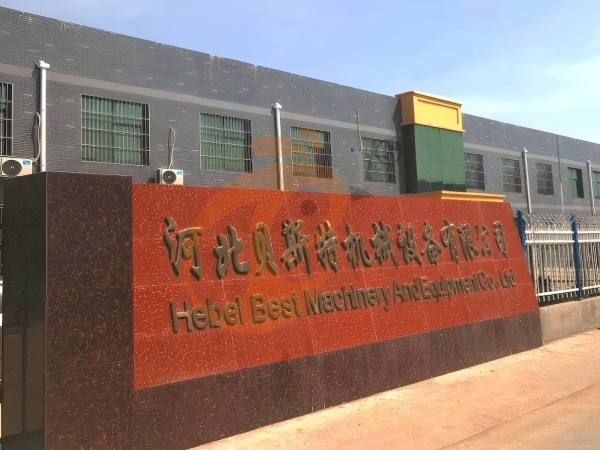
China Hebei Best Machinery And Equipment CO., LTD
Nigeria Vanke Machinery And Equipment CO., LTD
Tanzania Best Machinery And Equipment CO., LTD
Ethiopia Best Hebei Machinery Manufacturing PLC




Reception /24 WhatsApp NO. : +8618830120193
MESSAGE
Products recommended
 HK Headquarter Offers EU-standard Poultry Farm Solutions, Manufacture Poultry Farm Equipment1. Continuous communication with the EU and the US
2. China, Nigeria, Ethiopia, Tanzania branch companies and factories
3. The products’ quality is customized for local poultry farms
4. Poultry cage and poultry farm equipment stock for sale
5. 24 online reception Whatsapp NO. : +8618830120193,contact us to get full informationRead More China Branch Offer Poultry Farm Business Plan, Manufacture Poultry Farm Equipment1. Address: Flat/RM 2416, 24/F, Runxing Building, Youyi Nan Street, Shijiazhuang City, Hebei Province, China
2. Poultry cage and poultry farm equipment factory and stock for sale
3. Customized for local poultry farms
4. Quality and design are based on Euro
5. 24 online reception Whatsapp NO. : +8618830120193Read More Nigeria Branch Offer Poultry Farm Business Plan, Manufacture Poultry Farm Equipment1. Address: After Sinoma Office, 200 Meters Near Danco Filling Station, Lagos/Ibadan Expressway, Lagos State, Nigeria
2. Poultry cage and poultry farm equipment factory and stock for sale
3. Customized for Nigerian poultry farms
4. Quality and design are based on Euro
5. 24 online reception Whatsapp NO. : +8618830120193Read More Ethiopia Branch Offer Poultry Farm Business Plan, Manufacture Poultry Farm Equipment1. Address: Gelan Gura, Akaki-kaliti Sub City, Addis Ababa, Ethiopia
2. Poultry cage and poultry farm equipment stock for sale
3. Customized for Ethiopian poultry farms
4. Quality and design are based on Euro
5. 24 online reception Whatsapp NO. : +8618830120193, contact us to get price listRead More Tanzania Branch Offer Poultry Farm Business Plan, Manufacture Poultry Farm Equipment1. Address: No.8, Sova Road, Msufini, Mlandizi, Kibaha, Pwani, Tanzania
2. Poultry cage and poultry farm equipment factory and stock for sale
3. Customized for Tanzanian poultry farms
4. Quality and design are based on Euro
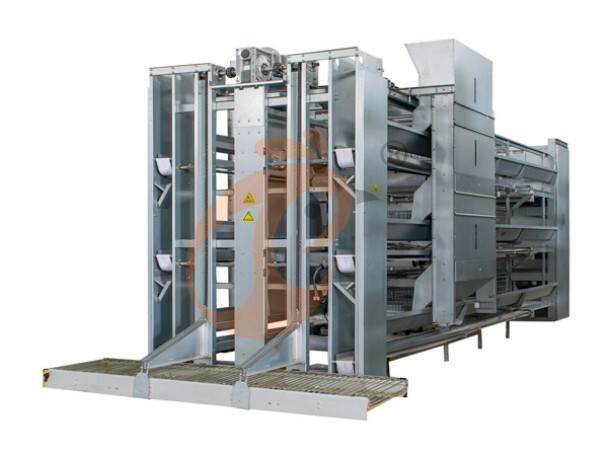
5. 24 online reception Whatsapp NO. : +8618830120193Read More Automatic H Type Layer Battery Cage System1. 30,000-100,000+ layers/house chooses it
2. Structure type stacked 3-16 tiers range
3. Stocking density up to 17 birds/cage
4. Service life 25 years
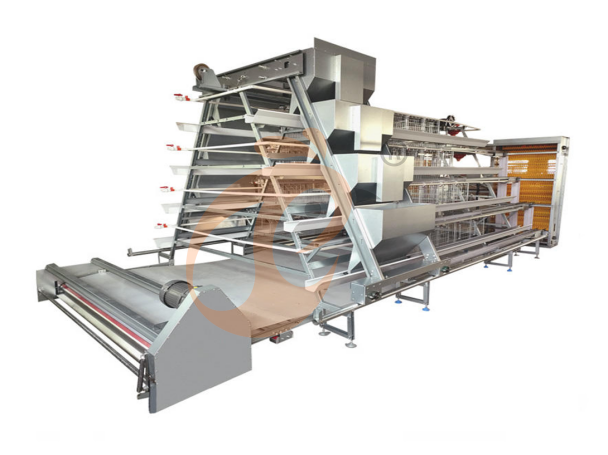
5. Reception /WhatsApp NO. : +8618830120193Read More Automatic A Type Layer Battery Cage System1. 10,000-30,000+ layers/house chooses it
2. Lifespan 25+ years
3. Labor requirement 1 worker per 10,000 birds
4. Reduce disease rates by 15%-20%.
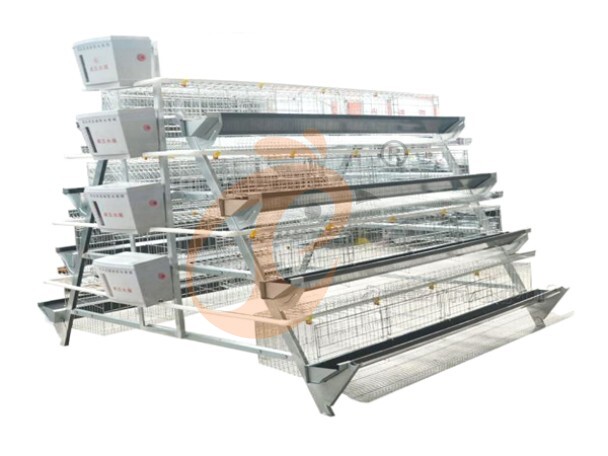
5. Reception /WhatsApp NO. : +8618830120193Read More Semi Automatic A Type Layer Battery Cage System1. 1,00-10,000+ layers/house chooses it
2. Egg breakage rate≤ 0.5%
3. Mesh spacing 2.5×2.5 cm
4. Egg collection floor slope 7–8°
5. Reception /WhatsApp NO. : +8618830120193Read More