Pellet machine performance connects grinding, mixing, conditioning, pelleting, cooling, and screening into one profitable production chain with precise process control and reliable poultry equipment integration.
Poultry feed pellet machine selection determines material compatibility, automation flexibility, maintenance planning, and production continuity across changing chicken-feed formulas.
Chicken feed pellet machine operation benefits from controlled particle structure, consistent conditioning, correctly engineered dies, stable mechanical loading, and systematic cooling.
Integrated equipment design can coordinate conveying, dust collection, recycling, storage, and plcmanagement while reducing unnecessary handling and process interruptions.
- Commercial projects can combine modular equipment, turn-key engineering, and scalable layouts to support farm expansion, consistent feed quality, and long-term production economics.
Get professional poultry farm construction guidance, equipment selection solutions, and the latest price lists, whatsApp to +8618830120193, click to learn more.
The Production Chain: Start With Equipment Matching
A profitable poultry feed operation begins before the pellet machine starts.
The complete system should connect grinding, batching, mixing, conditioning, pelletizing, cooling, screening, and conveying without creating a capacity bottleneck.
For chicken farms and commercial feed mills, equipment matching determines whether the pellet machine becomes a production engine or an expensive waiting point.
A properly engineered line can also integrate automated feeding, dust collection, silo management, and plc control.
For example, keeping conveyor reserve capacity at 15% and maintaining recipe weighing accuracy around ±0.2% helps protect continuous operation.
Prepare Raw Materials With Controlled Particle Structure
Data is for reference only.Swipe horizontally to view full table.
Particle preparation directly affects pellet formation because the pellet machine must compress a consistent feed structure.
A chicken feed pellet machine using a controlled grinding system can reduce segregation before pelleting, while automated material transfer keeps operators focused on production rather than manual handling.
Our poultry feed pellet machine solutions can be configured around different raw-material formulas, farm sizes, and production targets.
Instead of selling an isolated machine, the objective is to build a synchronized feed-processing system around the pellet machine.
Build A Uniform Formula Before Pelleting
Think In Three Checkpoints
Formula → Mixing → Verification
The pellet machine cannot correct an inconsistent formulation.
Corn, soybean meal, bran, minerals, oil, and premixes must enter the pelleting stage as a homogeneous mash.
A properly designed mixer can shorten formulation changes and support repeatable feed quality.
For practical operation, a batch mixing cycle of approximately 4 minutes and liquid addition around 2.5% of formula mass can provide useful process references, although final settings should follow the actual formulation and equipment design.
The goal is simple: every pellet should carry substantially the same nutritional composition.
Condition The Feed For Better Pellet Formation
Data is for reference only.Swipe horizontally to view full table.
Conditioning is where mechanical and thermal engineering meet.
Proper steam treatment helps soften feed particles and supports starch gelatinization, creating a more cohesive structure during compression.
A pellet machine can therefore benefit from coordinated conditioning rather than independent steam adjustment.
Research has shown that temperature, pressure, and die-hole geometry can significantly influence pelletizing productivity and product quality.
Our conditioning systems are designed to work as part of the pellet machine rather than as an independent accessory.
That integration allows operators to coordinate steam injection, feed flow, and pelletizing demand from one control platform.
Select The Die According To The Chicken Feed Program
The Wrong Die Creates A Chain Reaction
Wrong feed specification
↓
Incorrect compression behavior
↓
Unstable pellet formation
↓
More fines and reprocessing
↓
Higher operating cost
Data is for reference only.Swipe horizontally to view full table.
Different growth stages require different pellet geometry.
A chicken feed pellet machine can use dedicated dies for starter, grower, and finisher programs rather than forcing one specification across every feed formula.
Commercial poultry equipment suppliers commonly configure dies for different poultry-feed programs.
A major advantage of a professionally engineered pellet machine is flexibility.
Multiple die configurations can allow one production line to serve different chicken-feed programs without replacing the entire pelletizing system.
Control The Pelletizing Load Instead Of Chasing Output
Data is for reference only.Swipe horizontally to view full table.
Maximum production is not simply a matter of increasing feed into the pellet machine.
If the drive system becomes unstable, energy consumption, wear, and downtime can rise rapidly.
Pellet machine selection should therefore consider motor configuration, transmission design, material characteristics, and the upstream process together.
A poultry feed pellet machine should be engineered around coordinated drive, feeding, conditioning, and die systems.
That approach makes equipment selection depend on the customer's production objective rather than an advertised motor size alone.
Cool The Pellets Before Storage
Use This Operational Sequence
Fresh pellets → counter-flow cooling → screening → conveying → storage
Cooling is not merely a finishing process.
A pellet machine line requires effective cooling to protect pellet structure and prepare product for automated conveying and storage.
A counter-flow cooler separates hot pellets from incoming ambient air, allowing heat and residual moisture to migrate out of the product.
Operators can monitor cooler discharge using a pellet-core temperature difference of approximately 4°c and an air-to-product ratio near 1,150 m³/h per tonne/hour of feed as engineering reference points.
Values should be adjusted according to ambient conditions and cooler design.
Screen, Recycle, And Protect Finished Feed
Data is for reference only.Swipe horizontally to view full table.
Screening creates another opportunity to protect profitability.
A chicken feed pellet machine line can use an integrated recycling conveyor to return suitable material to the production cycle.
That approach reduces unnecessary material loss while maintaining a more consistent finished-feed stream.
A complete poultry feed pellet machine project therefore needs more than a pellet press.
Cooling, screening, conveying, dust extraction, storage, and control systems should operate as one coordinated production system.
Production Economics: Measure The Machine By The Ton
Data is for reference only.Swipe horizontally to view full table.
A pellet machine should be evaluated by its contribution to cost per tonne, labor efficiency, maintenance requirements, and production continuity—not by purchase price alone.
Published research has demonstrated that process optimization can substantially reduce downtime while increasing hourly productivity.
European union standard reference only.
This is why our poultry feed pellet machine proposals can be built around complete production economics, including machine selection, auxiliary equipment, automation level, installation space, and future capacity expansion.
Maintenance: Turn Preventive Service Into Production Insurance
Daily: inspect transmission components, remove accumulated feed dust, verify guards and emergency-stop functions.
Weekly: inspect wear surfaces, check lubrication systems, clean material-contact areas, and examine the condition of conveying components.
Monthly: analyze operating records, inspect die and roller wear, verify electrical connections, and compare actual production performance against the original engineering target.
A practical pellet machine maintenance inspection can include a bearing housing temperature limit of 75°c and a gearbox oil replacement interval of 1,000 operating hours.
Equipment manuals and manufacturer specifications should always take precedence over generic intervals.
Why Equipment Integration Creates The Marketing Advantage
Imagine two poultry farms producing the same feed volume.
Farm A purchases a pellet machine.
Farm B purchases a complete engineered feed-processing system.
Farm B connects grinding, dosing, mixing, conditioning, pelletizing, cooling, screening, conveying, and automation into one production workflow.
The second approach gives operators more opportunities to monitor material flow, respond to process deviations, and expand production later.
Our chicken feed pellet machine equipment is positioned around that second model not just a pellet machine, but an integrated production solution designed around the farm's formula, capacity, building layout, and automation requirements.
Build Your Next Poultry Feed Production Line With The Right Partner
The seven operating steps are ultimately one strategy: prepare the raw material, stabilize the formula, condition the mash, match the die, control the mechanical load, cool the pellets, and recover usable fines.
A poultry feed pellet machine becomes the core of a more efficient production system when those processes work together.
Commercial equipment specifications vary by formulation, raw material, desired output, and local operating conditions, so engineering design should precede final machine selection.
Current poultry equipment ranges can support applications from small farm-scale systems to industrial multi-ton-per-hour lines.
If you are planning a chicken feed production line, our equipment team can help configure the pellet machine, conditioner, cooler, crusher, mixer, screening system, conveying equipment, and automation around your actual production target.
Frequently Asked Questions
Q1: What equipment should be coordinated with a pellet machine?
A1: A complete poultry feed pellet machine line normally coordinates grinding, batching, mixing, conditioning, cooling, screening, conveying, and automation.
Stable material transfer and controlled process sequencing are essential for continuous operation.
Q2: How should a chicken feed pellet machine be selected for different feed stages?
A2: Die geometry, formulation characteristics, required pellet size, and production objectives should be evaluated together.
Starter, grower, and finisher feeds may require different die configurations and operating conditions.
Q3: What is the most important operating principle for a pellet machine?
A3: Consistent material preparation and coordinated conditioning are fundamental.
Operators should also monitor mechanical behavior, product quality, and maintenance indicators rather than pursuing output alone.
Taiyu (HK) Group - One Of China Toppest Pellet Machine Manufacturer
- Pellet machine systems integrate material preparation, conditioning, compression, cooling, screening, and conveying for structured poultry-feed production.
- Global factory-direct supply combines poultry equipment manufacturing, engineering configuration, component selection, installation guidance, and technical support for international projects.
- Poultry equipment solutions can be configured around farm-scale production, commercial feed mills, expandable capacity, automated control, and site-specific process layouts.
- Turn-key engineering coordinates grinding, batching, mixing, pelletizing, cooling, screening, conveying, electrical control, commissioning, and production-line integration.
- Project-oriented delivery applies equipment specifications, process flow, layout requirements, maintenance planning, and expansion capacity to each customer's production scenario.
Contact Us To Received Your Customized Poultry Farm Plan
Headquarters And Branchs

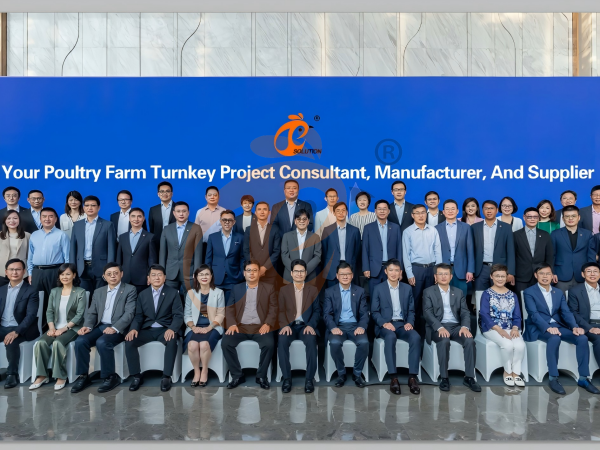
Hong Kong Headquarter Management Team
Hong Kong Headquarter Taiyu Industrial Group CO., LTD
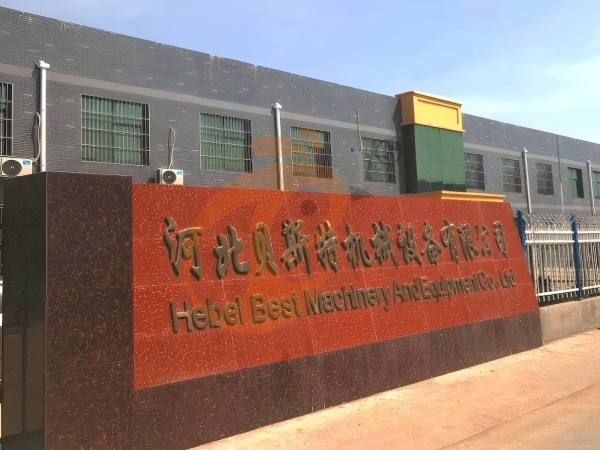
China Hebei Best Machinery And Equipment CO., LTD
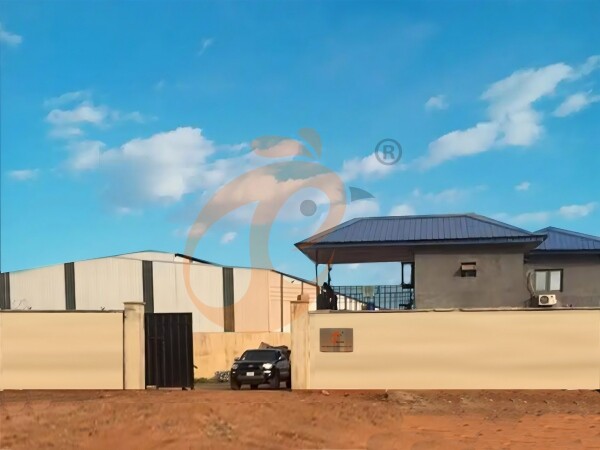
Nigeria Vanke Machinery And Equipment CO., LTD
Tanzania Best Machinery And Equipment CO., LTD
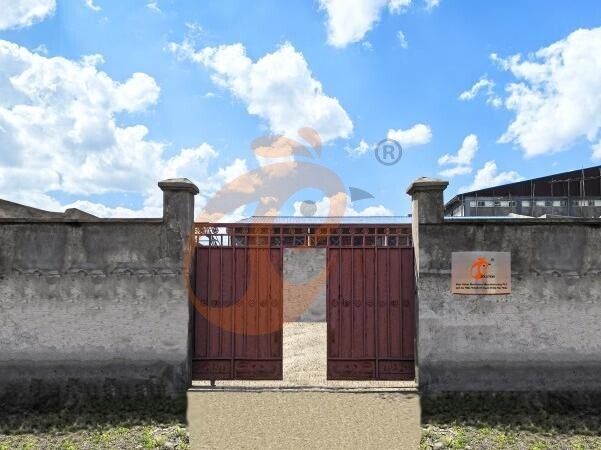
Ethiopia Best Hebei Machinery Manufacturing PLC




Reception /24 WhatsApp NO. : +8618830120193
MESSAGE
Products recommended
 HK Headquarter Offers EU-standard Poultry Farm Solutions, Manufacture Poultry Farm Equipment1. Continuous communication with the EU and the US
2. China, Nigeria, Ethiopia, Tanzania branch companies and factories
3. The products’ quality is customized for local poultry farms
4. Poultry cage and poultry farm equipment stock for sale
5. 24 online reception Whatsapp NO. : +8618830120193,contact us to get full informationRead More China Branch Offer Poultry Farm Business Plan, Manufacture Poultry Farm Equipment1. Address: Flat/RM 2416, 24/F, Runxing Building, Youyi Nan Street, Shijiazhuang City, Hebei Province, China
2. Poultry cage and poultry farm equipment factory and stock for sale
3. Customized for local poultry farms
4. Quality and design are based on Euro
5. 24 online reception Whatsapp NO. : +8618830120193Read More Nigeria Branch Offer Poultry Farm Business Plan, Manufacture Poultry Farm Equipment1. Address: After Sinoma Office, 200 Meters Near Danco Filling Station, Lagos/Ibadan Expressway, Lagos State, Nigeria
2. Poultry cage and poultry farm equipment factory and stock for sale
3. Customized for Nigerian poultry farms
4. Quality and design are based on Euro
5. 24 online reception Whatsapp NO. : +8618830120193Read More Ethiopia Branch Offer Poultry Farm Business Plan, Manufacture Poultry Farm Equipment1. Address: Gelan Gura, Akaki-kaliti Sub City, Addis Ababa, Ethiopia
2. Poultry cage and poultry farm equipment stock for sale
3. Customized for Ethiopian poultry farms
4. Quality and design are based on Euro
5. 24 online reception Whatsapp NO. : +8618830120193, contact us to get price listRead More Tanzania Branch Offer Poultry Farm Business Plan, Manufacture Poultry Farm Equipment1. Address: No.8, Sova Road, Msufini, Mlandizi, Kibaha, Pwani, Tanzania
2. Poultry cage and poultry farm equipment factory and stock for sale
3. Customized for Tanzanian poultry farms
4. Quality and design are based on Euro
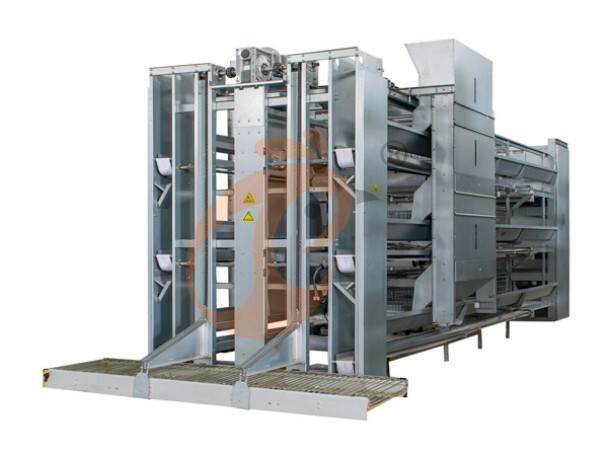
5. 24 online reception Whatsapp NO. : +8618830120193Read More Automatic H Type Layer Battery Cage System1. 30,000-100,000+ layers/house chooses it
2. Structure type stacked 3-16 tiers range
3. Stocking density up to 17 birds/cage
4. Service life 25 years
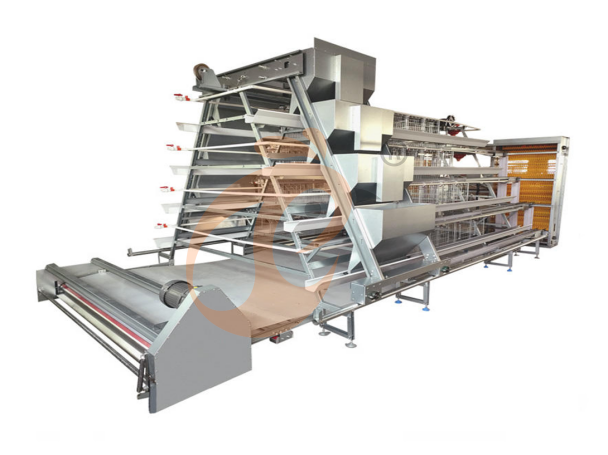
5. Reception /WhatsApp NO. : +8618830120193Read More Automatic A Type Layer Battery Cage System1. 10,000-30,000+ layers/house chooses it
2. Lifespan 25+ years
3. Labor requirement 1 worker per 10,000 birds
4. Reduce disease rates by 15%-20%.
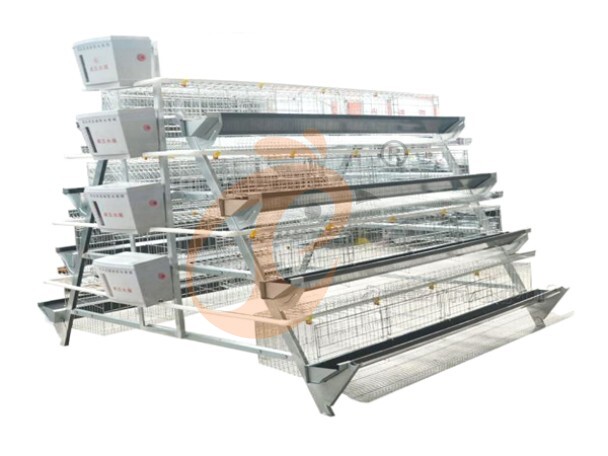
5. Reception /WhatsApp NO. : +8618830120193Read More Semi Automatic A Type Layer Battery Cage System1. 1,00-10,000+ layers/house chooses it
2. Egg breakage rate≤ 0.5%
3. Mesh spacing 2.5×2.5 cm
4. Egg collection floor slope 7–8°
5. Reception /WhatsApp NO. : +8618830120193Read More