In modern poultry farming systems, feed expenses commonly account for 62%–72% of total broiler production cost.
A commercial broiler chicken normally consumes 3.3–3.9 kg of feed during a 40–45 day growing cycle, meaning feed processing quality directly influences farm profitability.
Pellet feed improves intake consistency because birds spend less time sorting ingredients compared with mash feed.
In automated poultry houses containing 20,000–50,000 birds, unstable feed texture may increase feed fines accumulation inside feeding pans and conveyor systems.
Commercial farms using stable pellet feed often report more uniform flock body weight distribution during the final production week.
Get professional poultry farm construction guidance, equipment selection solutions, and the latest price lists, whatsApp to +8618830120193, click to learn more.
What Is A Pellet Machine?
A pellet machine is industrial equipment designed to compress powdered feed ingredients into cylindrical pellets using pressure, steam conditioning, and mechanical extrusion.
Modern feed plants usually integrate grinding, mixing, pelleting, cooling, and screening into one continuous production workflow.
During industrial pelleting, chamber pressure may exceed 280–320 MPa depending on formula composition and die structure.
Large feed mills producing over 15 tons per hour frequently use automated PLC systems to control conditioner temperature, motor load, and pellet moisture simultaneously.
Data is for reference only. Swipe horizontally to view full table.
Scientific Explanation Why Pellet Feed Improves Feed Conversion
Pellet processing modifies starch structure through steam conditioning and compression.
Steam conditioning also reduces microbial contamination inside raw feed materials before extrusion.
Research observations in commercial broiler systems show pellet feed may improve final body weight compared with unstable mash feed under equivalent environmental conditions.
Reduced feed particle separation additionally helps stabilize amino acid intake throughout the growing cycle.
Major Benefits Of Pellet Feed Production
Improved Feeding Stability
Pellet feed flows more evenly through automatic poultry feeding systems.
Reduced Feed Waste
Stable pellets reduce feed fines accumulation during transportation and feeding.
Better Storage Performance
Compact pellets improve warehouse stacking efficiency and reduce moisture fluctuation.
Improved Bird Uniformity
Consistent pellet size supports more stable feed intake across large broiler populations.
Data is for reference only. Swipe horizontally to view full table.
Tip 1: Match Equipment Capacity With Actual Production Demand
Production capacity should match daily poultry feed consumption and future farm expansion planning.
Frequent machine overloading increases bearing temperature and accelerates roller wear under continuous production conditions.
Commercial feed plants often calculate capacity based on peak seasonal demand rather than average yearly consumption.
Data is for reference only. Swipe horizontally to view full table.
Tip 2: Pay Attention To Ring Die Quality
The ring die directly influences pellet hardness, production stability, and long term operating cost.
Poor die precision may increase pellet fracture percentage during cooling and packaging stages.
Feed formulas containing rice husk or mineral additives normally accelerate internal wear because silica content increases friction intensity.
Data is for reference only. Swipe horizontally to view full table.
Tip 3: Evaluate Long-Term Energy Consumption
Electricity cost remains one of the largest operational expenses in poultry feed manufacturing.
Industrial feed plants operating long production shifts require stable motor efficiency to control operational expenditure.
Variable-frequency drive systems increasingly appear in modern pellet lines because they stabilize current fluctuation during raw material density changes.
Incorrect roller adjustment may increase power load while reducing pellet durability simultaneously.
Data is for reference only. Swipe horizontally to view full table.
Scientific Insight Compression Ratio And Pellet Density
Compression ratio directly affects pellet hardness, density, and resistance against fragmentation during transportation.
Excessive compression pressure may increase conditioner temperature rapidly and accelerate vitamin degradation inside heat-sensitive formulas.
Industrial feed factories often adjust compression ratio seasonally because environmental humidity influences cooling efficiency and final pellet hardness.
Long distance transportation usually requires stronger pellet durability to minimize fines generation during unloading operations.
Tip 4: Raw Material Compatibility Is Extremely Important
Different poultry feed ingredients respond differently during pelleting because protein level, fiber ratio, oil content, and starch structure all influence compression behavior inside the die chamber.
Corn-based broiler formulas usually form pellets more efficiently, while breeder feed containing sunflower meal or rice bran often requires higher conditioning pressure to maintain pellet integrity.
Key Processing Factors
Particle uniformity directly affects pellet surface compactness.
Excess fiber may increase roller pressure fluctuation.
Oil content may reduce natural binding performance.
Steam penetration depth influences internal pellet density.
Feed mills often install secondary grinding systems because uneven particle distribution may reduce pelleting throughput during continuous operation.
Well-balanced raw material preparation not only improves pellet appearance, but also reduces motor load variation and stabilizes long duration production efficiency in commercial poultry feed factories.
Tip 5: Cooling Systems Should Never Be Ignored
Fresh pellets normally exit the ring die at elevated temperature and moisture conditions.
Improper cooling may cause condensation inside storage bags and accelerate fungal contamination during warehouse storage.
Uneven airflow distribution may additionally increase pellet cracking during screening and packaging.
High-humidity poultry farming regions require stronger ventilation capacity to maintain pellet hardness stability after cooling.
Data is for reference only. Swipe horizontally to view full table.
Flat Die Vs Ring Die Pellet Machine
Both pellet machine structures are widely used in poultry feed production, but their operating performance differs significantly under continuous industrial workloads.
Flat die systems are generally used in smaller poultry farms with lower daily feed demand.
Ring die systems are more common in commercial poultry feed factories because they maintain stable throughput during continuous multi-shift production.
Industrial ring die systems also distribute extrusion pressure more evenly across the compression chamber, reducing vibration and improving pellet consistency.
Data is for reference only. Swipe horizontally to view full table.
Common Purchasing Mistakes
Many poultry farms focus only on equipment purchase price while ignoring long-term operating stability.
Low cost pellet systems sometimes use undersized bearings that experience premature fatigue during continuous high load operation.
Insufficient cooling capacity may also increase pellet mold risk in tropical farming environments.
Ignoring spare parts availability frequently causes prolonged downtime during peak feed production periods.
Unstable industrial voltage may additionally damage motors and control cabinets when overload protection systems are insufficient.
Pellet Machine Price Range
Pellet machine pricing depends on production capacity, automation level, die material quality, and auxiliary support systems.
Machines equipped with automatic lubrication and PLC control systems generally reduce labor intensity during long term industrial operation.
Commercial poultry feed factories frequently allocate additional investment toward conveyors, coolers, dust collectors, and automatic bagging systems.
Export equipment projects may additionally require overseas installation support and containerized transportation planning.
Data is for reference only. Swipe horizontally to view full table.
How Pellet Machines Increase Feed Factory Profitability
Efficient pellet processing systems improve production consistency while reducing operational losses.
Stable pellet hardness reduces fines accumulation inside automatic poultry feeding systems.
Commercial broiler farms commonly monitor pellet durability because unstable pellet texture may influence flock uniformity during late-stage growth periods.
Automated pellet lines additionally reduce manual labor requirements in large poultry feed plants operating continuous production schedules.
Lower material segregation also improves amino acid intake consistency among birds raised in high density commercial environments.
Maintenance Tips For Longer Equipment Lifespan
Routine maintenance significantly improves pellet machine operating stability and service life.
Improper lubrication remains one of the most common causes of premature bearing damage in poultry feed factories.
Roller clearance adjustment directly influences compression efficiency and pellet density consistency.
Commercial feed plants commonly maintain spare rollers, bearings, and die assemblies on-site to reduce unexpected downtime risk.
Dust accumulation inside cooling fans and electrical cabinets may increase motor temperature and shorten electrical component lifespan.
Data is for reference only. Swipe horizontally to view full table.
Proper maintenance may extend industrial pellet machine lifespan beyond stable long-term production cycles.
Frequently Asked Questions
Q1: What moisture level is best for poultry feed pelleting?
A1: Commercial poultry feed formulas commonly maintain stable conditioning moisture before extrusion.
Stable moisture distribution improves pellet binding performance and reduces fracture probability during transportation.
Q2: How long does a poultry feed ring die usually last?
A2: Ring die lifespan depends on feed formula abrasiveness, operating pressure, steam quality, and maintenance frequency.
Commercial poultry feed factories commonly replace dies after prolonged industrial production cycles.
Q3: Is pellet feed better than mash feed for broilers?
Pellet feed commonly improves intake speed, feeding consistency, and flock weight uniformity in commercial broiler farming systems.
Stable pellet texture may additionally reduce feed fines accumulation inside automatic feeding lines.
Taiyu (HK) Group - One Of China Largest Pellet Machine Supplier
Industrial pellet machines designed for stable poultry feed processing and continuous factory operation.
Factory direct equipment supply supporting lower procurement cost and faster international delivery schedules.
Professional poultry equipment solutions for broiler farms, layer farms, and integrated feed projects.
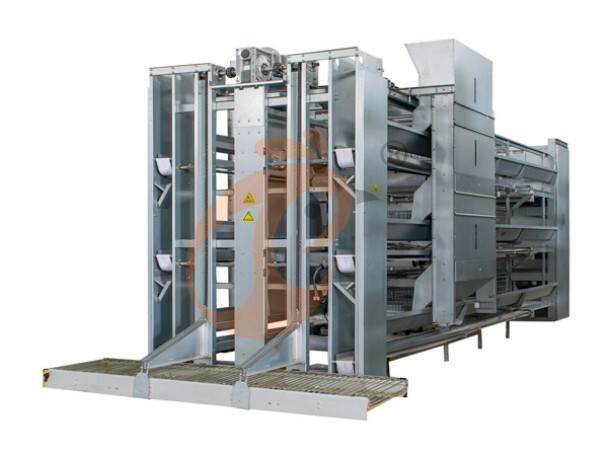
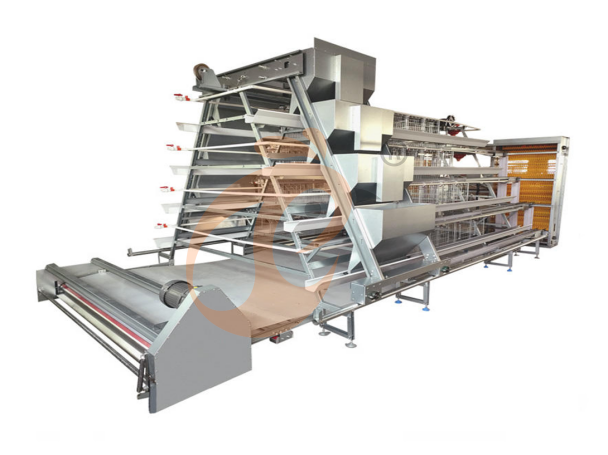
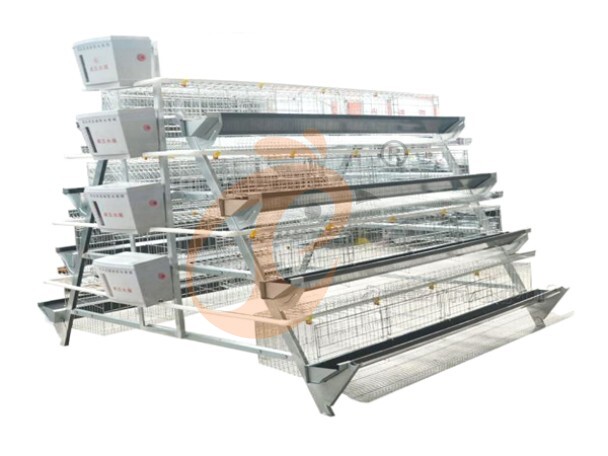
Durable poultry cage systems suitable for automated commercial chicken farming environments worldwide.
Turn-key feed mill engineering including installation guidance, layout planning, and technical training support.
Contact Us To Received Your Customized Poultry Farm Plan
Headquarters And Branchs
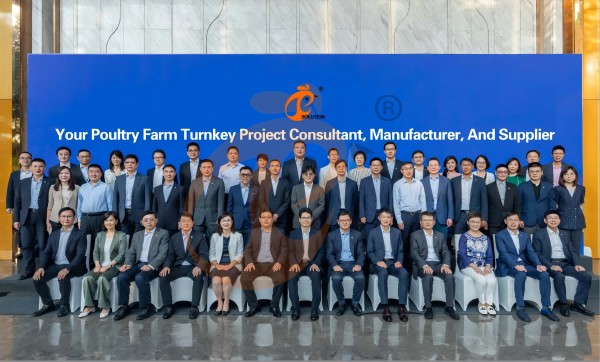
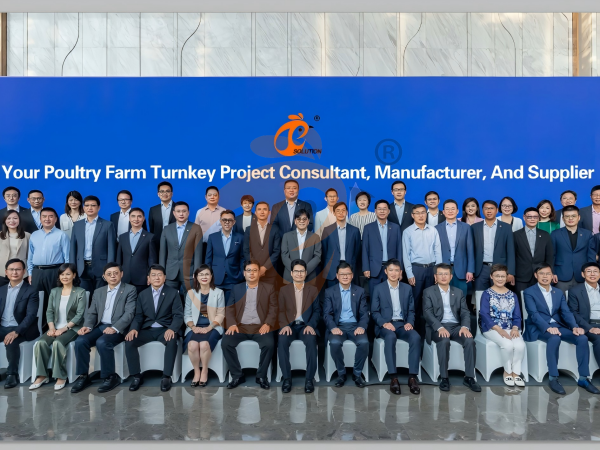
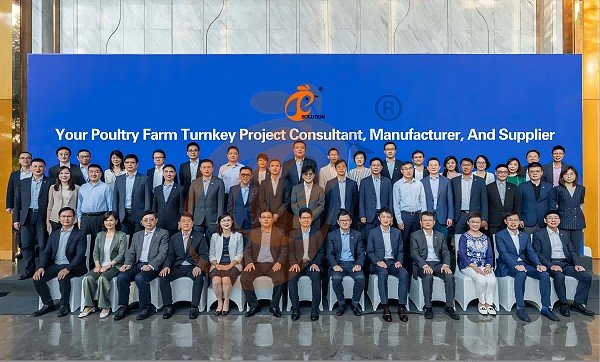
Hong Kong Headquarter Management Team
Hong Kong Headquarter Taiyu Industrial Group CO., LTD
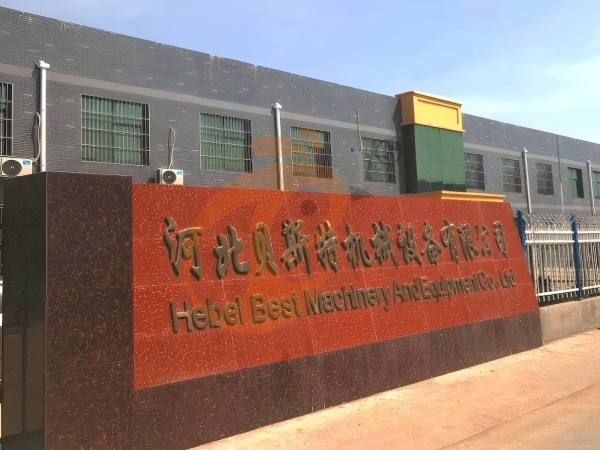
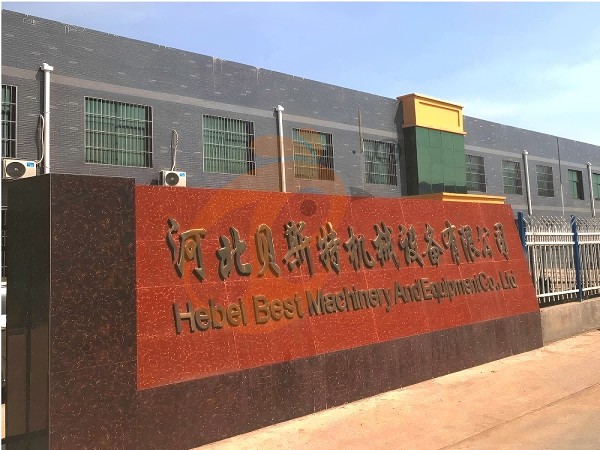
China Hebei Best Machinery And Equipment CO., LTD
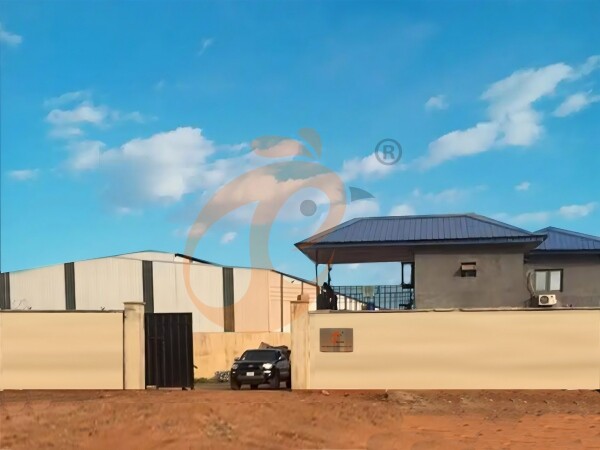
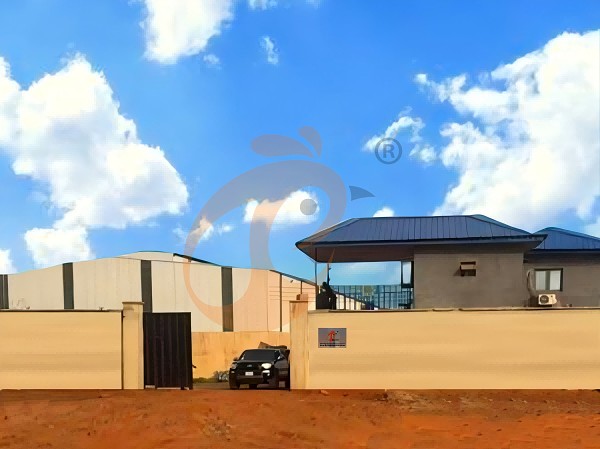
Nigeria Vanke Machinery And Equipment CO., LTD
Tanzania Best Machinery And Equipment CO., LTD
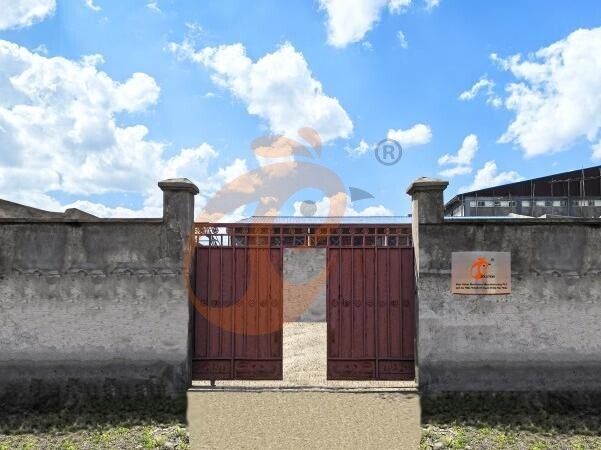
Ethiopia Best Hebei Machinery Manufacturing PLC

Reception /24 WhatsApp NO. : +8618830120193
MESSAGE
Products recommended
 HK Headquarter Offers EU-standard Poultry Farm Solutions, Manufacture Poultry Farm Equipment1. Continuous communication with the EU and the US
2. China, Nigeria, Ethiopia, Tanzania branch companies and factories
3. The products’ quality is customized for local poultry farms
4. Poultry cage and poultry farm equipment stock for sale
5. 24 online reception Whatsapp NO. : +8618830120193,contact us to get full informationRead More China Branch Offer Poultry Farm Business Plan, Manufacture Poultry Farm Equipment1. Address: Flat/RM 2416, 24/F, Runxing Building, Youyi Nan Street, Shijiazhuang City, Hebei Province, China
2. Poultry cage and poultry farm equipment factory and stock for sale
3. Customized for local poultry farms
4. Quality and design are based on Euro
5. 24 online reception Whatsapp NO. : +8618830120193Read More Nigeria Branch Offer Poultry Farm Business Plan, Manufacture Poultry Farm Equipment1. Address: After Sinoma Office, 200 Meters Near Danco Filling Station, Lagos/Ibadan Expressway, Lagos State, Nigeria
2. Poultry cage and poultry farm equipment factory and stock for sale
3. Customized for Nigerian poultry farms
4. Quality and design are based on Euro
5. 24 online reception Whatsapp NO. : +8618830120193Read More Ethiopia Branch Offer Poultry Farm Business Plan, Manufacture Poultry Farm Equipment1. Address: Gelan Gura, Akaki-kaliti Sub City, Addis Ababa, Ethiopia
2. Poultry cage and poultry farm equipment stock for sale
3. Customized for Ethiopian poultry farms
4. Quality and design are based on Euro
5. 24 online reception Whatsapp NO. : +8618830120193, contact us to get price listRead More Tanzania Branch Offer Poultry Farm Business Plan, Manufacture Poultry Farm Equipment1. Address: No.8, Sova Road, Msufini, Mlandizi, Kibaha, Pwani, Tanzania
2. Poultry cage and poultry farm equipment factory and stock for sale
3. Customized for Tanzanian poultry farms
4. Quality and design are based on Euro
5. 24 online reception Whatsapp NO. : +8618830120193Read More Automatic H Type Layer Battery Cage System1. 30,000-100,000+ layers/house chooses it
2. Structure type stacked 3-16 tiers range
3. Stocking density up to 17 birds/cage
4. Service life 25 years
5. Reception /WhatsApp NO. : +8618830120193Read More Automatic A Type Layer Battery Cage System1. 10,000-30,000+ layers/house chooses it
2. Lifespan 25+ years
3. Labor requirement 1 worker per 10,000 birds
4. Reduce disease rates by 15%-20%.
5. Reception /WhatsApp NO. : +8618830120193Read More Semi Automatic A Type Layer Battery Cage System1. 1,00-10,000+ layers/house chooses it
2. Egg breakage rate≤ 0.5%
3. Mesh spacing 2.5×2.5 cm
4. Egg collection floor slope 7–8°
5. Reception /WhatsApp NO. : +8618830120193Read More