Pellet machine safety combines mechanical protection, controlled feeding, electrical isolation, and preventive maintenance across modern poultry production systems with 24-hour operational planning.
Poultry feed pellet machine design connects guarding, monitoring, dust control, and operator procedures with practical equipment engineering for dependable feed processing.
Feed pellet mill selection affects maintenance access, process stability, material preparation, and integration with grinding, mixing, cooling, screening, and packing equipment.
Professional equipment planning can coordinate production requirements around 10–20 t/h throughput while supporting structured inspection and maintenance procedures.
- Integrated poultry equipment solutions create safer workflows by connecting machine protection, automation, material handling, and service planning within one engineering framework.
Get professional poultry farm construction guidance, equipment selection solutions, and the latest price lists, whatsApp to +8618830120193, click to learn more:
Safety Starts With The Right Pellet Machine
Poultry feed pelletizing combines rotating machinery, electrical power, steam conditioning, and continuous material flow.
Pellet machine selection should therefore consider equipment structure, operator access, process configuration, and maintenance requirements for production
schedules reaching 20 hours per day.
Data is for reference only.Swipe horizontally to view full table.
Selecting equipment from a specialized poultry machinery manufacturer makes Pellet Machine integration easier across grinding, mixing, cooling, screening, and packing systems.
A complete line can use centralized control with a 10–15 inch HMI while maintaining coordinated operating sequences.
Tip #1: Install Complete Protective Guards
Moving shafts, rollers, belts, and couplings require physical separation from operators.
Poultry feed pellet machine guarding should support routine inspection without exposing personnel to rotating assemblies, with maintenance access planned
around approximately 1.2–1.5 m service height.
Data is for reference only.Swipe horizontally to view full table.
Fixed guards should remain secured during production, while dedicated access points should accommodate planned service operations.
Feed pellet mill layouts can position inspection areas outside hazardous zones, reducing unnecessary operator exposure during routine observation.
Tip #2: Control Electrical And Motor Risks
Pellet machine motors experience changing torque as conditioned feed enters the compression zone.
Electrical protection should correspond with actual installation requirements, while a 3–10 second sequencing delay can coordinate connected drives during
controlled startup.
Data is for reference only.Swipe horizontally to view full table.
Control architecture should coordinate startup, shutdown, emergency signals, and connected processing equipment.
Poultry feed pellet machine projects can separate operator controls from power circuits while supporting automated sequencing across multiple production stages.
Tip #3: Keep Feed Ingredients Clean And Controlled
Foreign objects can damage dies, rollers, bearings, and drive components.
Pellet machine preparation should control incoming ingredients before grinding and pelletizing, with automated feeding capable of maintaining approximately ±5% material-flow variation after calibration.
Data is for reference only.Swipe horizontally to view full table.
A controlled material route reduces unnecessary manual intervention and supports consistent ingredient movement.
Feed pellet mill systems can incorporate cleaning, separation, feeding, and conditioning stages before compression begins.
Tip #4: Never Ignore Abnormal Machine Conditions
Operators should establish measurable operating baselines during commissioning and record changes throughout production.
Poultry feed pellet machine monitoring can track temperature, current, pressure, and vibration trends at intervals such as 8–24 operating hours.
Data is for reference only.Swipe horizontally to view full table.
Trend records allow maintenance personnel to distinguish normal operating variation from developing mechanical conditions.
Pellet machine control systems can connect sensors to PLC monitoring so operators receive process information without entering protected mechanical areas.
Tip #5: Manage Dust And Fire Hazards
Feed mills generate fine particulate during grinding, conveying, mixing, and screening.
Pellet machine installations should incorporate dust extraction during engineering, with accessible surfaces reviewed once per operating shift.
Data is for reference only.Swipe horizontally to view full table.
Cleaning schedules should follow measured dust accumulation, equipment requirements, and documented workplace procedures.
Poultry feed pellet machine projects benefit from enclosed transfer points and centralized extraction because fewer exposed transfer areas simplify housekeeping.
Tip #6: Follow Lockout/Tagout Procedures During Maintenance
Pellet machine maintenance can involve stored mechanical, electrical, pneumatic, and thermal energy.
Personnel should isolate applicable energy sources before service, while a two-shift farm can maintain traceable records for every maintenance intervention.
Data is for reference only.Swipe horizontally to view full table.
A documented isolation sequence should cover identification, shutdown, energy isolation, verification, servicing, and controlled restart.
Feed pellet mill service planning can also track accumulated runtime and component history to support scheduled replacement decisions.
Build A Preventive Maintenance Routine
Daily → Weekly → Monthly → Planned Overhaul
Daily: Inspect machine surfaces, feed flow, unusual sounds, fasteners, and control indications.
Weekly: Review transmission components, lubrication points, die condition, and material leakage.
Monthly: Analyze maintenance records and compare component wear against historical data.
Planned overhaul: Replace or refurbish critical wear components according to measured condition and manufacturer recommendations.
Pellet machine runtime tracking becomes useful when production reaches approximately 14 operating hours per day, creating a monthly reference of about 420 operating hours.
Use Equipment Quality As Your First Safety Investment
When comparing suppliers, evaluate the engineering package rather than judging pellet machine equipment by advertised capacity alone.
Check these six documents before purchase:
- Equipment layout drawing
- Electrical schematic
- Motor and gearbox specifications
- Wear-parts list
- Maintenance schedule
- Installation and commissioning instructions
For a 5–15 t/h project, matching grinder, mixer, conditioner, cooler, and pellet mill specifications helps prevent process bottlenecks.
Make Safety Part Of Your Poultry Feed Strategy
1. Guard the machine.
Pellet machine protection should separate operators from rotating assemblies and provide controlled maintenance access.
2. Protect the electrical system.
Electrical design should match the installed motor architecture and provide coordinated control across connected equipment.
3. Control raw materials.
Poultry feed pellet machine preparation should remove foreign materials before critical processing stages.
4. Monitor operating conditions.
Feed pellet mill monitoring should use measurable process information to identify developing equipment conditions.
5. Control combustible dust.
Dust-management design should connect extraction, enclosed transfer, housekeeping, and equipment placement.
6. Isolate energy before maintenance.
Pellet machine service should follow documented isolation procedures whenever hazardous machine areas require access.
A complete poultry feed equipment solution can combine grinders, mixers, feeders, conveyors, coolers, screens, packing machines, dust collectors, and centralized controls.
Frequently Asked Questions
Q1: What safety features should a pellet machine have?
A pellet machine should include mechanical guarding, emergency controls, motor protection, interlocking, and accessible maintenance points.
A practical system can also use 24 V DC control architecture and documented shutdown procedures.
Q2: How can poultry farms reduce pellet mill maintenance risks?
Poultry feed pellet machine maintenance should combine scheduled inspection, runtime records, lubrication management, and controlled energy isolation.
Recording service activity by operating hours helps connect component condition with actual production workload.
Q3: Why choose an integrated feed pellet mill system?
A feed pellet mill integrated with grinding, mixing, cooling, screening, and conveying equipment provides coordinated material flow and centralized process control.
A 10 t/h project, for example, can use PLC sequencing to coordinate multiple processing stages without relying on manual machine-by-machine operation.
Taiyu (HK) Group - One Of China Toppest Pellet Machine Manufacturer
Pellet machine systems combine ring-die pelletizing, integrated control, and configurable production capacities from 1–20 t/h for poultry feed processing.
Global factory-direct supply covers poultry equipment packages with engineered component selection, electrical documentation, installation support, and spare-parts planning.
Poultry equipment projects can be configured as Turn-key engineering packages covering grinding, mixing, pelletizing, cooling, screening, conveying, and packing.
Project engineering supports farm-scale installations through layout development, equipment matching, commissioning coordination, and production-line integration.
Contact Us To Received Your Customized Poultry Farm Plan
Headquarters And Branchs

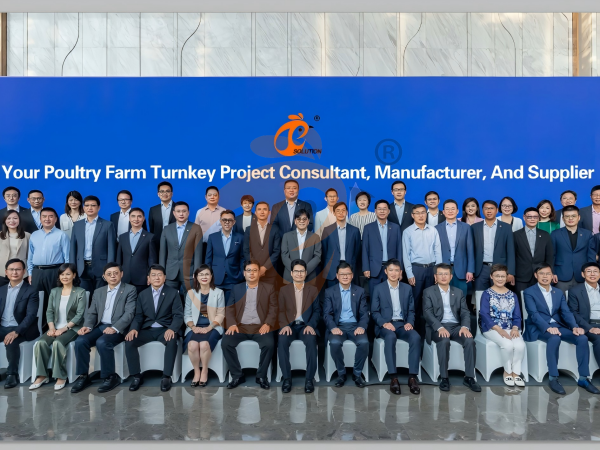
Hong Kong Headquarter Management Team
Hong Kong Headquarter Taiyu Industrial Group CO., LTD
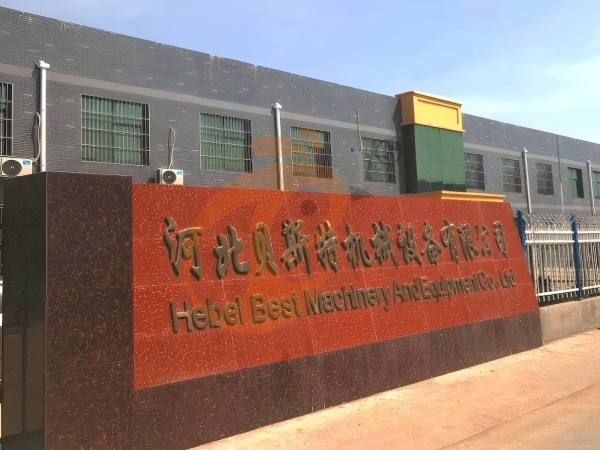
China Hebei Best Machinery And Equipment CO., LTD
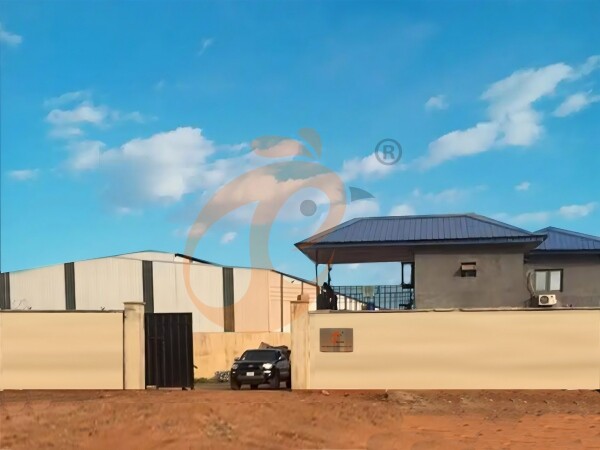
Nigeria Vanke Machinery And Equipment CO., LTD
Tanzania Best Machinery And Equipment CO., LTD
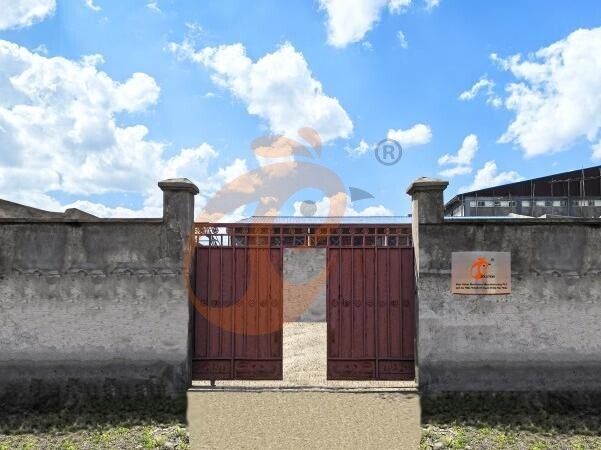
Ethiopia Best Hebei Machinery Manufacturing PLC




Reception /24 WhatsApp NO. : +8618830120193
MESSAGE
Products recommended
 HK Headquarter Offers EU-standard Poultry Farm Solutions, Manufacture Poultry Farm Equipment1. Continuous communication with the EU and the US
2. China, Nigeria, Ethiopia, Tanzania branch companies and factories
3. The products’ quality is customized for local poultry farms
4. Poultry cage and poultry farm equipment stock for sale
5. 24 online reception Whatsapp NO. : +8618830120193,contact us to get full informationRead More China Branch Offer Poultry Farm Business Plan, Manufacture Poultry Farm Equipment1. Address: Flat/RM 2416, 24/F, Runxing Building, Youyi Nan Street, Shijiazhuang City, Hebei Province, China
2. Poultry cage and poultry farm equipment factory and stock for sale
3. Customized for local poultry farms
4. Quality and design are based on Euro
5. 24 online reception Whatsapp NO. : +8618830120193Read More Nigeria Branch Offer Poultry Farm Business Plan, Manufacture Poultry Farm Equipment1. Address: After Sinoma Office, 200 Meters Near Danco Filling Station, Lagos/Ibadan Expressway, Lagos State, Nigeria
2. Poultry cage and poultry farm equipment factory and stock for sale
3. Customized for Nigerian poultry farms
4. Quality and design are based on Euro
5. 24 online reception Whatsapp NO. : +8618830120193Read More Ethiopia Branch Offer Poultry Farm Business Plan, Manufacture Poultry Farm Equipment1. Address: Gelan Gura, Akaki-kaliti Sub City, Addis Ababa, Ethiopia
2. Poultry cage and poultry farm equipment stock for sale
3. Customized for Ethiopian poultry farms
4. Quality and design are based on Euro
5. 24 online reception Whatsapp NO. : +8618830120193, contact us to get price listRead More Tanzania Branch Offer Poultry Farm Business Plan, Manufacture Poultry Farm Equipment1. Address: No.8, Sova Road, Msufini, Mlandizi, Kibaha, Pwani, Tanzania
2. Poultry cage and poultry farm equipment factory and stock for sale
3. Customized for Tanzanian poultry farms
4. Quality and design are based on Euro
5. 24 online reception Whatsapp NO. : +8618830120193Read More Automatic H Type Layer Battery Cage System1. 30,000-100,000+ layers/house chooses it
2. Structure type stacked 3-16 tiers range
3. Stocking density up to 17 birds/cage
4. Service life 25 years
5. Reception /WhatsApp NO. : +8618830120193Read More Automatic A Type Layer Battery Cage System1. 10,000-30,000+ layers/house chooses it
2. Lifespan 25+ years
3. Labor requirement 1 worker per 10,000 birds
4. Reduce disease rates by 15%-20%.
5. Reception /WhatsApp NO. : +8618830120193Read More Semi Automatic A Type Layer Battery Cage System1. 1,00-10,000+ layers/house chooses it
2. Egg breakage rate≤ 0.5%
3. Mesh spacing 2.5×2.5 cm
4. Egg collection floor slope 7–8°
5. Reception /WhatsApp NO. : +8618830120193Read More