Poultry cage price per set depends on cage capacity, steel specifications, automation, and complete system configuration, with commercial projects requiring technical evaluation rather than simple unit-price comparison.
A-type and H-type layer cage systems provide different structural arrangements, helping farms balance building utilization, labor organization, and equipment investment.
Automatic feeding, nipple drinking, manure removal, and egg collection can convert conventional cage layouts into coordinated poultry equipment production lines.
Cage dimensions, galvanized treatment, motor specifications, conveyor arrangements, and environmental-control requirements directly influence project engineering and procurement costs.
Customized poultry house equipment can connect cage rows with feeding, ventilation, cooling, manure, and egg-handling systems for scalable commercial egg production.
Get professional poultry farm construction guidance, equipment selection solutions, and the latest price lists, whatsApp to +8618830120193, click to learn more.
Poultry Cage Price Per Set: Quick Comparison
Poultry cage pricing is closely related to cage dimensions, bird capacity, wire specifications, automation components, and house layout.
For commercial projects, the quotation should be calculated from the complete production configuration rather than a cage frame alone.
Data is for reference only.Swipe horizontally to view full table.
Indicative equipment ranges vary according to specifications, automation package, material grade, quantity, and destination.
European union standard reference only.
What Is Included In One Poultry Cage Set?
When comparing quotations, buyers should identify exactly what constitutes one set.
Some suppliers quote only the galvanized cage body, while commercial poultry equipment manufacturers may calculate the cage together with feeding, drinking, manure, and egg-handling equipment.
Data is for reference only.Swipe horizontally to view full table.
A proper quotation should identify each component's material and specification.
For example, our poultry layer cage equipment can be configured with galvanized wire, integrated feed troughs, nipple drinking lines, and compatible automatic equipment so the complete system can be installed as one coordinated production line.
Configuration 1: A-Type Layer Cage For Cost-Conscious Farms
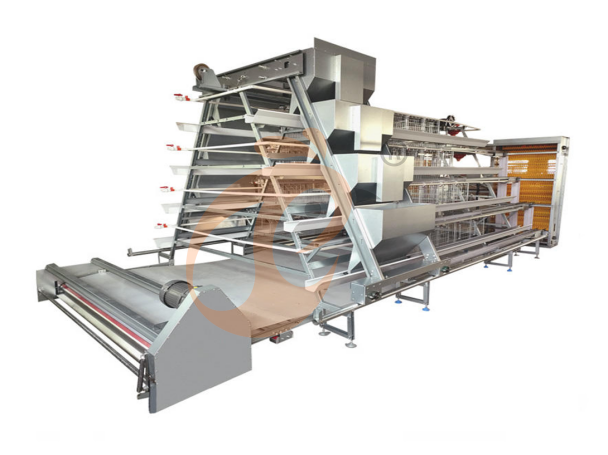
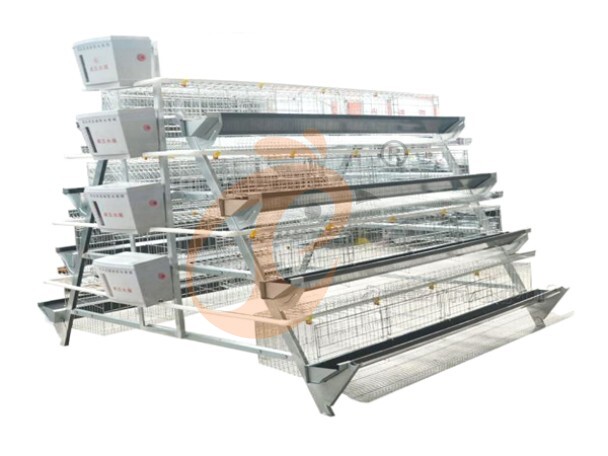
The A-type layer cage remains a practical option for farms that prioritize straightforward management and economical construction.
Its open arrangement provides convenient access for flock inspection, cage maintenance, and routine egg handling.
For example, a 4-tier A-type configuration can be designed with a 2,400 mm overall height and a 1,200 mm central working aisle, allowing operators to organize daily inspection without requiring complex building modifications.
The supporting structure should also be selected according to local environmental conditions.
A cage manufactured with hot-dip galvanized components can provide better protection against moisture and ammonia exposure than untreated steel.
A-Type Vs. H-Type Layer Cage Price
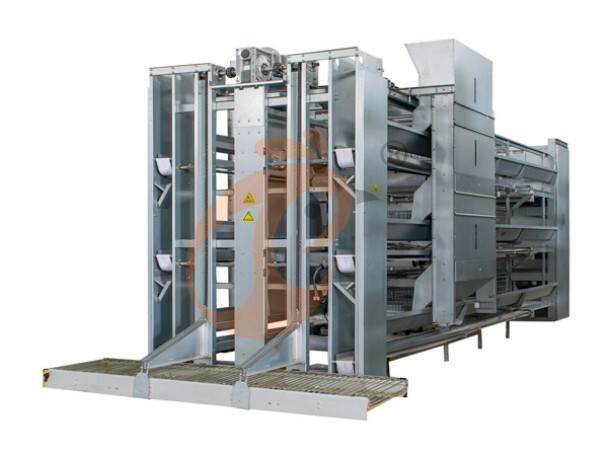
H-type systems use vertical building space more efficiently and are commonly selected for commercial layer houses.
Their engineering value becomes clearer when feeding and manure systems are integrated into the cage rows.
Data is for reference only.Swipe horizontally to view full table.
For a new commercial poultry house, the H-type structure can be combined with automatic feeding and manure removal, creating a more organized workflow while keeping the equipment layout consistent throughout the building.
Configuration 2: H-Type Cage—Designed For Commercial Production
The H-type layer cage is engineered around a vertical frame, allowing multiple cage tiers to operate within the same poultry house footprint.
This design is particularly suitable where land or building area must be used efficiently.
A properly designed system can incorporate feed distribution cycles of 30–45 minutes and manure removal schedules based on flock density and house conditions.
Such automation reduces repetitive manual operations and gives farm workers more time for flock observation.
The cage structure should also match the ventilation plan.
In a complete poultry house project, cage orientation, aisle positioning, air inlet locations, exhaust fans, and cooling equipment need to be considered together rather than installed independently.
Four Common Poultry Cage Configurations Compared
Farmers normally select cage equipment according to production scale and the amount of manual work they are prepared to perform.
The following configurations illustrate four common project structures.
Data is for reference only.Swipe horizontally to view full table.
These configurations can be adapted to different poultry house dimensions.
Our automatic poultry cage system can match cage rows with feeding lines, manure equipment, egg conveyors, and environmental-control components before manufacturing begins.
Main Factors That Determine Poultry Cage Price
A poultry cage quotation contains several technical variables.
Buyers should request the actual specifications instead of accepting general descriptions such as "strong steel" or “automatic system."
Data is for reference only.Swipe horizontally to view full table.
These technical specifications directly affect equipment performance and manufacturing cost.
Our engineering team can adjust the system according to the customer's flock size, building structure, and operating requirements.
Configuration 3: Fully Automatic Layer Cage System
For large-scale egg production, automation can significantly change the labor structure of a poultry house.
A complete system can coordinate feeding, drinking, manure removal, egg collection, ventilation, and environmental management.
For example, an automatic egg collection line can operate at approximately 2–5 m/min, while a centralized environmental controller can monitor temperature, relative humidity, and ventilation status continuously.
This integration is particularly valuable in large houses where manual collection and manure handling would otherwise require substantial daily labor.
Our automatic layer cage equipment is designed around the entire production line, allowing individual systems to work together rather than functioning as isolated machines.
Price Structure: Cage Only Vs. Complete Poultry House Equipment
The difference between a cage-only quotation and a complete project quotation can be substantial because a commercial poultry house requires many supporting systems.
Data is for reference only.Swipe horizontally to view full table.
A complete quotation therefore provides a more useful investment reference than the cage unit price alone.
We can calculate the required equipment quantity and supporting systems according to the planned number of birds.
Configuration 4: Customized Complete Poultry Equipment Solution
Large poultry projects often require customized equipment because no two buildings have exactly the same dimensions, climate, electrical conditions, or labor structure.
The engineering process can begin with the farm's target capacity and building drawings.
Cage rows are then positioned around ventilation paths, service aisles, feeding equipment, manure conveyors, and egg collection routes.
For example, a project can be designed around 3-phase 380 v/50 hz power and an environmental-control network divided into 6–12 independent ventilation zones.
These parameters help ensure that the equipment package matches the actual infrastructure instead of forcing a standard configuration into an unsuitable building.
Our advantage as a poultry equipment manufacturer is the ability to coordinate cage manufacturing with feeding, drinking, manure removal, egg collection, ventilation, and environmental-control requirements.
Final Comparison: Which Poultry Cage Configuration Should You Choose?
The most appropriate cage configuration depends on production capacity, building design, labor organization, and the desired level of automation.
A professional supplier should calculate these variables before confirming the final price.
Data is for reference only.Swipe horizontally to view full table.
Ultimately, poultry cage price per set should be considered together with production capacity, equipment durability, labor requirements, and system integration.
A lower unit quotation does not necessarily produce the lowest operating cost.
Our poultry house equipment solutions cover A-type and H-type layer cages, automatic feeding systems, nipple drinking systems, manure removal, automatic egg collection, ventilation, cooling, and environmental control.
By designing these systems as one integrated project, we help customers avoid compatibility problems and obtain equipment matched to their actual farm capacity.
For a precise quotation, provide the target number of laying hens, poultry house dimensions, local power standard, desired automation level, and destination port.
Frequently Asked Questions
Q1: What determines poultry cage price per set?
A1: Cage configuration, material specifications, automation components, and project quantity determine the final quotation.
A complete H-type system can include several integrated drive units and conveyor assemblies, making total project scope more important than cage-body pricing alone.
Q2: Which cage is better for a commercial layer farm?
A2: H-type cages are generally suitable for commercial farms requiring vertical utilization and integrated automation.
A 4-tier arrangement can accommodate substantial bird capacity while leaving dedicated service routes for equipment maintenance.
Q3: Should feeding and manure systems be purchased together?
A3: Purchasing compatible systems together simplifies installation, electrical matching, control integration, and future maintenance.
For large projects, coordinated equipment engineering can also reduce interface problems between cage rows and automated machinery.
Taiyu (HK) Group - One Of China Toppest Poultry Cage Manufacturer
Poultry cage equipment integrates galvanized cage structures, feeding lines, nipple drinking systems, manure handling, egg collection, and environmental-control interfaces into coordinated commercial production systems.
Global factory direct sales provides equipment manufactured under centralized production control, with technical specifications, project drawings, component lists, and shipment planning coordinated from the factory.
Poultry equipment covers layer cages, automatic feeding, manure removal, egg collection, ventilation, cooling, and environmental-control systems for different farm capacities.
Turn-key engineering connects preliminary layout, equipment selection, manufacturing, installation guidance, commissioning, and production-line integration into one project workflow.
International project supply supports complete poultry-house equipment packages for overseas farms requiring engineered specifications, production coordination, export packing, and technical documentation.
Contact Us To Received Your Customized Poultry Farm Plan
Headquarters And Branchs

Hong Kong Headquarter Management Team
Hong Kong Headquarter Taiyu Industrial Group CO., LTD
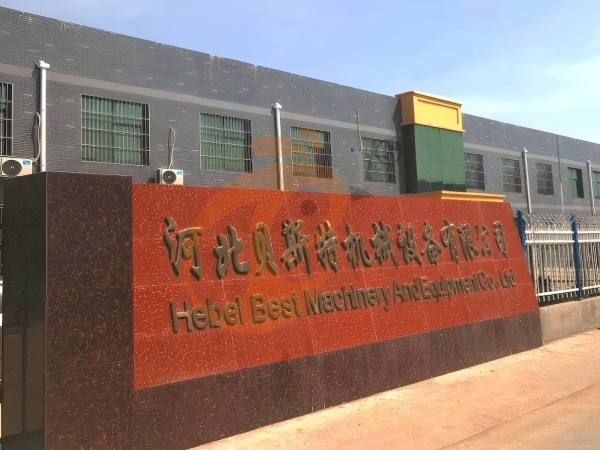
China Hebei Best Machinery And Equipment CO., LTD
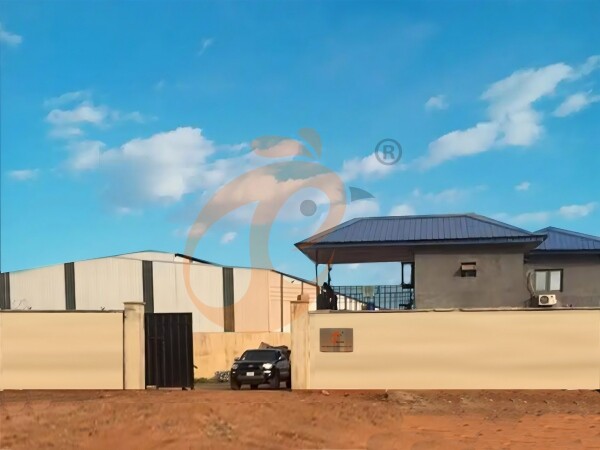
Nigeria Vanke Machinery And Equipment CO., LTD
Tanzania Best Machinery And Equipment CO., LTD
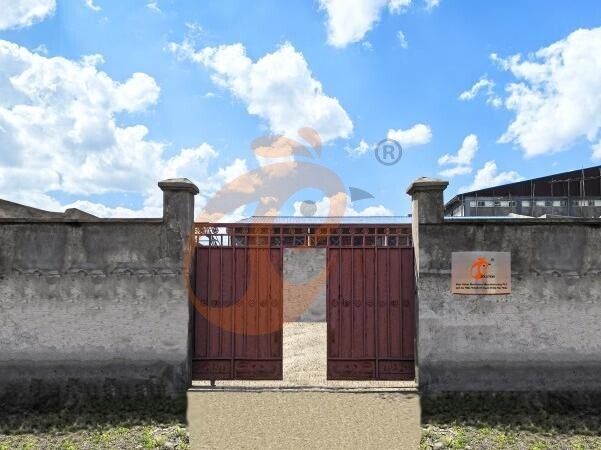
Ethiopia Best Hebei Machinery Manufacturing PLC




Reception /24 WhatsApp NO. : +8618830120193
MESSAGE
Products recommended
 HK Headquarter Offers EU-standard Poultry Farm Solutions, Manufacture Poultry Farm Equipment1. Continuous communication with the EU and the US
2. China, Nigeria, Ethiopia, Tanzania branch companies and factories
3. The products’ quality is customized for local poultry farms
4. Poultry cage and poultry farm equipment stock for sale
5. 24 online reception Whatsapp NO. : +8618830120193,contact us to get full informationRead More China Branch Offer Poultry Farm Business Plan, Manufacture Poultry Farm Equipment1. Address: Flat/RM 2416, 24/F, Runxing Building, Youyi Nan Street, Shijiazhuang City, Hebei Province, China
2. Poultry cage and poultry farm equipment factory and stock for sale
3. Customized for local poultry farms
4. Quality and design are based on Euro
5. 24 online reception Whatsapp NO. : +8618830120193Read More Nigeria Branch Offer Poultry Farm Business Plan, Manufacture Poultry Farm Equipment1. Address: After Sinoma Office, 200 Meters Near Danco Filling Station, Lagos/Ibadan Expressway, Lagos State, Nigeria
2. Poultry cage and poultry farm equipment factory and stock for sale
3. Customized for Nigerian poultry farms
4. Quality and design are based on Euro
5. 24 online reception Whatsapp NO. : +8618830120193Read More Ethiopia Branch Offer Poultry Farm Business Plan, Manufacture Poultry Farm Equipment1. Address: Gelan Gura, Akaki-kaliti Sub City, Addis Ababa, Ethiopia
2. Poultry cage and poultry farm equipment stock for sale
3. Customized for Ethiopian poultry farms
4. Quality and design are based on Euro
5. 24 online reception Whatsapp NO. : +8618830120193, contact us to get price listRead More Tanzania Branch Offer Poultry Farm Business Plan, Manufacture Poultry Farm Equipment1. Address: No.8, Sova Road, Msufini, Mlandizi, Kibaha, Pwani, Tanzania
2. Poultry cage and poultry farm equipment factory and stock for sale
3. Customized for Tanzanian poultry farms
4. Quality and design are based on Euro
5. 24 online reception Whatsapp NO. : +8618830120193Read More Automatic H Type Layer Battery Cage System1. 30,000-100,000+ layers/house chooses it
2. Structure type stacked 3-16 tiers range
3. Stocking density up to 17 birds/cage
4. Service life 25 years
5. Reception /WhatsApp NO. : +8618830120193Read More Automatic A Type Layer Battery Cage System1. 10,000-30,000+ layers/house chooses it
2. Lifespan 25+ years
3. Labor requirement 1 worker per 10,000 birds
4. Reduce disease rates by 15%-20%.
5. Reception /WhatsApp NO. : +8618830120193Read More Semi Automatic A Type Layer Battery Cage System1. 1,00-10,000+ layers/house chooses it
2. Egg breakage rate≤ 0.5%
3. Mesh spacing 2.5×2.5 cm
4. Egg collection floor slope 7–8°
5. Reception /WhatsApp NO. : +8618830120193Read More