Poultry feeder installation tutorial layout safety usage tips defines engineered feeding system architecture for commercial poultry houses.
This article integrates feeder line spatial design, mechanical installation procedure, safety engineering standards, and operational optimization strategy.
System performance depends on feeder distribution uniformity, structural load control, and environmental parameter coordination.
Installation accuracy affects feed conversion efficiency, flock weight uniformity, and long term equipment durability.
Modern poultry production requires automated feeding systems with calibrated motor drive and precision suspension layout.
Get professional poultry farm construction guidance, equipment selection solutions, and the latest price lists, whatsApp to +8618830120193, click to learn more.
Project Overview Engineering Grade Poultry Feeding System Design
Poultry feeder installation is a mechanical and biological integration process that directly determines farm productivity.
A correctly installed system can reduce feed loss by 6–12% and improve uniformity index by more than 0.85 in commercial broiler houses.
Modern farms use automated feeding lines with synchronized distribution motors, requiring precise layout and calibration during installation.
Scientific Explanation Feed Accessibility And Behavioral Response
Poultry feeding behavior is driven by circadian rhythm and competitive hierarchy within flocks.
Research shows that broilers allocate up to 28% of active time to feeding behavior when feeder accessibility is optimal.
Feed competition intensity increases when feeder spacing exceeds flock density thresholds, causing uneven weight gain distribution.
Particle size also influences intake rate, with optimal pellet diameter ranging from 2.5 mm to 3.2 mm for broilers aged 21–35 days.
Feeder Line Engineering Layout Data
Data is for reference only.Swipe horizontally to view full table.
Correct spatial engineering reduces cross-line feed imbalance and improves flock synchronization.
Installation Hardware Specification Table
Data is for reference only.Swipe horizontally to view full table.
Each hardware component must be calibrated before full system activation to avoid mechanical deviation.
Structural Safety Load Distribution Table
Data is for reference only.Swipe horizontally to view full table.
Structural load distribution ensures long term stability under continuous feed cycling operations.
Poultry Feeder Installation Workflow Table
Data is for reference only.Swipe horizontally to view full table.
Each step must be completed sequentially to maintain mechanical alignment accuracy.
Environmental Control Parameters Table
Data is for reference only.Swipe horizontally to view full table.
Environmental stability directly influences feeder utilization efficiency and feed conversion ratio.
Feed Distribution Uniformity Data Table
Data is for reference only.Swipe horizontally to view full table.
Uniform feed distribution reduces aggression and improves flock weight consistency across housing zones.
Feeder Height Calibration Table
Data is for reference only.Swipe horizontally to view full table.
Proper height adjustment reduces feed waste by up to 9.6% across full production cycles.
Feeding Efficiency And Energy Utilization
Feed conversion efficiency depends on metabolizable energy intake and maintenance energy expenditure ratio.
Broilers require 2900–3200 kcal/kg metabolizable energy during growth phase.
Uneven feeder access can create up to 18% energy distribution deviation inside flock population.
Automated feeder systems stabilize intake curves through synchronized motor control and feed delivery timing.
Maintenance Schedule Engineering
Data is for reference only.Swipe horizontally to view full table.
Regular maintenance extends system lifespan beyond 8 production cycles under standard farm conditions.
Installation Error Diagnosis
Data is for reference only.Swipe horizontally to view full table.
Accurate diagnostics prevent cascading system failure during peak feeding periods.
Operational Usage Strategy
Data is for reference only.Swipe horizontally to view full table.
Routine operational control ensures stable long term feeding system performance.
Intelligent Feeding System Optimization
Modern poultry feeder systems integrate IoT sensors and real time feed tracking modules.
Pressure sensors collect real-time feed consumption data across multiple feeder lines.
Predictive algorithms adjust motor speed between 0.3–0.6 m/s depending on consumption demand.
Such systems reduce feed waste by 11.3% compared with manual feeding operations.
Key Feeder Maintenance Tips
Inspect feed hopper seals weekly to prevent moisture ingress, maintaining optimal feed dryness at 18–20%.
Check suspension cable tension biweekly; recommended tension is 320 n to avoid sagging under full load.
Lubricate motor gearbox monthly using 150 ml of industrial lubricant to sustain torque output at 32 n·m.
Clean feed distribution pipes every 10 days to maintain flow rate at 0.48 m/s and prevent microbial contamination.
Record daily feed consumption per line; ideal range is 115–122 g/min to track uniformity and reduce waste.
Monitor ambient house temperature daily; maintain at 22–23°c for optimal feed intake efficiency.
Replace worn auger paddles after 6,000 operating hours to sustain rotation speed at 310 rpm and minimize feed spillage.
Frequently Asked Questions
Q1: How often should poultry feeder height be adjusted during production cycle?
A1: Height should be adjusted every 5–7 days depending on bird growth rate and feed access behavior.
Incorrect height leads to uneven feed intake and increased feed waste ratio up to 10%.
Q2: What is the optimal feeder line spacing for commercial broiler houses?
A2: Recommended spacing ranges from 3.0 m to 3.5 m based on house width and stocking density.
This ensures balanced feed distribution and reduces competitive stress among birds.
Q3: How to identify feeder system blockage during operation?
A3: Blockage is detected through reduced feed flow rate and abnormal motor current increase above 3.5 a.
Immediate flushing and pipeline inspection should be performed to restore system performance.
Taiyu (HK) Group - One Of China Largest Poultry Equipment Manufacturer
This poultry feeder installation system provides complete automatic feeding line engineering solution.
Company delivers global factory direct supply poultry equipment with precision manufacturing standards.
Full turn key engineering service supports poultry farm feeder layout design and installation guidance.
Advanced production system ensures stable performance and long term operational reliability.
Export oriented poultry equipment solutions cover broiler and layer farming system integration.
Contact Us To Received Your Customized Poultry Farm Plan
Headquarters And Branchs

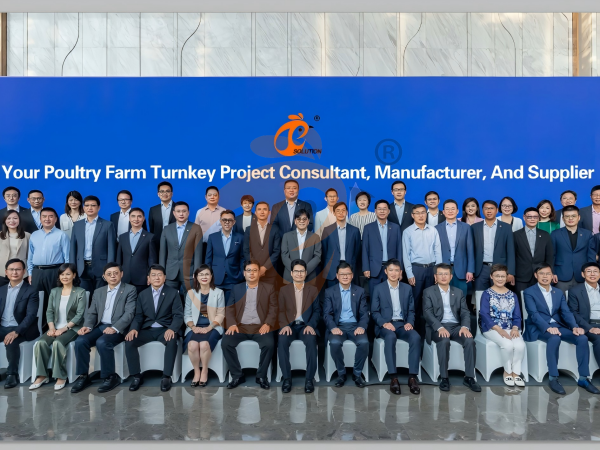
Hong Kong Headquarter Management Team
Hong Kong Headquarter Taiyu Industrial Group CO., LTD
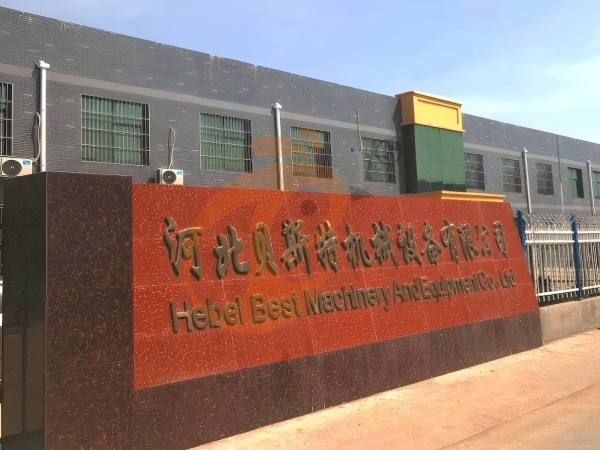
China Hebei Best Machinery And Equipment CO., LTD
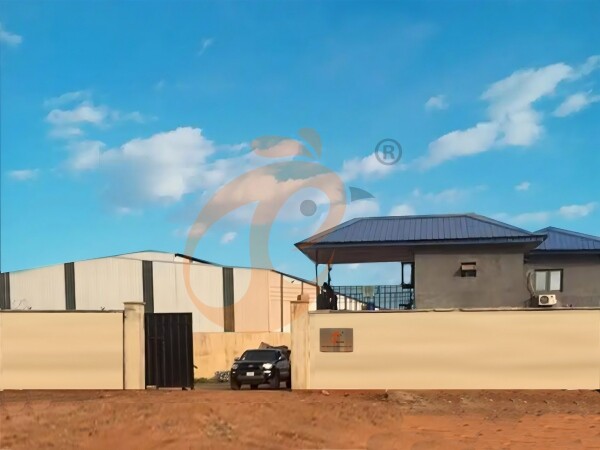
Nigeria Vanke Machinery And Equipment CO., LTD
Tanzania Best Machinery And Equipment CO., LTD
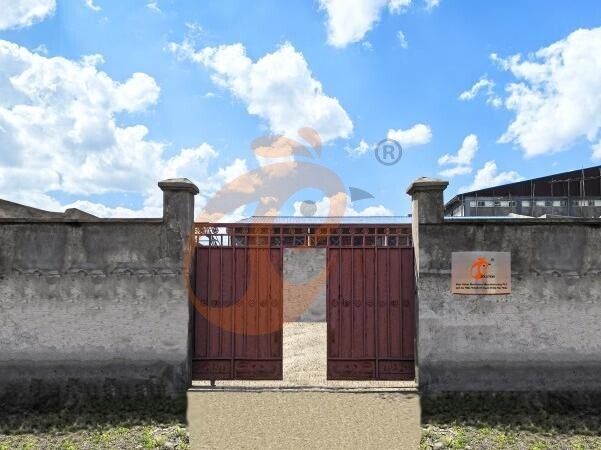
Ethiopia Best Hebei Machinery Manufacturing PLC




Reception /24 WhatsApp NO. : +8618830120193
MESSAGE
Products recommended
 HK Headquarter Offers EU-standard Poultry Farm Solutions, Manufacture Poultry Farm Equipment1. Continuous communication with the EU and the US
2. China, Nigeria, Ethiopia, Tanzania branch companies and factories
3. The products’ quality is customized for local poultry farms
4. Poultry cage and poultry farm equipment stock for sale
5. 24 online reception Whatsapp NO. : +8618830120193,contact us to get full informationRead More China Branch Offer Poultry Farm Business Plan, Manufacture Poultry Farm Equipment1. Address: Flat/RM 2416, 24/F, Runxing Building, Youyi Nan Street, Shijiazhuang City, Hebei Province, China
2. Poultry cage and poultry farm equipment factory and stock for sale
3. Customized for local poultry farms
4. Quality and design are based on Euro
5. 24 online reception Whatsapp NO. : +8618830120193Read More Nigeria Branch Offer Poultry Farm Business Plan, Manufacture Poultry Farm Equipment1. Address: After Sinoma Office, 200 Meters Near Danco Filling Station, Lagos/Ibadan Expressway, Lagos State, Nigeria
2. Poultry cage and poultry farm equipment factory and stock for sale
3. Customized for Nigerian poultry farms
4. Quality and design are based on Euro
5. 24 online reception Whatsapp NO. : +8618830120193Read More Ethiopia Branch Offer Poultry Farm Business Plan, Manufacture Poultry Farm Equipment1. Address: Gelan Gura, Akaki-kaliti Sub City, Addis Ababa, Ethiopia
2. Poultry cage and poultry farm equipment stock for sale
3. Customized for Ethiopian poultry farms
4. Quality and design are based on Euro
5. 24 online reception Whatsapp NO. : +8618830120193, contact us to get price listRead More Tanzania Branch Offer Poultry Farm Business Plan, Manufacture Poultry Farm Equipment1. Address: No.8, Sova Road, Msufini, Mlandizi, Kibaha, Pwani, Tanzania
2. Poultry cage and poultry farm equipment factory and stock for sale
3. Customized for Tanzanian poultry farms
4. Quality and design are based on Euro
5. 24 online reception Whatsapp NO. : +8618830120193Read More Automatic H Type Layer Battery Cage System1. 30,000-100,000+ layers/house chooses it
2. Structure type stacked 3-16 tiers range
3. Stocking density up to 17 birds/cage
4. Service life 25 years
5. Reception /WhatsApp NO. : +8618830120193Read More Automatic A Type Layer Battery Cage System1. 10,000-30,000+ layers/house chooses it
2. Lifespan 25+ years
3. Labor requirement 1 worker per 10,000 birds
4. Reduce disease rates by 15%-20%.
5. Reception /WhatsApp NO. : +8618830120193Read More Semi Automatic A Type Layer Battery Cage System1. 1,00-10,000+ layers/house chooses it
2. Egg breakage rate≤ 0.5%
3. Mesh spacing 2.5×2.5 cm
4. Egg collection floor slope 7–8°
5. Reception /WhatsApp NO. : +8618830120193Read More