Pralson Feeder Maintenance | 7 Key Tips For Long-Term Use
Time : Aug 21, 2026
  • Pralson feeder maintenance keeps every automatic poultry feeder operating smoothly while reducing feed loss below 1.6% and extending mechanical durability across demanding poultry farms.

  • Consistent inspection, accurate cleaning, and planned component replacement create stable production capacity, lower unexpected downtime, and support efficient flock management throughout different production cycles.

  • Reliable maintenance routines protect equipment value, improve feed delivery consistency, reduce operating expenses, and simplify daily management for commercial poultry projects.

  • Scientific maintenance principles help minimize corrosion, mechanical wear, and contamination while maintaining dependable performance under continuous production environments.

  • Professional engineering practices combined with quality manufacturing allow modern chicken feeding system solutions to achieve higher productivity, stronger reliability, and long-term commercial value.

Get professional poultry farm construction guidance, equipment selection solutions, and the latest price lists, whatsApp to +8618830120193, click to learn more.
Taiyu (HK) Group Equipment

Taiyu (HK) Group Equipment


Daily Cleaning Checklist


Routine cleaning prevents feed residue from hardening inside feeding pans.

Dust thicker than 2.4 mm around moving assemblies should be removed before normal production resumes.

Regular cleaning also protects every pan feeding equipment installation from premature wear caused by accumulated organic material.

Data is for reference only. Swipe horizontally to view full table.

Cleaning ItemRecommended FrequencyTarget ConditionSuggested Tool
Feed Pan SurfaceEvery 24 hoursNo visible residueSoft nylon brush
Feed Drop TubeEvery 72 hoursFully unobstructedFlexible cleaning rod
Hopper InteriorEvery 10 daysDry surfaceAir blower
Drive HousingEvery 14 daysDust freeIndustrial vacuum
Sensor CoverEvery 21 daysClear visibilityMicrofiber cloth


Common Mistakes To Avoid


Avoid washing electrical assemblies directly with high-pressure water.

Avoid leaving damaged fasteners until the next production cycle.

Avoid mixing old feed with newly delivered feed inside storage systems.

Choose instead scheduled inspection before problems become expensive repairs.


Weekly Inspection Priorities


Mechanical vibration usually appears before visible component failure.

Checking alignment every week allows operators to identify unusual movement before production efficiency declines.

Well-designed pralson feeder assemblies simplify inspection because modular structures allow faster access to important components.

Data is for reference only. Swipe horizontally to view full table.

Inspection PointAcceptable ReadingInspection MethodFollow-Up Action
Chain ElongationUnder 0.8%Steel gaugeContinue operation
Drive Shaft RunoutBelow 0.25 mmDial indicatorMonitor monthly
Bearing NoiseUnder 58 dbSound meterReinspect later
Gearbox Oil Level92% capacitySight glassRefill if needed
Pan Rotation Force11 nForce gaugeLubricate pivot


Why Feed Residue Accelerates Corrosion


Feed contains natural oils, mineral particles, and moisture that gradually react with galvanized steel surfaces.

Organic residue also traps ammonia released inside poultry houses, increasing localized corrosion during long production cycles.

Removing residue before chemical reactions begin is considerably more effective than repairing damaged components later.


Replacement Planning Guide


Replacing inexpensive wearing parts at planned intervals reduces unexpected shutdown costs.

Preventive maintenance generally costs far less than emergency equipment replacement.

Data is for reference only. Swipe horizontally to view full table.

ComponentTypical Service LifeReplacement Cost (USD)Maintenance Priority
Feed Pan Spring28 months6.80High
Nylon Roller9600 operating hours12.40High
Hopper Seal42 months9.50Medium
Chain Connector18500 operating hours15.90Medium
Drive Sprocket6 years47.00Planned

European union standard reference only.


Lubrication Reference


Proper lubrication minimizes friction while reducing unnecessary component stress.

Different assemblies require different lubrication intervals because operating conditions vary across complete feeding lines.

Data is for reference only. Swipe horizontally to view full table.

Lubrication PointLubricant GradeLubrication IntervalApplication Volume
Main Drive BearingNlgl 2Every 1200 hours18 g
Chain GuideIso vg150Every 45 days12 ml
Shaft CouplingEp greaseEvery 1600 hours15 g
Tension ArmLithium complexEvery 90 days10 g
Gear ReducerIso vg 220Every 18 months1.4 l


Practical Maintenance Scenario


Situation

A broiler farm noticed uneven feed distribution after continuous seasonal production.

Diagnosis

Inspection revealed worn chain connectors and excessive residue inside several feed pans.

Solution

Replacing affected components while cleaning the complete automatic poultry feeder line restored stable feed delivery without replacing the entire system.

Result

Production resumed with fewer interruptions and improved maintenance efficiency.


Maintenance Schedule Comparison


Different maintenance intervals directly influence equipment stability and long-term ownership costs.

Following a preventive maintenance plan is generally more economical than reacting after unexpected failures occur.

Data is for reference only. Swipe horizontally to view full table.

Maintenance StrategyAnnual DowntimeAverage Labor HoursUnexpected FailuresEstimated Annual Cost (USD)
Preventive Schedule13 hours8421,480
Predictive Schedule9 hours7611,690
Reactive Schedule47 hours12993,860
Mixed Schedule21 hours9642,170
Seasonal Schedule27 hours10152,540


Quick Maintenance Checklist


□ Remove remaining feed before every production restart.

□ Confirm every fastener remains securely tightened.

□ Inspect transmission assemblies for unusual vibration.

□ Verify sensors remain clean without physical obstruction.

□ Record every maintenance activity for future comparison.


Cleaning Equipment Recommendation


Selecting appropriate cleaning tools protects coated surfaces while shortening maintenance time.

Aggressive tools may remove protective coatings and shorten overall equipment durability.

Data is for reference only. Swipe horizontally to view full table.

Cleaning ToolSuitable AreaWorking PressureTypical Service Life
Air Blow GunDrive assembly95 psi8 years
Rotary Nylon BrushFeed pan320 rpm5 years
Industrial VacuumHopper base1450 w7 years
Foam SprayerFrame surface48 psi6 years
Steam CleanerSteel components165 °c9 years


Maintenance Benefits In Commercial Poultry Farms


Regular servicing creates measurable operational improvements instead of simply extending equipment life.

Stable mechanical performance also reduces unnecessary feed waste while supporting consistent flock management.

Pralson feeder engineering focuses on modular construction, allowing individual components to be replaced without dismantling the complete chicken feeding system.

Commercial poultry producers often prefer this structure because maintenance planning becomes more predictable throughout multiple production cycles.

Data is for reference only. Swipe horizontally to view full table.

Operational BenefitBefore MaintenanceAfter MaintenanceImprovement
Feed Distribution Uniformity91.8%98.1%6.3%
Equipment Availability95.2%99.0%3.8%
Average Repair Time6.8 hours2.1 hours69%
Spare Part Consumption42 pieces25 pieces40%
Maintenance Efficiency74.5%93.7%19.2%


Frequently Asked Questions


Q1: How often should a pralson feeder receive a complete inspection?

A1: Commercial operations normally perform a comprehensive inspection every production cycle, while transmission assemblies benefit from closer observation after approximately 520 operating hours under continuous use.

Q2: Which components usually require replacement first?

A2: Feed pan springs, chain connectors, and sealing parts generally experience earlier wear because they operate continuously and are exposed to feed particles, moisture, and environmental contaminants.

Q3: Does preventive maintenance reduce long-term operating costs?

A3: Yes.

Replacing small components before failure usually prevents larger mechanical damage, lowers unexpected downtime, and improves overall equipment utilization across commercial poultry production.


Taiyu (HK) Group - One Of China Largest Pralson Feeder Manufacturer


  • Pralson feeder combines precision engineering, durable structural design, and dependable material selection for modern commercial poultry production with reliable long-term operational performance.

  • Factory-direct manufacturing supports global customers through competitive pricing, consistent production quality, and efficient project coordination.

  • Complete poultry equipment solutions include feeding, drinking, ventilation, environmental control, manure removal, and intelligent automation systems.

  • Professional turn-key engineering services cover project planning, equipment manufacturing, installation guidance, commissioning, and technical support for farms of different production capacities.

  • International export experience, standardized quality management, and responsive after-sales service help customers complete poultry projects with dependable engineering confidence.


Contact Us To Received Your Customized Poultry Farm Plan


Headquarters And Branchs

Pralson Feeder Maintenance | 7 Key Tips For Long-Term Use

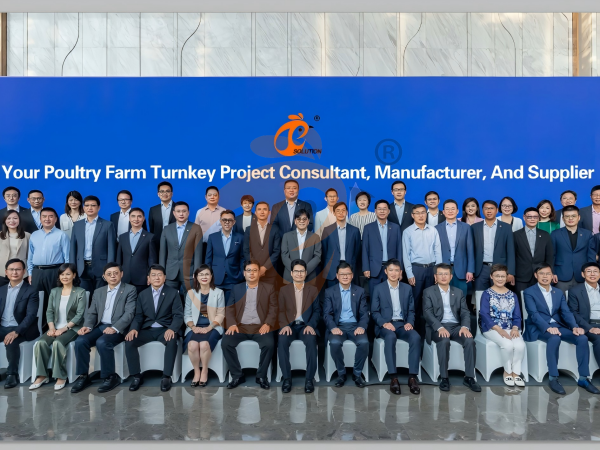
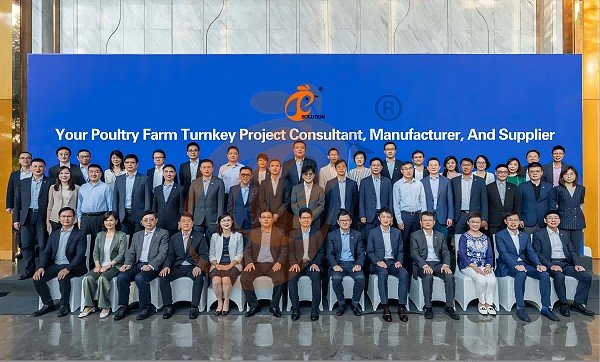
Hong Kong Headquarter Management Team


  • Hong Kong Headquarter Taiyu Industrial Group CO., LTD

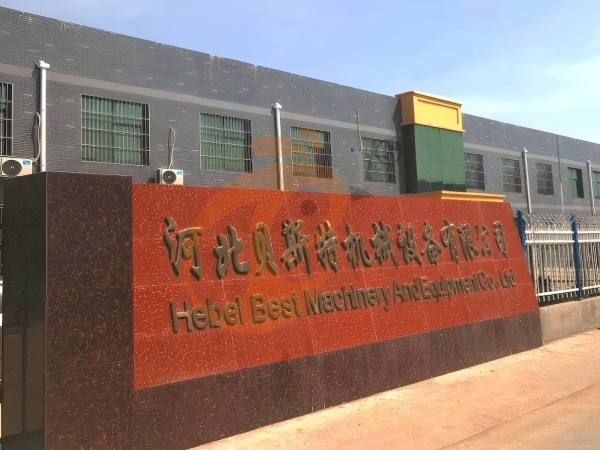
  • China Hebei Best Machinery And Equipment CO., LTD

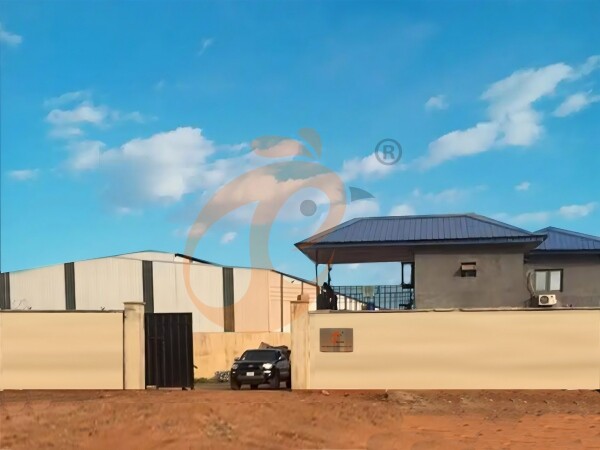
  • Nigeria Vanke Machinery And Equipment CO., LTD

  • Tanzania Best Machinery And Equipment CO., LTD

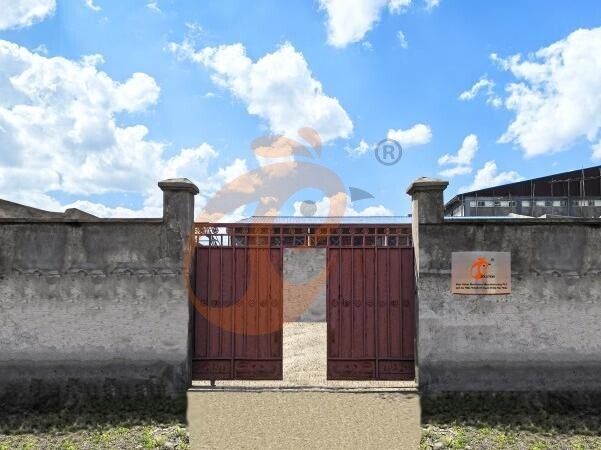
  • Ethiopia Best Hebei Machinery Manufacturing PLC


supplier and manufacture chicken cage and poultry farm equipment (2)

China Branch


supplier and manufacture chicken cage and poultry farm equipment (3)

Nigeria Branch


supplier and manufacture chicken cage and poultry farm equipment (4)

Tanzania Branch


chicken cage design (1)

Ethiopia Branch


Reception /24 WhatsApp NO. : +8618830120193

Email:sales@bestchickencage.com

MESSAGE

Send

Products recommended