Pellet machines compress formulated poultry feed into consistent particles, supporting cleaner handling and more controlled feeding across commercial chicken houses with daily consumption reaching 24 tonnes.
Better pellet structure helps limit dust, ingredient separation, and mechanical losses while supporting stable feed delivery through automated poultry equipment.
Integrated grinding, mixing, conditioning, cooling, screening, conveying, and storage create a controlled feed-processing route with fewer manual transfer points.
Proper pellet specifications matched with bird age can improve feed accessibility, while automated feeding lines help maintain consistent distribution across houses operating in 3 daily shifts.
Commercial poultry projects benefit from complete equipment engineering, combining pellet production, feed storage, automatic feeding, and chicken-house systems into one coordinated production solution.
Get professional poultry farm construction guidance, equipment selection solutions, and the latest price lists, whatsApp to +8618830120193, click to learn more.
Produce More Uniform Feed With Pelletizing
Data is for reference only.Swipe horizontally to view full table.
Uniform feed structure can reduce ingredient separation during handling and give birds more consistent access to the formulated ration.
Published technical guidance associates suitable pellet structure with improved feeding performance.
For commercial chicken houses, our poultry feed pellet machine can be configured around different feed formulas and production requirements.
A properly selected ring die can process multiple formulations while maintaining consistent mechanical compression.
Control Fine Particles Before They Become Waste
Feed dust is easily displaced around feeders and can accumulate in corners, conveyors, and house equipment.
Aviagen's 2025 nutrition guidance identifies particles below 1 mm as an important feed-form consideration and recommends controlling their proportion in finished poultry diets.
Controlled Processing Route
Grinding → mixing → conditioning → pelletizing → cooling → screening → storage → automatic feeding
Screening after cooling is particularly useful because broken material can be separated and returned to the production cycle rather than delivered directly to the chicken house.
Our poultry pellet mill solutions can incorporate pellet machines, coolers, sieves, conveyors, and silos so fines management becomes part of the production line rather than a separate manual task.
Match Pellet Dimensions To Bird Age
Data is for reference only.Swipe horizontally to view full table.
Pellet dimensions should be selected according to bird development and feeding equipment.
Research has tested broiler diets using pellet diameters of 3 and 4.76 mm with lengths of 3 and 6 mm, demonstrating that physical feed structure is an important formulation variable.
Our poultry feed pellet machine can support different die specifications, allowing poultry farms to change production programs as birds move through starter, grower, and finisher stages.
Reduce Spillage With An Integrated Feeding Route
Pellet production only solves part of the waste problem.
Feed can still be lost during transportation and distribution if the chicken-house feeding system is poorly matched to production capacity.
Efficient Feed Route
Raw materials enter the preparation section.
The hammer mill establishes the required particle structure.
The mixer combines ingredients according to the formulation.
The conditioner prepares material before pelletizing.
The animal feed pellet machine forms the feed.
The cooler stabilizes the finished pellets.
The conveyor transfers feed to storage.
Automatic feeding lines deliver feed throughout the chicken house.
A commercial system can be designed around a daily feed requirement of 18 tonnes with a storage reserve of 36 tonnes, allowing equipment configuration to reflect actual farm logistics rather than generic machine specifications.
This is where a professional chicken-house equipment supplier adds value, because the pellet machine, silo, conveyor, feeding line, and control system can be engineered as one operating system.
Improve Pellet Strength Through Controlled Conditioning
Data is for reference only.Swipe horizontally to view full table.
Conditioning affects the physical structure of poultry pellets because moisture and heat influence material binding inside the die.
Technical references commonly place conditioning temperatures around 75–85°c for poultry feed applications.
Our commercial pellet machine production lines can integrate conditioners and counterflow coolers so feed moves continuously from forming to stabilization.
Controlled processing also supports a continuous production cycle across approximately 20 operating hours when farm schedules require extended daily output.
Select Machine Capacity From Actual Feed Demand
Choosing a pellet machine should begin with the farm's feed requirement rather than the machine nameplate alone.
Use This Calculation
Required hourly output = daily feed requirement ÷ planned operating hours
For example, a poultry farm consuming 24 tonnes per day and operating the pellet line for 8 hours requires approximately 3 tonnes per operating hour before considering production margins.
Commercial poultry pellet machines are available across a broad capacity range, depending on motor configuration and machine size.
Our equipment selection process considers flock size, feed formulation, operating schedule, electrical supply, and planned expansion before recommending the pellet mill model.
A properly engineered line can also reserve approximately 15% of production planning capacity for future operational fluctuations without changing the complete plant layout.
Combine Pellet Production With Automatic Feeding
Data is for reference only.Swipe horizontally to view full table.
The pellet mill should be considered one component of the complete feed system.
Manufacturer specifications show that poultry pellet machines can be paired with different feeder and conditioner configurations according to output requirements.
For chicken-house projects, our poultry pellet machine system can connect feed processing with bulk storage and automatic distribution, helping reduce unnecessary manual transfer between the feed mill and poultry house.
Centralized operation can also coordinate multiple production stages through a single control interface, reducing repeated operator intervention during scheduled production cycles.
Monitor Where Feed Loss Actually Occurs
Four Practical Checkpoints
Checkpoint A — Processing
Inspect rejected material, accumulated fines, and die condition.
Checkpoint B — Storage
Check silo discharge, condensation, bridging, and residual material.
Checkpoint C — Transportation
Inspect conveyor transitions, elevator buckets, and transfer points.
Checkpoint D — Chicken House
Observe feeder adjustment, feed accumulation, and floor spillage.
A farm processing 30 tonnes of feed per day can establish daily mass-balance records and compare input against feed delivered to the houses.
A 7-day rolling record can reveal recurring loss patterns that may remain invisible during individual inspections.
Protect Finished Pellets During Storage
Data is for reference only.Swipe horizontally to view full table.
Pellet quality can deteriorate after production if storage conditions are poorly controlled.
Moisture migration, condensation, and mechanical abrasion can generate additional fines before feed reaches the birds.
Our chicken-house equipment solutions can include feed silos, conveying systems, and discharge equipment designed around the required storage volume and house feeding schedule.
Proper material flow planning can also reduce residual feed accumulation during routine silo discharge operations.
Use The Pellet Machine As Part Of A Waste-Reduction Strategy
There are five practical mechanisms behind the approach.
1. Compact The Feed
Pelletizing binds ingredients into a mechanically stable form.
2. Control Particle Structure
Correct die selection produces feed dimensions appropriate for different production stages.
3. Separate Fines
Screening prevents excessive powder from entering the finished-feed stream.
4. Automate Transportation
Conveyors and elevators reduce repeated manual movement.
5. Automate Distribution
Automatic feeding equipment provides a controlled route from silo to feeder.
Scientific and industry literature supports the importance of physical pellet quality, feed form, and fines management in broiler production.
A properly coordinated system can also reduce the number of manual feed-transfer operations to fewer than 4 primary handling stages.
Choose A Complete Chicken-House Equipment Package
Data is for reference only.Swipe horizontally to view full table.
Equipment specifications vary by manufacturer and project configuration, so final selection should be based on feed formulation, flock size, house dimensions, and electrical infrastructure.
Current commercial pellet-machine configurations demonstrate substantial variation in output, motor power, and die diameter.
As a chicken-house equipment company, we can combine feed-processing machinery with feeding, ventilation, environmental-control, and farm automation equipment to create a complete project solution.
Engineering layouts can also reserve approximately 10% additional installation space for future equipment servicing and component replacement.
Turn Feed Efficiency Into A Farm-Level Equipment Advantage
Reducing feed waste is ultimately a system-design issue.
A pellet machine provides the foundation by converting prepared ingredients into a manageable feed form.
A cooler protects the finished product after compression.
Screening controls recycled material.
Conveyors move feed with fewer manual transfer points.
Silos organize inventory, while automatic feeding lines deliver feed directly inside the chicken house.
For example, a project designed around 5,000 broilers per house and 4 houses requires equipment planning that considers not only pellet output but also storage volume, feeding-line length, house layout, and daily feed distribution.
The most effective equipment investment therefore combines pellet production + feed storage + conveying + automatic feeding + chicken-house automation.
If your poultry farm is building a new chicken house or upgrading an existing facility, our team can design a customized poultry feed pellet machine and poultry equipment configuration around flock capacity, feed requirements, building dimensions, and automation objectives.
The result is a more controlled feed pathway from raw material preparation to the feeder, designed to reduce avoidable losses while improving the efficiency of modern poultry-house operations.
Frequently Asked Questions
Q1: What does a pellet machine contribute to poultry feed efficiency?
A1: A pellet machine compresses mixed ingredients into a more manageable physical form, helping reduce loose material during processing and handling.
A correctly configured production line can process several tonnes per operating hour while supporting automated downstream feeding.
Q2: How should pellet equipment be selected for a chicken house?
A2: Selection should consider flock population, daily feed demand, operating schedule, formulation, house layout, storage requirements, and planned expansion.
A complete project normally connects grinding, mixing, pelletizing, cooling, storage, conveying, and automatic feeding rather than using an isolated machine.
Q3: Can pellet machines be integrated with poultry equipment?
A3: Yes.
Pellet production can connect with silos, conveyors, automatic feeders, environmental controllers, and other chicken-house equipment through a coordinated control and material-flow design.
Taiyu (HK) Group - One Of China Toppest Pellet Machine Manufacturer
Pellet machine industrial poultry feed pellet equipment engineered for continuous compression, controlled feed formation, integrated conditioning, cooling, screening, and downstream material handling.
Global factory direct sales direct equipment supply supports project-specific configuration, technical documentation, component selection, production scheduling, and international delivery coordination.
Poultry equipment complete chicken-house systems can integrate automatic feeding, drinking, ventilation, environmental control, feed storage, conveying, and farm automation.
Turn-key engineering project execution can cover process design, equipment matching, layout planning, manufacturing, installation guidance, commissioning support, and operational coordination.
International project supply engineering packages are structured for commercial poultry farms requiring coordinated equipment specifications, scalable capacity, spare-parts planning, and long-term system support.
Contact Us To Received Your Customized Poultry Farm Plan
Headquarters And Branchs

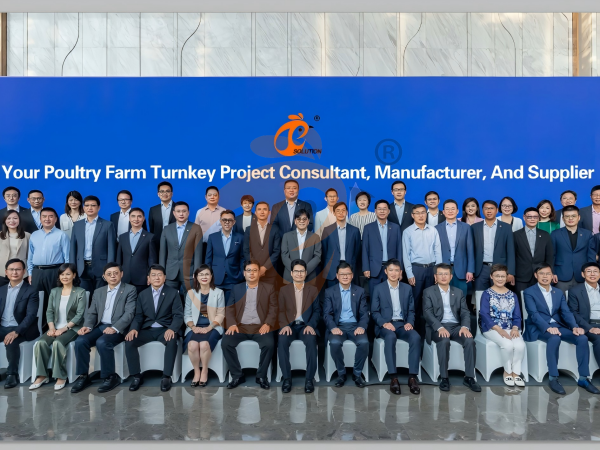
Hong Kong Headquarter Management Team
Hong Kong Headquarter Taiyu Industrial Group CO., LTD
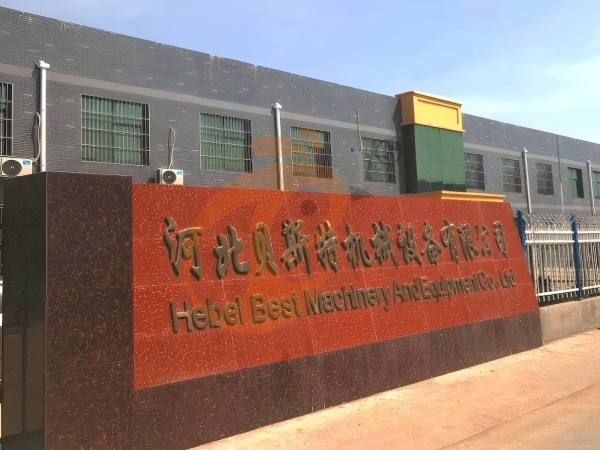
China Hebei Best Machinery And Equipment CO., LTD
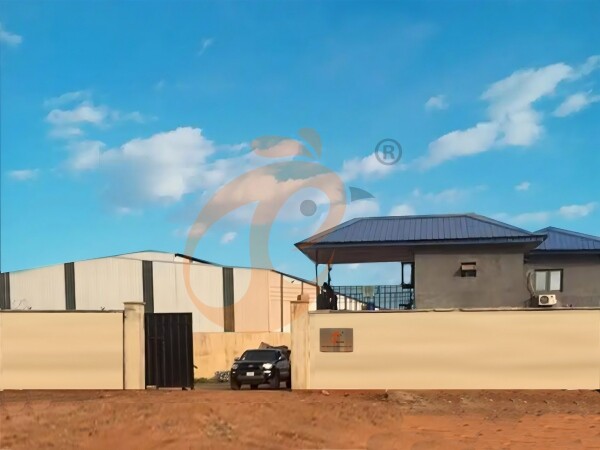
Nigeria Vanke Machinery And Equipment CO., LTD
Tanzania Best Machinery And Equipment CO., LTD
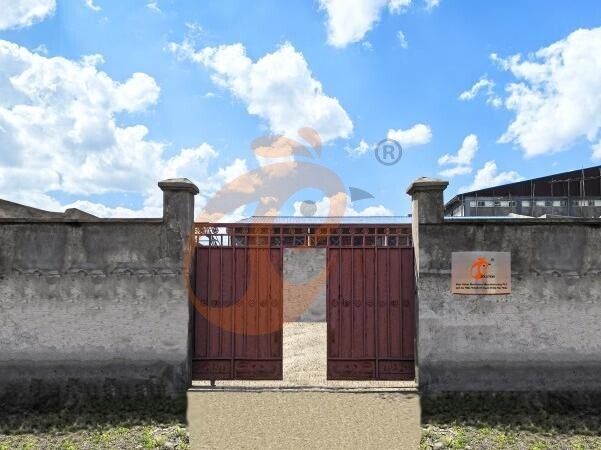
Ethiopia Best Hebei Machinery Manufacturing PLC




Reception /24 WhatsApp NO. : +8618830120193
MESSAGE
Products recommended
 HK Headquarter Offers EU-standard Poultry Farm Solutions, Manufacture Poultry Farm Equipment1. Continuous communication with the EU and the US
2. China, Nigeria, Ethiopia, Tanzania branch companies and factories
3. The products’ quality is customized for local poultry farms
4. Poultry cage and poultry farm equipment stock for sale
5. 24 online reception Whatsapp NO. : +8618830120193,contact us to get full informationRead More China Branch Offer Poultry Farm Business Plan, Manufacture Poultry Farm Equipment1. Address: Flat/RM 2416, 24/F, Runxing Building, Youyi Nan Street, Shijiazhuang City, Hebei Province, China
2. Poultry cage and poultry farm equipment factory and stock for sale
3. Customized for local poultry farms
4. Quality and design are based on Euro
5. 24 online reception Whatsapp NO. : +8618830120193Read More Nigeria Branch Offer Poultry Farm Business Plan, Manufacture Poultry Farm Equipment1. Address: After Sinoma Office, 200 Meters Near Danco Filling Station, Lagos/Ibadan Expressway, Lagos State, Nigeria
2. Poultry cage and poultry farm equipment factory and stock for sale
3. Customized for Nigerian poultry farms
4. Quality and design are based on Euro
5. 24 online reception Whatsapp NO. : +8618830120193Read More Ethiopia Branch Offer Poultry Farm Business Plan, Manufacture Poultry Farm Equipment1. Address: Gelan Gura, Akaki-kaliti Sub City, Addis Ababa, Ethiopia
2. Poultry cage and poultry farm equipment stock for sale
3. Customized for Ethiopian poultry farms
4. Quality and design are based on Euro
5. 24 online reception Whatsapp NO. : +8618830120193, contact us to get price listRead More Tanzania Branch Offer Poultry Farm Business Plan, Manufacture Poultry Farm Equipment1. Address: No.8, Sova Road, Msufini, Mlandizi, Kibaha, Pwani, Tanzania
2. Poultry cage and poultry farm equipment factory and stock for sale
3. Customized for Tanzanian poultry farms
4. Quality and design are based on Euro
5. 24 online reception Whatsapp NO. : +8618830120193Read More Automatic H Type Layer Battery Cage System1. 30,000-100,000+ layers/house chooses it
2. Structure type stacked 3-16 tiers range
3. Stocking density up to 17 birds/cage
4. Service life 25 years
5. Reception /WhatsApp NO. : +8618830120193Read More Automatic A Type Layer Battery Cage System1. 10,000-30,000+ layers/house chooses it
2. Lifespan 25+ years
3. Labor requirement 1 worker per 10,000 birds
4. Reduce disease rates by 15%-20%.
5. Reception /WhatsApp NO. : +8618830120193Read More Semi Automatic A Type Layer Battery Cage System1. 1,00-10,000+ layers/house chooses it
2. Egg breakage rate≤ 0.5%
3. Mesh spacing 2.5×2.5 cm
4. Egg collection floor slope 7–8°
5. Reception /WhatsApp NO. : +8618830120193Read More