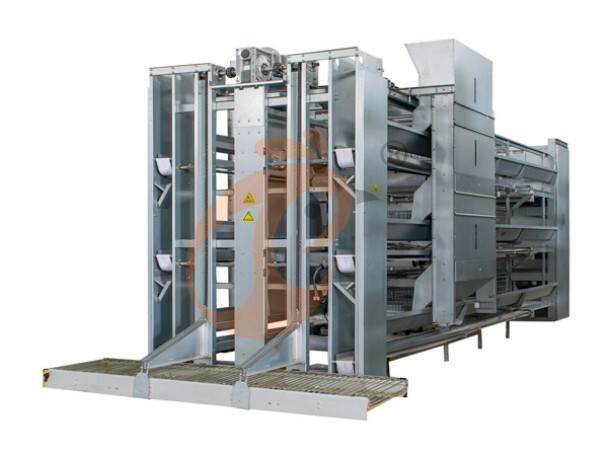
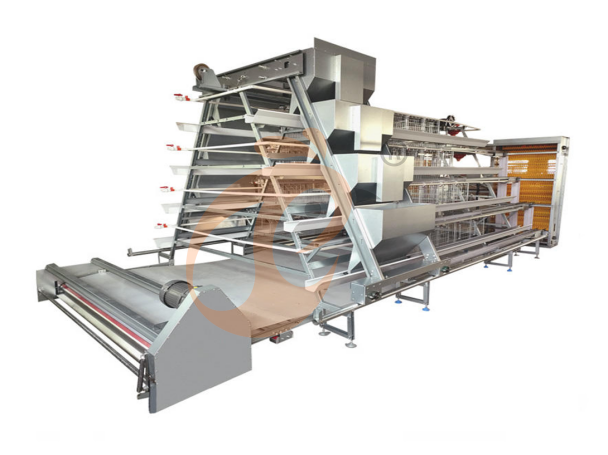
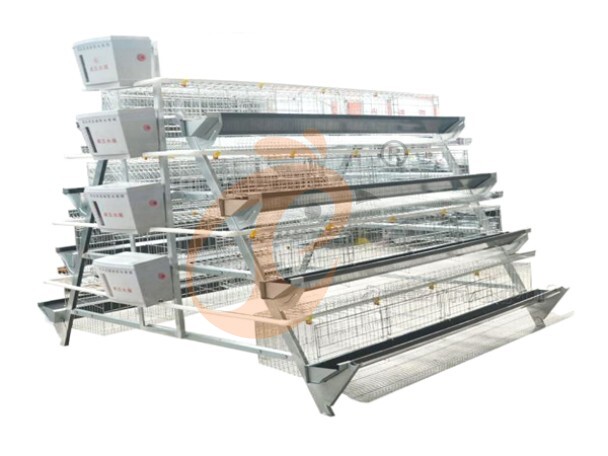
- Smart H type chicken cage systems integrate cage housing, automation, and coordinated poultry production for modern commercial farms with scalable layouts and 24-hour operational planning.
Automated feeding, watering, egg handling, and manure processing reduce repetitive intervention while supporting organized workflows across large poultry houses with multiple production zones.
Structural engineering, environmental monitoring, and equipment compatibility strengthen operational stability, helping farms coordinate daily production through centralized control and systematic inspection.
Space utilization, labor allocation, sanitation management, and equipment maintenance become measurable management factors rather than disconnected manual activities across growing layer operations.
- Integrated engineering packages support new construction and modernization projects, combining H type layer cage systems with practical poultry equipment planning for sustainable expansion.
Get professional poultry farm construction guidance, equipment selection solutions, and the latest price lists, whatsApp to +8618830120193, click to learn more:
Start With The Farm, Not The Cage
Smart H type chicken cage systems should be planned as complete production infrastructure rather than isolated cage units.
- Cage installation establishes the housing framework.
- Feeding, drinking, egg collection, manure removal, ventilation, and control systems connect production activities.
- Building dimensions determine equipment positioning and service access.
- Flock capacity determines the required production-line configuration.
- Automation level determines the relationship between equipment operation and workforce allocation.
Typical configurations support 3–12 tiers, while cage sections can be engineered around 600 × 600 × 480 mm according to project requirements.
Technical Configuration At A Glance
Data is for reference only.Swipe horizontally to view full table.
Smart H type chicken cage systems should be specified according to flock size, building geometry, automation requirements, and regional engineering standards.
A professional H type layer cage system can be configured around actual house dimensions rather than forcing standardized equipment into unsuitable layouts.
Space Utilization Formula
Available building area
↓
Tier arrangement
↓
Cage-row positioning
↓
Service corridor planning
↓
Production capacity
A standardized smart H type chicken cage system uses vertical installation to create additional housing levels without expanding the building footprint horizontally.
Published configurations include 128 birds per 4-tier set, 256 birds per 8-tier set, and 384 birds per 12-tier set, demonstrating how tier selection changes module capacity.
An automatic poultry cage system should therefore be planned together with ventilation routes, electrical lines, maintenance access, and manure discharge positions.
Cage Structure — Engineering For Long-Term Operation
Data is for reference only.Swipe horizontally to view full table.
Material selection directly influences long-term equipment performance.
Smart H type chicken cage systems using hot-dip galvanized components are suitable for projects where structural protection and routine washing are important
considerations.
A properly engineered H type layer cage system should also consider house humidity, cleaning frequency, and local operating conditions before final material
specifications are approved.
Feeding Automation — From Labor To Controlled Cycles
Manual feeding → variable workload → repeated worker movement
Automated feeding → scheduled operation → centralized supervision
A Smart H type chicken cage system can integrate mechanized feed distribution so operators supervise equipment instead of repeatedly carrying feed between cage rows.
Feed movement can be coordinated with programmable operating cycles, while drive components can be checked during scheduled maintenance windows of
approximately 15–30 minutes.
An automatic poultry cage system consequently changes labor allocation from repetitive transportation toward flock inspection, equipment supervision, and
production control.
Feeding System Performance Data
Data is for reference only.Swipe horizontally to view full table.
Feeding equipment should be selected after evaluating flock demand, feed storage, conveying distance, and daily operating cycles.
Smart H type chicken cage systems can be engineered around different house configurations, with drive inspection intervals commonly scheduled every 500–
1,000 operating hours.
A commercial H type layer cage system should match conveying equipment to actual production demand instead of simply selecting oversized machinery.
Water Delivery — Engineer The Supply Line
A reliable water system follows a simple sequence:
Storage → filtration → pressure regulation → pipeline distribution → nipple delivery → inspection
A Smart H type chicken cage system can incorporate nipple drinking equipment, filtration, pressure regulation, storage, and dedicated pipelines as one engineered network.
Nipple assemblies allow birds to activate drinking points individually, while water-line routing can be separated from electrical components by approximately 150–
300 mm where project design permits.
An automatic poultry cage system therefore treats drinking equipment as part of complete production architecture rather than as an independent accessory.
Water System Specifications
Data is for reference only.Swipe horizontally to view full table.
Water quality should be incorporated into routine equipment management.
Smart H type chicken cage systems can be arranged with filtration and inspection points positioned approximately 1–2 m from accessible service areas.
A properly configured H type layer cage system helps operators identify pipeline leakage, pressure irregularities, and component wear before problems spread across multiple cage rows.
Egg Collection — Follow The Production Flow
Cage floor
↓
Egg movement
↓
Collection belt
↓
Transfer conveyor
↓
Central collection point
Within a Smart H type chicken cage system, eggs move toward collection belts before entering centralized transfer equipment.
The transfer route can be designed with turning radii of approximately 1.5–2.5 m where conveyors change direction, helping engineers coordinate downstream packing connections.
An automatic poultry cage system can therefore reduce unnecessary worker movement between cage rows while concentrating collection activity at designated processing points.
Egg Collection & Manure Removal Data
Data is for reference only.Swipe horizontally to view full table.
Egg and manure routes require coordinated engineering because both systems occupy critical positions within multi-tier installations.
Smart H type chicken cage systems can be arranged with maintenance clearances of approximately 600–1,000 mm around designated service positions.
A commercial H type layer cage system should integrate collection, discharge, access, and maintenance planning before equipment installation begins.
Environmental Control — Turn Data Into Decisions
Sensor input → controller analysis → equipment response → operator supervision
A smart H type chicken cage system can connect temperature, humidity, gas, pressure, lighting, ventilation, and alarm functions through centralized control architecture.
Environmental equipment can be organized into independent control zones covering approximately 100–300 m² per management section, depending on building design.
An automatic poultry cage system then becomes part of a broader digital management structure where equipment status and environmental conditions can be evaluated together.
Smart Farm Control — The Complete Equipment Package
Data is for reference only.Swipe horizontally to view full table.
The strongest equipment strategy combines mechanical systems with centralized supervision.
Smart H type chicken cage systems can be connected to farm management architecture through structured communication interfaces and dedicated control cabinets.
For an H type layer cage system, engineering teams should evaluate electrical capacity, backup power, communication routing, and control-zone configuration before commissioning.
Frequently Asked Questions
Q1: What makes smart H type chicken cage systems suitable for commercial farms?
Smart H type chicken cage systems combine multi-tier housing with automated production equipment, reducing fragmented operations.
A complete installation can integrate feeding, watering, egg collection, manure removal, and environmental control within one project framework.
Q2: How should farmers select an H type cage configuration?
Selection should begin with house dimensions, flock target, production type, automation requirements, and maintenance access.
Tier quantity, cage arrangement, conveyor routing, and electrical capacity should be calculated together rather than selected independently.
Q3: What should be included in an automatic poultry cage system project?
A complete system can include cage frames, feeding lines, nipple drinking systems, egg collection equipment, manure removal, ventilation, environmental control, electrical cabinets, installation, commissioning, and technical support.
Project specifications should be finalized according to local poultry standards, building conditions, and actual flock requirements.
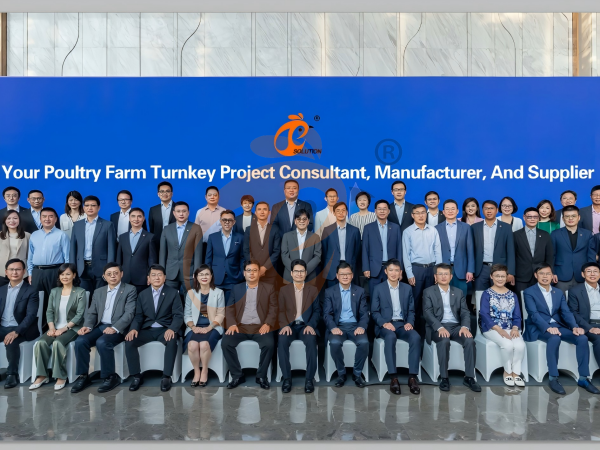
Taiyu (HK) Group - One Of China Toppest Smart H Type Chicken Cage System Manufacturer
Smart H type chicken cage systems integrate multi-tier housing and automated poultry equipment, with project configurations supporting 3–12 tiers and engineered layouts for commercial layer operations.
Global factory-direct supply covers cage structures, feeding systems, drinking systems, egg collection, manure removal, ventilation, control cabinets, and associated poultry equipment from one engineering source.
Turn-key engineering coordinates house layout, equipment calculation, production-line integration, installation, commissioning, operator training, and project handover according to site-specific technical requirements.
International projects can receive complete equipment packages with engineering documentation, component coordination, electrical planning, spare-parts support, and installation guidance for different poultry-house configurations.
Factory project management supports new farms, capacity expansion, and existing-house modernization, allowing poultry equipment specifications to be coordinated before manufacturing and shipment.
Contact Us To Received Your Customized Poultry Farm Plan
Headquarters And Branchs
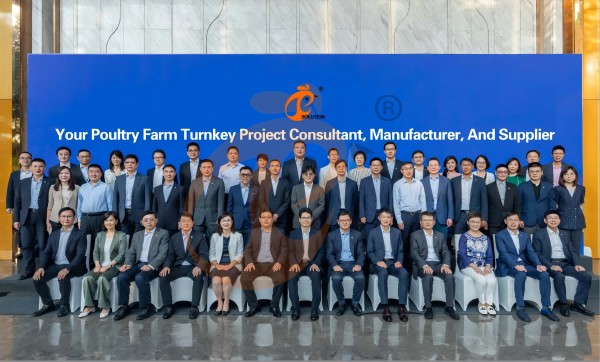
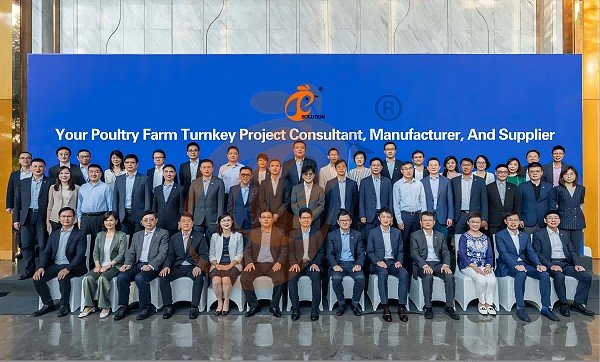
Hong Kong Headquarter Management Team
Hong Kong Headquarter Taiyu Industrial Group CO., LTD
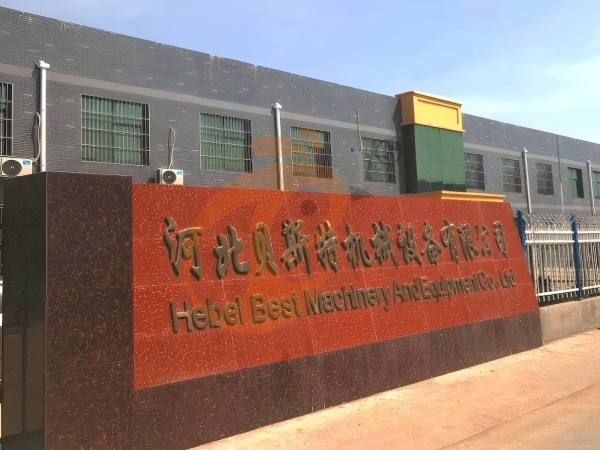
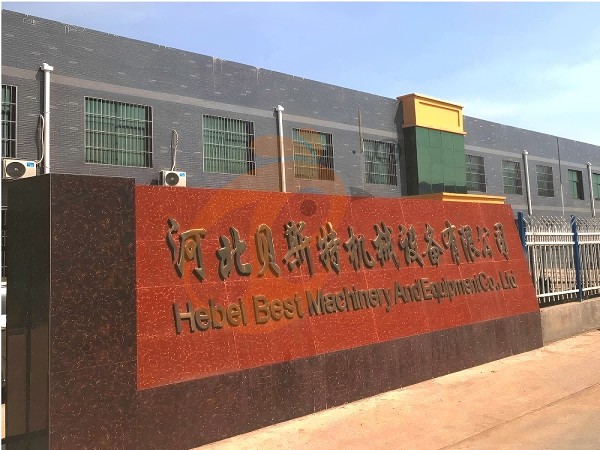
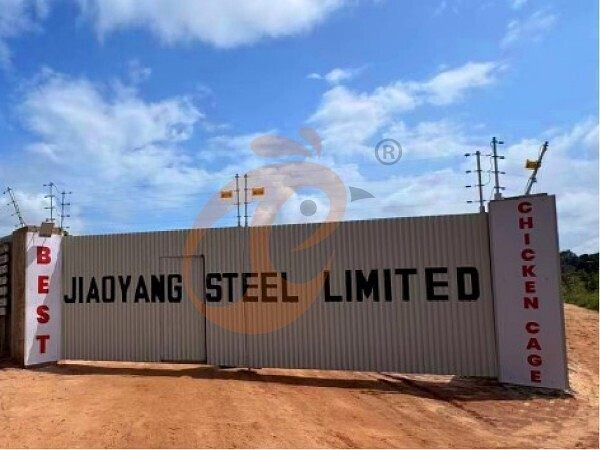
China Hebei Best Machinery And Equipment CO., LTD
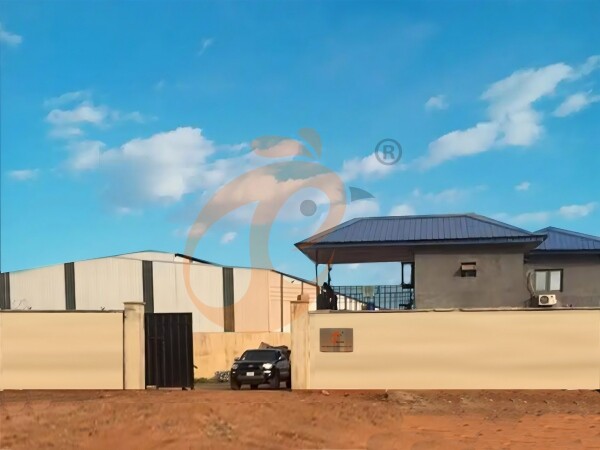
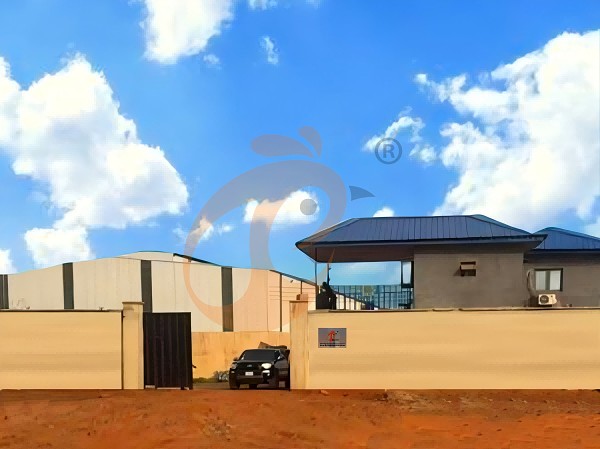
Nigeria Vanke Machinery And Equipment CO., LTD
Tanzania Best Machinery And Equipment CO., LTD
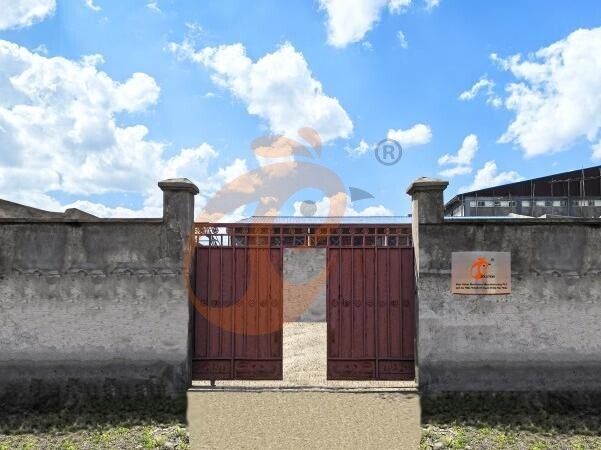
Ethiopia Best Hebei Machinery Manufacturing PLC
Reception /24 WhatsApp NO. : +8618830120193
MESSAGE
Products recommended
 HK Headquarter Offers EU-standard Poultry Farm Solutions, Manufacture Poultry Farm Equipment1. Continuous communication with the EU and the US
2. China, Nigeria, Ethiopia, Tanzania branch companies and factories
3. The products’ quality is customized for local poultry farms
4. Poultry cage and poultry farm equipment stock for sale
5. 24 online reception Whatsapp NO. : +8618830120193,contact us to get full informationRead More China Branch Offer Poultry Farm Business Plan, Manufacture Poultry Farm Equipment1. Address: Flat/RM 2416, 24/F, Runxing Building, Youyi Nan Street, Shijiazhuang City, Hebei Province, China
2. Poultry cage and poultry farm equipment factory and stock for sale
3. Customized for local poultry farms
4. Quality and design are based on Euro
5. 24 online reception Whatsapp NO. : +8618830120193Read More Nigeria Branch Offer Poultry Farm Business Plan, Manufacture Poultry Farm Equipment1. Address: After Sinoma Office, 200 Meters Near Danco Filling Station, Lagos/Ibadan Expressway, Lagos State, Nigeria
2. Poultry cage and poultry farm equipment factory and stock for sale
3. Customized for Nigerian poultry farms
4. Quality and design are based on Euro
5. 24 online reception Whatsapp NO. : +8618830120193Read More Ethiopia Branch Offer Poultry Farm Business Plan, Manufacture Poultry Farm Equipment1. Address: Gelan Gura, Akaki-kaliti Sub City, Addis Ababa, Ethiopia
2. Poultry cage and poultry farm equipment stock for sale
3. Customized for Ethiopian poultry farms
4. Quality and design are based on Euro
5. 24 online reception Whatsapp NO. : +8618830120193, contact us to get price listRead More Tanzania Branch Offer Poultry Farm Business Plan, Manufacture Poultry Farm Equipment1. Address: No.8, Sova Road, Msufini, Mlandizi, Kibaha, Pwani, Tanzania
2. Poultry cage and poultry farm equipment factory and stock for sale
3. Customized for Tanzanian poultry farms
4. Quality and design are based on Euro
5. 24 online reception Whatsapp NO. : +8618830120193Read More Automatic H Type Layer Battery Cage System1. 30,000-100,000+ layers/house chooses it
2. Structure type stacked 3-16 tiers range
3. Stocking density up to 17 birds/cage
4. Service life 25 years
5. Reception /WhatsApp NO. : +8618830120193Read More Automatic A Type Layer Battery Cage System1. 10,000-30,000+ layers/house chooses it
2. Lifespan 25+ years
3. Labor requirement 1 worker per 10,000 birds
4. Reduce disease rates by 15%-20%.
5. Reception /WhatsApp NO. : +8618830120193Read More Semi Automatic A Type Layer Battery Cage System1. 1,00-10,000+ layers/house chooses it
2. Egg breakage rate≤ 0.5%
3. Mesh spacing 2.5×2.5 cm
4. Egg collection floor slope 7–8°
5. Reception /WhatsApp NO. : +8618830120193Read More