How to upgrade egg farms with H type battery cages in Nigeria explains scalable farm upgrading through quantified housing capacity and system layout planning.
This guide focuses on measurable structure requirements, automation configuration, and production output indicators.
It introduces investment composition, equipment parameters, and implementation timelines for local conditions.
All data ranges support decision-making for medium and large egg farms.
Get professional poultry farm construction guidance, equipment selection solutions, and the latest price lists, whatsApp to +8618830120193, +2348111199996, or click to learn more:

Nigeria-China Branch Office And Factory Of Poultry Farm Equipment
Why Nigerian Egg Farms Are Moving Toward H Type Battery Cages
Egg farms in Nigeria are transitioning toward vertical cage housing due to land utilization pressure.
Labor input per flock continues to increase as bird numbers expand.
Market demand requires predictable daily egg output with controlled production variables.
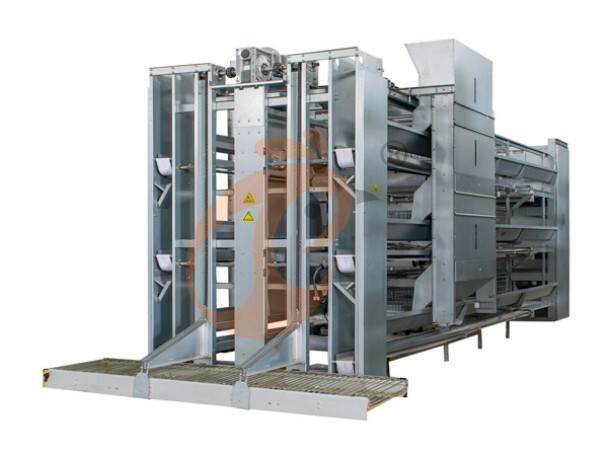
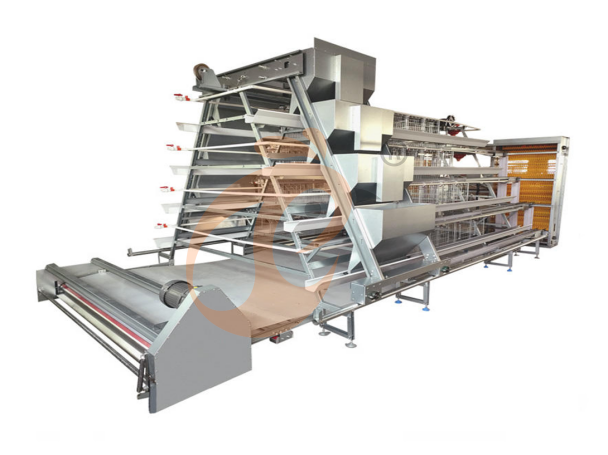
The H type battery cage system allows measurable increases in housing density and automation coverage.
Data is for reference only.Swipe horizontally to view full table.
This comparison supports farm layout decisions by quantifying bird capacity per unit area under fixed building height.
Evaluate Existing Farm Infrastructure
Upgrading to an automatic egg production system begins with quantified building assessment.
Structural compatibility determines retrofit feasibility or new construction requirements.
Key evaluation parameters include:
Building internal width and length
Column spacing and layout
Floor load bearing capacity
Electrical supply capacity
Water pressure stability
Data is for reference only.Swipe horizontally to view full table.
These parameters provide a reference for assessing building suitability before installing multi-tier cage systems.
Determine Capacity And Cage Configuration
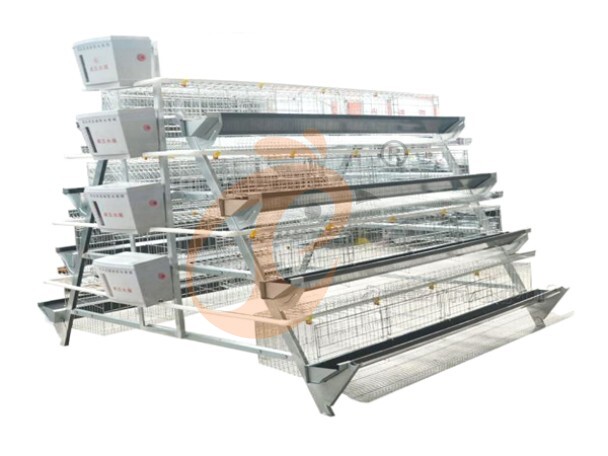
H type battery cage systems are modular poultry farm equipment solutions.
Capacity planning directly affects steel consumption and energy allocation.
Configuration selection is based on target flock size per poultry house.
Data is for reference only.Swipe horizontally to view full table.
Tier configurations offer flexible capacity planning options based on target flock size and house dimensions.
Select Automation Subsystems
Automation modules reduce manual handling frequency and stabilize output cycles.
Each subsystem operates independently within the automatic egg production system.
Feeding System Parameters
Data is for reference only.Swipe horizontally to view full table.
Feeding specifications assist in selecting motor capacity and trough design according to daily feed volume.
Egg Collection System Parameters
Data is for reference only.Swipe horizontally to view full table.
Egg collection data helps align conveyor speed and motor power with expected daily egg output.
Manure Management And Environmental Control
Manure handling efficiency affects internal air parameters and labor scheduling.
Ventilation configuration must align with local temperature and humidity ranges.
Data is for reference only.Swipe horizontally to view full table.
Manure handling parameters support planning for belt width, removal cycles, and moisture control targets.
Data is for reference only.Swipe horizontally to view full table.
Ventilation values guide airflow design relative to stocking density and live bird weight.
Cost Structure And Price Reference In Nigeria
H type battery cage pricing is calculated per bird capacity.
Material thickness and automation level affect final system cost.
All currency values are for reference under European union standards.
Data is for reference only.Swipe horizontally to view full table.
Price ranges enable preliminary budgeting based on automation level and system configuration.
Data is for reference only.Swipe horizontally to view full table.
These cost elements assist in estimating total project investment beyond core cage equipment.
Production Indicators After System Upgrade
Production evaluation uses measurable performance indicators.
These benchmarks support ongoing farm management and optimization.
Data is for reference only.Swipe horizontally to view full table.
Production benchmarks provide reference points for monitoring output and feed utilization during operation.
Project Implementation Timeline
A structured timeline reduces disruption during farm upgrading.
Data is for reference only.Swipe horizontally to view full table.
This timeline helps coordinate procurement, installation, and commissioning stages in farm upgrading projects.
Frequently Asked Questions
Q1: How many birds can an H type battery cage house in nigeria?
Capacity depends on building dimensions and tier configuration.
Single houses commonly support 30,000 to 70,000 birds.
Q2: Is an automatic egg production system suitable for hot climates?
Yes.
Ventilation and manure drying parameters are configured for temperature ranges.
Q3: What is the average investment range per bird?
Complete systems generally range from 18 to 45 US Dollar per bird.
Values are for reference under European union standards.
VANKE - One Of Nigeria Largest Poultry Equipment Manufacturer
Global factory direct supply supports poultry farm equipment delivery worldwide.
H type poultry cage systems use 275 g/m² zinc coating and 3–4 mm wire diameter.
Turn-key engineering includes design, production, installation, and commissioning.
Single house capacity supports up to 70,000 layers with automated systems.
Equipment service life is designed for 15–20 years under standard parameters.
Contact Us To Received Your Customized Poultry Farm Plan
Headquarters And Branchs

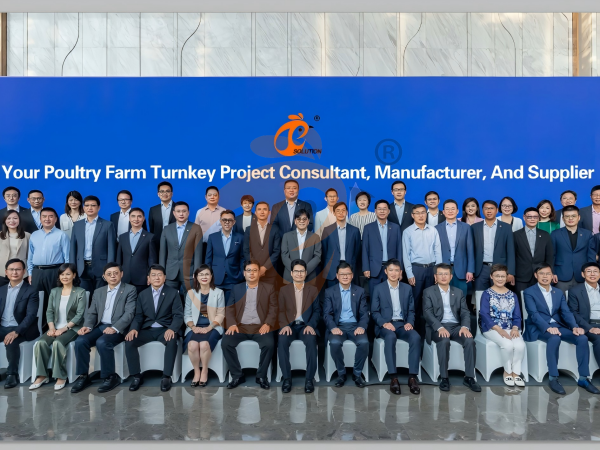
Hong Kong Headquarter Management Team
Hong Kong Headquarter Taiyu Industrial Group CO., LTD
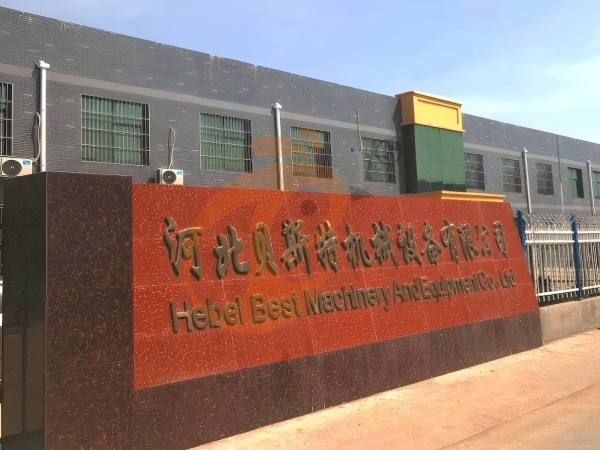
China Hebei Best Machinery And Equipment CO., LTD
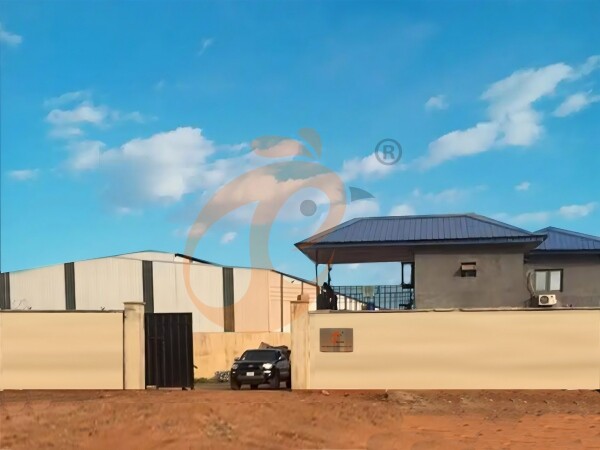
Nigeria Vanke Machinery And Equipment CO., LTD
Tanzania Best Machinery And Equipment CO., LTD
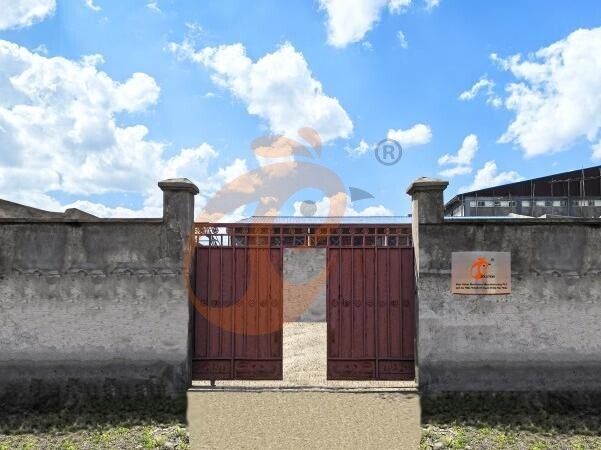
Ethiopia Best Hebei Machinery Manufacturing PLC




Reception /24 WhatsApp NO. : +8618830120193
MESSAGE
Products recommended
 HK Headquarter Offers EU-standard Poultry Farm Solutions, Manufacture Poultry Farm Equipment1. Continuous communication with the EU and the US
2. China, Nigeria, Ethiopia, Tanzania branch companies and factories
3. The products’ quality is customized for local poultry farms
4. Poultry cage and poultry farm equipment stock for sale
5. 24 online reception Whatsapp NO. : +8618830120193,contact us to get full informationRead More China Branch Offer Poultry Farm Business Plan, Manufacture Poultry Farm Equipment1. Address: Flat/RM 2416, 24/F, Runxing Building, Youyi Nan Street, Shijiazhuang City, Hebei Province, China
2. Poultry cage and poultry farm equipment factory and stock for sale
3. Customized for local poultry farms
4. Quality and design are based on Euro
5. 24 online reception Whatsapp NO. : +8618830120193Read More Nigeria Branch Offer Poultry Farm Business Plan, Manufacture Poultry Farm Equipment1. Address: After Sinoma Office, 200 Meters Near Danco Filling Station, Lagos/Ibadan Expressway, Lagos State, Nigeria
2. Poultry cage and poultry farm equipment factory and stock for sale
3. Customized for Nigerian poultry farms
4. Quality and design are based on Euro
5. 24 online reception Whatsapp NO. : +8618830120193Read More Ethiopia Branch Offer Poultry Farm Business Plan, Manufacture Poultry Farm Equipment1. Address: Gelan Gura, Akaki-kaliti Sub City, Addis Ababa, Ethiopia
2. Poultry cage and poultry farm equipment stock for sale
3. Customized for Ethiopian poultry farms
4. Quality and design are based on Euro
5. 24 online reception Whatsapp NO. : +8618830120193, contact us to get price listRead More Tanzania Branch Offer Poultry Farm Business Plan, Manufacture Poultry Farm Equipment1. Address: No.8, Sova Road, Msufini, Mlandizi, Kibaha, Pwani, Tanzania
2. Poultry cage and poultry farm equipment factory and stock for sale
3. Customized for Tanzanian poultry farms
4. Quality and design are based on Euro
5. 24 online reception Whatsapp NO. : +8618830120193Read More Automatic H Type Layer Battery Cage System1. 30,000-100,000+ layers/house chooses it
2. Structure type stacked 3-16 tiers range
3. Stocking density up to 17 birds/cage
4. Service life 25 years
5. Reception /WhatsApp NO. : +8618830120193Read More Automatic A Type Layer Battery Cage System1. 10,000-30,000+ layers/house chooses it
2. Lifespan 25+ years
3. Labor requirement 1 worker per 10,000 birds
4. Reduce disease rates by 15%-20%.
5. Reception /WhatsApp NO. : +8618830120193Read More Semi Automatic A Type Layer Battery Cage System1. 1,00-10,000+ layers/house chooses it
2. Egg breakage rate≤ 0.5%
3. Mesh spacing 2.5×2.5 cm
4. Egg collection floor slope 7–8°
5. Reception /WhatsApp NO. : +8618830120193Read More