Pralson feeder maintenance supports automatic poultry feeder reliability through measurable cleaning, alignment, lubrication, and inspection practices.
Chicken feeding system management combines mechanical care, environmental control, distribution testing, and planned spare-part preparation for stable farm operation.
Poultry feeder pan protection helps preserve feed-contact surfaces while reducing avoidable contamination, abrasion, and component stress.
Engineering checks, process controls, and equipment combinations provide practical methods for extending service performance across commercial poultry facilities.
- With 3 inspection zones and 2 maintenance categories, structured servicing can support predictable operation and more controlled equipment investment.
Get professional poultry farm construction guidance, equipment selection solutions, and the latest price lists, whatsApp to +8618830120193, click to learn more:
Maintenance Data: Start With A Measurable Baseline
Data is for reference only.Swipe horizontally to view full table.
A pralson feeder should be managed as a production asset, not simply as a replaceable accessory.
A maintenance baseline using 4 inspection zones and 2 record categories makes gradual wear easier to identify before production interruption.
Professional automatic poultry feeder systems coordinate pans, controls, conveying equipment, and storage components for structured feeding operations.
Engineering Point: Protect The Feed Path
Engineering Focus
A pralson feeder should maintain an unobstructed feed path to reduce unnecessary mechanical loading.
Operators should inspect the hopper transition, conveying route, pan connection, and end section as one system.
Use 3 visual checkpoints, 1 manual rotation test, and 2 operating observations during routine service.
A commercial chicken feeding system benefits when abnormal resistance is investigated instead of being compensated through controller settings.
For commercial farms, such engineering control makes pralson feeder maintenance repeatable across production cycles.
Cleaning Specification: Remove Abrasive Residue
Data is for reference only.Swipe horizontally to view full table.
Feed dust and compacted material can gradually interfere with pralson feeder operation.
Cleaning should remove deposits without scratching protective surfaces or damaging the poultry feeder pan.
A controlled cleaning routine supports automatic poultry feeder performance while helping preserve surfaces exposed to continuous feed contact.
Tip Card: Reduce Moisture-Related Wear
TIP A — Dry completely: allow cleaned pralson feeder assemblies to remain exposed to circulating air for 25 minutes before operation.
TIP B — Check condensation: inspect enclosed areas after 40 minutes of running when house temperature changes rapidly.
TIP C — Protect connectors: keep direct spray away from electrical interfaces by maintaining a 30 cm working separation.
TIP D — Inspect after washing: perform a restart check within 20 minutes after reassembly.
Such moisture control protects the chicken feeding system while reducing unnecessary exposure around sensors, bearings, and electrical components.
Mechanical Wear Monitoring
Data is for reference only.Swipe horizontally to view full table.
Mechanical wear should be measured rather than estimated only by visual appearance.
Continuous feed transport exposes pralson feeder components to repeated friction, vibration, and particle abrasion.
Recording dimensional changes helps identify when automatic poultry feeder components require adjustment or planned replacement.
Process Structure: Inspect → Clean → Adjust → Test
STEP 1 — Inspect: isolate the pralson feeder and check the mechanical route using 5 checkpoints.
STEP 2 — Clean: remove residual material before changing operating settings.
STEP 3 — Adjust: correct the identified mechanical condition with 1 controlled adjustment at a time.
STEP 4 — Test: run the line through 3 feed movements and observe delivery consistency.
STEP 5 — Record: complete the service record within 12 minutes after testing.
This closed-loop method prevents unnecessary setting changes and gives the chicken feeding system a traceable maintenance history.
Feed Distribution Test Data
Data is for reference only.Swipe horizontally to view full table.
Testing several positions provides more useful information than checking only one poultry feeder pan.
Differences can indicate conveying, adjustment, alignment, or feed-presentation issues within the pralson feeder.
A properly configured automatic poultry feeder should therefore be evaluated as a complete line rather than through one isolated feeding point.
Equipment Combination Recommendation
For a commercial poultry project, combine the pralson feeder with a galvanized feed line, automatic control pan, matched drive assembly, feed hopper, and suspension system.
A planned package can use 1 central control architecture, 2 service access locations, and 4 core spare-part groups.
This configuration gives buyers a clearer purchasing path across feeding equipment, conveying equipment, storage equipment, and control equipment.
An integrated chicken feeding system also makes future maintenance, replacement planning, and project expansion easier to coordinate.
Lubrication Control Table
Data is for reference only.Swipe horizontally to view full table.
Lubrication should follow designated points and compatible specifications for each pralson feeder component.
Excess material can attract dust and feed particles, while insufficient lubrication can increase friction at moving interfaces.
Controlled servicing supports the poultry feeder pan system without introducing unnecessary contamination around mechanical assemblies.
Environmental Protection Data
Data is for reference only.Swipe horizontally to view full table.
Poultry equipment operates around dust, moisture, organic material, and airborne contaminants that can affect pralson feeder assemblies.
Environmental monitoring helps protect the automatic poultry feeder structure and electrical components through earlier corrective action.
Service Strategy: Replace By Condition
Condition 1 — Stable operation: continue scheduled inspection and retain 3 maintenance records for trend comparison.
Condition 2 — Measurable wear: isolate the affected pralson feeder component and verify compatibility before replacement.
Condition 3 — Repeated abnormal operation: inspect the complete line rather than replacing only the visible part.
Condition 4 — Upgrade requirement: evaluate feeder, controller, hopper, conveying line, and suspension system as one package.
Condition-based servicing helps a chicken feeding system avoid unnecessary replacement while reducing the risk of complete component failure.
Seven-Step Lifespan Extension Checklist
Data is for reference only.Swipe horizontally to view full table.
Extending pralson feeder lifespan combines equipment quality, installation accuracy, cleaning discipline, measured inspection, and planned component replacement.
For farms investing in an automatic poultry feeder, coordinated equipment selection can simplify maintenance and future expansion.
A professionally configured poultry feeder pan system can become part of a broader technical equipment strategy built around controlled feed delivery.
Frequently Asked Questions
Q1: How often should a pralson feeder be inspected?
A pralson feeder benefits from routine visual checks between scheduled technical inspections.
A practical program can combine daily operator observation with 2 formal mechanical reviews during each production month.
Q2: What helps extend automatic poultry feeder service life?
Cleaning, alignment, lubrication, environmental control, and condition-based replacement directly support automatic poultry feeder service management.
Keeping 3 categories of critical spare parts available can also reduce avoidable downtime.
Q3: Why use a complete chicken feeding system instead of individual components?
A chicken feeding system coordinates conveying, feeding, sensing, storage, and control functions.
Integrated selection reduces compatibility issues and provides a clearer engineering basis for future expansion.
Taiyu (HK) Group - One Of China Toppest Pralson Feeder Manufacturer
Pralson feeder solutions integrate automatic feeding components with engineered conveying routes, supporting commercial projects requiring continuous operation and controlled feed delivery.
Global factory-direct supply covers poultry equipment, component matching, technical documentation, and project-oriented production for international farm developments.
Turn-key engineering connects feeder lines, hoppers, controllers, suspension structures, and related poultry equipment into coordinated project packages.
Export-oriented production supports OEM requirements, installation planning, spare-part coordination, and scalable chicken feeding system configurations for different farm capacities.
Project engineering follows equipment specifications, line integration, commissioning requirements, and lifecycle maintenance planning for commercial poultry production.
Contact Us To Received Your Customized Poultry Farm Plan
Headquarters And Branchs
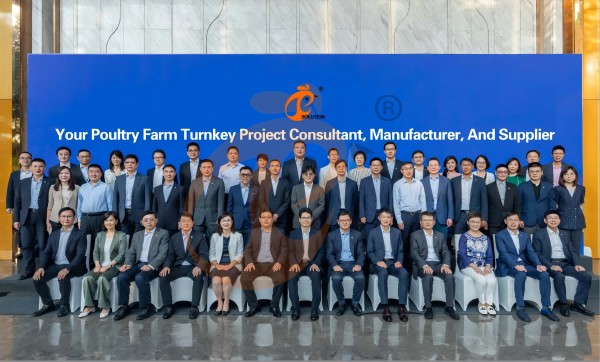
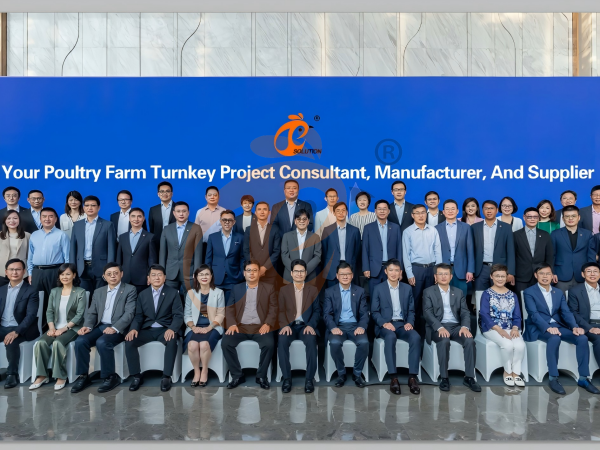
Hong Kong Headquarter Management Team
Hong Kong Headquarter Taiyu Industrial Group CO., LTD
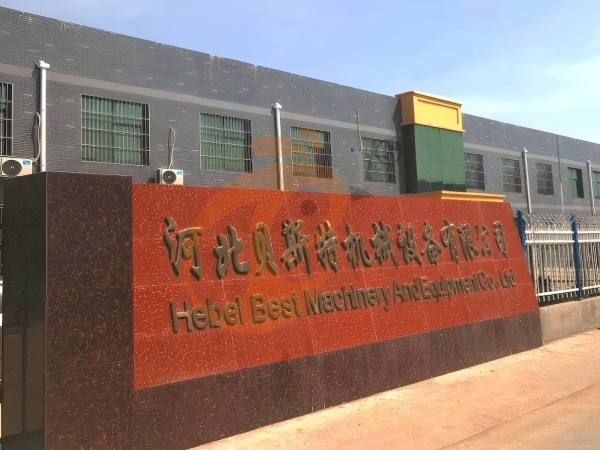
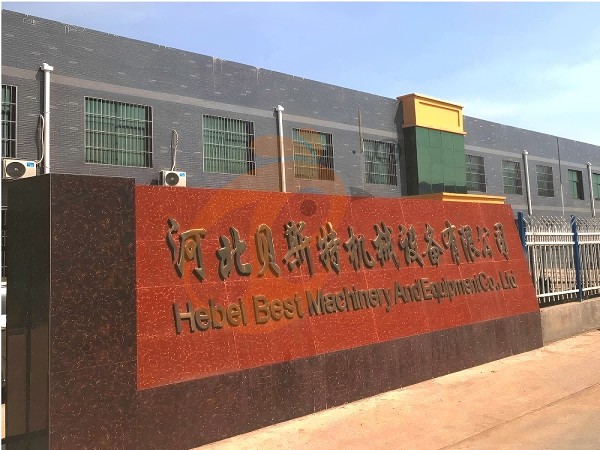
China Hebei Best Machinery And Equipment CO., LTD
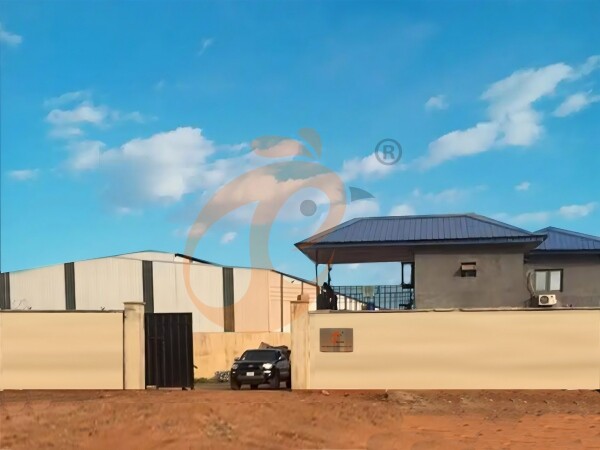
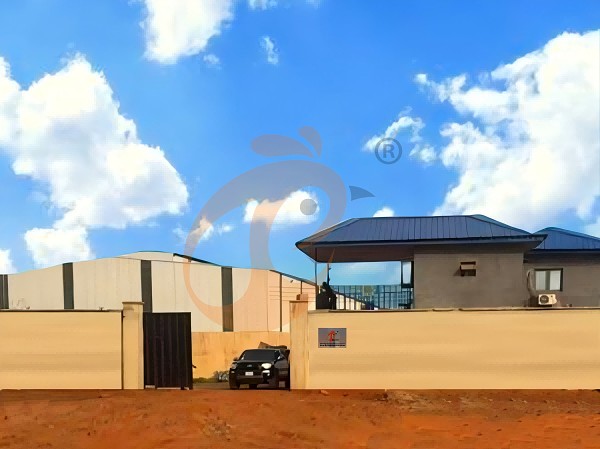
Nigeria Vanke Machinery And Equipment CO., LTD
Tanzania Best Machinery And Equipment CO., LTD
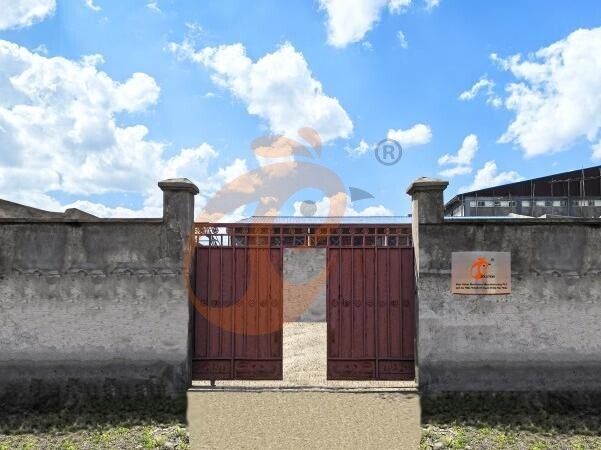
Ethiopia Best Hebei Machinery Manufacturing PLC

Reception /24 WhatsApp NO. : +8618830120193
MESSAGE
Products recommended
 HK Headquarter Offers EU-standard Poultry Farm Solutions, Manufacture Poultry Farm Equipment1. Continuous communication with the EU and the US
2. China, Nigeria, Ethiopia, Tanzania branch companies and factories
3. The products’ quality is customized for local poultry farms
4. Poultry cage and poultry farm equipment stock for sale
5. 24 online reception Whatsapp NO. : +8618830120193,contact us to get full informationRead More China Branch Offer Poultry Farm Business Plan, Manufacture Poultry Farm Equipment1. Address: Flat/RM 2416, 24/F, Runxing Building, Youyi Nan Street, Shijiazhuang City, Hebei Province, China
2. Poultry cage and poultry farm equipment factory and stock for sale
3. Customized for local poultry farms
4. Quality and design are based on Euro
5. 24 online reception Whatsapp NO. : +8618830120193Read More Nigeria Branch Offer Poultry Farm Business Plan, Manufacture Poultry Farm Equipment1. Address: After Sinoma Office, 200 Meters Near Danco Filling Station, Lagos/Ibadan Expressway, Lagos State, Nigeria
2. Poultry cage and poultry farm equipment factory and stock for sale
3. Customized for Nigerian poultry farms
4. Quality and design are based on Euro
5. 24 online reception Whatsapp NO. : +8618830120193Read More Ethiopia Branch Offer Poultry Farm Business Plan, Manufacture Poultry Farm Equipment1. Address: Gelan Gura, Akaki-kaliti Sub City, Addis Ababa, Ethiopia
2. Poultry cage and poultry farm equipment stock for sale
3. Customized for Ethiopian poultry farms
4. Quality and design are based on Euro
5. 24 online reception Whatsapp NO. : +8618830120193, contact us to get price listRead More Tanzania Branch Offer Poultry Farm Business Plan, Manufacture Poultry Farm Equipment1. Address: No.8, Sova Road, Msufini, Mlandizi, Kibaha, Pwani, Tanzania
2. Poultry cage and poultry farm equipment factory and stock for sale
3. Customized for Tanzanian poultry farms
4. Quality and design are based on Euro
5. 24 online reception Whatsapp NO. : +8618830120193Read More Automatic H Type Layer Battery Cage System1. 30,000-100,000+ layers/house chooses it
2. Structure type stacked 3-16 tiers range
3. Stocking density up to 17 birds/cage
4. Service life 25 years
5. Reception /WhatsApp NO. : +8618830120193Read More Automatic A Type Layer Battery Cage System1. 10,000-30,000+ layers/house chooses it
2. Lifespan 25+ years
3. Labor requirement 1 worker per 10,000 birds
4. Reduce disease rates by 15%-20%.
5. Reception /WhatsApp NO. : +8618830120193Read More Semi Automatic A Type Layer Battery Cage System1. 1,00-10,000+ layers/house chooses it
2. Egg breakage rate≤ 0.5%
3. Mesh spacing 2.5×2.5 cm
4. Egg collection floor slope 7–8°
5. Reception /WhatsApp NO. : +8618830120193Read More