‹
›
‹
›
"Quick Viewing Of Broiler Slatted Floor System"
Brief Introduction
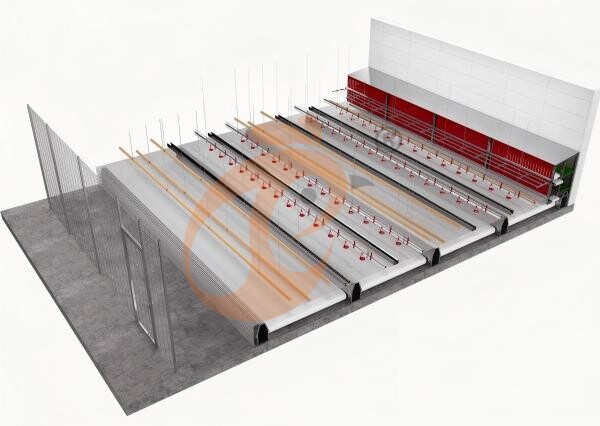
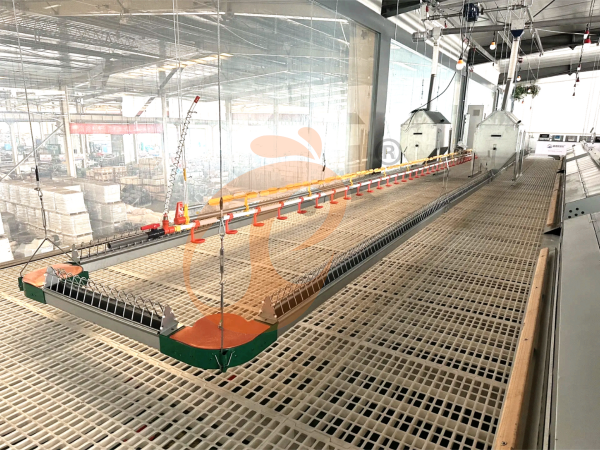
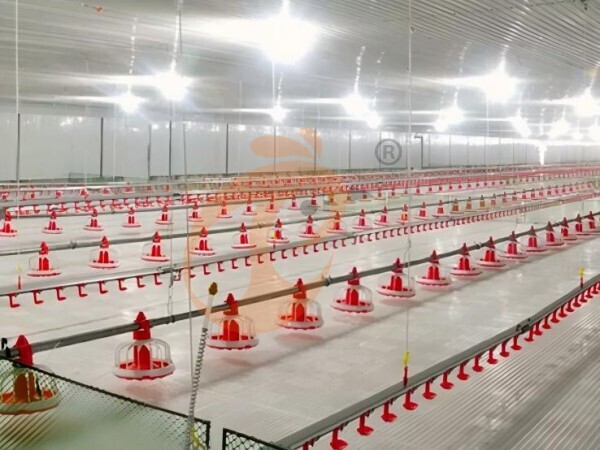
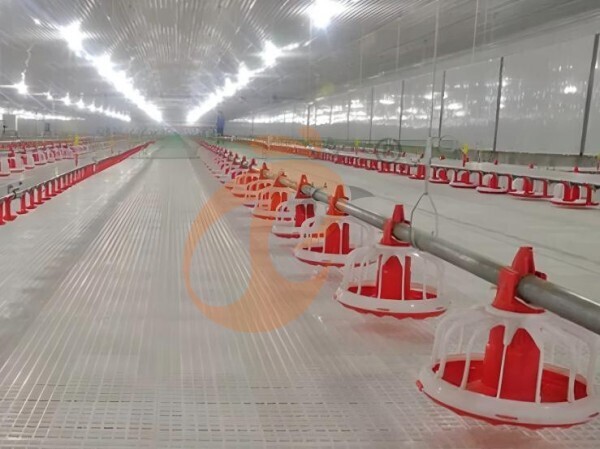
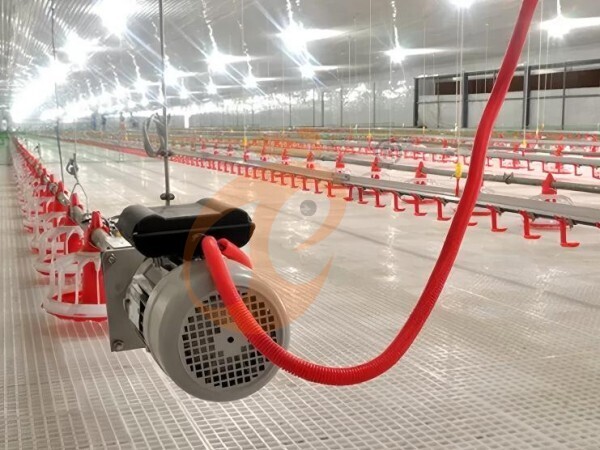
This design of the broiler slatted floor system reduces disease, improves feed efficiency, and ensures faster, healthier growth.
Picture a broiler house where chickens stand on clean raised slatted floors, droppings fall below instead of staying in the litter, and airflow keeps the air fresh.
Brief Data
Slide the table left and right to view the full content.
Why Choosing Taiyu Group's broiler slatted floor system?
Taiyu Group has executed turnkey projects worldwide (in Africa, Asia, Middle East, etc.) for both layer and broiler farms.
It brings European‑standard design influences and localized support to maximize performance and return on investment.
Customizes designs based on the farm’s size, region, climate, and production goals.
Taiyu Group's Case
Broiler slatted floor system case finished installation
Farmers put broilers after installation
How To Choosing Broiler Rearing Equipment?
Here is a deep comparison for you to have a clearer understanding.
Broiler slatted floor system VS broiler cage system VS deep litter system.
Slide the table left and right to view the full content.
To obtain the quotation, please Whatsapp 24 hours online/Mobile: +8618830120193.
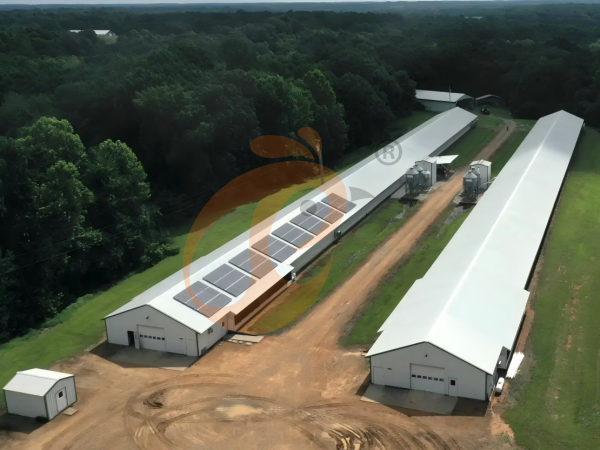
All pictures (or videos) of this pages are the application of our broiler slatted floor system in customers' poultry farm. Our technicians have rich experience in localizing farms.
This guide explains how the slatted floor system for broilers works, its construction, technical details, accessories with their working principles, and the benefits it brings to modern broiler production.
"European Standard Broiler Slatted Floor System Design"
1. Quick Data Overview
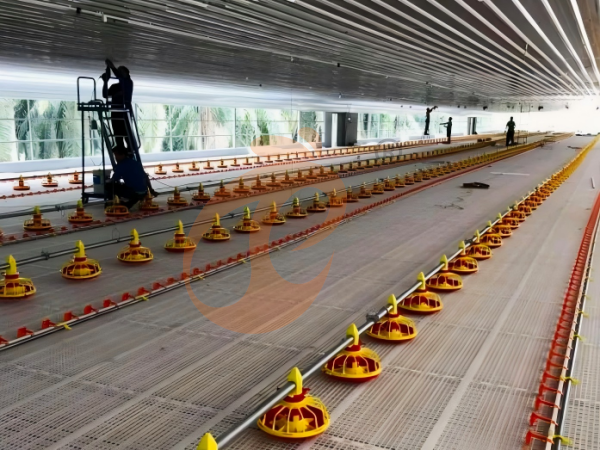
2. Structure Breakdown And Layout
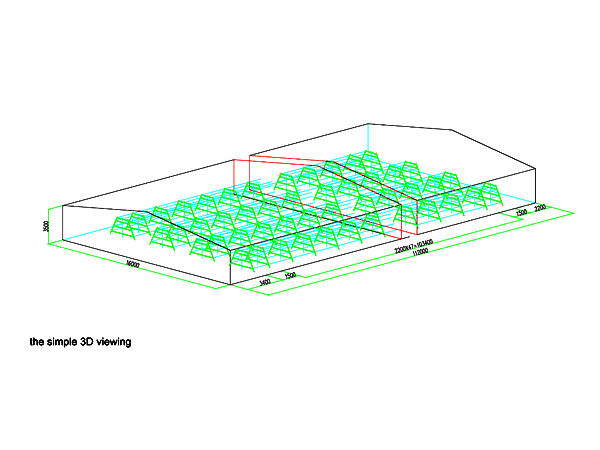
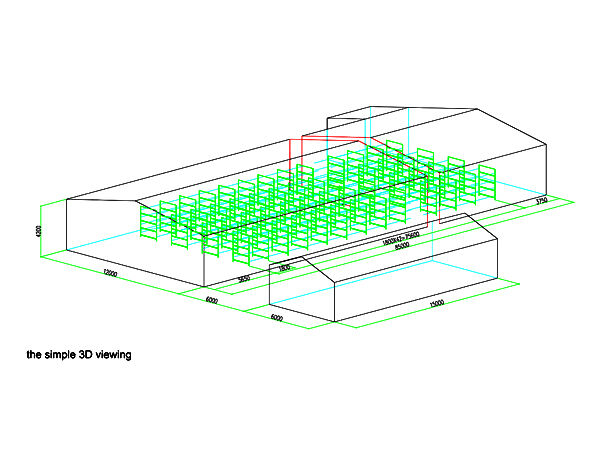
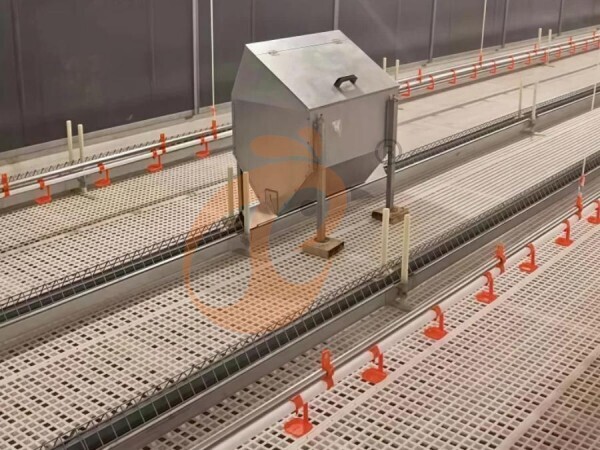
The broiler slatted floor system is built with strong panels and a supportive frame to hold bird weight while keeping droppings separated.
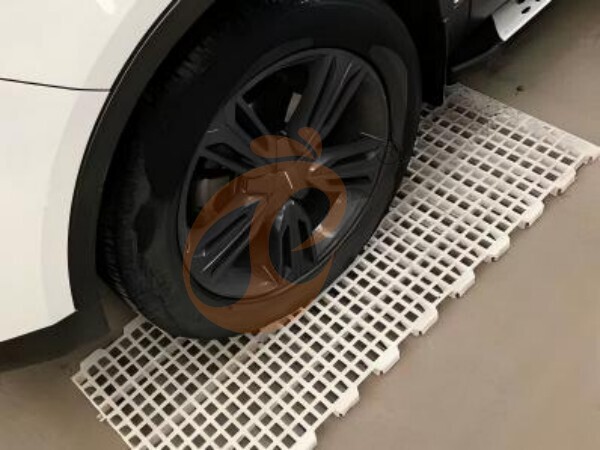
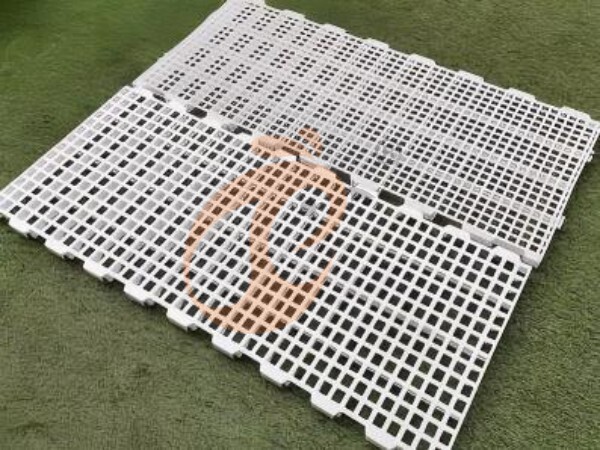
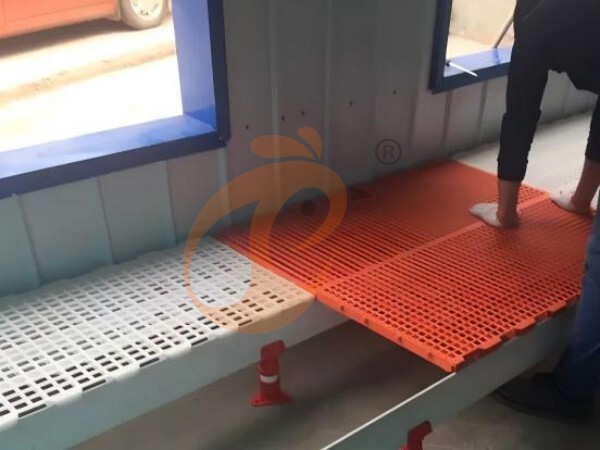
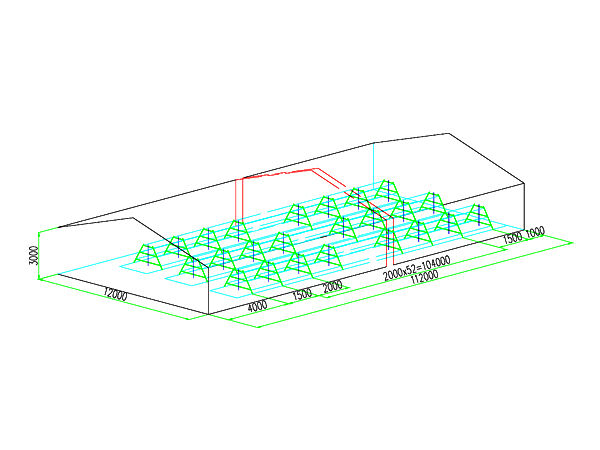
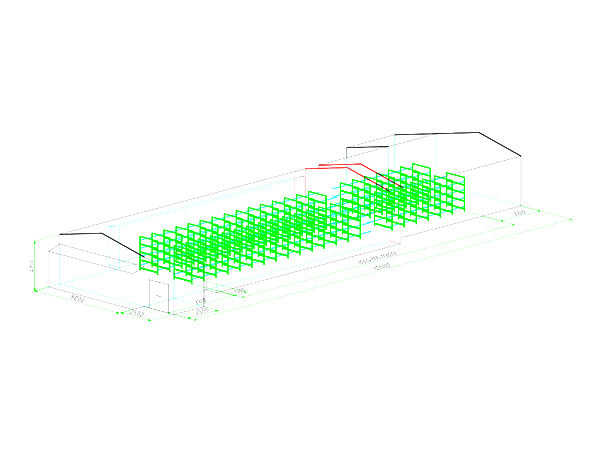
Example: A 60m × 12m broiler house with slatted floors can hold around 6,500–7,000 birds comfortably, with droppings collected below for easy cleaning.
"The Key Advantages of Broiler Slatted Floor System"
3. System Accessories, Materials And Working Principles
(1) Automatic Feeding Line
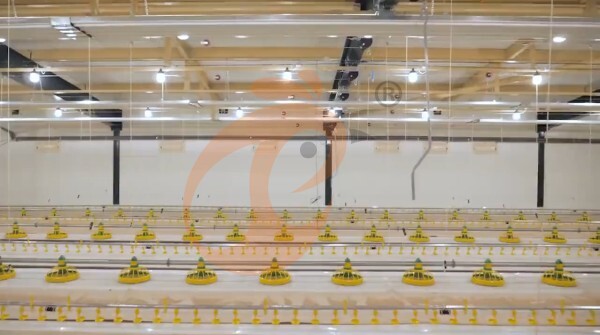
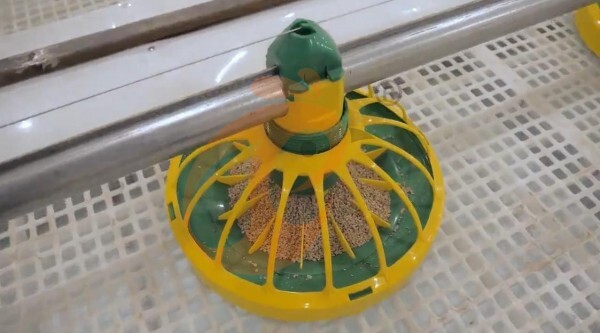
Fittings: Feed silo (3–10 tons), galvanized feed pans, auger or chain line
Working Principle: Feed silo drops feed into the line. Auger or chain moves feed to pans evenly. Each pan serves 40–45 birds, reducing competition and feed waste.
(2) Nipple Drinking Line
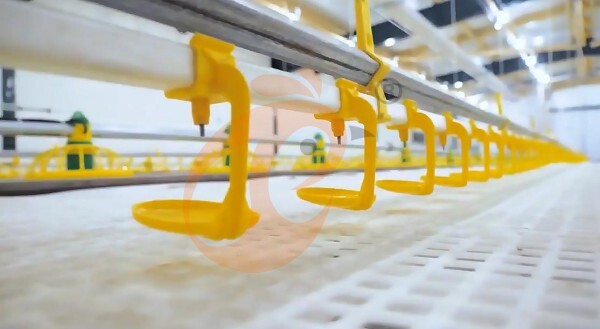
Fittings: PVC pipe, stainless steel nipple drinkers, water tank, pressure regulator.
Working Principle: Birds peck the nipple and release clean water directly. Controlled pressure prevents leakage, keeping the broiler slatted floor system dry.
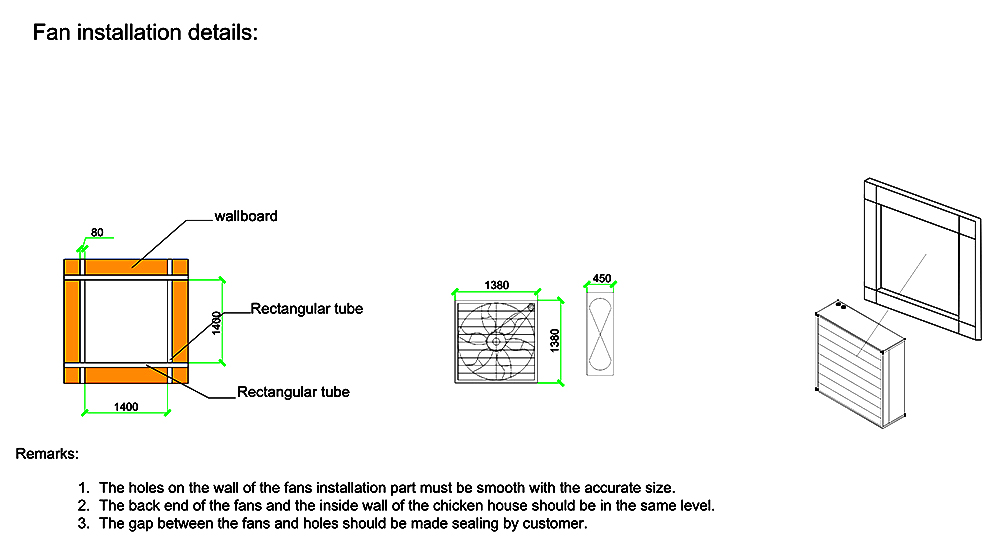
(3) Ventilation Setup
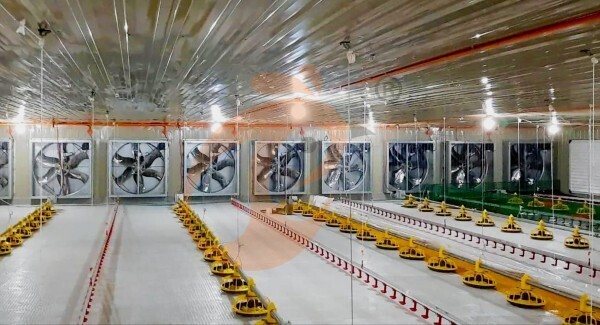
Fittings: Exhaust fans (20,000–25,000 m³/h), side inlets, cooling pads (optional).
Working Principle: Fans extract stale air, inlets bring fresh air, and pads lower house temperature in hot weather. This keeps birds comfortable and manure dry.
(4) Manure Collection System
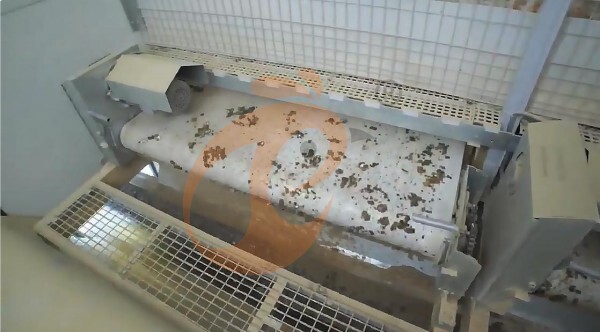
Fittings: Manure belt, gearbox motor, galvanized pulleys.
Working Principle: Droppings fall beneath slats onto a belt. The belt carries waste outside for disposal, reducing ammonia buildup and labor.
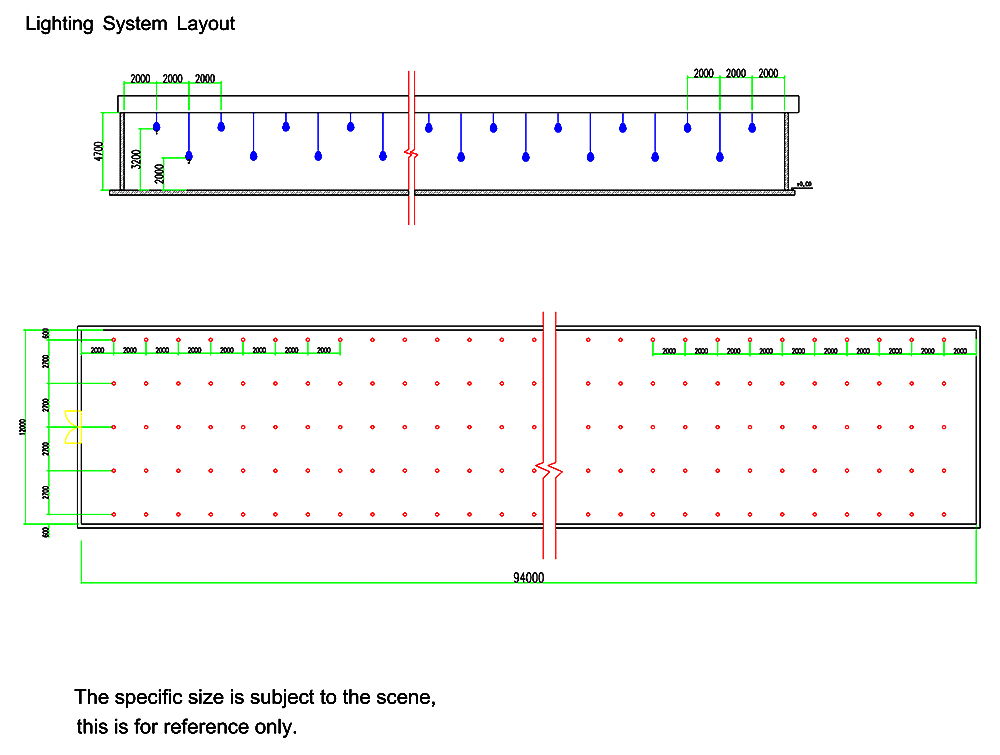
(5) Lighting Program
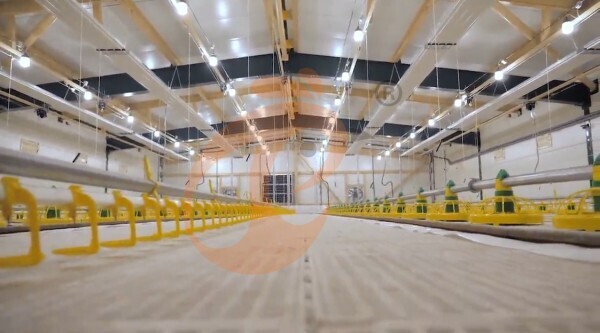
Fittings: LED strip lights with controller, backup generator.
Working Principle: Broilers thrive with 18–20 hours of light during early growth, reduced to 16 hours later. LED lights save energy and maintain growth rhythm.
4. Capacity And Inputs
This planning data helps farmers manage feed supply, water tanks, manure handling, and slaughter schedules effectively.
"Why Choose A Broiler Slatted Floor System"
5. Hygiene And Airflow Benefits
The raised broiler slatted floor system allows droppings to fall below the birds, preventing direct contact with waste.
This reduces the spread of disease, keeps the house air cleaner, and helps broilers convert feed more efficiently.
With an air gap of 35–40 centimeters below the floor, ammonia levels can be reduced by about 60–65 percent compared to traditional litter systems.
Mortality also drops by 1–1.5 percent per cycle, while average house humidity stays within a balanced range of 55–65 percent, creating a healthier environment for broiler growth.
6. Farm Efficiency And Economic Benefits
7. Integrating Farm Knowledge
For best results, farmers should combine the broiler slatted floor system with sound farm practices:
(1) Lighting: Maintain 18–20 hours of light in early stages, then 16 hours for finishing.
(2)Feeding: Provide ~110 g feed per broiler daily; increase gradually as birds grow.
(3) Manure Handling: Remove waste every 2–3 days to prevent odor and fly breeding.
(4) Biosecurity: Separate routes for feed trucks, manure collection, and staff to reduce disease risks.
Think of the system as a cycle: feed enters efficiently, water flows cleanly, droppings exit quickly, and broilers gain weight smoothly.
8. Who Should Choose The Slatted Floor For Broilers?
(1) Farms with 1,000– over 20,000 broilers.
(2) Farmers shifting from deep litter to cleaner, efficient housing like the broiler slatted floor system.
(3) Poultry businesses in humid climates needing better airflow.
(4) Projects seeking to reduce labor costs and improve weight gain.
Certified






Message
Solution
 Brooder house, 25,272 Brooders/house, A3 automatic Brooder chicken cage's drawing1. All motors in quotation below based on china electricity date: ac, 3ph, 380v, 50hz
2. Chicken house dimension( inside)= ( l* w* h) 112* 12* 3 meter, 3 rows* 3 tiers, 52 set/ row* 3 row= 156 sets/ houseRead More Brooder house, 32,000 Brooders/house, H4 automatic brooder chicken cage's house drawing1. 4 tiers brooder raising equipment, rearing period: day 1- 100
2. Chicken house dimension: 120* 8* 4 meter, 77 sets/ row* 2 rows= 154 sets/ houseRead More Brooder house,105,300 brooders/house, H5 automatic brooder chicken cage's house drawing1. 5 tiers brooder raising equipment, rearing period: day 1- 100
2. Chicken house dimension: 106* 15* 4.7 meter, 81 sets/ row* 5 rows= 405 sets/ houseRead More Layer house, 26,000 layers/house, H5 automatic layer chicken cage's house drawing1. Building dimension: 120* 8* 4 meters
2. Number of cage tiers: 5 tiers
3. Number of cage lines: 2 linesRead More Layer house, 30,080 layers/house, A4 automatic layer chicken cage's house drawing1. The 4th tier cage mesh drawings, cage/ cell dimension: 430* 420* 410mm, 4 birds/ cell, 451.5 sq.cm/ bird floor space
2. The 1st- 3rd tier cage mesh drawings, cage/ unit dimension: 2150* 420* 410mm, 4 birds/ cell* 5 cells/ unit= 20 birds/ unitRead More Layer house, 45,360 layers/house, H5 automatic layer chicken cage's house drawing1. 5 tiers, 4 rows, 42 sets/ row, 168 sets/ house, 270 birds/ set
2. Total chicken raise quantity: 168 sets/ house* 270 birds/ set= 45360 birds/ setRead More Layer house, 50,706 layers/house, H5 automatic layer chicken cage's house drawing1. Building dimension: 94* 12* 4.7 meters
2. Number of cage tiers: 5 tiersRead More Layer house,101,520 layers/house, H8 automatic layer chicken cage's house drawing1. Building dimension: 95* 15* 7.7 meters
2. Number of cage tiers: 8 tiers (4+ 4)Read More