‹
›
‹
›
The Right Battery Cage Types And Dimensions Is Crucial For Your Farm
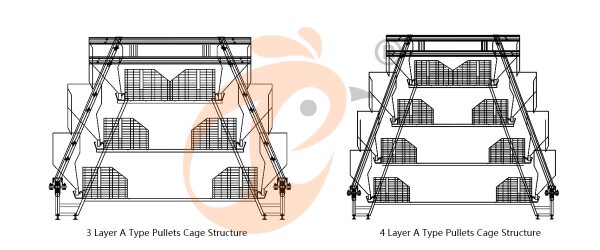
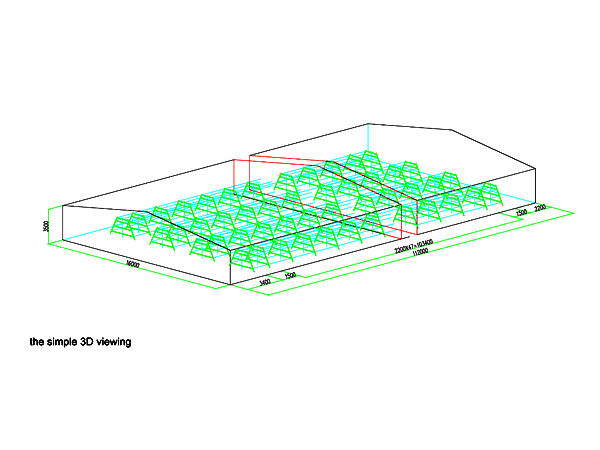
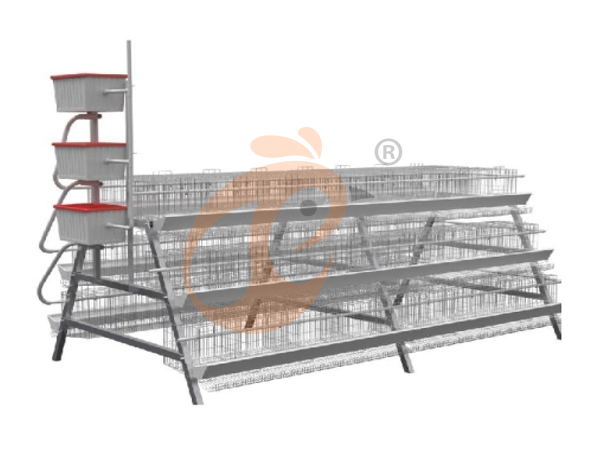
A Type Battery Cage Drawing
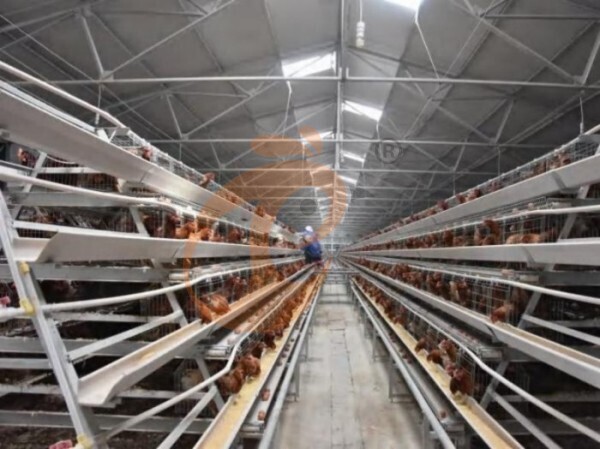
A Type Battery Cage Poultry Farm
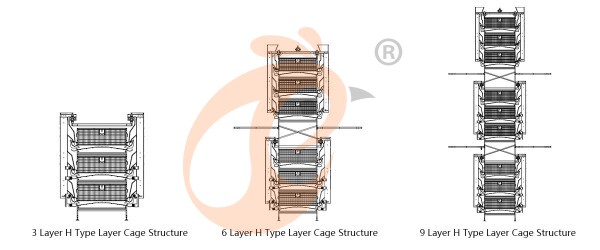
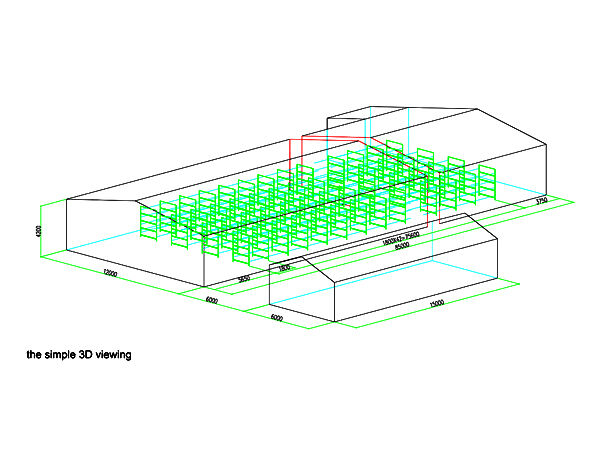
H Type Battery Cage Drawing
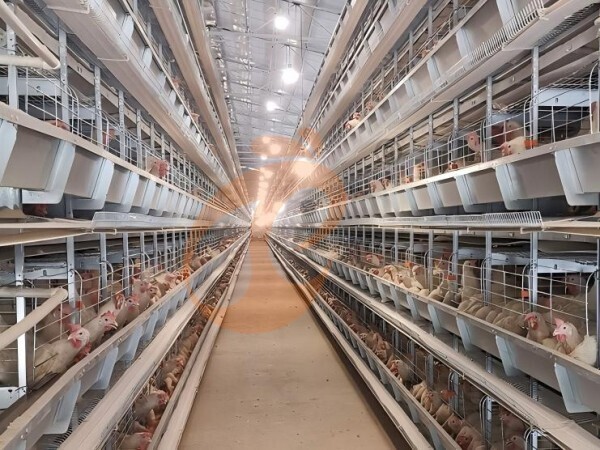
H Type Battery Cage Poultry Farm
Farmers often focus on improving egg production, reducing mortality, optimizing stocking density, managing ventilation, and maximizing feed conversion.
Selecting the right battery cage size directly affects these performance metrics.
Research and industry data show that adequate space per bird reduces stress and improves production. For example, many systems recommend 450–550 cm² per layer hen.
Proper battery cage structure and dimensions help automate manure removal, feeding, and water systems, improving labor efficiency and long-term cost-effectiveness.
Therefore, choosing the correct battery cage type and dimensions is a strategic investment for production efficiency, health, and scalability.
1. Directly Determines Egg Production And Operational Efficiency
Suitable dimensions give hens enough room to eat comfortably and feed intake becomes more uniform, which supports higher production.
Scientific cage‑floor slope (e.g., ~7° in many commercial systems) helps eggs roll out gently, reducing breakage.
In commercial battery cage systems, some 3- or 4‑tier models allow 120 to 160 birds per set.
By using a well-sized battery cage, farms can balance high stocking density with bird comfort, reducing aggressive behavior and improving egg-laying consistency. Many high‑density layer cages still aim for ≥430 cm² per bird in some automatic systems.
2. Impacts Flock Health And Disease Control
Proper cage dimensions support good airflow, which helps dissipate heat and reduce humidity, lowering ammonia buildup and pathogen risk.
Adequate vertical and horizontal space ensures more uniform light distribution, which is vital for consistent laying behavior.
Research shows that a commonly used floor space of 550 cm² per hen may restrict natural behaviors (like wing stretching) for some breeds, highlighting the trade-off between density and welfare.
Well-designed battery cage systems with correct dimensions can help maintain a drier and cleaner litter or manure environment, reducing disease incidence (e.g., coccidiosis, respiratory issues).
3. Influences Feed Conversion Rate And Long-Term Costs
The right battery cage dimensions allow feeding and drinking lines (troughs, nipple drinkers) to work efficiently, minimizing feed/water waste.
Cage internal space (depth × width) plays a role in feed access; better access leads to more uniform consumption and improved feed conversion.
High-quality materials (e.g., hot-dip galvanized steel) extend the lifespan of cages — some systems guarantee 15–20 years of use.
A properly sized cage makes it easier to integrate automatic manure belts or conveyors, reducing manual labor and improving hygiene.
4. Determines Compatibility With Automation Systems
Automated systems for feeding, watering, egg collection, and manure removal all rely on cage dimensions.
For example, many commercial systems use standard modules like 120 cm (width) × 45 cm (depth) × 40 cm (height) per cage row.
If cages are too shallow or too narrow, belt systems, scrapers, or drinker lines may misalign or clog.
Choosing the correct battery cage type (e.g., A‑type, H‑type) ensures better compatibility with multi‑tier automation, boosting efficiency and reducing maintenance risk.
5. Affects House Layout And Future Expansion
Tiered cage systems (e.g., 3–8 tiers) let you stack vertically, saving floor space.
3‑tier, 4‑tier, or 5‑tier cages are common; for example, a 4‑tier H-frame module can house 160 birds per 2.2 m × 2.2 m unit.
Standardizing on cage dimensions helps with modular expansion: you can replicate units, scale up more easily, and maintain consistency.
Using common module sizes also simplifies spare parts — doors, floors, wires — reducing future maintenance headaches.
6. Enhances Commercial Egg And Broiler Quality
Proper cage space helps hens maintain good body condition, which supports stable and high-quality egg production.
Uniform feed access in well-dimensioned cages improves egg weight, shell quality, and reduces breakage.
For broilers (or breeder birds), having enough space (or choosing the right cage type) helps reduce injury and improves meat yield.
7. Regulatory And Welfare Considerations
In some jurisdictions, there are minimum space requirements per bird: for example, some enriched cages require ≥750 cm² per hen.
Even if not mandated, choosing larger or well‑designed battery cage systems may help improve welfare and reduce regulatory risk.
Meeting or exceeding standard dimensions can also be a selling point when selling eggs to markets with strong welfare consciousness.
8. Recommended Related Poultry Battery Cage And Farm Equipment
To learn more, please visit product list ...
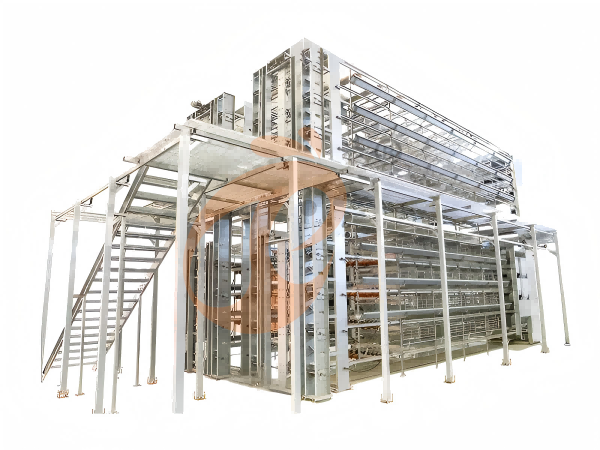
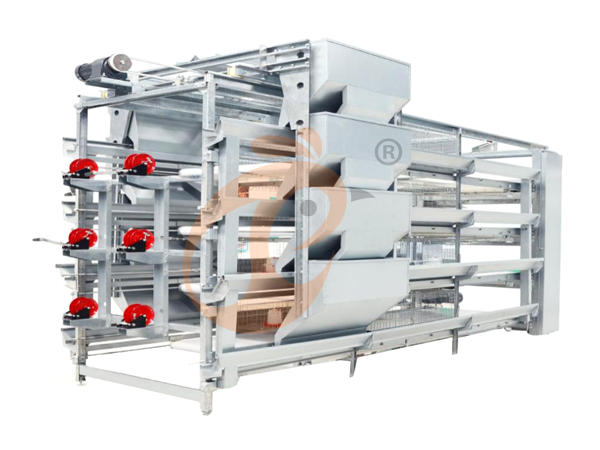
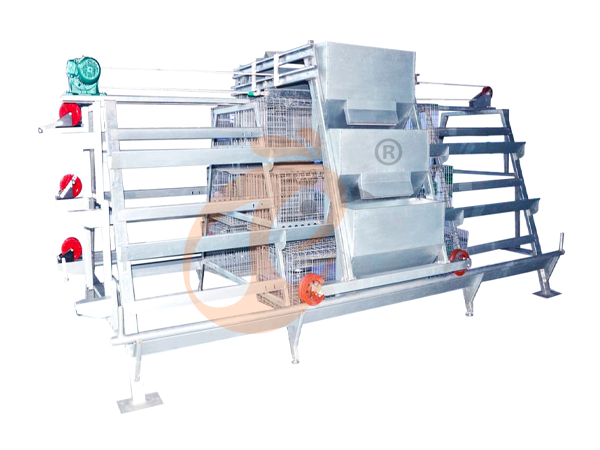
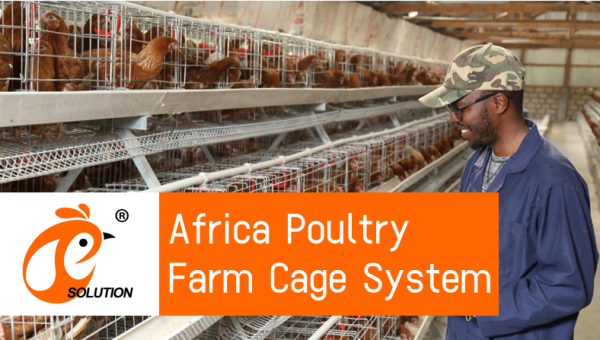
"European Standard Battery Cage"
Choosing Your Battery Cage System For 100 To 1,000,000+ Birds
Building a poultry farm requires careful planning to balance efficiency, cost, and bird welfare. From small farms of 100 birds to large-scale operations with 1,000,000 birds, turnkey poultry farm solutions provide scalable battery cage systems, automated feeding and drinking equipment, manure handling solutions, and smart farm integration. Selecting the right battery cage ensures high egg yield for layers, rapid growth for broilers, and optimal chick development. All equipment adheres to EU standards for safety, hygiene, and animal welfare.
Small Farms (≤30,000 Birds, 3–5 Layers)
Use manual or semi-automatic battery cages with 3–5 tiers.
Feeding, water, and egg collection can be semi-automatic.
Manure cleaning: small farms typically use scraper-type gutter cleaning.
House footprint: 14 × 4 × 3.5 m (100 birds) to 65 × 11 × 3.5 m (10,000 birds).
Equipment can include automatic feed lines, nipple drinkers, ventilation fans, and egg collection belts.
Cost: ordinary battery cage approx USD 3 per bird.
Medium To Large Farms (>30,000 Birds, 4–16 Layers)
Use fully automatic H-type battery cages with 4–16 tiers depending on scale.
Feeding: automated central feed lines with multiple distribution points.
Drinking: nipple drinkers with high-flow system.
Egg collection: automatic belts.
Manure handling: large farms (>50,000 birds) use manure belts; very large farms can add manure drying systems.
Meat chicken farms with high capacity benefit from automatic collection and harvesting systems.
Additional devices: fogging systems for cooling, climate control, ventilation, sensors for smart farm monitoring.
House footprint: up to 110 × 15 × 8 m.
Cost: full-automatic battery cage approx USD 3.5 per bird.
Battery Cage Life-Cycle And Durability
Hot-dip galvanised steel structure, lifespan 25+ years.
Semi-automatic cages need minimal maintenance; fully automatic cages designed for continuous operation.
Manure handling options: scraper belts for small farms, manure belts and drying systems for large farms, and automatic collection for meat chickens.
EU standard compliance ensures hygiene, safety, and long-term durability.
"Boost Productivity With Advanced Systems"
Equipment And Smart Farm Integration
Modern poultry farm equipment includes:
Centralized feed lines and automatic feeders
Nipple drinkers and high-flow water supply
Automatic egg collection belts
Ventilation and climate control systems
Fogging and cooling systems for heat management
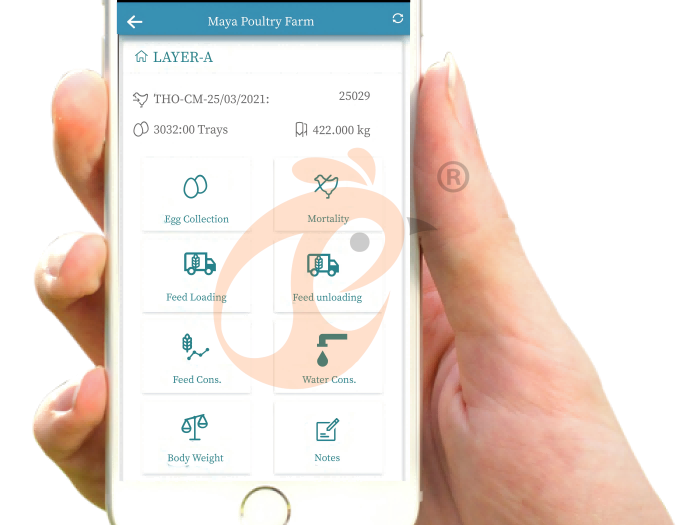
Smart sensors and IoT for monitoring feed, water, temperature, humidity
Large farms benefit from integrated smart farm management systems, improving productivity, reducing labor, and ensuring welfare compliance.
Layers, Broilers & Chicks — Tailoring Battery Cage Design
Layers: 4–16 tiers, egg collection belts, manure belts, manure drying systems for large farms.
Broilers: 2–8 tiers, rapid growth design, feed/water access, automatic harvesting for large scale.
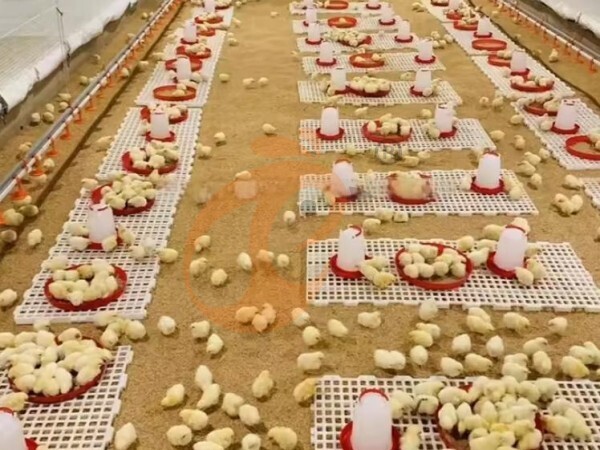
Chicks: 1–3 tiers, plastic mesh floors, adjustable nipple heights, protective environment.
"Tips Of Managing Poultry Farm And Poultry Farm Equipment"
Turnkey Project Stages For 100–1,000,000 Birds
Feasibility & capacity sizing: Determine bird count (100 → 1,000,000) and tiers (3–16).
Farm design: Cage layout, tier count, feeding/drinking system, ventilation, climate control, and smart farm integration.
Production & supply: Manufacture battery cages, automated feeding/drinking lines, egg belts, and manure systems.
Installation & commissioning: Engineers install battery cages, feed/water lines, manure systems, and IoT monitoring.
Operation & training: Staff trained in feeding, egg collection, manure management, and smart farm dashboard operation.
Maintenance & lifecycle management: Ensure 25+ year durability and EU standard compliance.
Frequently Asked Questions
What Size Battery Cage System Do I Need For 10,000 Birds?
Semi-automatic A-type battery cage, 5 tiers, 65 × 11 × 3.5 m footprint, automated feed/water.
How Long Does A Battery Cage System Last?
25+ years expected with hot-dip galvanised steel, EU standard compliance, and proper maintenance.
Can I Expand From 100 Birds To 1,000,000 Birds?
Modular cages and scalable battery cage equipment allow gradual expansion with smart farm integration.
Why Choose HB BEST Company?
Farm-ready solutions from 100 to 1,000,000 birds with turnkey battery cage systems.
Full service: design, supply, installation, commissioning, and maintenance.
Expert support for layers, broilers, chicks, and pullets.
Locally made battery cages built for 25+ years with spare parts support and EU standard compliance.
Let's talk next steps
Share land size, bird type, and target capacity.
Receive battery cage tiers, layouts, and smart farm equipment proposals.
Book consultation for modular farm expansion and smart farm setup.
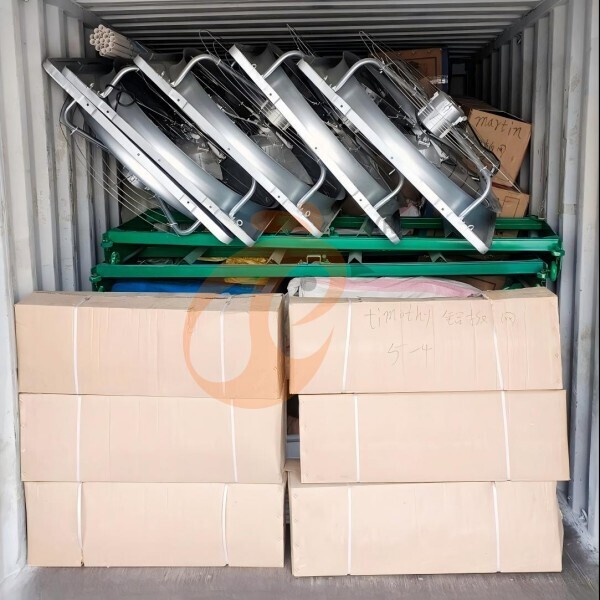
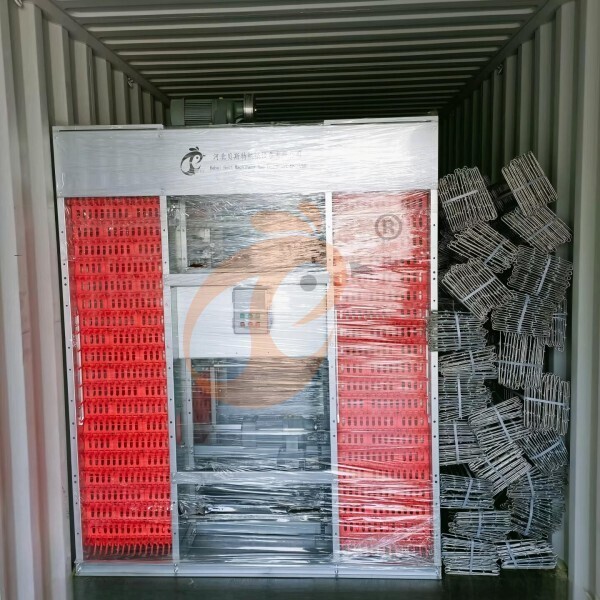
Packaging, Shipping And Installation
1. Full or less container from China branch by sea.
2. Local warehouse from branches of Ethiopia, Tanzania and Nigeria.
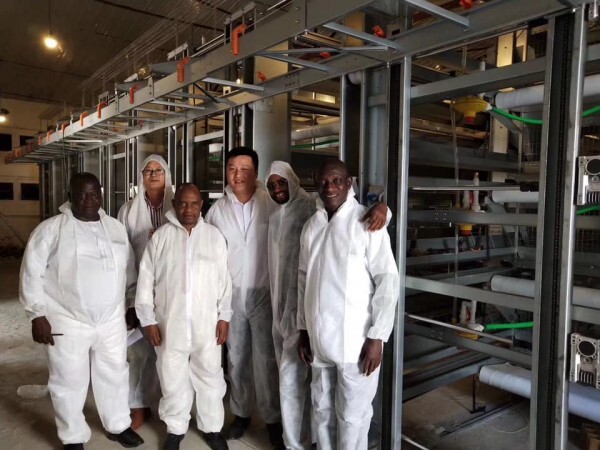
3. Engineers with rich project experience are available to serve you at any time.

Package
Recommended Related Poultry Farm Equipment
To learn more, please visit product list ...
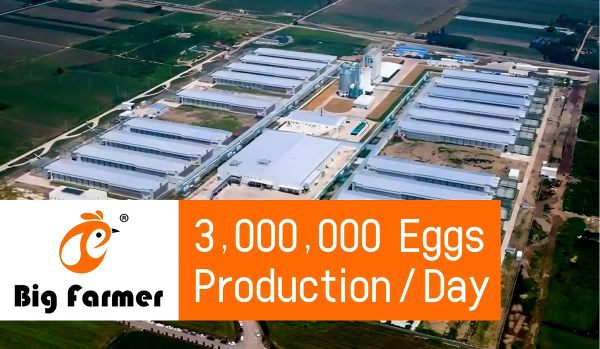
Our Detailed Introduction
(1) Headquarter and branchs are studying with each other, keeping continuous communication with Europe and USA.
(2) Our design and quality of poultry farm equipment and chicken poultry cage based on EURO standard.
(3) Offer modern AI management poultry farm consulting and turnkey project.
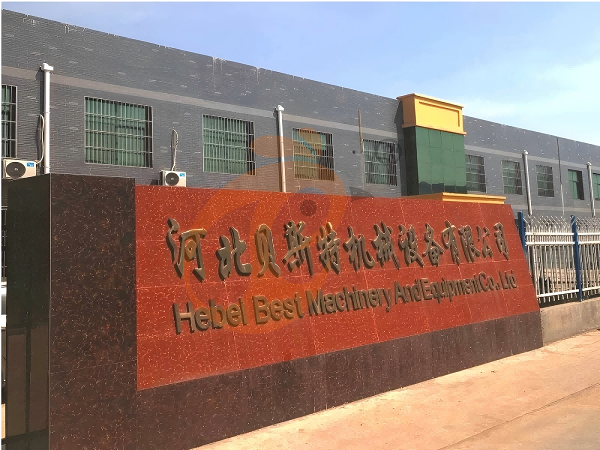
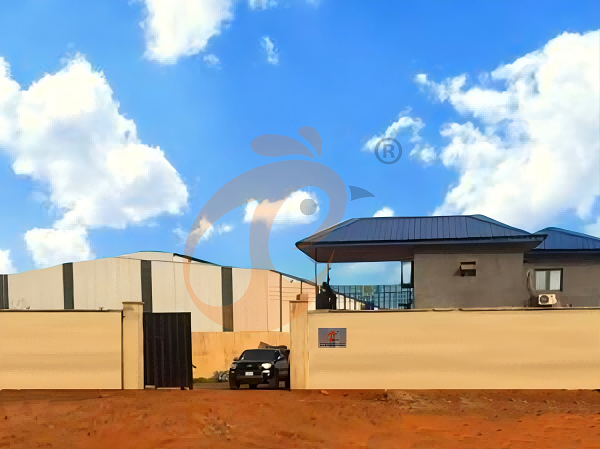
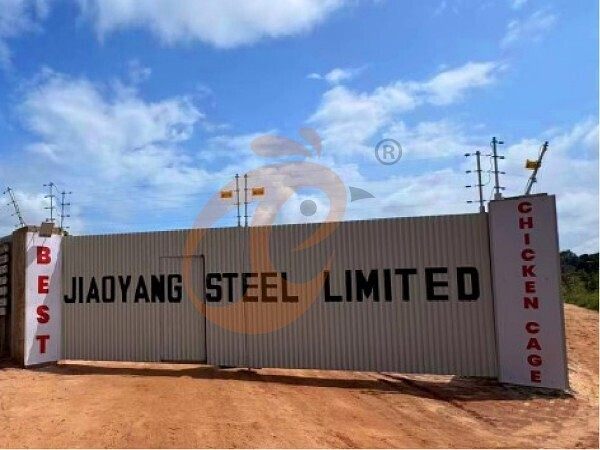
Tanzania Branch
Hong Kong Headquarter Taiyu Industrial Group CO., LTD
China Hebei Best Machinery And Equipment CO., LTD
Nigeria Vanke Machinery And Equipment CO., LTD
Tanzania Best Machinery And Equipment CO., LTD
Ethiopia Best Hebei Machinery Manufacturing PLC
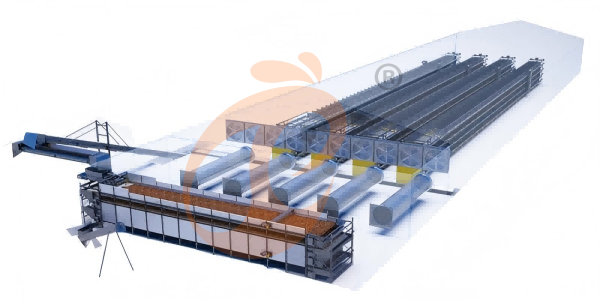
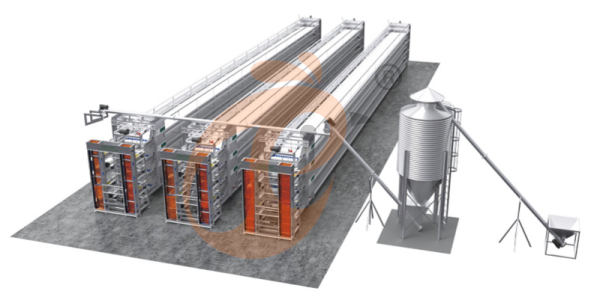
(4) Offer Modern Poultry Farm Scheme
We use artificial intelligence to chicken cage, poultry farm equipment.
it makes poultry farm more intelligent and modern, such as
AI-Powered recyclable poultry farm
AI-Managed automatic chicken cage system
AI-Managed poultry farm equipment
(5) Reason To Choose Us
Every year, we go to Europe to explore new technologies and upgrade our equipment.
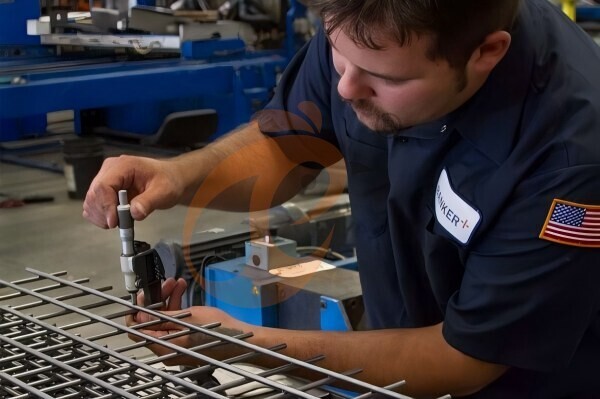
USA Technical Support
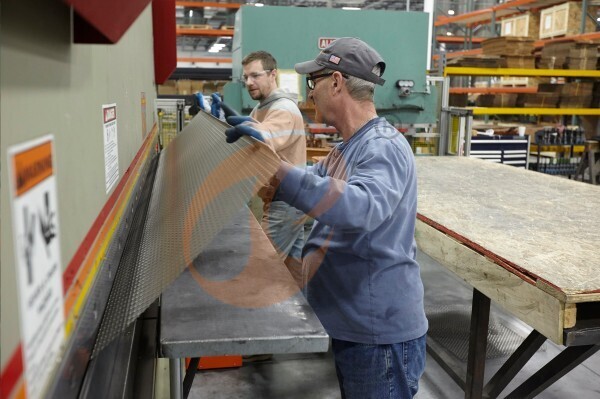
10%-30% lower price based on European standard and quality.
With our own factory, we offer private customization services.
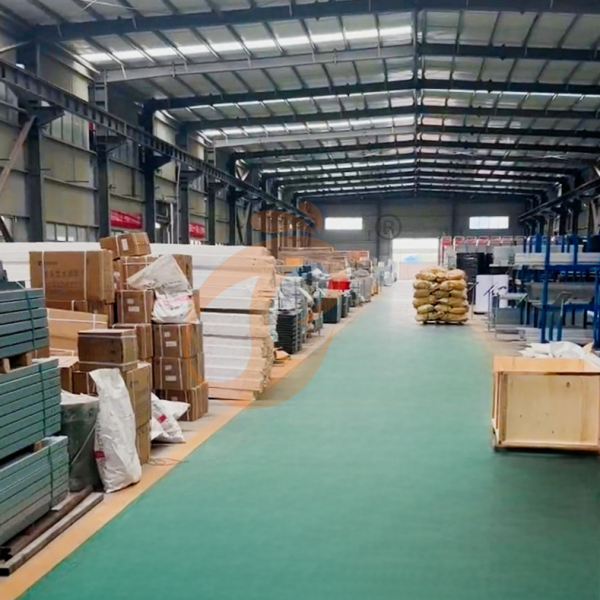
Factory

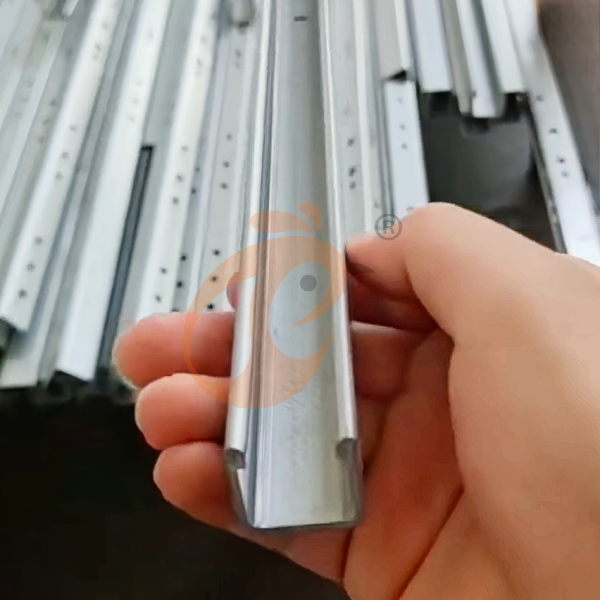
Professional engineers from both domestic and international sources, along with an installation team, ensuring worry-free after-sales service.
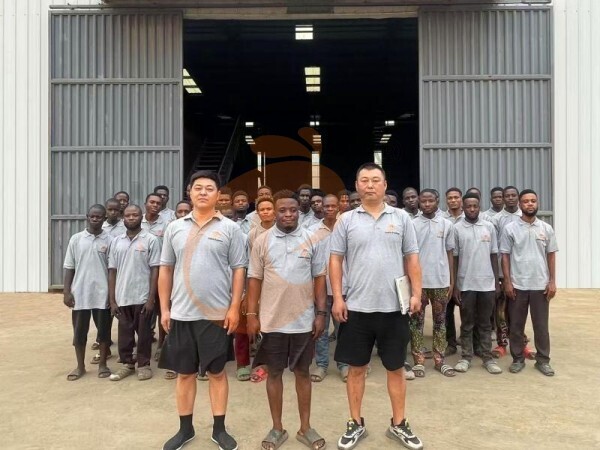
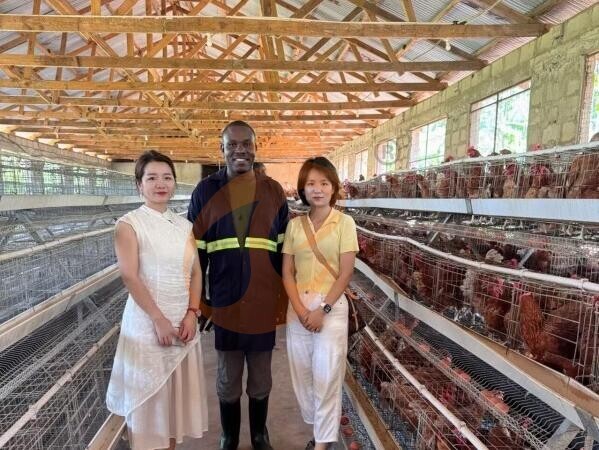
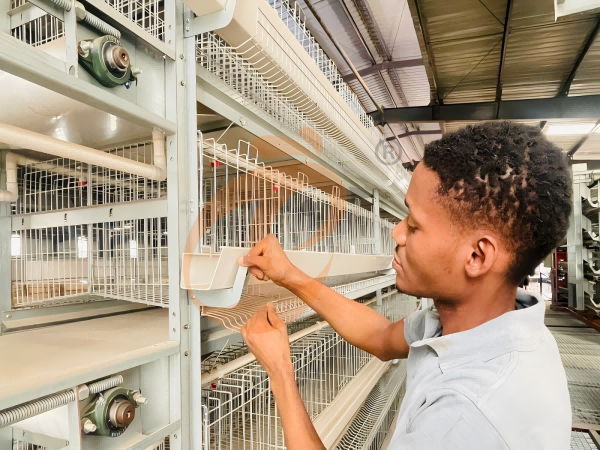
Every year many customers visit us, and we visit customers and their farms too, welcome you!
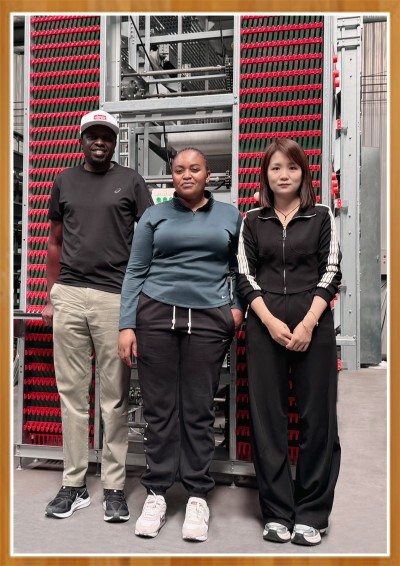
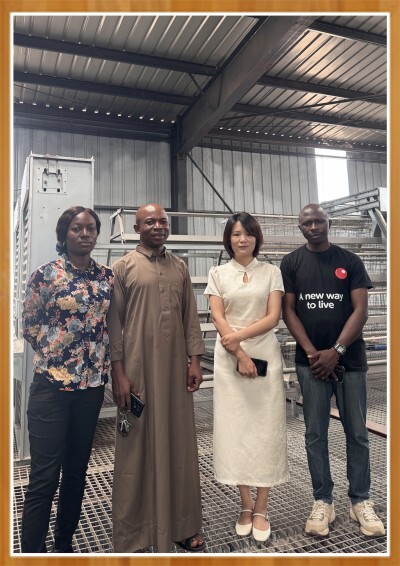

(6) For fast response, feel free to contact us directly via WhatsApp at +8618830120193, please provide the following information:
Your full name
Phone number (including WhatsApp ID)
Email address
Farm location (country/region)
Total land area of your farm
Type of poultry: layer, broiler, or pullet
Expected bird capacity
Equipment you're interested in
Certified





Message
Solution
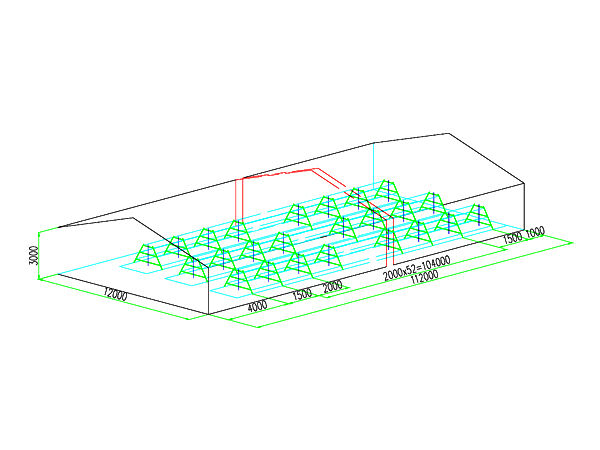
 Brooder house, 25,272 Brooders/house, A3 automatic Brooder chicken cage's drawing1. All motors in quotation below based on china electricity date: ac, 3ph, 380v, 50hz
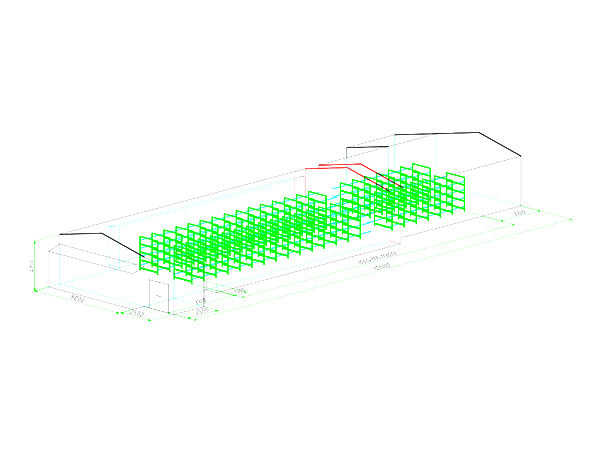
2. Chicken house dimension( inside)= ( l* w* h) 112* 12* 3 meter, 3 rows* 3 tiers, 52 set/ row* 3 row= 156 sets/ houseRead More Brooder house, 32,000 Brooders/house, H4 automatic brooder chicken cage's house drawing1. 4 tiers brooder raising equipment, rearing period: day 1- 100
2. Chicken house dimension: 120* 8* 4 meter, 77 sets/ row* 2 rows= 154 sets/ houseRead More Brooder house,105,300 brooders/house, H5 automatic brooder chicken cage's house drawing1. 5 tiers brooder raising equipment, rearing period: day 1- 100
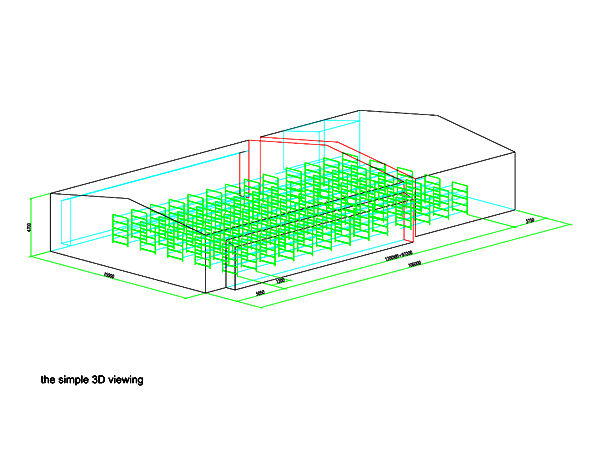
2. Chicken house dimension: 106* 15* 4.7 meter, 81 sets/ row* 5 rows= 405 sets/ houseRead More Layer house, 26,000 layers/house, H5 automatic layer chicken cage's house drawing1. Building dimension: 120* 8* 4 meters
2. Number of cage tiers: 5 tiers
3. Number of cage lines: 2 linesRead More Layer house, 30,080 layers/house, A4 automatic layer chicken cage's house drawing1. The 4th tier cage mesh drawings, cage/ cell dimension: 430* 420* 410mm, 4 birds/ cell, 451.5 sq.cm/ bird floor space
2. The 1st- 3rd tier cage mesh drawings, cage/ unit dimension: 2150* 420* 410mm, 4 birds/ cell* 5 cells/ unit= 20 birds/ unitRead More Layer house, 45,360 layers/house, H5 automatic layer chicken cage's house drawing1. 5 tiers, 4 rows, 42 sets/ row, 168 sets/ house, 270 birds/ set
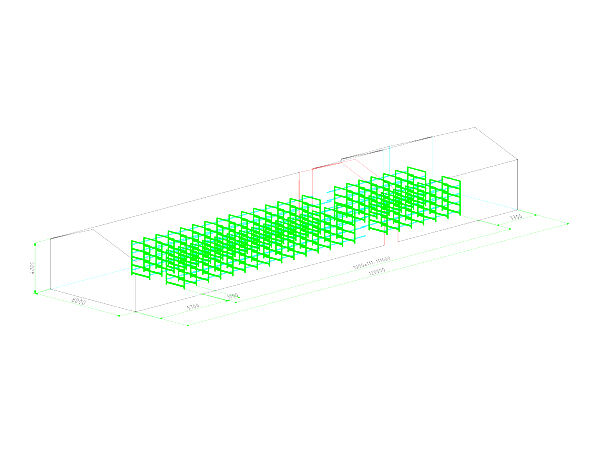
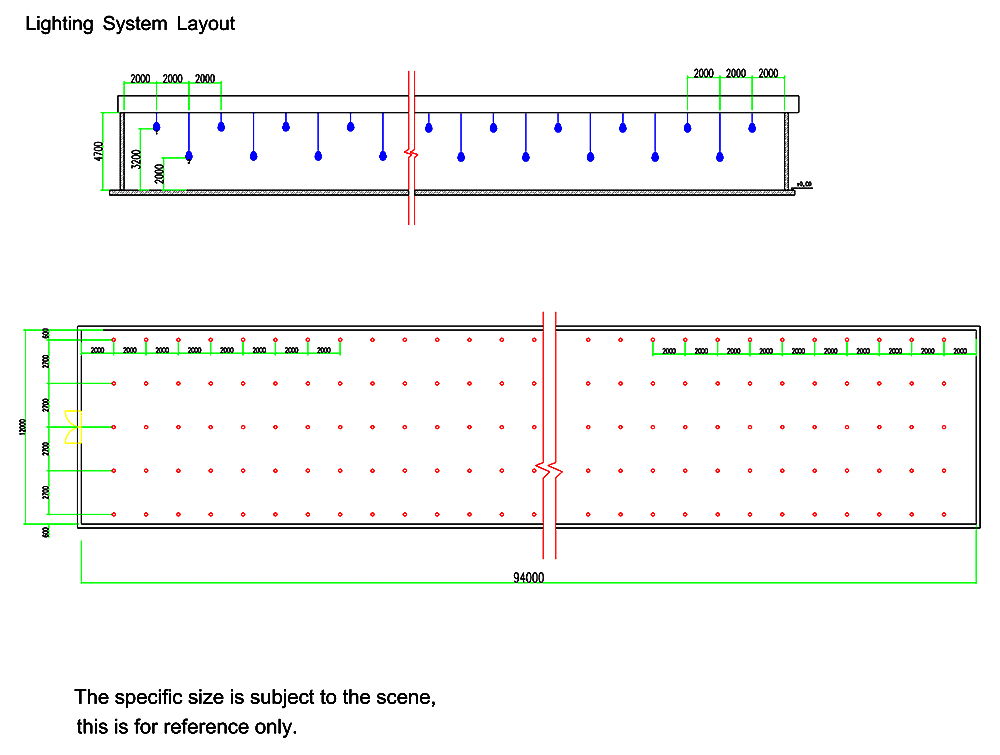
2. Total chicken raise quantity: 168 sets/ house* 270 birds/ set= 45360 birds/ setRead More Layer house, 50,706 layers/house, H5 automatic layer chicken cage's house drawing1. Building dimension: 94* 12* 4.7 meters
2. Number of cage tiers: 5 tiersRead More Layer house,101,520 layers/house, H8 automatic layer chicken cage's house drawing1. Building dimension: 95* 15* 7.7 meters
2. Number of cage tiers: 8 tiers (4+ 4)Read More