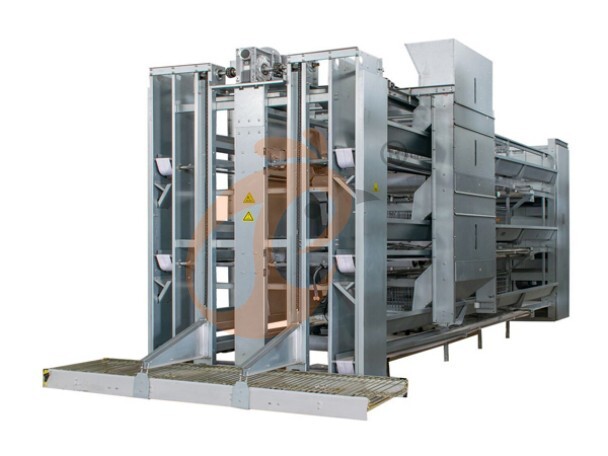
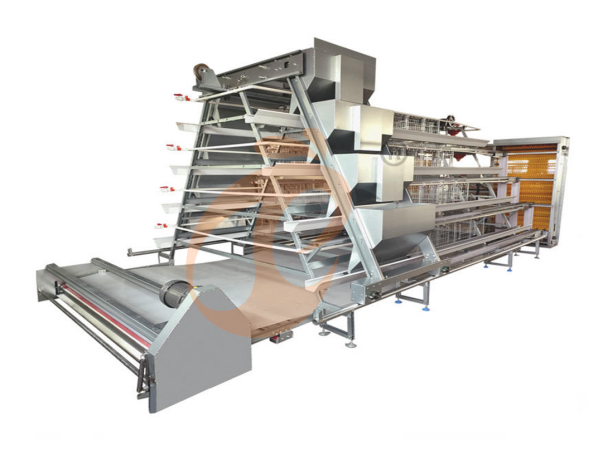
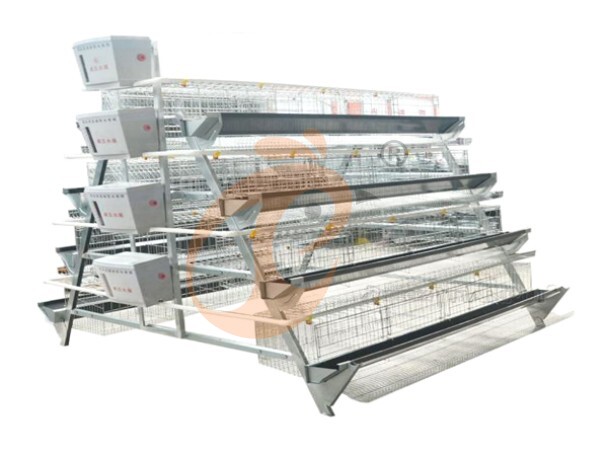
Automatic H-type chicken battery cage systems are becoming essential for scalable poultry farming in Nigeria.
This upgrade improves stocking density, labor efficiency, and long-term production stability.
Producers are shifting from manual handling toward integrated mechanical and environmental solutions.
A structured transition roadmap reduces technical risk and investment uncertainty.
Proper planning ensures compatibility between civil works, equipment, and operational management.
Get professional poultry farm construction guidance, equipment selection solutions, and the latest price lists, whatsApp to +8618830120193, +2348111199996, or click to learn more:

Nigeria-China Branch Office And Factory Of Poultry Farm Equipment
Evaluating Spatial Infrastructure And Structural Capacity
Upgrading to H-type cages requires a shift from horizontal space utilization to vertical density.
The height of the poultry house must accommodate multi-tier configurations while maintaining clearance for ventilation and manure systems.
Vertical clearance: A minimum ceiling height of 3.5 to 4.5 meters is required for H-type systems.
Floor loading: Reinforced concrete flooring with a thickness of at least 15 cm supports steel frames and automation loads.
Pit dimensions: Modern upgrades prefer longitudinal manure belts instead of deep pits.
Aisle width: Maintenance aisles must be maintained at 1.0 to 1.2 meters for safe inspection.
Data is for reference only. Swipe horizontally to view full table.
Selecting Cage Material Specifications And Corrosion Resistance
Nigeria's climate conditions require strict material selection to avoid early structural failure.
High humidity and temperature variations accelerate corrosion without proper galvanization.
Galvanization standards: Hot-dip galvanization ensures extended service life.
Wire diameter: Bottom mesh must resist deformation under continuous bird load.
Cage dimensions: Cell sizes are matched to commercial layer breeds.
Data is for reference only. Swipe horizontally to view full table.
Integrating Precision Automated Feeding And Watering Systems
Automated feeding is central to any poultry cage system upgrade.
Uniform feed distribution directly improves feed efficiency and flock uniformity.
Feed silos: External silos with capacities from 10 to 30 tons.
Trolley feeding: Precision delivery ensures equal feed access.
Nipple drinking: 360-degree stainless steel nipples regulate water intake.
Dosing pumps: Automatic medication ensures dosing accuracy.
Data is for reference only. Swipe horizontally to view full table.
Implementing Automated Egg Collection And Manure Removal
Manual egg collection increases breakage and contamination risk.
H-type systems rely on belt-based transfer to central collection points.
Egg belt material: Polypropylene or high-density fabric reduces shell damage.
Collection speed: Motor speed control prevents egg collisions.
Manure belts: Each tier is equipped with independent waste removal.
Transverse conveyors: Manure exits the house efficiently.
Data is for reference only. Swipe horizontally to view full table.
Environmental Control And Ventilation Synchronization
High-density housing requires synchronized ventilation systems.
Automated climate control protects bird health under Nigerian temperatures.
Negative pressure ventilation: Exhaust fans and cooling pads regulate airflow.
Cooling pads: 150 mm cellulose pads maximize evaporative cooling.
Automatic controllers: Sensors regulate temperature and humidity.
Emergency backup: Generators prevent catastrophic losses.
Data is for reference only. Swipe horizontally to view full table.
Financial Analysis And Return On Investment Projections
Automation requires higher initial capital investment.
Operating cost per bird decreases significantly over time.
Initial investment: Includes equipment, automation, and civil works.
Labor reduction: Daily staffing requirements drop sharply.
Mortality rate: Improved hygiene lowers loss rates.
Lifecycle cost: Evaluated across 15 years of operation.
All currency values follow European Union standard for reference only.
Data is for reference only. Swipe horizontally to view full table.
Technical Summary And Implementation Timeline
System upgrades must follow a controlled implementation sequence.
Coordination between engineering and installation teams is critical.
Data is for reference only. Swipe horizontally to view full table.
Frequently Asked Questions
Q1: Is automatic H-type cage suitable for Nigerian climate conditions?
A1: Yes.
When paired with proper ventilation and cooling systems, automatic H-type cages perform reliably across regional climates.
Q2: How long does a full poultry cage system upgrade take?
A2: Most projects require 16 to 24 weeks depending on building readiness and equipment lead time.
Q3: Does automation reduce long-term operating cost?
A3: Yes.
Lower labor demand, reduced feed waste, and improved survival rates lower unit production cost.
VANKE - One Of Nigeria Largest Poultry Equipment Manufacturer
VANKE provides global factory direct sales with standardized export manufacturing.
Our poultry farm equipment includes automated feeding, egg collection, and ventilation systems.
Each poultry cage system uses 275 g/m² hot-dip galvanized steel with 3.0 mm frames.
We deliver complete Turn-key projects covering design, installation, and training.
A 30,000-bird H-type system typically operates with less than 4 workers daily.
Contact Us To Received Your Customized Poultry Farm Plan
Headquarters And Branchs

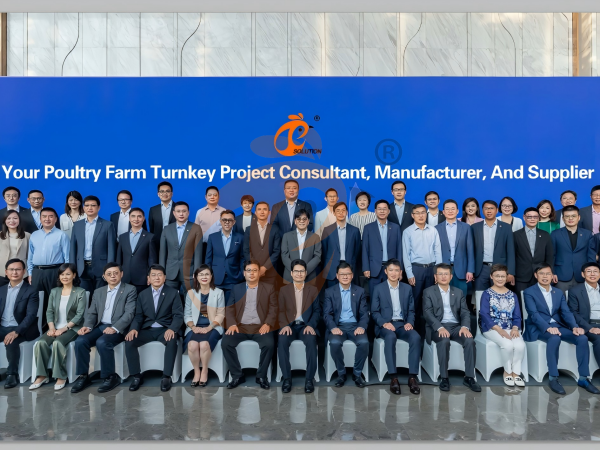
Hong Kong Headquarter Management Team
Hong Kong Headquarter Taiyu Industrial Group CO., LTD
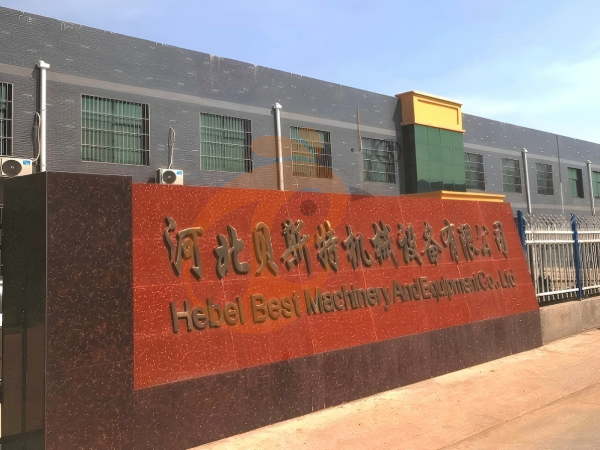
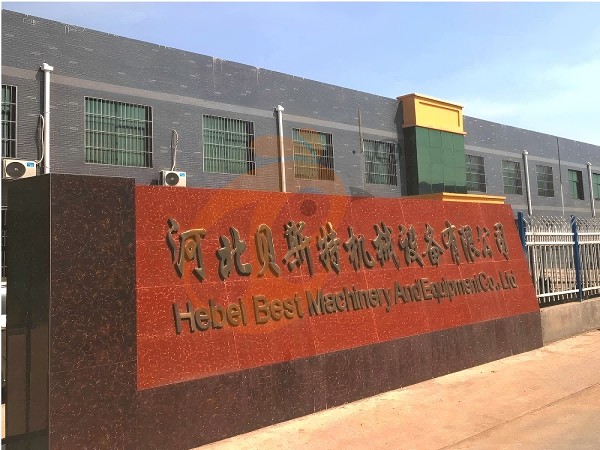
China Hebei Best Machinery And Equipment CO., LTD
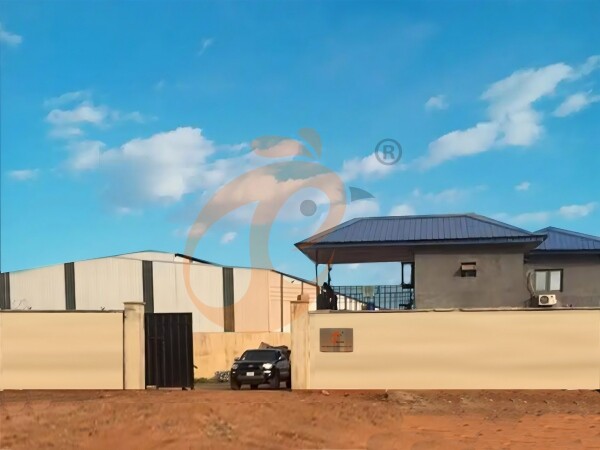
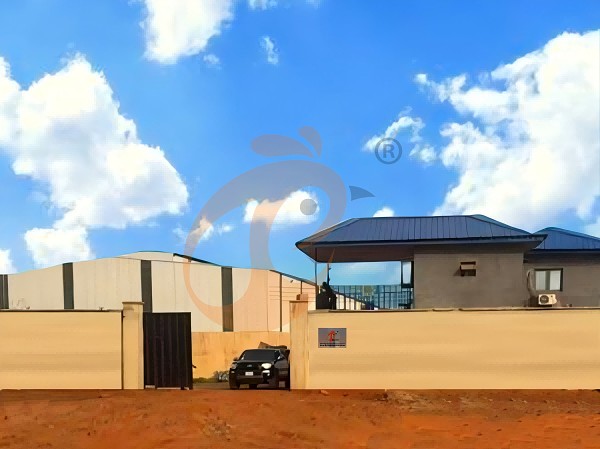
Nigeria Vanke Machinery And Equipment CO., LTD
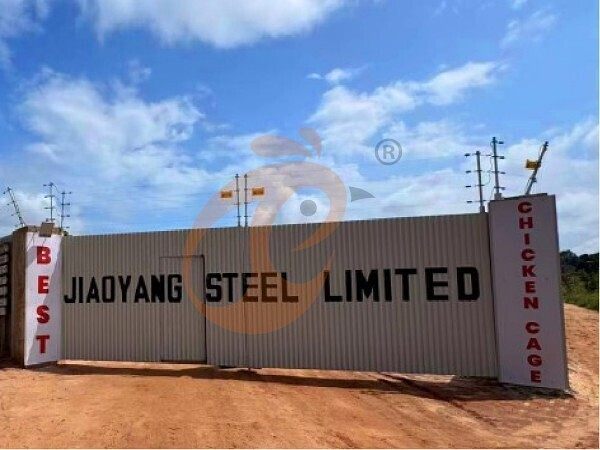
Tanzania Best Machinery And Equipment CO., LTD
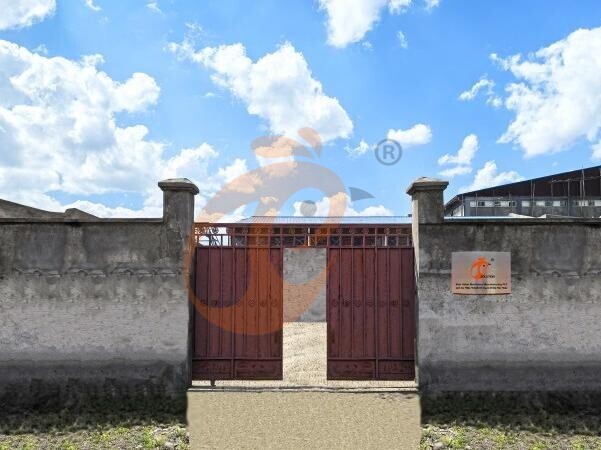
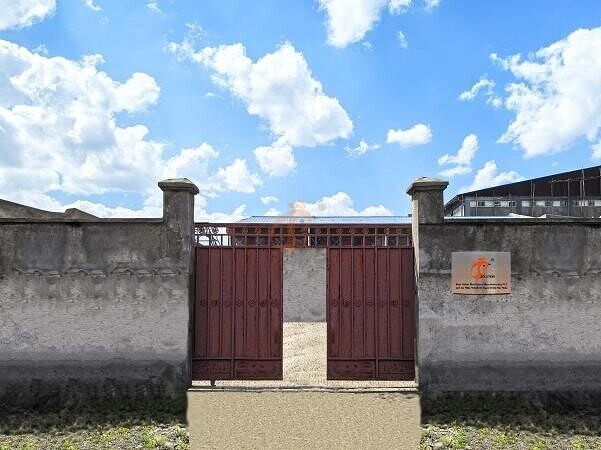
Ethiopia Best Hebei Machinery Manufacturing PLC
Reception /24 WhatsApp NO. : +8618830120193
MESSAGE
Products recommended
 HK Headquarter Offers EU-standard Poultry Farm Solutions, Manufacture Poultry Farm Equipment1. Continuous communication with the EU and the US
2. China, Nigeria, Ethiopia, Tanzania branch companies and factories
3. The products’ quality is customized for local poultry farms
4. Poultry cage and poultry farm equipment stock for sale
5. 24 online reception Whatsapp NO. : +8618830120193,contact us to get full informationRead More China Branch Offer Poultry Farm Business Plan, Manufacture Poultry Farm Equipment1. Address: Flat/RM 2416, 24/F, Runxing Building, Youyi Nan Street, Shijiazhuang City, Hebei Province, China
2. Poultry cage and poultry farm equipment factory and stock for sale
3. Customized for local poultry farms
4. Quality and design are based on Euro
5. 24 online reception Whatsapp NO. : +8618830120193Read More Nigeria Branch Offer Poultry Farm Business Plan, Manufacture Poultry Farm Equipment1. Address: After Sinoma Office, 200 Meters Near Danco Filling Station, Lagos/Ibadan Expressway, Lagos State, Nigeria
2. Poultry cage and poultry farm equipment factory and stock for sale
3. Customized for Nigerian poultry farms
4. Quality and design are based on Euro
5. 24 online reception Whatsapp NO. : +8618830120193Read More Ethiopia Branch Offer Poultry Farm Business Plan, Manufacture Poultry Farm Equipment1. Address: WR93+FQ2, Addis Ababa, Ethiopia
2. Poultry cage and poultry farm equipment stock for sale
3. Customized for Ethiopian poultry farms
4. Quality and design are based on Euro
5. 24 online reception Whatsapp NO. : +8618830120193, contact us to get price listRead More Tanzania Branch Offer Poultry Farm Business Plan, Manufacture Poultry Farm Equipment1. Address: No.8, Sova Road, Msufini, Mlandizi, Kibaha, Pwani, Tanzania
2. Poultry cage and poultry farm equipment factory and stock for sale
3. Customized for Tanzanian poultry farms
4. Quality and design are based on Euro
5. 24 online reception Whatsapp NO. : +8618830120193Read More Automatic H Type Layer Battery Cage System1. 30,000-100,000+ layers/house chooses it
2. Structure type stacked 3-16 tiers range
3. Stocking density up to 17 birds/cage
4. Service life 25 years
5. Reception /WhatsApp NO. : +8618830120193Read More Automatic A Type Layer Battery Cage System1. 10,000-30,000+ layers/house chooses it
2. Lifespan 25+ years
3. Labor requirement 1 worker per 10,000 birds
4. Reduce disease rates by 15%-20%.
5. Reception /WhatsApp NO. : +8618830120193Read More Semi Automatic A Type Layer Battery Cage System1. 1,00-10,000+ layers/house chooses it
2. Egg breakage rate≤ 0.5%
3. Mesh spacing 2.5×2.5 cm
4. Egg collection floor slope 7–8°
5. Reception /WhatsApp NO. : +8618830120193Read More