Broiler farm breeder manual animal feeder poultry chicken feeder
A broiler farm breeder manual is a guidebook that provides detailed information and instructions on the management and operation of a broiler breeder farm. This manual covers various aspects such as bird health, nutrition, breeding, and egg production. It also includes guidelines for maintaining equipment, including animal feeders and poultry chicken feeders, to ensure optimal performance and bird welfare
Animal feeders and poultry chicken feeders are essential equipment on a broiler breeder farm these feeders are designed to dispense feed to the birds in a controlled and efficient manner, promoting healthy growth and development. The manual provides instructions on how to properly install, operate, and maintain these feeders to prevent feed waste, ensure bird access, and minimize disease risk
By following the guidelines and recommendations outlined in the broiler farm breeder manual, farmers can optimize bird performance, improve egg production, and reduce costs. The manual serves as a valuable resource for farmers, enabling them to make informed decisions and take proactive steps to ensure the health and well being of their birds, as well as the efficiency and productivity of their farm. By implementing best management practices, farmers can promote sustainable and responsible poultry production
Types
1. Bell feeder: A bell-shaped feeder that dispenses feed as the birds peck at it
2. Tube feeder: A long, cylindrical feeder that holds a large quantity of feed
3. Trough feeder: A long, rectangular feeder that allows birds to feed from a trough
4. Pan feeder: A circular or rectangular feeder that dispenses feed into a pan
5. Automatic feeder: A feeder that automatically dispenses feed at set times or intervals
6. Gravity feeder: A feeder that uses gravity to dispense feed as the birds consume it
7. Hang able feeder: A feeder that can be hung from the ceiling or a hook
8. Floor feeder: A feeder that sits on the floor and allows birds to feed comfortably
9. Nipple feeder: A feeder that dispenses feed through nipple-like openings
10. Silhouette feeder: A feeder designed to reduce waste and promote clean feeding
Our services leave nothing to desire: poultry feeding systems, poultry equipment, poultry climate control and much more. Take a look and see for yourself
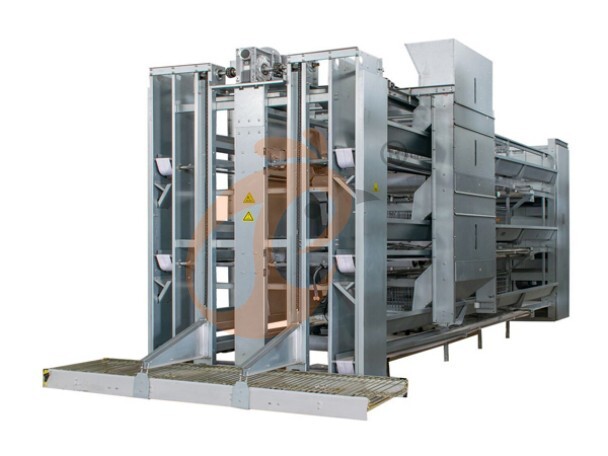
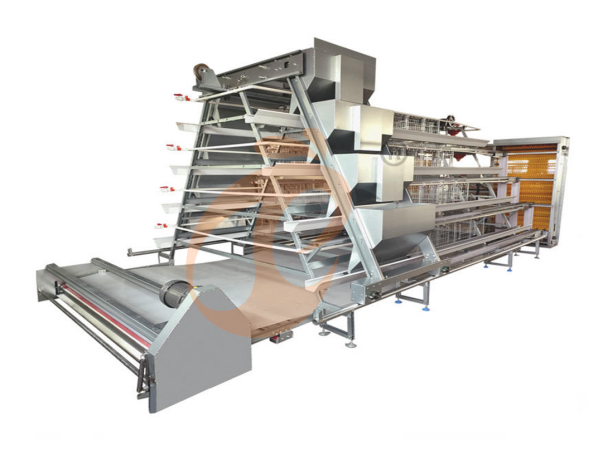
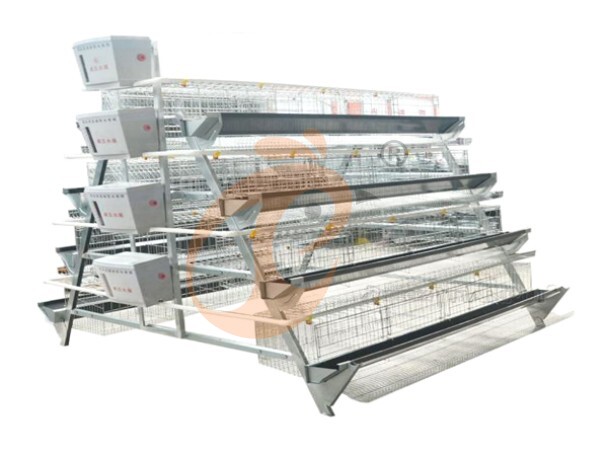
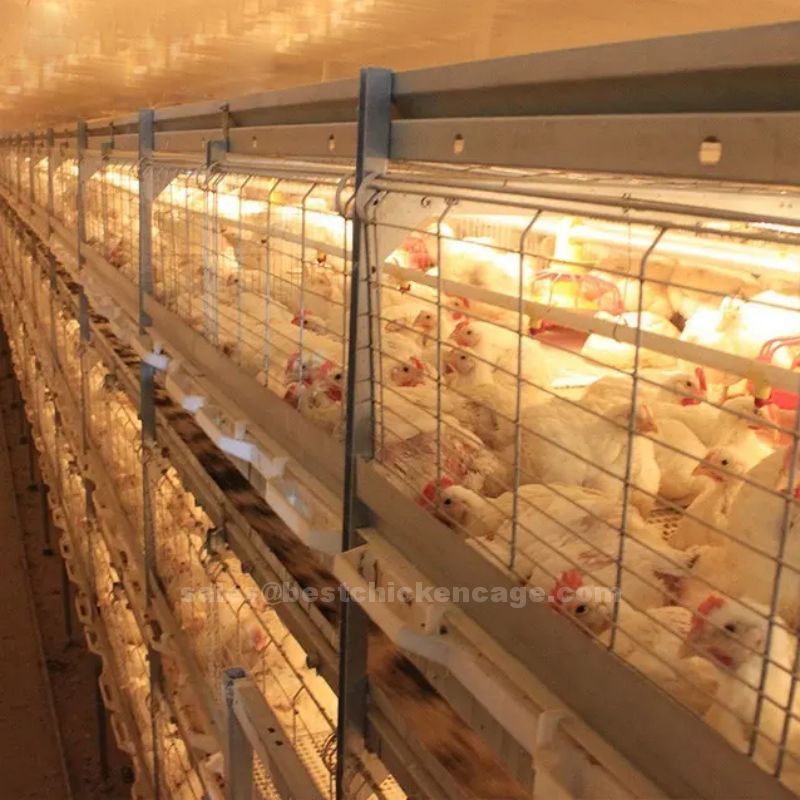
1. Layer chicken rearing system
Your ones stop shop for poultry farming business, fully automated poultry farm equipment is for medium and large chicken farms with 5,000+ birds to 100,000,000+ birds, please feel free to leave message to our website
Company video
Maintenances
1. Daily cleaning: Clean feeders daily to prevent feed spoilage and bacterial growth
2. Weekly inspection: Inspect feeders weekly for damage, wear, and tear
3. Monthly sanitation: Sanitize feeders monthly with a disinfectant solution
4. Quarterly lubrication: Lubricate feeder mechanisms quarterly to ensure smooth operation
5. Bi-annual maintenance: Perform comprehensive maintenance every six months, including replacing worn parts
6. Feed quality checks: Regularly check feed quality to ensure it is fresh and nutritious
7. Moisture level monitoring: Monitor moisture levels in feed to prevent spoilage
8. Pest control: Implement pest control measures to prevent rodents and insects from contaminating feed
9. Feed storage management: Manage feed storage to prevent mold and bacterial growth
10. Equipment upgrades: Regularly upgrade feeders and related equipment to ensure optimal performance and efficiency
Importance
1. Ensures bird health: Clean and well-maintained feeders prevent disease and promote bird health
2. Optimizes feed efficiency: Properly maintained feeders minimize feed waste and reduce costs
3. Increases productivity: Well-maintained feeders ensure consistent feed availability, promoting bird growth and productivity
4. Reduces mortality: Clean feeders reduce the risk of disease, decreasing bird mortality rates
5. Improves feed quality: Regularly cleaned and maintained feeders prevent feed spoilage and contamination
6. Enhances biosecurity: Properly maintained feeders reduce the risk of disease transmission and contamination
7. Supports sustainable farming: Efficient feeders reduce waste and minimize environmental impact
8. Increases farmer profitability: Well maintained feeders reduce costs and improve productivity, increasing farmer profitability
9. Promotes animal welfare: Clean and well-maintained feeders ensure bird comfort and well being
10. Meets regulatory standards: Properly maintained feeders ensure compliance with animal health and welfare regulations
Our services
1. We offer expert guidance and consultation for setting up your poultry farm, including advice on breed selection, housing design, equipment sourcing, and biosecurity measures. Our experienced team will help you make informed decisions to ensure a successful start
2. Choosing the right breed is crucial for achieving your farming goals. Our team can provide information on various poultry breeds, their characteristics, and suitability for different purposes (meat, eggs, or both). We consider factors such as growth rate, egg production, disease resistance, and market demand to help you make the best choice
3. Proper housing is essential for the health and productivity of your poultry flock. We assist in designing appropriate housing systems, considering factors like space requirements, ventilation, lighting, and waste management. Our designs focus on creating a comfortable and hygienic environment for your birds
4. We are transparent about our product capabilities
5. We make our customers decision convenient base on our product that they want to buy
6. We provides a quick responses to our customers when they ask about our product
Frequently ask questions
Q: What is the main benefit of using automated feeders in poultry farming?
A: The main benefit is increased efficiency and reduced labor costs, as automated feeders can dispense feed at set times and intervals without human intervention
Q: How often should poultry feeders be cleaned and maintained?
A: Poultry feeders should be cleaned daily and maintained regularly (weekly, monthly, or quarterly) to prevent feed spoilage, bacterial growth, and equipment failure
Q: What is the importance of feed quality in poultry farming?
A: Feed quality is crucial in poultry farming as it directly affects bird health, growth, and productivity. High quality feed ensures birds receive the necessary nutrients, vitamins, and minerals to stay healthy and thrive
MESSAGE
Products recommended
 HK Headquarter Offers EU-standard Poultry Farm Solutions, Manufacture Poultry Farm Equipment1. Continuous communication with the EU and the US
2. China, Nigeria, Ethiopia, Tanzania branch companies and factories
3. The products’ quality is customized for local poultry farms
4. Poultry cage and poultry farm equipment stock for sale
5. 24 online reception Whatsapp NO. : +8618830120193,contact us to get full informationRead More China Branch Offer Poultry Farm Business Plan, Manufacture Poultry Farm Equipment1. Address: Flat/RM 2416, 24/F, Runxing Building, Youyi Nan Street, Shijiazhuang City, Hebei Province, China
2. Poultry cage and poultry farm equipment factory and stock for sale
3. Customized for local poultry farms
4. Quality and design are based on Euro
5. 24 online reception Whatsapp NO. : +8618830120193Read More Nigeria Branch Offer Poultry Farm Business Plan, Manufacture Poultry Farm Equipment1. Address: After Sinoma Office, 200 Meters Near Danco Filling Station, Lagos/Ibadan Expressway, Lagos State, Nigeria
2. Poultry cage and poultry farm equipment factory and stock for sale
3. Customized for Nigerian poultry farms
4. Quality and design are based on Euro
5. 24 online reception Whatsapp NO. : +8618830120193Read More Ethiopia Branch Offer Poultry Farm Business Plan, Manufacture Poultry Farm Equipment1. Address: WR93+FQ2, Addis Ababa, Ethiopia
2. Poultry cage and poultry farm equipment stock for sale
3. Customized for Ethiopian poultry farms
4. Quality and design are based on Euro
5. 24 online reception Whatsapp NO. : +8618830120193, contact us to get price listRead More Tanzania Branch Offer Poultry Farm Business Plan, Manufacture Poultry Farm Equipment1. Address: No.8, Sova Road, Msufini, Mlandizi, Kibaha, Pwani, Tanzania
2. Poultry cage and poultry farm equipment factory and stock for sale
3. Customized for Tanzanian poultry farms
4. Quality and design are based on Euro
5. 24 online reception Whatsapp NO. : +8618830120193Read More Automatic H Type Layer Battery Cage System1. 30,000-100,000+ layers/house chooses it
2. Structure type stacked 3-16 tiers range
3. Stocking density up to 17 birds/cage
4. Service life 25 years
5. Reception /WhatsApp NO. : +8618830120193Read More Automatic A Type Layer Battery Cage System1. 10,000-30,000+ layers/house chooses it
2. Lifespan 25+ years
3. Labor requirement 1 worker per 10,000 birds
4. Reduce disease rates by 15%-20%.
5. Reception /WhatsApp NO. : +8618830120193Read More Semi Automatic A Type Layer Battery Cage System1. 1,00-10,000+ layers/house chooses it
2. Egg breakage rate≤ 0.5%
3. Mesh spacing 2.5×2.5 cm
4. Egg collection floor slope 7–8°
5. Reception /WhatsApp NO. : +8618830120193Read More