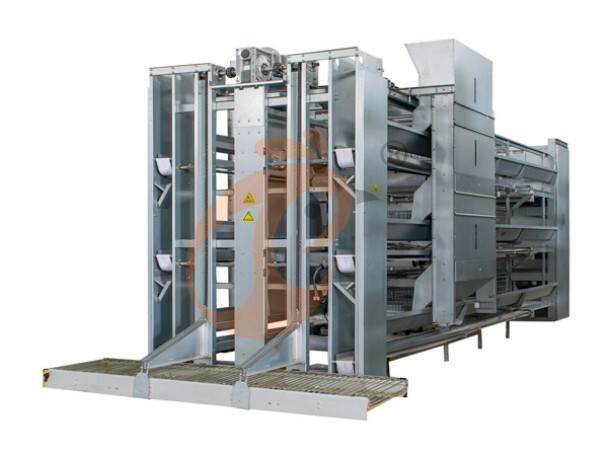
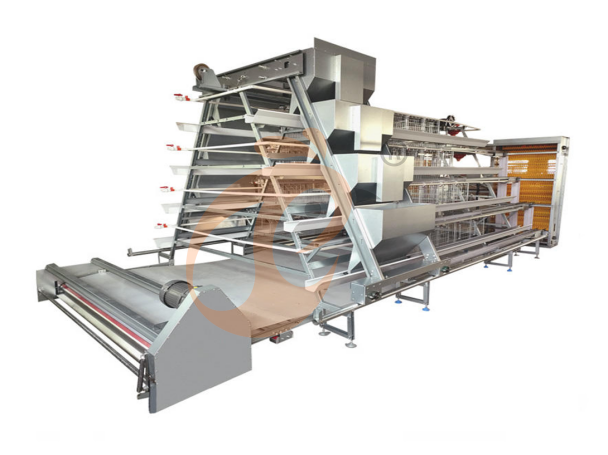
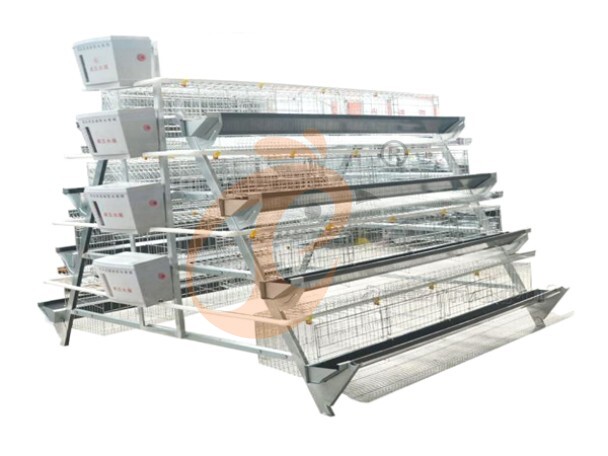
A type chicken cage systems improve commercial poultry housing through coordinated cage dimensions, automatic chicken feeding systems, and ventilation planning.
Accurate flock calculations and building measurements help determine cage quantities while controlling installation expenses and supporting efficient poultry farm management.
Galvanized steel construction, compatible automatic feeding equipment, and egg collection systems support consistent daily operations across commercial layer production facilities.
Five practical buyer tips cover capacity planning, structural measurements, bird requirements, automation compatibility, and total equipment ownership costs.
Customized poultry equipment solutions connect engineering drawings with verified specifications, helping farms coordinate installation, maintenance, and future production requirements.
Get professional poultry farm construction guidance, equipment selection solutions, and the latest price lists, whatsApp to +8618830120193, click to learn more:
Why Cage Size Matters For Poultry Farm Profitability
Choosing the right A type chicken cage system helps poultry farms coordinate housing, feeding, drinking, manure removal, and egg collection.
The correct configuration must match building dimensions, bird requirements, and production workflows.
As a poultry equipment supplier, we recommend evaluating galvanized steel construction, automatic poultry feeding equipment, and projected maintenance costs before purchasing.
A customized solution helps buyers control installation expenses while preparing for future farm development.
Buyer Tip: Calculate Your Required Bird Capacity
Determine the target flock population and applicable stocking requirements before selecting cage compartments.
Calculate usable bird-housing area separately from total building floor area to avoid overestimating capacity.
Engineering Formula
Required usable bird area = Target population × Required area per bird.
For example, an A type chicken cage system designed for commercial layer production must meet local stocking requirements while accommodating compatible poultry feeding equipment.
Final capacity depends on verified compartment dimensions and permitted bird density.
Data is for reference only.Swipe horizontally to view full table.
Reference configurations compiled from published equipment specifications.
Confirm the exact model, usable area, and permitted stocking density before ordering.
Commercial Farm Capacity Comparison
After selecting an A type chicken cage system, calculate the required cage sets and verify whether the arrangement fits the available building area.
Automatic chicken feeding systems and suitable ventilation equipment should also be considered during capacity planning.
Data is for reference only.Swipe horizontally to view full table.
Calculations use a nominal capacity of 160 birds per set.
These are mathematical examples, not recommendations for legal stocking density or final procurement quantities.
Buyer Tip: Measure Your Poultry House Carefully
Before ordering an A type chicken cage system, prepare an accurate building drawing showing structural columns, doors, ventilation openings, and utility connections.
Measure internal dimensions to a tolerance of ±10 mm where practical, and verify roof clearance against the manufacturer's installation drawing.
Engineering Checklist
Mark every column and structural obstruction.
Identify ventilation fans and air inlets.
Reserve maintenance access and emergency exits.
Check automatic poultry feeding equipment and manure conveyor routes.
Confirm equipment installation and transport access.
Our engineering team can use these measurements to prepare a customized CAD layout, coordinating poultry cage dimensions with ventilation equipment and reducing unnecessary on-site modifications.
Poultry House Layout Parameter Table
Use the following hypothetical building parameters as an initial layout exercise.
Final A type chicken cage placement must account for structural constraints, equipment dimensions, and required access clearances.
Data is for reference only.Swipe horizontally to view full table.
Illustrative design inputs only; they do not represent a certified layout or a guaranteed installation arrangement.
Buyer Tip: Match Cage Dimensions To Bird Requirements
A type chicken cage selection should reflect bird type, compartment geometry, construction quality, and local housing requirements.
Buyers should request material certificates, assembly drawings, and structural specifications before confirming an order for commercial poultry housing equipment.
Technical Selection Guide
Confirm the intended production stage and breed.
Check compartment dimensions and usable floor area.
Review galvanized steel specifications and weld quality.
Verify frame stability and connection details.
Confirm that the selected housing system is legally permitted.
Our poultry equipment team can compare available cage models and recommend configurations suited to project dimensions, applicable welfare standards, and compatible automatic feeding systems.
Cage Material And Construction Specifications
Compare A type chicken cage construction using measurable parameters and supporting documentation.
The specifications below illustrate the material information buyers should request when evaluating galvanized poultry cages.
Data is for reference only.Swipe horizontally to view full table.
These values are reference specifications, not universal requirements.
Confirm the selected manufacturer's material, coating process, mesh design, and applicable engineering standards.
Buyer Tip: Evaluate Automation And Labor Savings
A properly configured A type chicken cage system should integrate automatic poultry feeding equipment, drinking lines, manure removal, and egg collection without incompatible connections.
Before purchasing, compare motor ratings, control functions, spare-part availability, and maintenance procedures.
Equipment Combination Recommendation
Feeding: Automatic feed distribution matched to cage geometry.
Drinking: Nipple drinkers, filtration, and pressure regulation.
Manure Handling: Compatible belt conveyors and drive assemblies.
Egg Collection: Conveyor equipment matched to the packing workflow.
Environmental Control: Fans, inlets, and controls engineered for the building.
Our integrated poultry equipment packages help customers coordinate cage sections and supporting machinery, simplifying installation and commissioning for commercial poultry production.
Automation Equipment Parameter Table
Request manufacturer-rated data for every machine included in the A type chicken cage system quotation.
The following values illustrate the parameters buyers should verify when selecting poultry feeding systems and complementary equipment.
Data is for reference only.Swipe horizontally to view full table.
Illustrative values only.
Actual specifications depend on the equipment model, operating conditions, static pressure, and local electrical standards.
Request manufacturer datasheets before purchase.
Equipment Purchasing Cost Comparison
The following example illustrates an itemized quotation for an A type chicken cage system and complementary poultry equipment.
Amounts are hypothetical budgeting inputs, not current supplier prices.
Data is for reference only.Swipe horizontally to view full table.
European union standard reference only.
These illustrative amounts are not verified European union-standard prices or compliance benchmarks.
Actual quotations depend on equipment specifications, delivery terms, installation scope, and project location.
Choose The Right A Type Chicken Cage System With Confidence
Selecting the right A type chicken cage system requires coordinated engineering, reliable equipment specifications, and a complete understanding of farm operating requirements.
A customized proposal should include a cage layout, equipment list, installation scope, and after-sales support plan.
As a poultry equipment supplier, we provide cage systems and complementary machinery for commercial poultry projects.
Our team can help customers compare configurations, coordinate equipment interfaces, and prepare quotations tailored to their production objectives.
Request Your Customized Equipment Proposal
Send us your poultry house drawings, target flock population, production type, installation country, and automation requirements.
We can prepare a preliminary layout and poultry equipment quotation based on your project specifications.
Choose a system supported by documented technical data, compatible components, and dependable service to build a practical foundation for commercial poultry production.
Frequently Asked Questions
Q1: How do i calculate the capacity of an A type chicken cage system?
Multiply the verified number of cage sets by the manufacturer's permitted bird capacity per set, then confirm compliance with local stocking requirements.
For example, 100 sets rated at 120 birds provide a nominal capacity of 12,000 birds.
Q2: Which equipment should be purchased with A type chicken cages?
Consider automatic feeding, nipple drinking, manure removal, and ventilation equipment.
Select egg collection conveyors according to the production workflow and verify electrical compatibility before installation.
Q3: What information is required for a customized poultry equipment quotation?
Provide building drawings, target flock size, production type, installation location, and preferred automation configuration.
Include available electrical supply details and local compliance requirements to support accurate equipment selection.
Taiyu (HK) Group - One Of China Toppest A Type Chicken Cage System Manufacturer
A type chicken cage systems support commercial layer housing with configurable cage layouts, tier arrangements, and compatible feeding equipment.
Global factory-direct supply covers poultry equipment specifications, component coordination, and project-based manufacturing requirements.
Poultry equipment solutions integrate cage systems, feeding lines, drinking systems, manure conveyors, and ventilation machinery.
Turn-key engineering services coordinate preliminary layout design, equipment production, installation planning, and commissioning documentation.
Technical commercial support includes equipment quotations, spare-parts coordination, and project-specific engineering communication.
Contact Us To Received Your Customized Poultry Farm Plan
Headquarters And Branchs

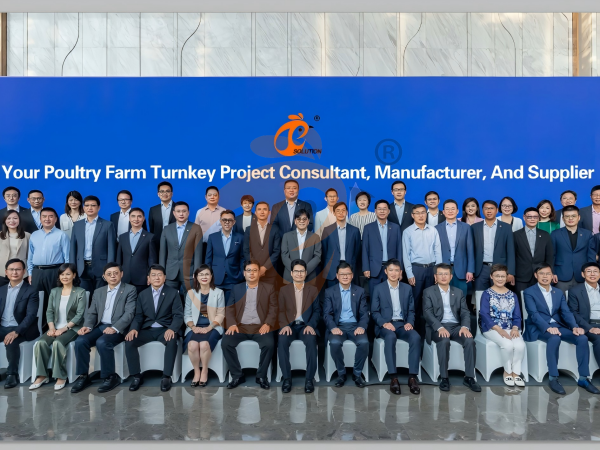
Hong Kong Headquarter Management Team
Hong Kong Headquarter Taiyu Industrial Group CO., LTD
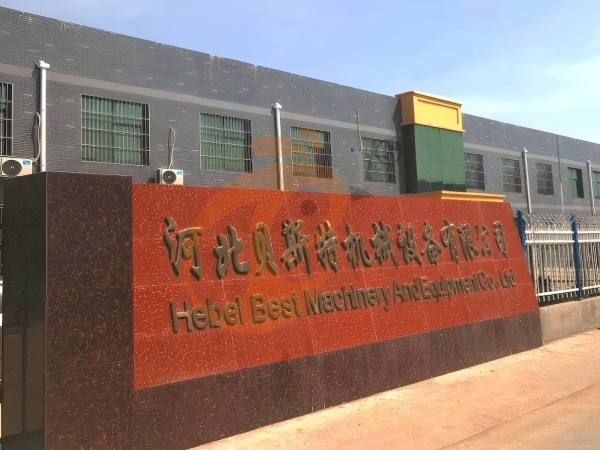
China Hebei Best Machinery And Equipment CO., LTD
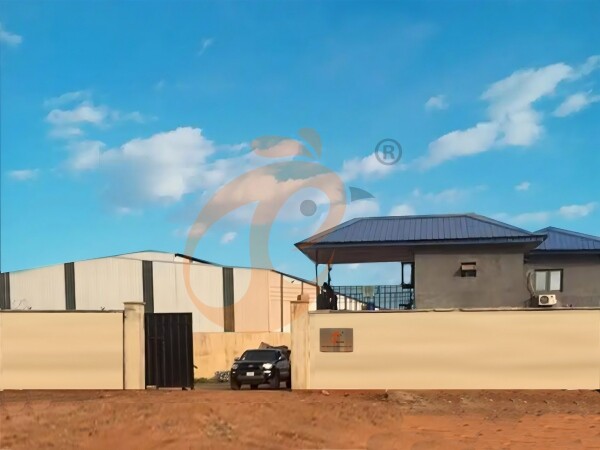
Nigeria Vanke Machinery And Equipment CO., LTD
Tanzania Best Machinery And Equipment CO., LTD
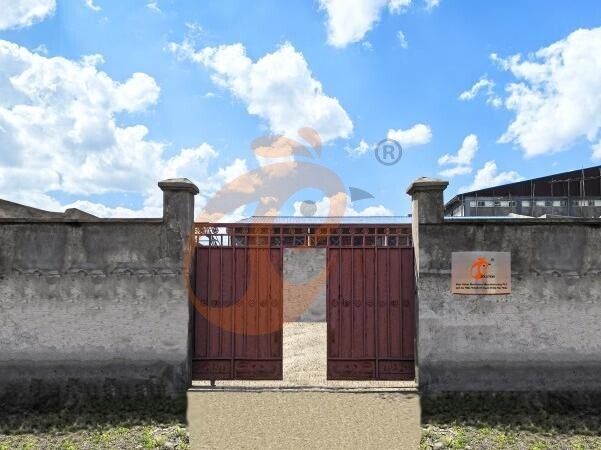
Ethiopia Best Hebei Machinery Manufacturing PLC




Reception /24 WhatsApp NO. : +8618830120193
MESSAGE
Products recommended
 HK Headquarter Offers EU-standard Poultry Farm Solutions, Manufacture Poultry Farm Equipment1. Continuous communication with the EU and the US
2. China, Nigeria, Ethiopia, Tanzania branch companies and factories
3. The products’ quality is customized for local poultry farms
4. Poultry cage and poultry farm equipment stock for sale
5. 24 online reception Whatsapp NO. : +8618830120193,contact us to get full informationRead More China Branch Offer Poultry Farm Business Plan, Manufacture Poultry Farm Equipment1. Address: Flat/RM 2416, 24/F, Runxing Building, Youyi Nan Street, Shijiazhuang City, Hebei Province, China
2. Poultry cage and poultry farm equipment factory and stock for sale
3. Customized for local poultry farms
4. Quality and design are based on Euro
5. 24 online reception Whatsapp NO. : +8618830120193Read More Nigeria Branch Offer Poultry Farm Business Plan, Manufacture Poultry Farm Equipment1. Address: After Sinoma Office, 200 Meters Near Danco Filling Station, Lagos/Ibadan Expressway, Lagos State, Nigeria
2. Poultry cage and poultry farm equipment factory and stock for sale
3. Customized for Nigerian poultry farms
4. Quality and design are based on Euro
5. 24 online reception Whatsapp NO. : +8618830120193Read More Ethiopia Branch Offer Poultry Farm Business Plan, Manufacture Poultry Farm Equipment1. Address: Gelan Gura, Akaki-kaliti Sub City, Addis Ababa, Ethiopia
2. Poultry cage and poultry farm equipment stock for sale
3. Customized for Ethiopian poultry farms
4. Quality and design are based on Euro
5. 24 online reception Whatsapp NO. : +8618830120193, contact us to get price listRead More Tanzania Branch Offer Poultry Farm Business Plan, Manufacture Poultry Farm Equipment1. Address: No.8, Sova Road, Msufini, Mlandizi, Kibaha, Pwani, Tanzania
2. Poultry cage and poultry farm equipment factory and stock for sale
3. Customized for Tanzanian poultry farms
4. Quality and design are based on Euro
5. 24 online reception Whatsapp NO. : +8618830120193Read More Automatic H Type Layer Battery Cage System1. 30,000-100,000+ layers/house chooses it
2. Structure type stacked 3-16 tiers range
3. Stocking density up to 17 birds/cage
4. Service life 25 years
5. Reception /WhatsApp NO. : +8618830120193Read More Automatic A Type Layer Battery Cage System1. 10,000-30,000+ layers/house chooses it
2. Lifespan 25+ years
3. Labor requirement 1 worker per 10,000 birds
4. Reduce disease rates by 15%-20%.
5. Reception /WhatsApp NO. : +8618830120193Read More Semi Automatic A Type Layer Battery Cage System1. 1,00-10,000+ layers/house chooses it
2. Egg breakage rate≤ 0.5%
3. Mesh spacing 2.5×2.5 cm
4. Egg collection floor slope 7–8°
5. Reception /WhatsApp NO. : +8618830120193Read More