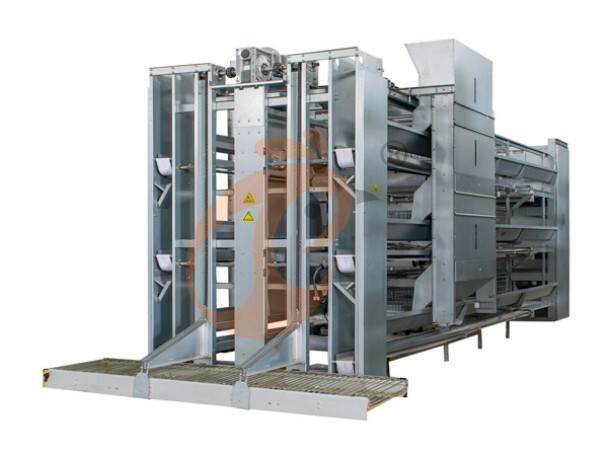
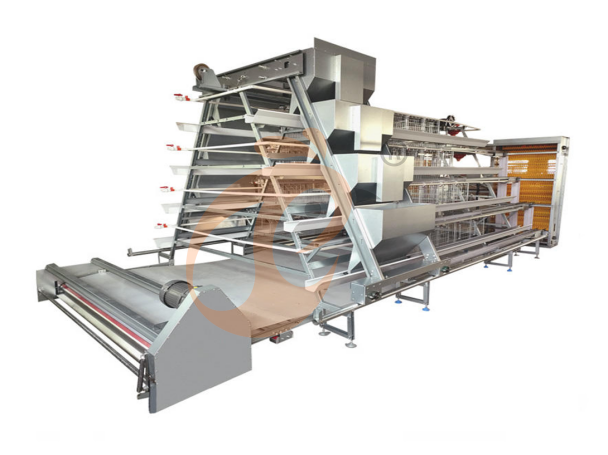
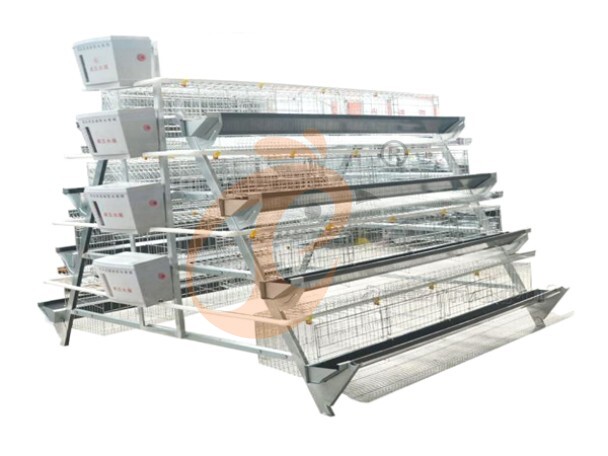
A type poultry battery cages provide a practical foundation for intensive layer production, combining structured housing with efficient equipment integration, while optimized designs can support 3–5 cage tiers and commercial flock capacities.
Structural durability, feeding accuracy, drinking control, manure handling, egg collection, and ventilation directly influence operating efficiency, maintenance frequency, flock management, and long-term equipment value.
A type layer chicken cage configurations can integrate automatic feeding and nipple drinking equipment, while automatic layer cage system designs help coordinate production operations across multiple cage rows.
Professional equipment selection should consider cage dimensions, material specifications, automation requirements, building layout, and future expansion before installation begins.
Proper engineering can reduce avoidable feed loss, water leakage, manure-handling workload, egg damage, and environmental-management problems while creating a more stable commercial poultry production workflow.
Get professional poultry farm construction guidance, equipment selection solutions, and the latest price lists, whatsApp to +8618830120193, click to learn more:
Common Problems And Technical Diagnosis
A type poultry battery cages are widely selected for commercial layer farms because the stepped structure can integrate feeding, drinking, egg collection and manure management into one production line.
However, cage performance depends on engineering details such as 2.2 mm welding-wire diameter, 1.2 mm support-bracket thickness, 4.5 kN frame load capacity, and 6 mm fastener diameter.
A type layer chicken cage and automatic layer cage system configurations can further improve equipment coordination when cage structure and automation components are engineered as one system.
Data is for reference only.Swipe horizontally to view full table.
Engineering Points: Solution 1 — Strengthen The Cage Structure
Cage deformation normally develops around connection points, supporting legs and long cage rows rather than from cage mesh alone.
A type poultry battery cages should therefore consider 12 mm anchor-plate width, 8 mm cross-brace thickness, 1.5 mm frame-wall thickness, and 90° connection alignment during installation.
A type layer chicken cage structures benefit from coordinated support design, while an automatic layer cage system requires accurate row alignment for stable long-term operation.
For commercial projects, hot-dip galvanized structural components are particularly useful because poultry houses contain moisture and ammonia.
Professional A type poultry battery cages suppliers should provide complete installation drawings instead of supplying individual components without structural coordination.
Cage Structure And Anti-Corrosion Parameters
Data is for reference only.Swipe horizontally to view full table.
Tips Card: Solution 2 — Reduce Feed Loss
Feed waste is often caused by incorrect trough geometry, unstable feed delivery and unsuitable feeder adjustment.
A type poultry battery cages can incorporate 7 mm feeder-edge clearance, 35 mm feed-drop height, 18 mm anti-spill lip, and 15-minute inspection intervals within daily operating procedures.
A type layer chicken cage layouts can connect directly with automatic feeding equipment, while an automatic layer cage system can coordinate feed delivery across multiple rows.
For larger farms, automatic feeding is more practical because feed can move mechanically from storage equipment to individual cage rows.
The feeding line should be selected according to house capacity rather than purchasing a motor and trough separately.
Feeding System Technical Data
Data is for reference only.Swipe horizontally to view full table.
Flow Structure: Solution 3 — Control Drinking Water
A reliable drinking system should deliver stable water to every cage level without excessive leakage.
A type poultry battery cages can use 120-mesh filtration, 0.5% pipeline gradient, 30-minute flushing cycles, and 2-stage pressure regulation to improve water-system stability.
A type layer chicken cage layouts can connect branch pipes directly to nipple lines, while an automatic layer cage system can coordinate water distribution with other automated equipment.
The complete route should follow: water source → filtration → pressure regulation → main pipe → branch pipe → nipple line → birds.
Stainless-steel nipple drinkers combined with suitable pressure-control equipment can reduce unnecessary water loss and maintain cleaner cage conditions.
Automatic Drinking System Parameters
Data is for reference only.Swipe horizontally to view full table.
Equipment Combination Recommendation: Solution 4 — Automate Manure Removal
Manure management should be designed together with cage structure instead of being added after installation.
A type poultry battery cages can integrate 0.75 kW drive units, 4–8 m/min belt movement, 3–6 mm scraper blades, and 50–80 mm roller diameters for continuous manure transfer.
A type layer chicken cage system can connect manure equipment beneath cage tiers, while an automatic layer cage system can coordinate manure collection with feeding and drinking operations.
For farms where labor availability is limited, manure belts can transport manure outside poultry houses without requiring workers to enter every cage aisle.
Scraper systems can also be selected according to building structure and project configuration.
Manure Removal Equipment Parameters
Data is for reference only.Swipe horizontally to view full table.
Technical Checklist: Solution 5 — Protect Egg Quality
Broken eggs can originate from cage-floor geometry, damaged wire, excessive impact during collection, or poor conveyor alignment.
A type poultry battery cages should maintain 2–6 m/min conveyor velocity, 5 mm transfer clearance, 20 mm belt-edge protection, and ±2 mm conveyor alignment tolerance.
A type layer chicken cage designs can guide eggs toward collection points, while an automatic layer cage system can connect cage rows with centralized egg-handling equipment.
A properly designed egg-collection route allows eggs to move from cages toward collection points with limited manual handling.
Automatic conveyors can then connect cage rows with centralized egg-handling areas, improving production-line continuity.
Egg Collection And Environmental Equipment Data
Data is for reference only.Swipe horizontally to view full table.
Six Easy Solutions: Build A Complete Poultry Equipment System
The six practical solutions are structural reinforcement, feed-loss control, water-pressure management, automatic manure removal, controlled egg transfer, and environmental integration.
A type poultry battery cages should be purchased as part of a coordinated production system rather than treated as an isolated cage product.
A type layer chicken cage configurations can connect feeding, drinking and manure equipment, while an automatic layer cage system can coordinate multiple production functions.
Professional equipment selection should consider flock capacity, building dimensions, automation requirements, local climate, and future expansion before installation begins.
Six-Solution Equipment Matrix
Data is for reference only.Swipe horizontally to view full table.
A type poultry battery cages create commercial value through system integration rather than cage structure alone.
A type layer chicken cage projects can connect cage rows, feeding, drinking, manure removal, egg collection, and environmental control into one coordinated production system.
An automatic layer cage system can simplify equipment management when multiple automated subsystems are engineered around compatible specifications.
For poultry-equipment buyers, supplier selection should cover cage manufacturing, engineering layout, automation matching, installation guidance, and after-sales technical support.
Frequently Asked Questions
Q1: What are the main problems with A type poultry battery cages?
A type poultry battery cages commonly require attention to structural stability, feeding accuracy, drinking control, manure handling, egg collection, and ventilation.
Proper engineering should also account for cage-floor inclination around 7°–10° and coordinated equipment installation.
Q2: How can A type poultry battery cages reduce farm labor?
A type poultry battery cages can integrate automatic feeding, nipple drinking, manure removal, and egg collection.
An automatic layer cage system can centralize multiple operations and reduce repetitive manual handling.
Q3: How should farmers select a complete cage system?
A type poultry battery cages should be selected according to flock capacity, house dimensions, automation targets, climate conditions, and expansion plans.
A professional equipment layout can coordinate multiple systems before installation and help avoid incompatible equipment specifications.
Taiyu (HK) Group - One Of China Toppest A Type Poultry Battery Cages Manufacturer
A type poultry battery cages are engineered as modular layer-housing systems with 3–5 tiers, reinforced structural components, automatic feeding interfaces, nipple drinking lines, manure-removal options, and centralized egg-collection compatibility.
Global factory-direct production covers poultry equipment manufacturing, component processing, engineering configuration, quality inspection, packaging, and international project coordination for commercial layer farms.
Turn-key engineering connects A type poultry battery cages with feeding, drinking, manure removal, egg collection, ventilation, electrical control, installation guidance, and commissioning according to project specifications.
Project support covers equipment layout, cage-row planning, capacity calculation, automation matching, installation documentation, spare-parts coordination, and technical communication for overseas poultry equipment projects.
Direct factory engineering provides integrated poultry equipment solutions for new farms, capacity expansion, equipment replacement, and modernization projects requiring coordinated commercial specifications.
Contact Us To Received Your Customized Poultry Farm Plan
Headquarters And Branchs

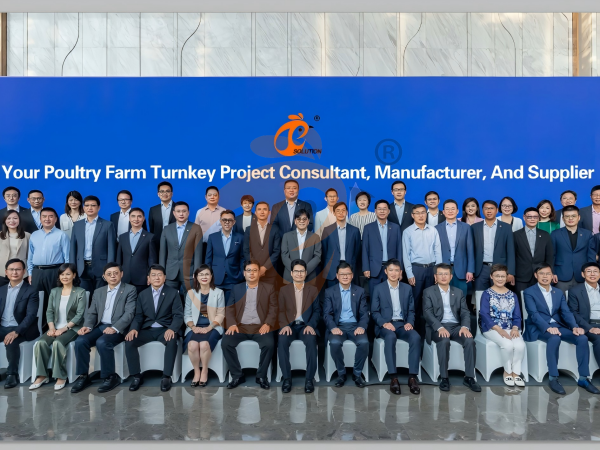
Hong Kong Headquarter Management Team
Hong Kong Headquarter Taiyu Industrial Group CO., LTD
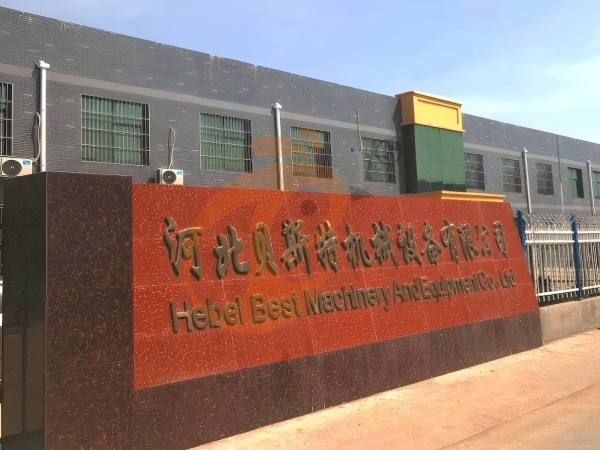
China Hebei Best Machinery And Equipment CO., LTD
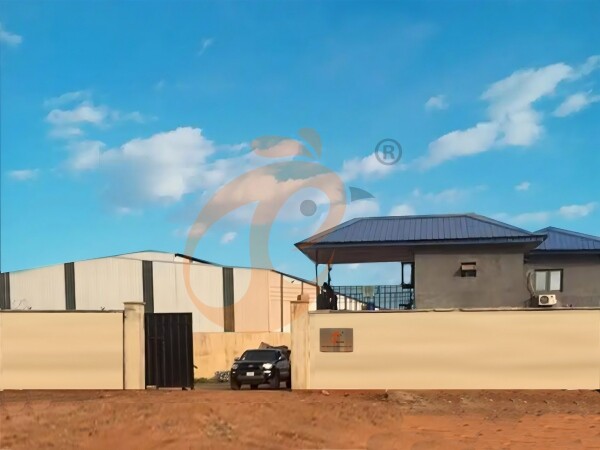
Nigeria Vanke Machinery And Equipment CO., LTD
Tanzania Best Machinery And Equipment CO., LTD
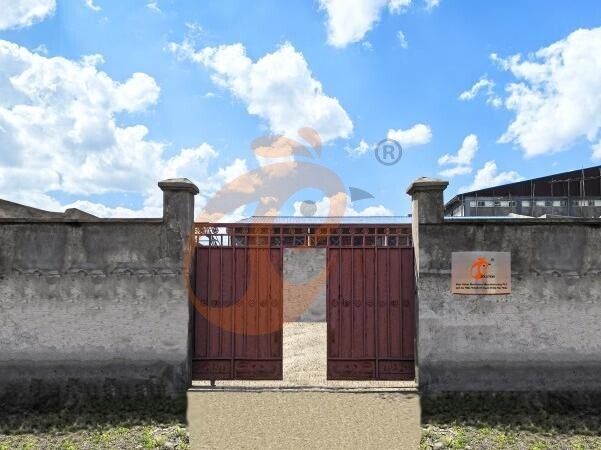
Ethiopia Best Hebei Machinery Manufacturing PLC




Reception /24 WhatsApp NO. : +8618830120193
MESSAGE
Products recommended
 HK Headquarter Offers EU-standard Poultry Farm Solutions, Manufacture Poultry Farm Equipment1. Continuous communication with the EU and the US
2. China, Nigeria, Ethiopia, Tanzania branch companies and factories
3. The products’ quality is customized for local poultry farms
4. Poultry cage and poultry farm equipment stock for sale
5. 24 online reception Whatsapp NO. : +8618830120193,contact us to get full informationRead More China Branch Offer Poultry Farm Business Plan, Manufacture Poultry Farm Equipment1. Address: Flat/RM 2416, 24/F, Runxing Building, Youyi Nan Street, Shijiazhuang City, Hebei Province, China
2. Poultry cage and poultry farm equipment factory and stock for sale
3. Customized for local poultry farms
4. Quality and design are based on Euro
5. 24 online reception Whatsapp NO. : +8618830120193Read More Nigeria Branch Offer Poultry Farm Business Plan, Manufacture Poultry Farm Equipment1. Address: After Sinoma Office, 200 Meters Near Danco Filling Station, Lagos/Ibadan Expressway, Lagos State, Nigeria
2. Poultry cage and poultry farm equipment factory and stock for sale
3. Customized for Nigerian poultry farms
4. Quality and design are based on Euro
5. 24 online reception Whatsapp NO. : +8618830120193Read More Ethiopia Branch Offer Poultry Farm Business Plan, Manufacture Poultry Farm Equipment1. Address: Gelan Gura, Akaki-kaliti Sub City, Addis Ababa, Ethiopia
2. Poultry cage and poultry farm equipment stock for sale
3. Customized for Ethiopian poultry farms
4. Quality and design are based on Euro
5. 24 online reception Whatsapp NO. : +8618830120193, contact us to get price listRead More Tanzania Branch Offer Poultry Farm Business Plan, Manufacture Poultry Farm Equipment1. Address: No.8, Sova Road, Msufini, Mlandizi, Kibaha, Pwani, Tanzania
2. Poultry cage and poultry farm equipment factory and stock for sale
3. Customized for Tanzanian poultry farms
4. Quality and design are based on Euro
5. 24 online reception Whatsapp NO. : +8618830120193Read More Automatic H Type Layer Battery Cage System1. 30,000-100,000+ layers/house chooses it
2. Structure type stacked 3-16 tiers range
3. Stocking density up to 17 birds/cage
4. Service life 25 years
5. Reception /WhatsApp NO. : +8618830120193Read More Automatic A Type Layer Battery Cage System1. 10,000-30,000+ layers/house chooses it
2. Lifespan 25+ years
3. Labor requirement 1 worker per 10,000 birds
4. Reduce disease rates by 15%-20%.
5. Reception /WhatsApp NO. : +8618830120193Read More Semi Automatic A Type Layer Battery Cage System1. 1,00-10,000+ layers/house chooses it
2. Egg breakage rate≤ 0.5%
3. Mesh spacing 2.5×2.5 cm
4. Egg collection floor slope 7–8°
5. Reception /WhatsApp NO. : +8618830120193Read More