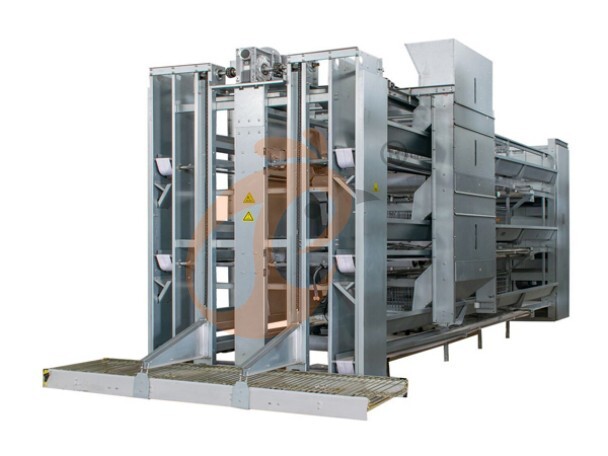
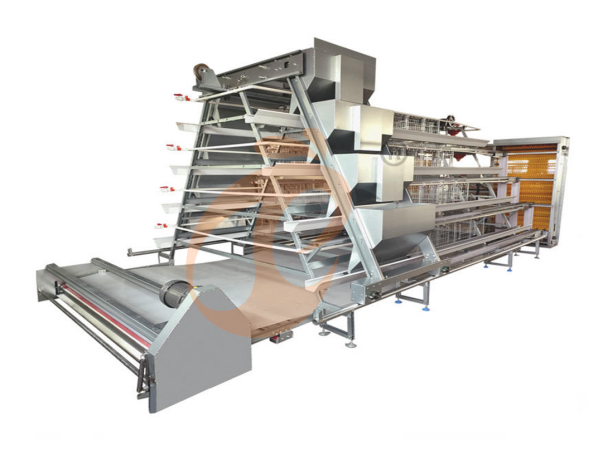
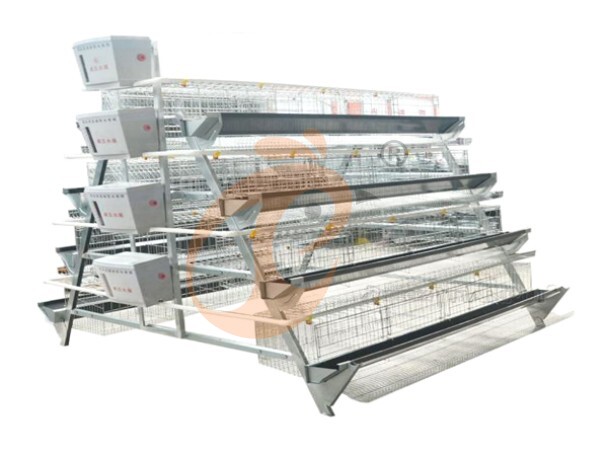
A-type poultry cage systems are rapidly transforming Nigerian poultry farming.
Farmers face rising feed costs, limited land, and growing protein demand.
Floor rearing is traditional but inefficient for modern commercial farms.
Cages allow vertical stacking, reduce labor, and increase egg yield.
Biosecurity and disease control become manageable in A-type setups.
Automation and structured feeding improve operational efficiency significantly.
Clean eggs from cages fetch premium prices in urban and semi-urban markets.
Investing in cages ensures scalable, profitable, and sustainable poultry operations.
Get professional poultry farm construction guidance, equipment selection solutions, and the latest price lists, whatsApp to +8618830120193, +2348111199996, or click to learn more:

Nigeria-China Branch Office And Factory Of Poultry Farm Equipment
Stocking Density And Land Utilization
In Nigeria, land acquisition in poultry hubs like Ogun, Oyo, and Kano states is increasingly expensive.
The floor rearing system is horizontal.A-type cage system uses vertical space efficiently.
Data Insight: Birds Per Square Meter
Floor systems limit birds to floor surface area.
Overcrowding causes heat stress a major risk in Nigeria's tropical climate.
A-type cages allow 3–4 tiers of birds per footprint, maximizing land use.
Data is for reference only. Swipe horizontally to view full table.
Data is for reference only. Swipe horizontally to view full table.
Deep Dive
For commercial farmers, A-type cages produce 5x more eggs on the same land.
This makes vertical cage systems the only viable solution for urban or semi-urban poultry farms.
Feed Conversion Ratio And Feeding Efficiency
Feed constitutes roughly 70–75% of total production costs in Nigeria.
Floor birds move freely, burning energy instead of converting it to eggs.
Feed wastage from scratching and contamination is a silent cost.
Data Insight: Wastage And Metabolic Energy
Caged birds have limited movement, requiring less maintenance energy.
A-type cage troughs reduce feed spillage and loss.
Data is for reference only. Swipe horizontally to view full table.
Data is for reference only. Swipe horizontally to view full table.
Deep Dive
Savings of ₦21.9 million on feed alone can cover part of the initial cage investment.
Feed price volatility in Nigeria makes this efficiency a critical financial buffer.
Disease Control And Biosecurity
Nigeria's tropical climate accelerates pathogen growth.
Floor birds constantly contact droppings, spreading coccidiosis and worms.
Data Insight: Manure Management
In A-type cages, droppings fall below the birds, preventing fecal-oral disease transmission.
Data is for reference only. Swipe horizontally to view full table.
Data is for reference only. Swipe horizontally to view full table.
Deep Dive
Lower mortality preserves potential egg revenue per bird.
Caged birds are cleaner, need fewer antibiotics, and produce safer eggs.
Labor Efficiency And Automation
Labor is a major operational challenge in Nigeria.
Floor systems require manual egg collection, litter management, and feeding.
Data Insight: Man-Hours Per Bird
A-type cages centralize feeding and egg collection, reducing worker movement by 80%.
Data is for reference only. Swipe horizontally to view full table.
Data is for reference only. Swipe horizontally to view full table.
Deep Dive
Reduced staff minimizes internal theft and biosecurity breaches.
Egg Quality And Production Consistency
Clean eggs fetch premium prices.
Floor birds lay on litter, producing dirty or broken eggs.
Data Insight: The Broken Egg Factor
Floor birds may eat eggs; caged birds cannot reach them.
Sloped floors allow eggs to roll away immediately.
Data is for reference only. Swipe horizontally to view full table.
Data is for reference only. Swipe horizontally to view full table.
Environmental Comfort And Bird Welfare
Maintaining optimal temperature, humidity, and airflow is crucial for Nigerian poultry farms.
A-type cages provide better ventilation, reducing heat stress during hot months.
Uniform lighting and air circulation support consistent egg-laying behavior.
Birds in cages show lower stress levels, higher activity consistency, and improved overall health.
Data Insight: Comfort Metrics
Data is for reference only. Swipe horizontally to view full table.
Deep Dive
Improved environmental control directly enhances egg yield and bird welfare.
This factor is increasingly important for premium egg markets in Nigeria and urban areas.
Conclusion: Strategic Verdict For Nigerian Farmers
Floor systems have lower CAPEX but higher OPEX.
For backyard farms, floor rearing suffices.
For sustainable, profitable operations, A-type cages dominate.
Advantages Of A-Type Cages
5x Capacity: Maximize expensive land
15% Feed Saving: Combat high feed prices
Low Mortality: Break Coccidiosis cycle
Labor Savings: Manage 10,000 birds efficiently
Premium Output: Produce clean eggs for premium markets
Frequently Asked Questions
Q1: How much land is required for A-type cage systems?
A1: A-type cages require roughly 25% of the land used in floor systems, saving significant real estate costs.
Q2: Is feed efficiency significantly better in cages?
A2: Yes, feed conversion ratio improves by approximately 0.3-0.4, reducing annual feed costs substantially.
Q3: Does cage rearing reduce disease incidence?
A3: Absolutely. Controlled droppings management and less contact reduce coccidiosis and worm infections.
VANKE - One Of Nigeria Largest Poultry Equipment Manufacturer
Over 20 years of experience supplying poultry cages and farm equipment to Nigerian and West African farms
Full turnkey projects delivered directly from factory to poultry farms in Nigeria
High-quality materials and engineering designed to ensure durability and productivity under Nigerian farm conditions
Provides poultry farm equipment, poultry cage systems, and automation solutions suitable for Nigerian operations
Compliant with international standards, offering real-world tested solutions for egg production in Nigeria
Contact Us To Received Your Customized Poultry Farm Plan
Headquarters And Branchs

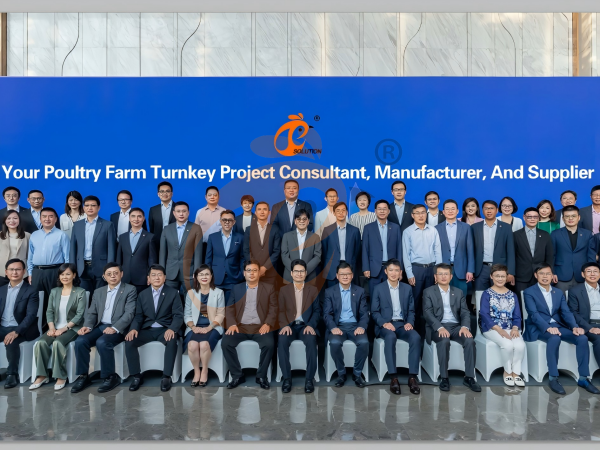
Hong Kong Headquarter Management Team
Hong Kong Headquarter Taiyu Industrial Group CO., LTD
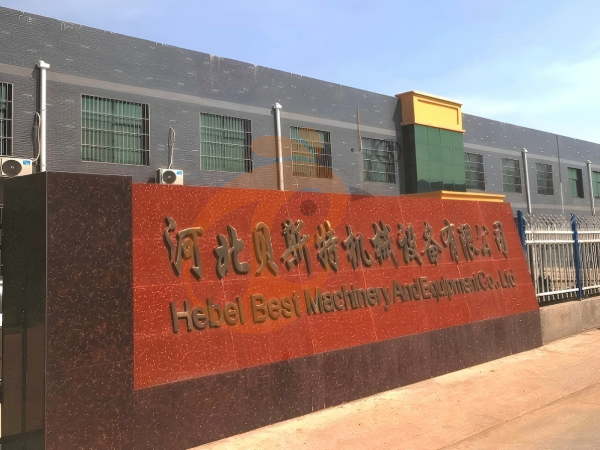
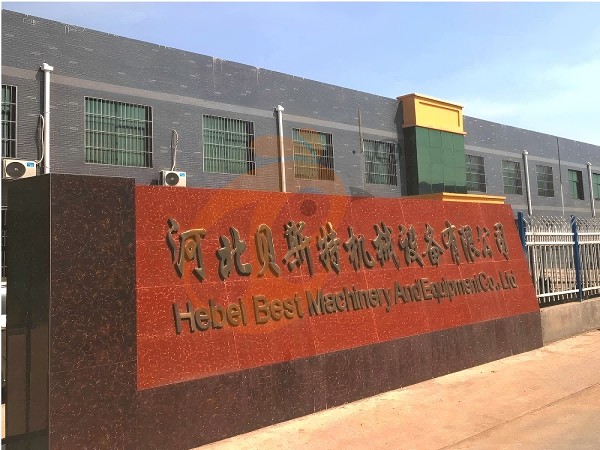
China Hebei Best Machinery And Equipment CO., LTD
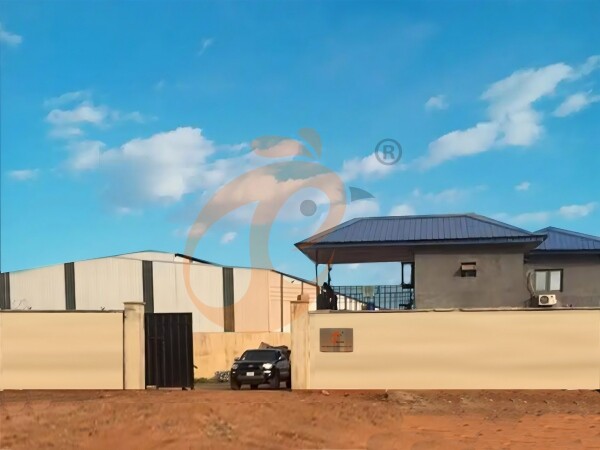
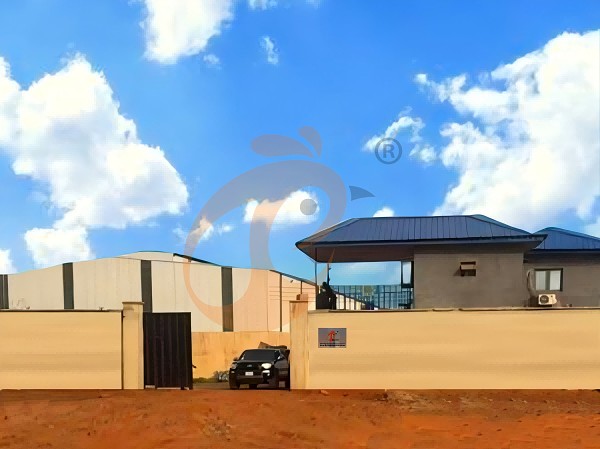
Nigeria Vanke Machinery And Equipment CO., LTD
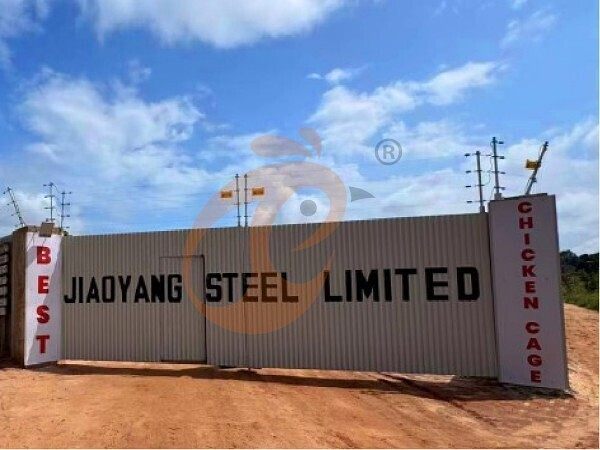
Tanzania Best Machinery And Equipment CO., LTD
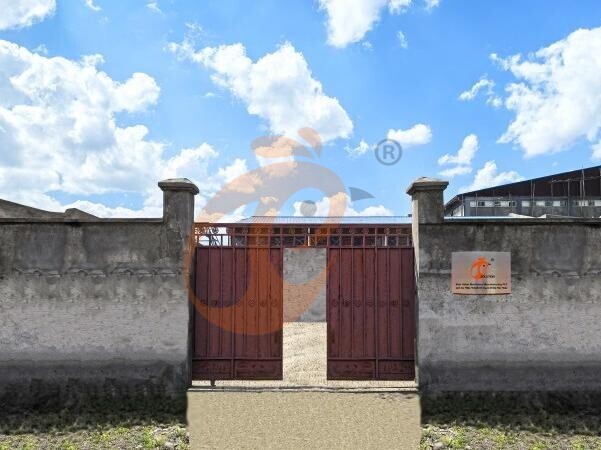
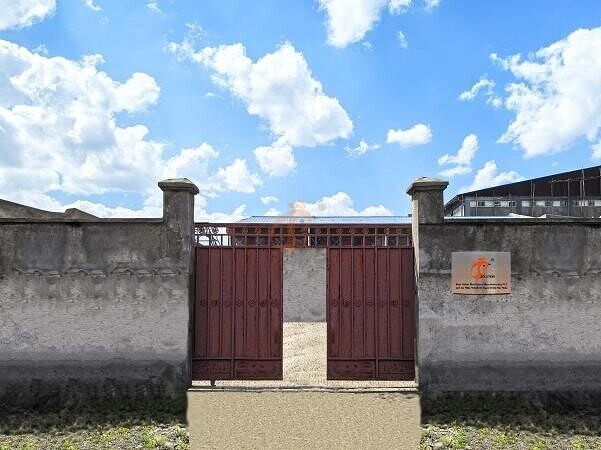
Ethiopia Best Hebei Machinery Manufacturing PLC
Reception /24 WhatsApp NO. : +8618830120193
MESSAGE
Products recommended
 HK Headquarter Offers EU-standard Poultry Farm Solutions, Manufacture Poultry Farm Equipment1. Continuous communication with the EU and the US
2. China, Nigeria, Ethiopia, Tanzania branch companies and factories
3. The products’ quality is customized for local poultry farms
4. Poultry cage and poultry farm equipment stock for sale
5. 24 online reception Whatsapp NO. : +8618830120193,contact us to get full informationRead More China Branch Offer Poultry Farm Business Plan, Manufacture Poultry Farm Equipment1. Address: Flat/RM 2416, 24/F, Runxing Building, Youyi Nan Street, Shijiazhuang City, Hebei Province, China
2. Poultry cage and poultry farm equipment factory and stock for sale
3. Customized for local poultry farms
4. Quality and design are based on Euro
5. 24 online reception Whatsapp NO. : +8618830120193Read More Nigeria Branch Offer Poultry Farm Business Plan, Manufacture Poultry Farm Equipment1. Address: After Sinoma Office, 200 Meters Near Danco Filling Station, Lagos/Ibadan Expressway, Lagos State, Nigeria
2. Poultry cage and poultry farm equipment factory and stock for sale
3. Customized for Nigerian poultry farms
4. Quality and design are based on Euro
5. 24 online reception Whatsapp NO. : +8618830120193Read More Ethiopia Branch Offer Poultry Farm Business Plan, Manufacture Poultry Farm Equipment1. Address: WR93+FQ2, Addis Ababa, Ethiopia
2. Poultry cage and poultry farm equipment stock for sale
3. Customized for Ethiopian poultry farms
4. Quality and design are based on Euro
5. 24 online reception Whatsapp NO. : +8618830120193, contact us to get price listRead More Tanzania Branch Offer Poultry Farm Business Plan, Manufacture Poultry Farm Equipment1. Address: No.8, Sova Road, Msufini, Mlandizi, Kibaha, Pwani, Tanzania
2. Poultry cage and poultry farm equipment factory and stock for sale
3. Customized for Tanzanian poultry farms
4. Quality and design are based on Euro
5. 24 online reception Whatsapp NO. : +8618830120193Read More Automatic H Type Layer Battery Cage System1. 30,000-100,000+ layers/house chooses it
2. Structure type stacked 3-16 tiers range
3. Stocking density up to 17 birds/cage
4. Service life 25 years
5. Reception /WhatsApp NO. : +8618830120193Read More Automatic A Type Layer Battery Cage System1. 10,000-30,000+ layers/house chooses it
2. Lifespan 25+ years
3. Labor requirement 1 worker per 10,000 birds
4. Reduce disease rates by 15%-20%.
5. Reception /WhatsApp NO. : +8618830120193Read More Semi Automatic A Type Layer Battery Cage System1. 1,00-10,000+ layers/house chooses it
2. Egg breakage rate≤ 0.5%
3. Mesh spacing 2.5×2.5 cm
4. Egg collection floor slope 7–8°
5. Reception /WhatsApp NO. : +8618830120193Read More