Average egg production in Ethiopia varies significantly by housing system and management level, with the A type chicken cage becoming a dominant choice for commercial layer farms
A structured layer cage system improves flock uniformity, feed control, and egg collection efficiency
Production data shows measurable differences between traditional floor systems and modern cage housing
Understanding performance indicators helps farms forecast revenue and control operating risks
Get professional poultry farm construction guidance, equipment selection solutions, and the latest price lists, whatsApp to +8618830120193, click to learn more:

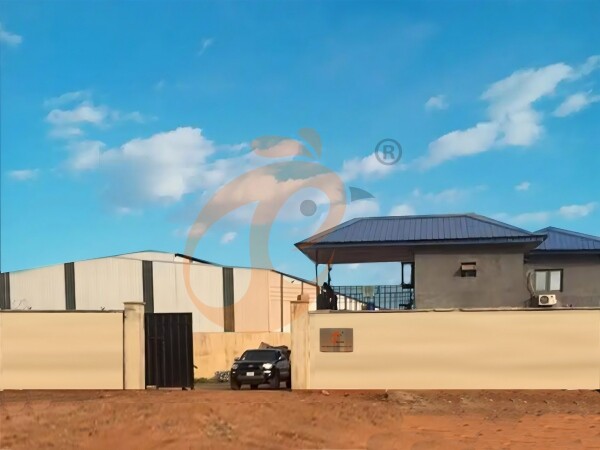
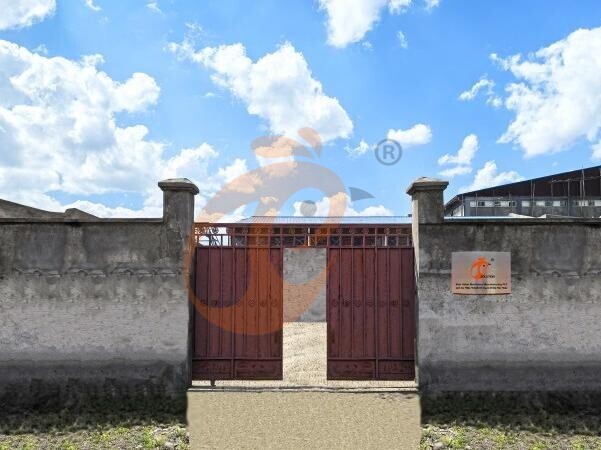
Ethiopia Branch Office And Factory Of Poultry Farm Equipment
Overview Of A Type Chicken Cage Adoption In Ethiopia
Ethiopia's poultry sector has shifted rapidly toward semi-intensive and intensive production models.
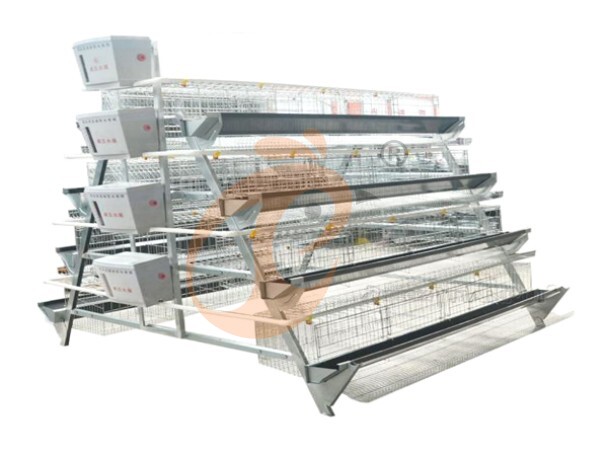
Among available housing options, the A type chicken cage is widely adopted due to its balanced investment cost and proven production stability.
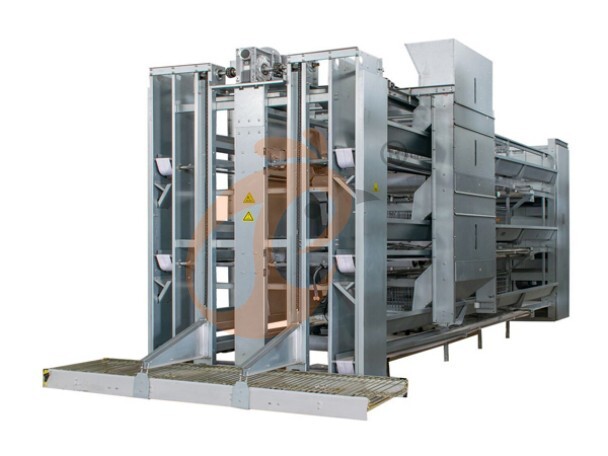
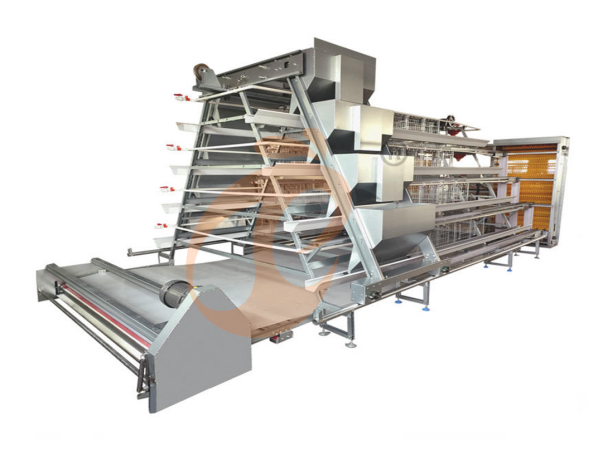
This cage structure allows vertical stacking while maintaining simple manual or semi-automatic operation.
For farms ranging from 5,000 to 30,000 layers, it offers an efficient path toward controlled scaling.
Compared with deep litter systems, a layer cage system improves hygiene, egg cleanliness, and flock health consistency.
Average Egg Production Performance In Ethiopian Cage Farms
Commercial farm data across multiple regions shows that production performance remains stable when birds are properly managed.
Data is for reference only.Swipe horizontally to view full table.
These results confirm that management discipline and cage design directly affect output levels.
Indicator One: Layer Breed Suitability For Cage Housing
In Ethiopia, brown egg layers are preferred due to market acceptance and environmental adaptability.
Data is for reference only.Swipe horizontally to view full table.
Cage-adapted genetics maintain better laying persistence throughout the production cycle.
Indicator Two: Cage Design And Stocking Density
Physical cage structure directly influences bird comfort and egg quality.
Improper stocking density often results in stress and reduced production efficiency.
Data is for reference only.Swipe horizontally to view full table.
Optimized cage design supports stable long-term egg output.
Indicator Three: Feed Conversion And Nutritional Control
A stable feeding program within a layer cage system improves feed utilization and egg output consistency.
Data is for reference only.Swipe horizontally to view full table.
Lower feed conversion ratios are closely associated with higher profit margins.
Indicator Four: Environmental Management Inside Poultry Houses
Even without full automation, basic environmental control improves laying performance.
Ventilation, lighting, and temperature regulation are especially important under warm climate conditions.
Data is for reference only.Swipe horizontally to view full table.
Poor climate control can significantly reduce daily egg output.
Indicator Five: Labor Efficiency And Daily Operations
A type chicken cage systems streamline daily workflows but still rely on trained labor.
Routine inspection, egg collection timing, and sanitation standards all influence final results.
Data is for reference only.Swipe horizontally to view full table.
Efficient labor management improves both productivity and egg grading quality.
Production Stability Over The Full Laying Cycle
Compared with floor systems, cage-housed layers maintain higher production levels deeper into late lay.
This increases total eggs per hen and extends the economic life of the flock.
Data is for reference only.Swipe horizontally to view full table.
The A type chicken cage offers a strong balance between performance and investment cost.
Impact Of Egg Quality And Breakage Control On Final Output
Beyond total egg numbers, egg quality and breakage rate play a critical role in determining real saleable production.
In an A type chicken cage system, proper cage floor angle, smooth wire treatment, and synchronized egg collection significantly reduce cracked and dirty eggs.
Field experience from Ethiopian layer farms shows that improving breakage control from 6% to below 3% can increase marketable eggs by more than 20 eggs per hen per cycle.
This improvement directly enhances cash flow without increasing flock size or feed input, making cage optimization one of the most cost-effective performance upgrades available.
Economic Performance For Ethiopian Layer Farms
When farms exceed 280 eggs per hen per cycle, production cost per egg decreases noticeably.
Most projects recover initial investment within 18–24 months under stable feed pricing.
All cost calculations are typically based on ETB budgets, under EU standards for reference only.
Stable production helps farms manage price fluctuations and market uncertainty.
Frequently Asked Questions
Q1: What is the realistic average egg production rate in Ethiopian A type cages?
A1: Well-managed farms generally achieve between 75% and 88% hen-day production depending on breed and management quality.
Q2: How long can an A type chicken cage system be used?
A2: With proper maintenance, cage systems commonly operate effectively for 25+ years.
Q3: Is an A type cage suitable for medium-scale layer farms?
A3: Yes, it is widely used by farms seeking scalable production without full automation costs.
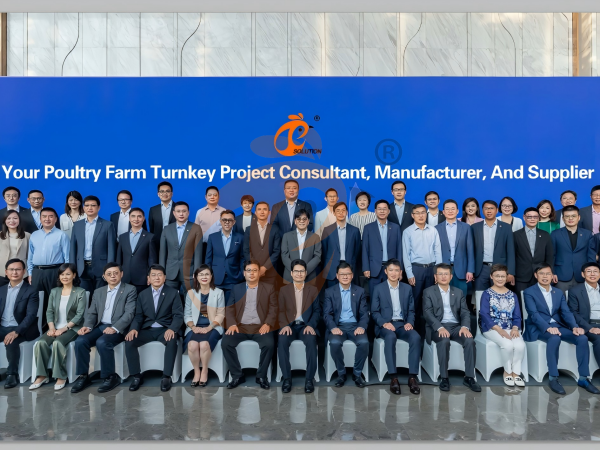
Ethiopia Best Hebei Machinery Manufacturing Plc - One Of Ethiopia Largest Poultry Cage Manufacturer
More than 20 years of manufacturing experience serving global poultry markets
Factory-direct supply covering poultry farm equipment, poultry cage systems, and full turnkey projects
Annual production capacity exceeding 30,000 cage sets with worldwide factory direct delivery
Customized solutions including farm layout design, installation guidance, and after-sales support
Proven project execution across Africa, Asia, and the Middle East under EU standards for reference only
Contact Us To Received Your Customized Poultry Farm Plan
Headquarters And Branchs

Hong Kong Headquarter Management Team
Hong Kong Headquarter Taiyu Industrial Group CO., LTD
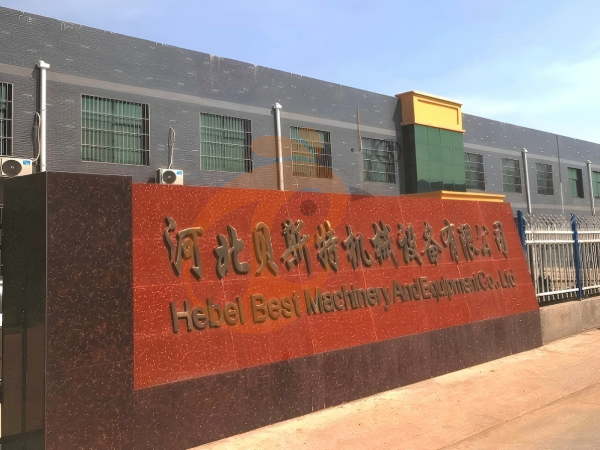
China Hebei Best Machinery And Equipment CO., LTD
Nigeria Vanke Machinery And Equipment CO., LTD
Tanzania Best Machinery And Equipment CO., LTD
Ethiopia Best Hebei Machinery Manufacturing PLC
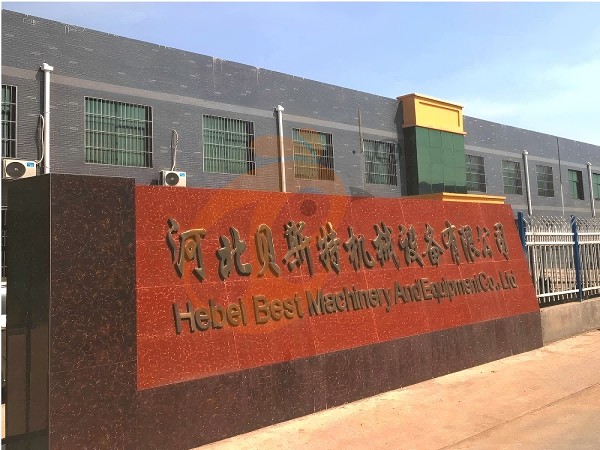
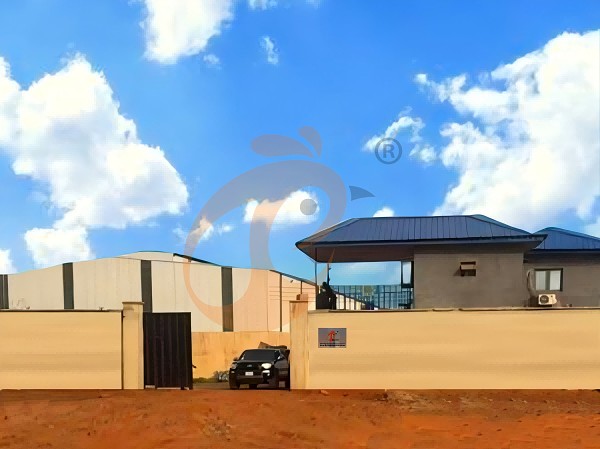
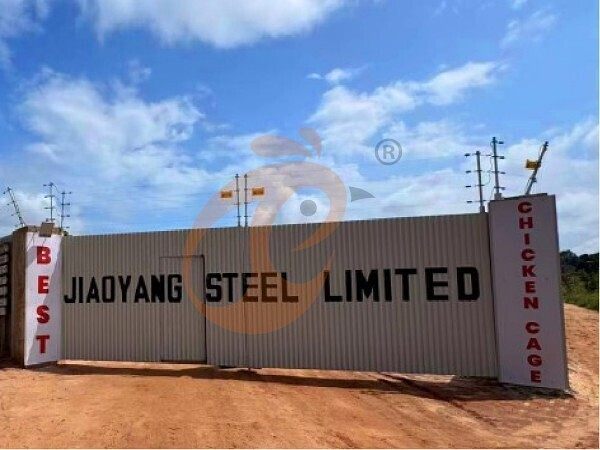
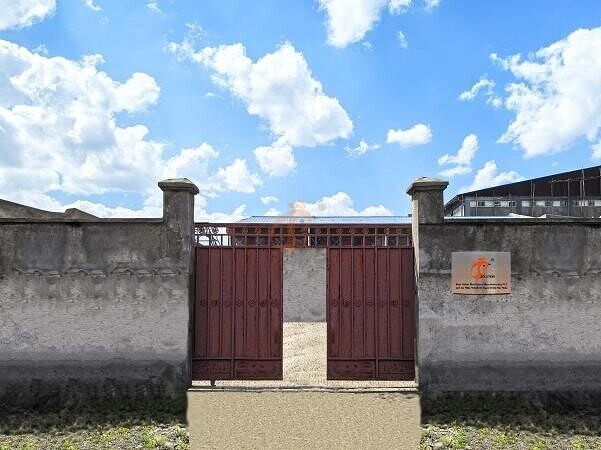
Reception /24 WhatsApp NO. : +8618830120193
MESSAGE
Products recommended
 HK Headquarter Offers EU-standard Poultry Farm Solutions, Manufacture Poultry Farm Equipment1. Continuous communication with the EU and the US
2. China, Nigeria, Ethiopia, Tanzania branch companies and factories
3. The products’ quality is customized for local poultry farms
4. Poultry cage and poultry farm equipment stock for sale
5. 24 online reception Whatsapp NO. : +8618830120193,contact us to get full informationRead More China Branch Offer Poultry Farm Business Plan, Manufacture Poultry Farm Equipment1. Address: Flat/RM 2416, 24/F, Runxing Building, Youyi Nan Street, Shijiazhuang City, Hebei Province, China
2. Poultry cage and poultry farm equipment factory and stock for sale
3. Customized for local poultry farms
4. Quality and design are based on Euro
5. 24 online reception Whatsapp NO. : +8618830120193Read More Nigeria Branch Offer Poultry Farm Business Plan, Manufacture Poultry Farm Equipment1. Address: After Sinoma Office, 200 Meters Near Danco Filling Station, Lagos/Ibadan Expressway, Lagos State, Nigeria
2. Poultry cage and poultry farm equipment factory and stock for sale
3. Customized for Nigerian poultry farms
4. Quality and design are based on Euro
5. 24 online reception Whatsapp NO. : +8618830120193Read More Ethiopia Branch Offer Poultry Farm Business Plan, Manufacture Poultry Farm Equipment1. Address: WR93+FQ2, Addis Ababa, Ethiopia
2. Poultry cage and poultry farm equipment stock for sale
3. Customized for Ethiopian poultry farms
4. Quality and design are based on Euro
5. 24 online reception Whatsapp NO. : +8618830120193, contact us to get price listRead More Tanzania Branch Offer Poultry Farm Business Plan, Manufacture Poultry Farm Equipment1. Address: No.8, Sova Road, Msufini, Mlandizi, Kibaha, Pwani, Tanzania
2. Poultry cage and poultry farm equipment factory and stock for sale
3. Customized for Tanzanian poultry farms
4. Quality and design are based on Euro
5. 24 online reception Whatsapp NO. : +8618830120193Read More Automatic H Type Layer Battery Cage System1. 30,000-100,000+ layers/house chooses it
2. Structure type stacked 3-16 tiers range
3. Stocking density up to 17 birds/cage
4. Service life 25 years
5. Reception /WhatsApp NO. : +8618830120193Read More Automatic A Type Layer Battery Cage System1. 10,000-30,000+ layers/house chooses it
2. Lifespan 25+ years
3. Labor requirement 1 worker per 10,000 birds
4. Reduce disease rates by 15%-20%.
5. Reception /WhatsApp NO. : +8618830120193Read More Semi Automatic A Type Layer Battery Cage System1. 1,00-10,000+ layers/house chooses it
2. Egg breakage rate≤ 0.5%
3. Mesh spacing 2.5×2.5 cm
4. Egg collection floor slope 7–8°
5. Reception /WhatsApp NO. : +8618830120193Read More