Battery cage systems have become a cornerstone of modern poultry farming
High productivity and consistent egg output per hen
Lower operational costs and space-efficient management
Controlled environment reducing disease exposure
Limitations in animal welfare due to restricted movement
Environmental benefits with concentrated waste collection
- Battery cage adoption continues globally, especially in large-scale farms
It provides a reliable system for egg producers while prompting debates on sustainability and welfare
Battery Cage Specifications And Dimensions
Battery cage systems vary in size and configuration depending on production scale and local regulations.
Proper battery cage sizing ensures consistent egg production, reduces aggressive behavior, and facilitates automated cleaning and egg collection.
Globally, battery cage designs are increasingly adapted to meet both productivity and welfare standards.
Data is for reference only.Swipe horizontally to view full table.
Productivity And Egg Output Efficiency
Battery cage systems are designed to maximize egg production per hen.
Controlled feeding, lighting, and space optimization make these systems more efficient than alternative housing.
Battery cage configurations are particularly effective for farms aiming to optimize production while maintaining predictable operational routines.
Data is for reference only.Swipe horizontally to view full table.
Advantages include:
High egg output per hen
Reduced competition and aggression among hens
Automated feeding and egg collection improve efficiency
Disadvantages include:
Limited movement may impact long-term bone health
Reduced ability to perform natural behaviors
Potential welfare concerns in high-density setups
Economic Costs And Operational Efficiency
Battery cage systems offer financial advantages, especially for large-scale operations.
Lower land use, labor savings, and mechanization reduce production costs per 1,000 hens.
Data is for reference only.Swipe horizontally to view full table.
Advantages include:
Lower cost per egg produced
Efficient use of labor and mechanization
Compact space usage reduces infrastructure costs
Disadvantages include:
High upfront investment for enriched battery cage upgrades
Market pressure toward cage-free may affect profitability
Maintenance of automated systems required
Animal Welfare And Behavioral Restrictions
While battery cage systems improve productivity, they restrict natural behaviors such as wing-flapping, nesting, and dust bathing.
Hens in battery cage systems often experience higher rates of osteoporosis and foot deformities due to limited movement.
Data is for reference only.Swipe horizontally to view full table.
Advantages include:
Reduced injuries from pecking
Protection from predators
Controlled grouping improves safety
Disadvantages include:
Limited movement impacts health and welfare
Difficulty performing instinctive behaviors
Higher risk of stress-related issues
Environmental Impact And Resource Utilization
Battery cage farms concentrate waste efficiently, reducing land footprint and water usage compared with barn or free-range systems.
Global data shows IoT-enabled poultry farms reduce mortality by 10–15% and improve feed efficiency by 7–9%.
Data is for reference only.Swipe horizontally to view full table.
Environmental advantages include:
Lower land requirements (up to 80% less than free-range)
Efficient feed-to-egg conversion reducing total emissions
Ability to centralize manure collection
Reduced water usage per egg produced
Easier implementation of controlled climate and ventilation
Disadvantages include:
Higher localized ammonia concentration
Risk of groundwater contamination if manure systems fail
Limited natural behavior space affecting animal welfare
Public perception of "industrialized" farming being environmentally harmful
Dependence on proper management and waste-treatment systems
Food Safety Disease Control And Biosecurity
Battery cage farms minimize disease risk through controlled environments and biosecurity measures.
Salmonella prevalence and parasite rates are typically lower than in free-range systems.
Battery cage automation enables consistent sanitation and egg handling.
Data is for reference only.Swipe horizontally to view full table.
Advantages include:
Reduced exposure to wild birds and rodents
Lower parasite load
Fewer broken eggs entering the supply chain
Consistent cleaning and disinfection cycles
Disadvantages include:
High stocking density increases outbreak risk
Stress-related immunosuppression
Pressure to reduce antibiotic use
FAQ Section
Q1: Are battery cage systems better for egg production than free-range?
A1: Yes, battery cage systems consistently provide higher egg output per hen.
Q2: Do battery cage farms reduce disease risk?
A2: Yes, controlled environments and biosecurity reduce Salmonella and parasite infections.
Q3: Can IoT improve battery cage farm efficiency?
A3: Yes, IoT systems monitor climate, feed, and egg production, improving efficiency 7–15%.
HB BEST - One Of China Biggest Battery Cage Manufacturer
Operates globally with factory direct sales, supplying full poultry farm equipment
Specializes in battery cage, enriched cage, and turnkey poultry projects worldwide
Produces over 50,000 battery cage units annually, servicing farms in 30+ countries
Offers complete poultry farm solutions, including automatic feeding, drinking, and ventilation systems
Provides professional after-sales support and customized farm design with full turnkey implementation
Contact Us To Received Your Customized Poultry Farm Plan
Headquarters And Branchs
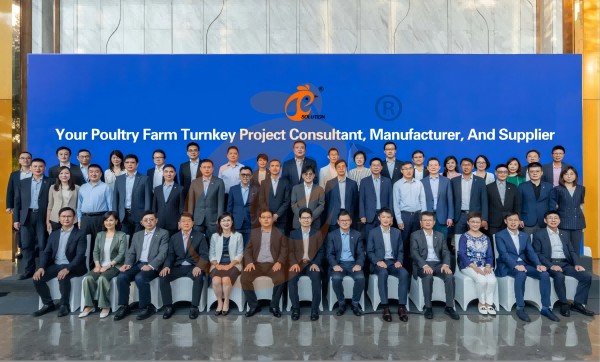
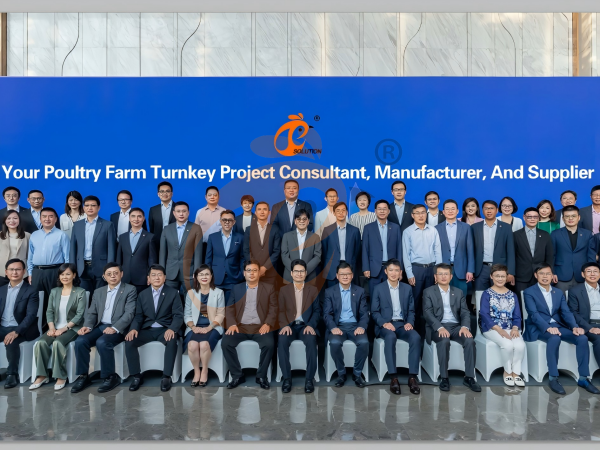
Hong Kong Headquarter Management Team
Hong Kong Headquarter Taiyu Industrial Group CO., LTD
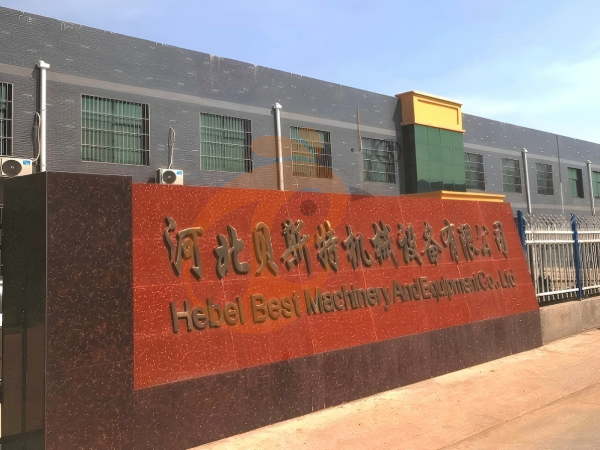
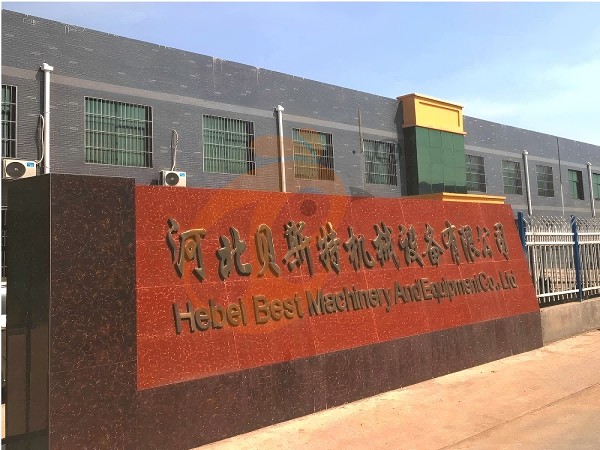
China Hebei Best Machinery And Equipment CO., LTD
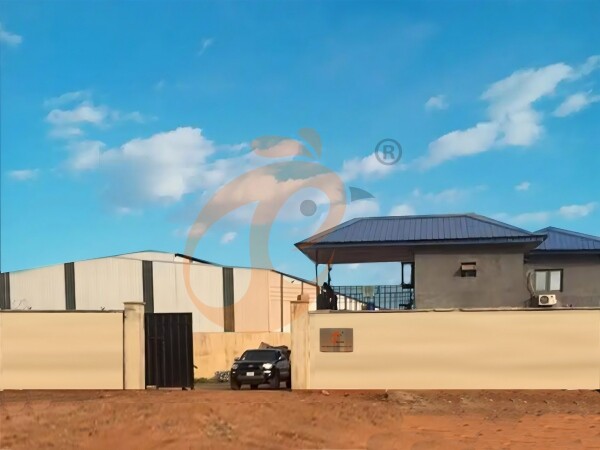
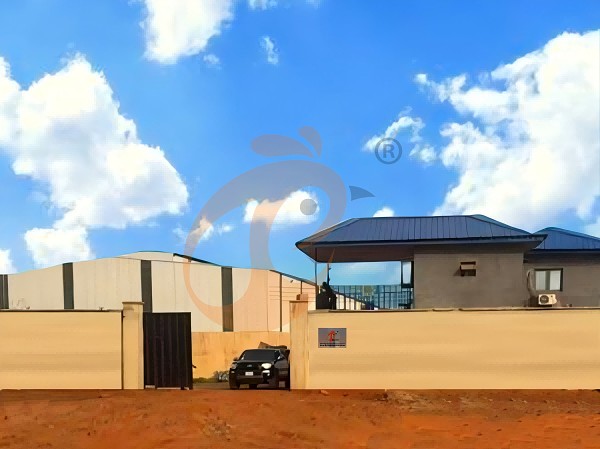
Nigeria Vanke Machinery And Equipment CO., LTD
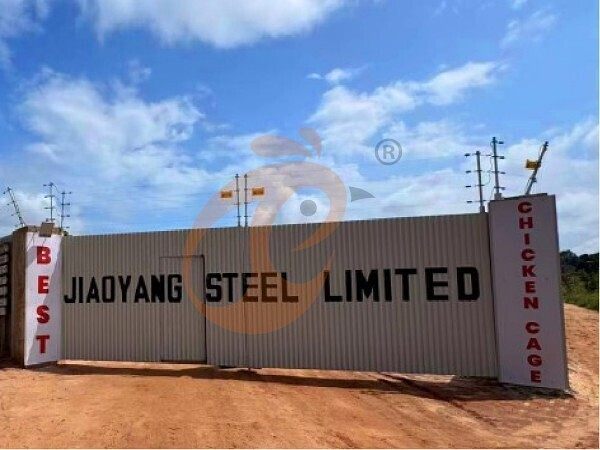
Tanzania Best Machinery And Equipment CO., LTD
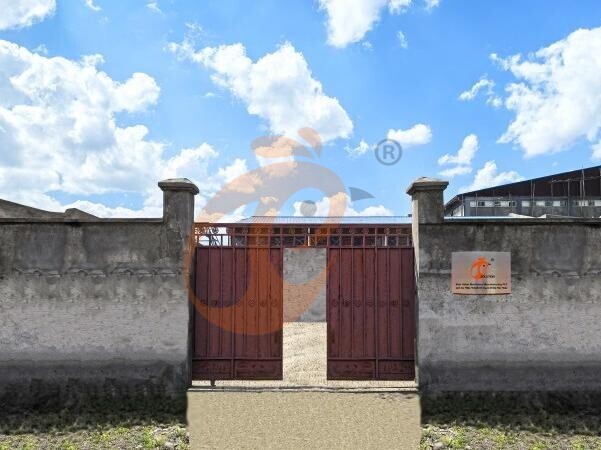
Ethiopia Best Hebei Machinery Manufacturing PLC
Reception /24 WhatsApp NO. : +8618830120193
MESSAGE
Products recommended
 HK Headquarter Offers EU-standard Poultry Farm Solutions, Manufacture Poultry Farm Equipment1. Continuous communication with the EU and the US
2. China, Nigeria, Ethiopia, Tanzania branch companies and factories
3. The products’ quality is customized for local poultry farms
4. Poultry cage and poultry farm equipment stock for sale
5. 24 online reception Whatsapp NO. : +8618830120193,contact us to get full informationRead More China Branch Offer Poultry Farm Business Plan, Manufacture Poultry Farm Equipment1. Address: Flat/RM 2416, 24/F, Runxing Building, Youyi Nan Street, Shijiazhuang City, Hebei Province, China
2. Poultry cage and poultry farm equipment factory and stock for sale
3. Customized for local poultry farms
4. Quality and design are based on Euro
5. 24 online reception Whatsapp NO. : +8618830120193Read More Nigeria Branch Offer Poultry Farm Business Plan, Manufacture Poultry Farm Equipment1. Address: After Sinoma Office, 200 Meters Near Danco Filling Station, Lagos/Ibadan Expressway, Lagos State, Nigeria
2. Poultry cage and poultry farm equipment factory and stock for sale
3. Customized for Nigerian poultry farms
4. Quality and design are based on Euro
5. 24 online reception Whatsapp NO. : +8618830120193Read More Ethiopia Branch Offer Poultry Farm Business Plan, Manufacture Poultry Farm Equipment1. Address: WR93+FQ2, Addis Ababa, Ethiopia
2. Poultry cage and poultry farm equipment stock for sale
3. Customized for Ethiopian poultry farms
4. Quality and design are based on Euro
5. 24 online reception Whatsapp NO. : +8618830120193, contact us to get price listRead More Tanzania Branch Offer Poultry Farm Business Plan, Manufacture Poultry Farm Equipment1. Address: No.8, Sova Road, Msufini, Mlandizi, Kibaha, Pwani, Tanzania
2. Poultry cage and poultry farm equipment factory and stock for sale
3. Customized for Tanzanian poultry farms
4. Quality and design are based on Euro
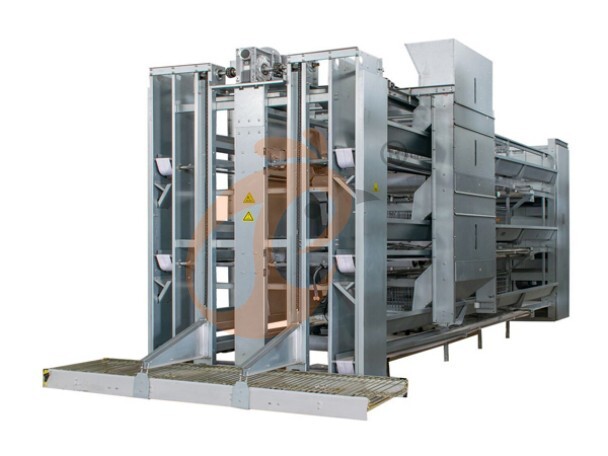
5. 24 online reception Whatsapp NO. : +8618830120193Read More Automatic H Type Layer Battery Cage System1. 30,000-100,000+ layers/house chooses it
2. Structure type stacked 3-16 tiers range
3. Stocking density up to 17 birds/cage
4. Service life 25 years
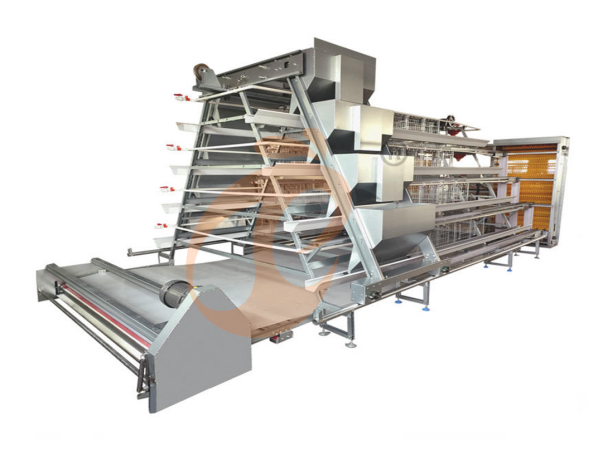
5. Reception /WhatsApp NO. : +8618830120193Read More Automatic A Type Layer Battery Cage System1. 10,000-30,000+ layers/house chooses it
2. Lifespan 25+ years
3. Labor requirement 1 worker per 10,000 birds
4. Reduce disease rates by 15%-20%.
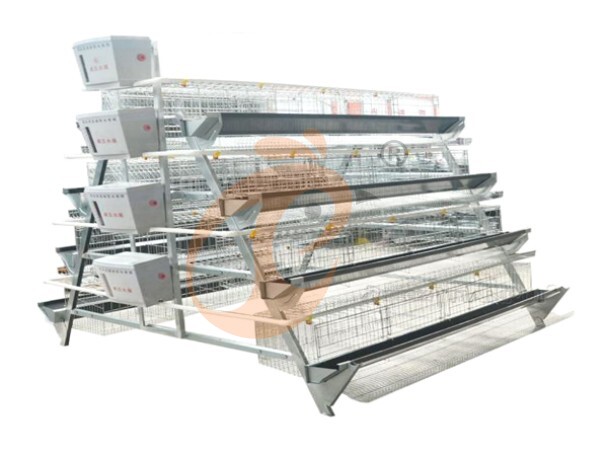
5. Reception /WhatsApp NO. : +8618830120193Read More Semi Automatic A Type Layer Battery Cage System1. 1,00-10,000+ layers/house chooses it
2. Egg breakage rate≤ 0.5%
3. Mesh spacing 2.5×2.5 cm
4. Egg collection floor slope 7–8°
5. Reception /WhatsApp NO. : +8618830120193Read More