Daily feed consumption in an A type chicken cage system for layers in Ethiopia is a core metric affecting cost control and egg output.
Accurate intake planning supports stable production under Ethiopia's diverse climates and feed supply conditions.
Automated cage systems improve feeding precision, reduce waste, and stabilize flock performance.
Understanding intake variations helps farms forecast feed budgets and profitability.
Get professional poultry farm construction guidance, equipment selection solutions, and the latest price lists, whatsApp to +8618830120193, click to learn more:

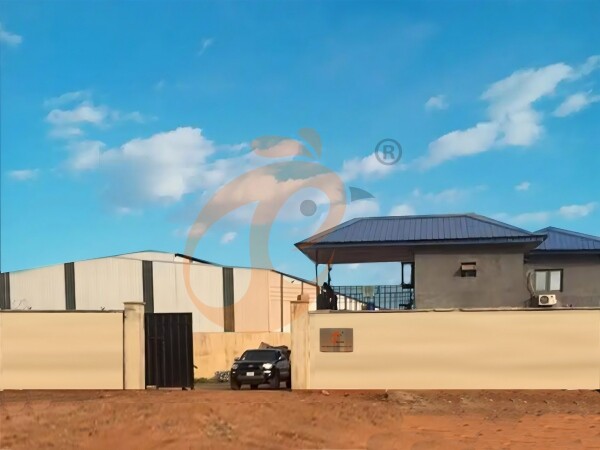
Ethiopia Branch Office And Factory Of Poultry Farm Equipment
Structural Advantages: How A Type Cages Optimize Feeding Behavior
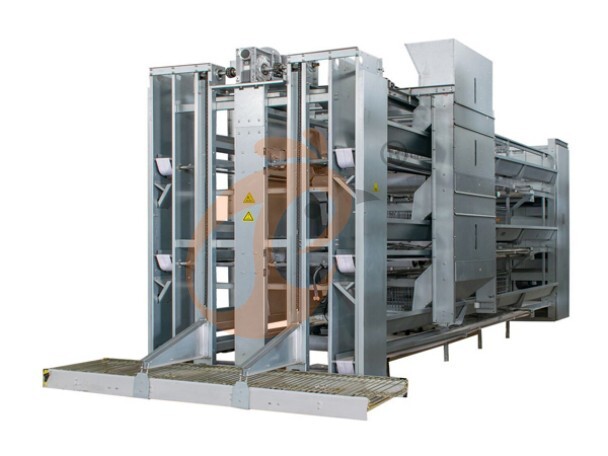
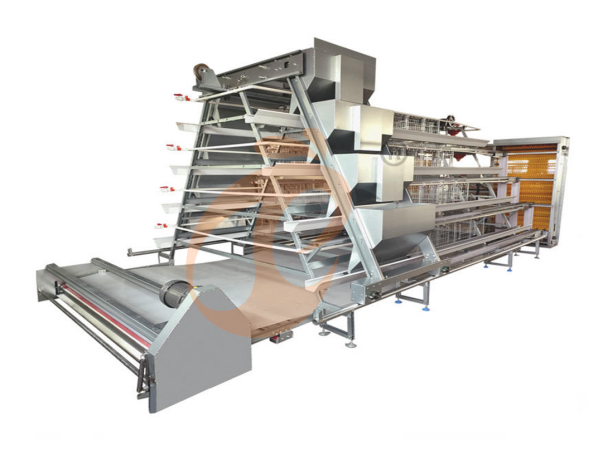
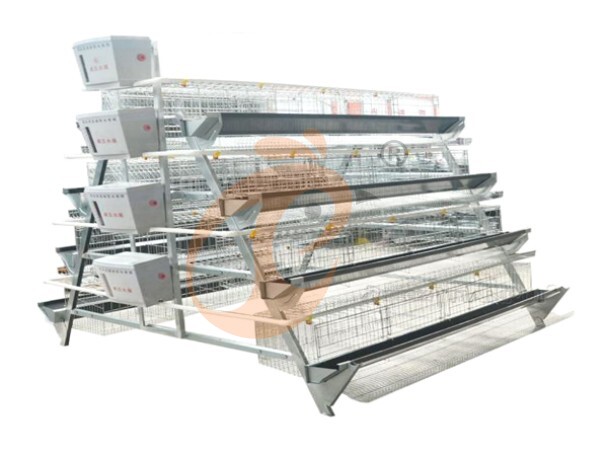
The A type chicken cage system is designed to convert space efficiency into feeding efficiency.
Tiered cage layouts reduce competition at the feeder, limit unnecessary movement, and support uniform access to feed.
In Ethiopia's mid- and high-altitude regions, airflow and ventilation are critical to maintaining appetite and metabolic balance.
Data is for reference only.Swipe horizontally to view full table.
Estimate One: Lifecycle Step Feeding Strategy
Feed consumption is not static throughout a layer's life.
This approach prevents underfeeding during peak lay and avoids excess body weight during late production.
Data is for reference only.Swipe horizontally to view full table.
Estimate Two: Climate Influence On Feed Intake In Ethiopia
Ethiopia's geography ranges from cool highlands to hot lowland zones.
A type cage systems mitigate part of this effect through ventilation, but intake adjustments are still required.
Data is for reference only.Swipe horizontally to view full table.
Estimate Three: Feed Energy Density And Intake Regulation
Layers regulate consumption primarily according to dietary energy.
When local raw materials such as sorghum partially replace maize, metabolizable energy and fiber levels change, influencing intake volume.
Understanding this negative feedback mechanism is essential for Ethiopian farms using variable ingredient sources.
Data is for reference only.Swipe horizontally to view full table.
Estimate Four: Physical Feed Loss From Feeding Equipment
Measured intake often includes wasted feed.
Tray depth, feeder angle, and delivery accuracy determine actual consumption.
In A type cage systems, optimized feeder design can save significant annual costs at scale.
Data is for reference only.Swipe horizontally to view full table.
All monetary values are based on Ethiopia birr and European union standards for reference only.
Estimate Five: Economic Conversion From Intake To Profitability
The ultimate goal of feed intake control is cost per egg.
In Ethiopia, calculating feed cost per dozen eggs provides a clear indicator of system efficiency and return on investment when using an A type chicken cage system.
Data is for reference only.Swipe horizontally to view full table.
All monetary values are based on Ethiopia birr and European union standards for reference only.
Water Quality And Its Hidden Impact On Feed Intake
Water intake and feed intake are physiologically linked.
In arid Ethiopian regions, high mineral content or salinity in water can suppress appetite.
A type cage systems using nipple drinkers require precise pressure regulation to ensure adequate water delivery.
Data is for reference only.Swipe horizontally to view full table.
Equipment Upgrade Solutions For Precision Feeding
Selecting appropriate equipment is the first step toward precision feeding.
Advanced A type cage configurations integrate weighing sensors and low loss feeder designs, helping Ethiopian farms stabilize intake under fluctuating feed prices.
Data is for reference only.Swipe horizontally to view full table.
Frequently Asked Questions
Q1: What is the average daily feed intake for layers in Ethiopia?
A1: The average daily feed intake is about 108 g to 112 g per bird during peak laying under moderate climate conditions.
Q2: How does temperature affect feed consumption in A type cages?
A2: Higher temperatures reduce appetite, with intake dropping approximately 1.5 % to 2 % for each 1 °C increase.
Q3: Why does feeder design matter for daily intake calculations?
A3: Poor feeder design increases spillage, causing false intake data and higher feed costs without production gains.
Ethiopia Best Hebei Machinery Manufacturing Plc - One Of Ethiopia Largest Poultry Cage Manufacturer
Over 20 years manufacturing experience with more than 80 production engineers
Annual output exceeding 30000 poultry cage sets supplied worldwide
Direct factory sales model serving Africa, Asia, Europe, and South America
Complete poultry farm equipment solutions including poultry cage systems and feeding lines
Turnkey poultry farm projects covering design, installation, and technical training
Contact Us To Received Your Customized Poultry Farm Plan
Headquarters And Branchs

Hong Kong Headquarter Management Team
Hong Kong Headquarter Taiyu Industrial Group CO., LTD
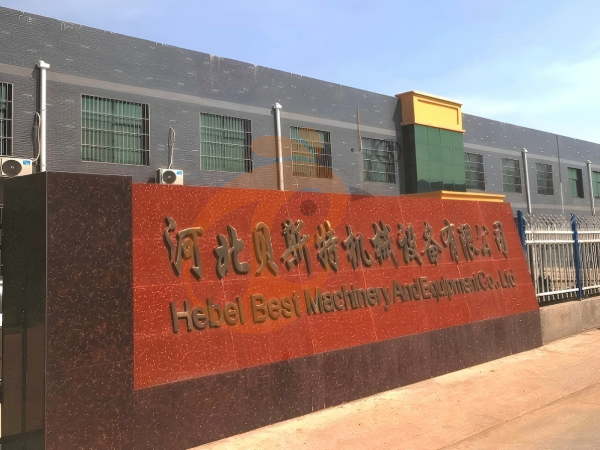
China Hebei Best Machinery And Equipment CO., LTD
Nigeria Vanke Machinery And Equipment CO., LTD
Tanzania Best Machinery And Equipment CO., LTD
Ethiopia Best Hebei Machinery Manufacturing PLC




Reception /24 WhatsApp NO. : +8618830120193
MESSAGE
Products recommended
 HK Headquarter Offers EU-standard Poultry Farm Solutions, Manufacture Poultry Farm Equipment1. Continuous communication with the EU and the US
2. China, Nigeria, Ethiopia, Tanzania branch companies and factories
3. The products’ quality is customized for local poultry farms
4. Poultry cage and poultry farm equipment stock for sale
5. 24 online reception Whatsapp NO. : +8618830120193,contact us to get full informationRead More China Branch Offer Poultry Farm Business Plan, Manufacture Poultry Farm Equipment1. Address: Flat/RM 2416, 24/F, Runxing Building, Youyi Nan Street, Shijiazhuang City, Hebei Province, China
2. Poultry cage and poultry farm equipment factory and stock for sale
3. Customized for local poultry farms
4. Quality and design are based on Euro
5. 24 online reception Whatsapp NO. : +8618830120193Read More Nigeria Branch Offer Poultry Farm Business Plan, Manufacture Poultry Farm Equipment1. Address: After Sinoma Office, 200 Meters Near Danco Filling Station, Lagos/Ibadan Expressway, Lagos State, Nigeria
2. Poultry cage and poultry farm equipment factory and stock for sale
3. Customized for Nigerian poultry farms
4. Quality and design are based on Euro
5. 24 online reception Whatsapp NO. : +8618830120193Read More Ethiopia Branch Offer Poultry Farm Business Plan, Manufacture Poultry Farm Equipment1. Address: WR93+FQ2, Addis Ababa, Ethiopia
2. Poultry cage and poultry farm equipment stock for sale
3. Customized for Ethiopian poultry farms
4. Quality and design are based on Euro
5. 24 online reception Whatsapp NO. : +8618830120193, contact us to get price listRead More Tanzania Branch Offer Poultry Farm Business Plan, Manufacture Poultry Farm Equipment1. Address: No.8, Sova Road, Msufini, Mlandizi, Kibaha, Pwani, Tanzania
2. Poultry cage and poultry farm equipment factory and stock for sale
3. Customized for Tanzanian poultry farms
4. Quality and design are based on Euro
5. 24 online reception Whatsapp NO. : +8618830120193Read More Automatic H Type Layer Battery Cage System1. 30,000-100,000+ layers/house chooses it
2. Structure type stacked 3-16 tiers range
3. Stocking density up to 17 birds/cage
4. Service life 25 years
5. Reception /WhatsApp NO. : +8618830120193Read More Automatic A Type Layer Battery Cage System1. 10,000-30,000+ layers/house chooses it
2. Lifespan 25+ years
3. Labor requirement 1 worker per 10,000 birds
4. Reduce disease rates by 15%-20%.
5. Reception /WhatsApp NO. : +8618830120193Read More Semi Automatic A Type Layer Battery Cage System1. 1,00-10,000+ layers/house chooses it
2. Egg breakage rate≤ 0.5%
3. Mesh spacing 2.5×2.5 cm
4. Egg collection floor slope 7–8°
5. Reception /WhatsApp NO. : +8618830120193Read More