Ethiopia Chicken Farming For Beginners: Startup Cost, Management, And Profit
Ethiopia chicken farming is seeing strong demand and high potential for both meat and eggs.
Beginners can launch a poultry business using well‑estimated capital, sound infrastructure, and efficient processes.
Smart farm control (IoT) and biosecurity drive higher productivity and lower mortality.
Profitability hinges on feed efficiency, scale, market price, and smart management.
Startup Cost For Ethiopia Chicken Farming
Starting an Ethiopia chicken farming venture requires careful budgeting of capital expenditures (CAPEX) and working capital. A beginner raising 1,200 broiler birds might face the following cost structure:
Data is for reference only. Swipe horizontally to view full table.
This cost estimate supports a small to medium-scale Ethiopia chicken farming setup. Having a clear CAPEX plan helps beginners avoid undercapitalization.
Housing And Environmental Management
In Ethiopia chicken farming, optimal housing ensures healthy growth and productivity. Good design prevents heat stress, disease, and mortality.
You should consider:
Using a well-ventilated coop with controlled airflow
Maintaining proper floor space per bird
Controlling temperature and light
Data is for reference only. Swipe horizontally to view full table.
Good housing in Ethiopia chicken farming reduces stress, lowers mortality (especially in hot Ethiopian climates), and improves feed conversion.
Feeding Strategy
Feed is the biggest ongoing cost in Ethiopia chicken farming, often exceeding 60% of operational expenditure. Careful nutrition planning is critical.
A simple feeding program:
Use a high-protein starter phase for the first 3–4 weeks
Transition to a grower feed once birds reach about 1 kg
Use a finisher feed before slaughter (or layer feed if raising layers)
Data is for reference only. Swipe horizontally to view full table.
In rural Ethiopia chicken farming systems, many farmers use home-mixed rations made from maize and local legumes, but optimized commercial or semi-commercial rations yield better weight gain.
Providing clean drinking water and micronutrient supplements supports gut health and lowers the risk of disease.
Health Management
Disease prevention is central to profitability in Ethiopia chicken farming. Without biosecurity, farms risk high mortality and poor productivity.
Key practices:
Schedule regular vaccinations (Newcastle, Infectious Bronchitis, Fowl Pox)
Maintain footbaths and disinfectant at entrance points
Monitor bird health daily and isolate any sick chickens
Data is for reference only. Swipe horizontally to view full table.
In Ethiopia chicken farming, smallholder systems often face disease due to lack of veterinary access; switching to a controlled intensive system lowers these risks dramatically.
Farm Management & Labor
Efficient management in Ethiopia chicken farming ensures operations run smoothly and profitably.
Key roles and practices:
Assign workers for feeding, watering, cleaning, and observation
Keep daily records (mortality, feed used, growth)
Train staff in simple biosecurity and disease recognition
Data is for reference only. Swipe horizontally to view full table.
As Ethiopia chicken farming scales up, the labor cost per bird declines. Automated feeding and watering systems further reduce manual labor and error.
Smart Farm (IoT) Control System
Modern Ethiopia chicken farming increasingly leverages IoT to boost efficiency, improve welfare, and reduce costs.
Common IoT solutions include:
Sensors for temperature, humidity, and ammonia
Automated feeders and drinkers controlled via cloud platform
Real-time alerts for environmental deviations
Data is for reference only. Swipe horizontally to view full table.
By adopting smart farm control, Ethiopia chicken farming achieves higher uniformity in growth, lower feed waste, and lower mortality. These IoT investments can pay off within 12–18 months.
Case Study: Emerging Poultry Farm In Oromia
The farm uses 3,000 broiler birds per batch, with imported hybrid chicks.
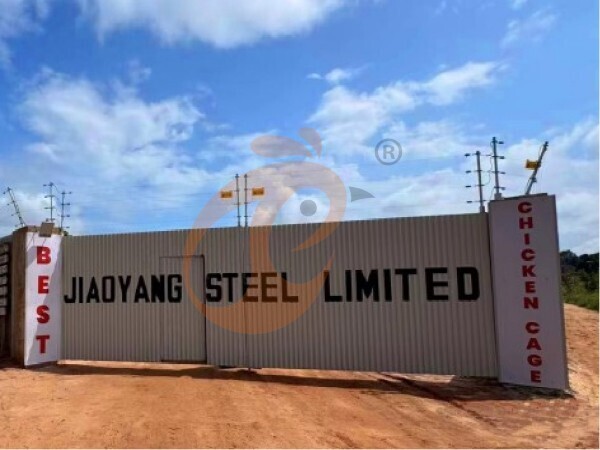
They installed cage systems and smart IoT controls sourced through Best Hebei Machinery Manufacturing Plc (China‑Ethiopia Branch) in Addis Ababa.
With automated feeding and real-time climate sensors, their feed conversion ratio improved from 1.9 to 1.75 kg feed per kg gain.
Mortality rate dropped to 3% per cycle thanks to better temperature monitoring and biosecurity.
The flock reached an average live weight of 2.4 kg in 55 days, which is higher than many local small-scale farms.
This case shows how well‑planned infrastructure and tech can significantly boost production in Ethiopia chicken farming.
Profit Estimation For Ethiopia Chicken Farming
Estimating profit helps beginners understand potential returns in Ethiopia chicken farming. Below is a rough profit calculation for a 1,200‑bird broiler cycle, assuming 55‑day grow-out and 3% mortality.
Data is for reference only. Swipe horizontally to view full table.
With Ethiopia chicken farming, profitability improves as you scale, reduce mortality, optimize IoT efficiencies, and negotiate better input prices.
IoT System Return On Investment (ROI)
Beyond direct production gains, IoT systems in Ethiopia chicken farming deliver quantifiable returns.
Data is for reference only. Swipe horizontally to view full table.
These numbers show that Ethiopia chicken farming powered by smart control not only improves welfare but also lowers costs significantly over time.
Frequently Asked Questions (FAQ)
Q1: How many cycles per year can I run in Ethiopia chicken farming?
A1: With broiler chickens in Ethiopia, you can run about 6 to 7 cycles per year (assuming 55–60 days per cycle + cleaning time).
Q2: Is it better to raise broilers or layers for a new Ethiopia chicken farming business?
A2: That depends on your goals. Broilers offer faster returns but require more feed; layers produce eggs over a long period and may give more stable cash flow.
Q3: Do I really need IoT in my Ethiopia chicken farming to make a profit?
A3: While not strictly required, IoT controls help reduce feed waste, lower mortality, and improve growth uniformity, which boosts profitability and scale potential.
Best Hebei Machinery - One Of Largest Ethiopia Chicken Farming Supplier
Best Hebei Machinery Manufacturing Plc (China‑Ethiopia Branch), based in Addis Ababa (WR93+FQ2), specializes in Ethiopia chicken farming turnkey solutions:
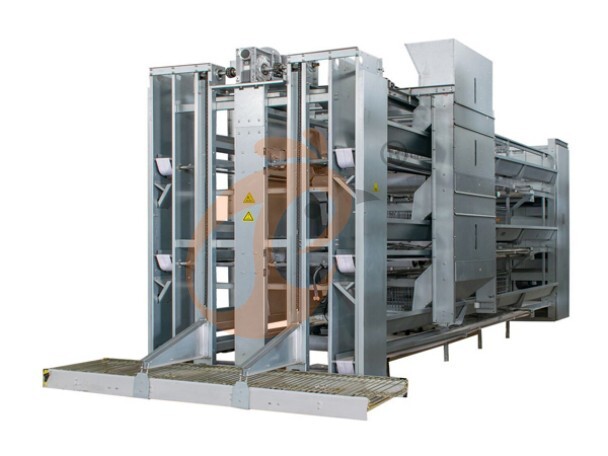
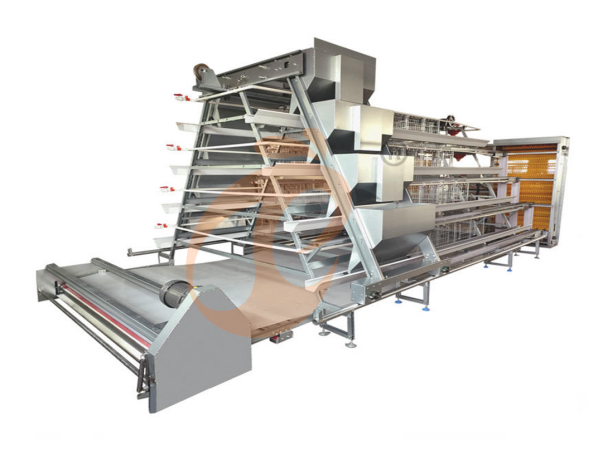
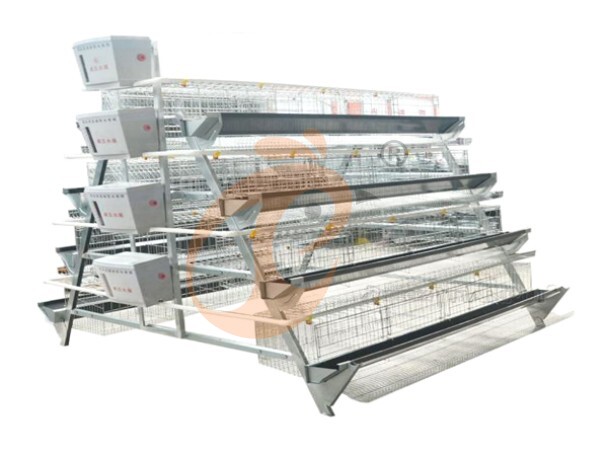
We supply high-quality poultry farm equipment, including chicken cages, feeding & watering systems, and smart‑farm control systems.
We handle local production, sales, delivery, and installation, so your Ethiopia chicken farming project is truly plug-and-play.
We'd love to support your journey into Ethiopia chicken farming:
Ask us about customized farm layouts
Explore IoT-enabled smart systems for better ROI
Schedule a consultation or farm visit
You're welcome to reach out to start planning or to request a quote
Contact Us To Received Your Customized Poultry Farm Plan
Headquarters And Branchs

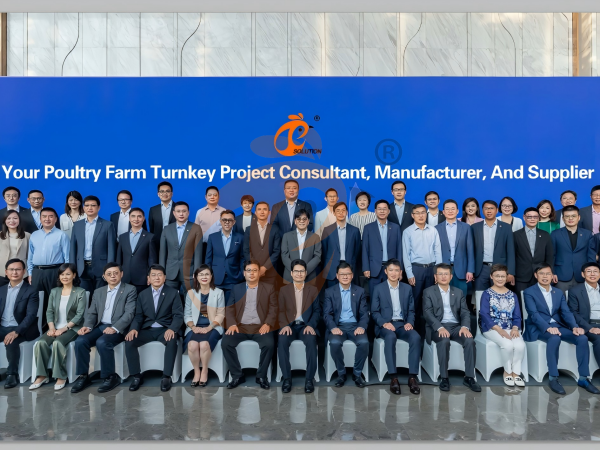
Hong Kong Headquarter Management Team
Hong Kong Headquarter Taiyu Industrial Group CO., LTD
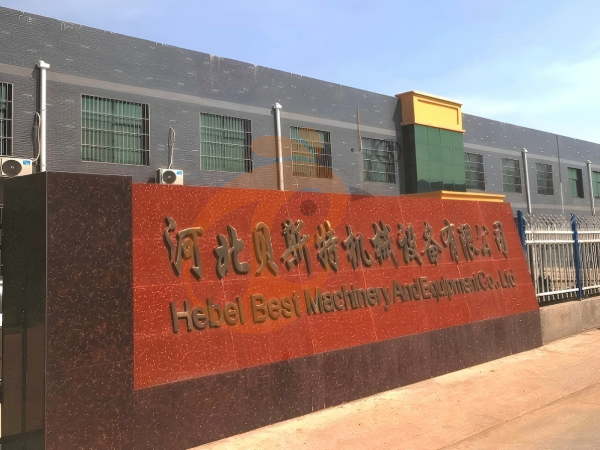
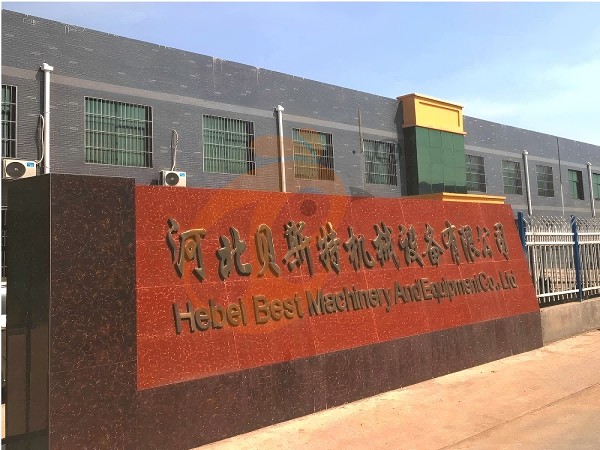
China Hebei Best Machinery And Equipment CO., LTD
Nigeria Vanke Machinery And Equipment CO., LTD
Tanzania Best Machinery And Equipment CO., LTD
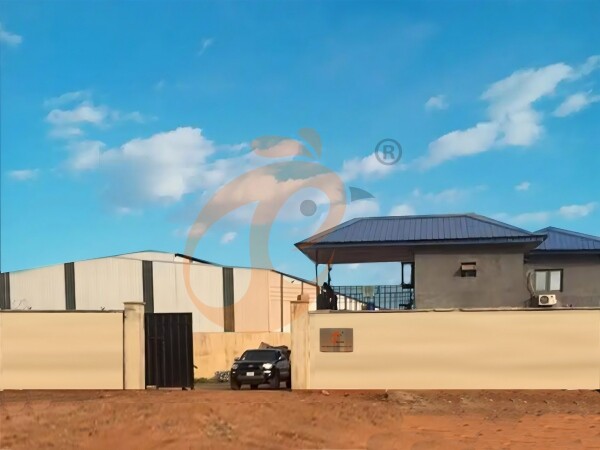
Ethiopia Best Hebei Machinery Manufacturing PLC


Reception /24 WhatsApp NO. : +8618830120193
MESSAGE
Products recommended
 HK Headquarter Offers EU-standard Poultry Farm Solutions, Manufacture Poultry Farm Equipment1. Continuous communication with the EU and the US
2. China, Nigeria, Ethiopia, Tanzania branch companies and factories
3. The products’ quality is customized for local poultry farms
4. Poultry cage and poultry farm equipment stock for sale
5. 24 online reception Whatsapp NO. : +8618830120193,contact us to get full informationRead More China Branch Offer Poultry Farm Business Plan, Manufacture Poultry Farm Equipment1. Address: Flat/RM 2416, 24/F, Runxing Building, Youyi Nan Street, Shijiazhuang City, Hebei Province, China
2. Poultry cage and poultry farm equipment factory and stock for sale
3. Customized for local poultry farms
4. Quality and design are based on Euro
5. 24 online reception Whatsapp NO. : +8618830120193Read More Nigeria Branch Offer Poultry Farm Business Plan, Manufacture Poultry Farm Equipment1. Address: After Sinoma Office, 200 Meters Near Danco Filling Station, Lagos/Ibadan Expressway, Lagos State, Nigeria
2. Poultry cage and poultry farm equipment factory and stock for sale
3. Customized for Nigerian poultry farms
4. Quality and design are based on Euro
5. 24 online reception Whatsapp NO. : +8618830120193Read More Ethiopia Branch Offer Poultry Farm Business Plan, Manufacture Poultry Farm Equipment1. Address: WR93+FQ2, Addis Ababa, Ethiopia
2. Poultry cage and poultry farm equipment stock for sale
3. Customized for Ethiopian poultry farms
4. Quality and design are based on Euro
5. 24 online reception Whatsapp NO. : +8618830120193, contact us to get price listRead More Tanzania Branch Offer Poultry Farm Business Plan, Manufacture Poultry Farm Equipment1. Address: No.8, Sova Road, Msufini, Mlandizi, Kibaha, Pwani, Tanzania
2. Poultry cage and poultry farm equipment factory and stock for sale
3. Customized for Tanzanian poultry farms
4. Quality and design are based on Euro
5. 24 online reception Whatsapp NO. : +8618830120193Read More Automatic H Type Layer Battery Cage System1. 30,000-100,000+ layers/house chooses it
2. Structure type stacked 3-16 tiers range
3. Stocking density up to 17 birds/cage
4. Service life 25 years
5. Reception /WhatsApp NO. : +8618830120193Read More Automatic A Type Layer Battery Cage System1. 10,000-30,000+ layers/house chooses it
2. Lifespan 25+ years
3. Labor requirement 1 worker per 10,000 birds
4. Reduce disease rates by 15%-20%.
5. Reception /WhatsApp NO. : +8618830120193Read More Semi Automatic A Type Layer Battery Cage System1. 1,00-10,000+ layers/house chooses it
2. Egg breakage rate≤ 0.5%
3. Mesh spacing 2.5×2.5 cm
4. Egg collection floor slope 7–8°
5. Reception /WhatsApp NO. : +8618830120193Read More