Ethiopia chicken farming equipment demand is accelerating as national poultry output is projected to reach 90,900 metric tons by 2028, driven by population growth and urban protein consumption
More than 80% of poultry production still relies on backyard scavenging systems, creating a major efficiency gap
Commercial farms are shifting toward intensive systems to achieve FCR levels of 1.7–1.9 and mortality below 5%
Integrated Ethiopia chicken farming equipment enables precise control of feeding, housing, climate, and waste
Investors increasingly favor standardized systems that reduce labor dependency and stabilize output
Get professional poultry farm construction guidance, equipment selection solutions, and the latest price lists, whatsApp to : +8618830120193, click to learn more:

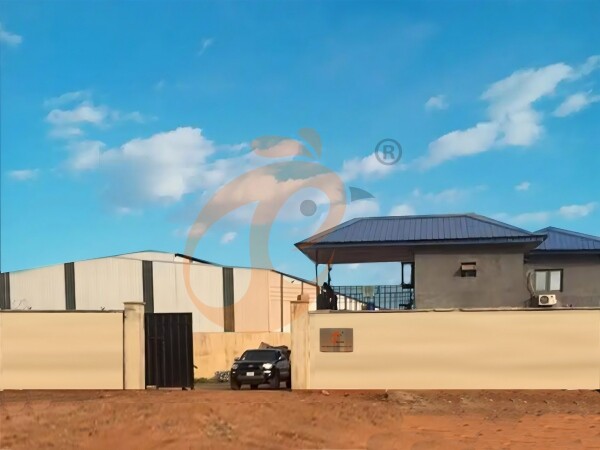
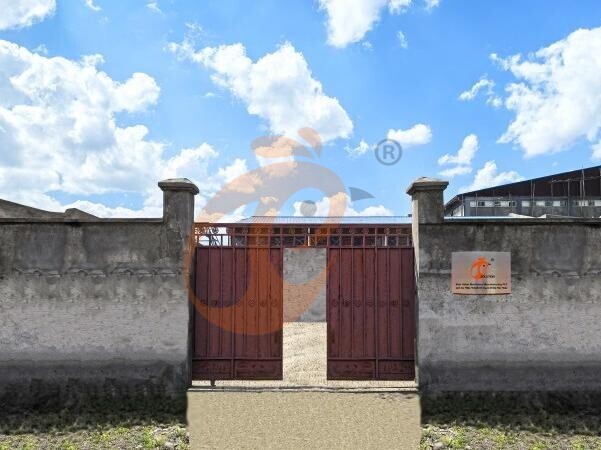
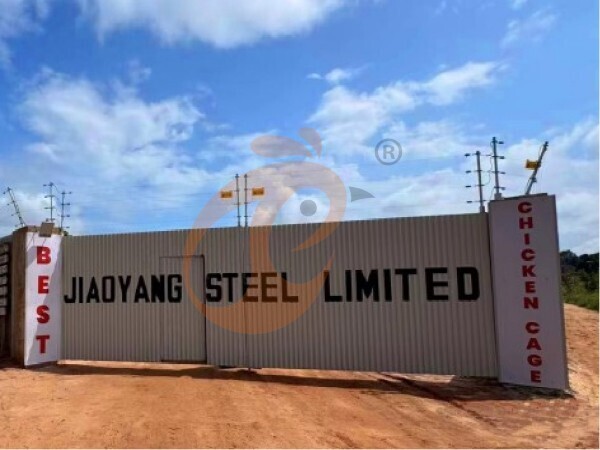
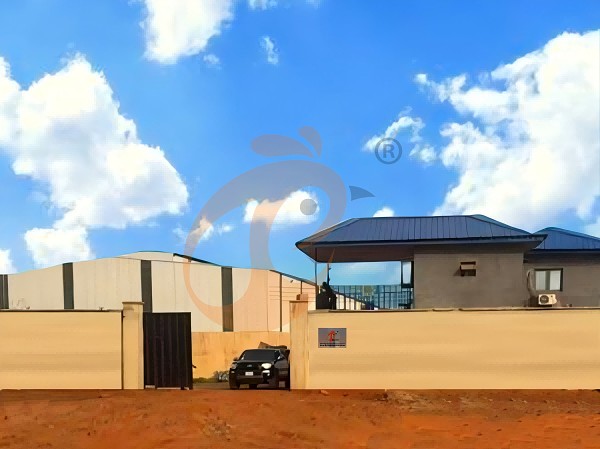
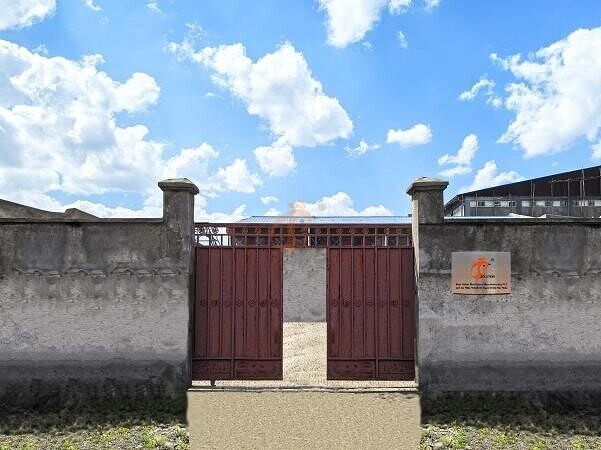
Ethiopia Branch - Office And Factory
Advanced Poultry Housing And Cage Systems
A-Type and H-Type battery cages replace deep litter floors by improving space utilization, hygiene control, and bird management.
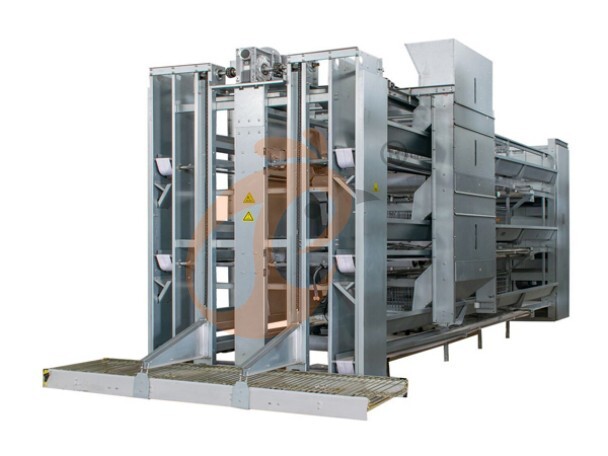
H-Type systems support vertical expansion, making them suitable for land-constrained peri-urban farms.
Data is for reference only. Swipe horizontally to view full table.
All structural components use hot-dip galvanized steel with a service life exceeding 25 years, supported by zinc coating thickness ≥275 g/m².
This durability protects Ethiopia chicken farming equipment investments against humidity, manure gases, and frequent washing cycles.
Precision Automated Feeding Systems
Automated feeding systems are a critical component of Ethiopia chicken farming equipment layouts, designed to reduce waste and ensure uniform nutrient delivery.
Data is for reference only. Swipe horizontally to view full table.
Bridge feeders, auger-driven pans, and traveling hoppers prevent selective feeding, improve flock weight uniformity, and directly support processing-grade broiler performance.
Intelligent Nipple Drinking Systems
Closed nipple drinking systems have become standard in Ethiopia chicken farming equipment installations for both broilers and layers.
Water Management Specifications
Data is for reference only. Swipe horizontally to view full table.
A 50,000-bird poultry house typically uses a 2,500 L header tank, ensuring continuous clean water supply during local power or water fluctuations.
Environmental Control And Ventilation Systems
Ethiopia chicken farming equipment increasingly integrates closed-house systems combining tunnel ventilation and evaporative cooling.
Ventilation System Components
Data is for reference only. Swipe horizontally to view full table.
Power Supply And Energy Backup Systems
Stable power supply is essential for automated poultry farms using Ethiopia chicken farming equipment.
Power interruptions can immediately affect ventilation, feeding, and drinking systems.
Commercial farms typically install 30–250 kVA diesel generators based on house size and equipment load.
Hybrid solar systems are also used to supply 20–40% of daily electricity demand, reducing operating costs.
Backup power ensures continuous operation of critical systems and protects flock health.
Automated Egg Collection And Grading
Automated egg collection systems reduce damage and contamination compared with manual methods.
Egg Production Efficiency Comparison
Data is for reference only. Swipe horizontally to view full table.
Integrated grading machines classify eggs by weight and internal quality, enabling access to premium retail and hospitality supply channels.
Automatic Manure Removal Systems
Ethiopia chicken farming equipment solutions emphasize frequent manure removal to protect bird health and working conditions.
Manure Management Comparison
Data is for reference only. Swipe horizontally to view full table.
Effective manure control increases egg production by 10–15% and enables reuse as organic fertilizer.
IoT And Intelligent Control Applications In Poultry Farms
Digital management systems are becoming a standard component of modern Ethiopia chicken farming equipment operations.
Approximately 48% of large African commercial poultry farms have implemented IoT-based monitoring systems
Sensors continuously track temperature, humidity, ammonia, and CO₂ levels inside poultry houses
Central controllers automatically adjust ventilation, feeding schedules, and cooling intensity
Real-time alarms alert managers to abnormal conditions, reducing response time
Intelligent control improves production stability and reduces dependence on manual intervention
Frequently Asked Questions
Q1: Which cage system suits urban Ethiopian poultry farms best
H-Type multi-tier cages maximize vertical space and integrate easily with automation
Q2: How often should manure be removed in commercial houses
Daily or continuous removal is recommended to keep ammonia below 20 ppm
Q3: Can automated systems operate during power interruptions
Yes, systems can be integrated with generators or solar-backed controllers
Ethiopia Best Hebei Machinery Manufacturing Plc - One Of Ethiopia Largest Chicken Farming Equipment Manufacturer
Global supply of poultry farm equipment to more than 70 countries worldwide
Factory-direct production of poultry cage systems, feeding, drinking, ventilation, and manure solutions
Full turnkey poultry farm engineering from design to installation and training
All systems manufactured in compliance with EU standards for reference only
Proven project capacity supporting farms exceeding one million birds annually
Contact Us To Received Your Customized Poultry Farm Plan
Headquarters And Branchs
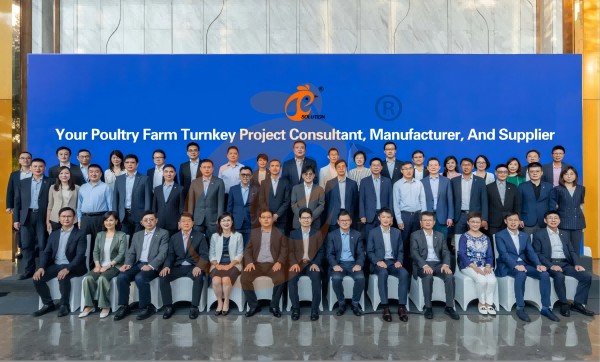
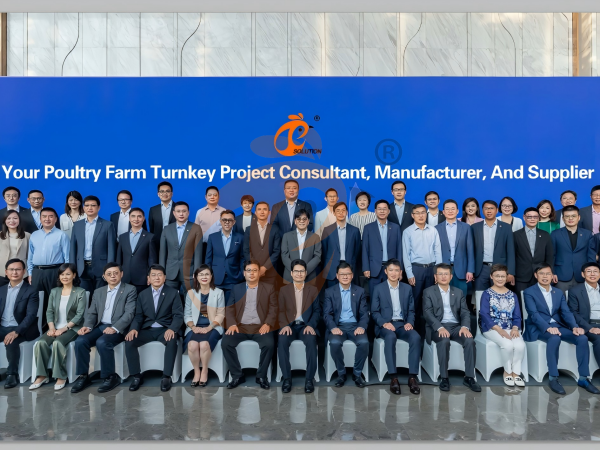
Hong Kong Headquarter Management Team
Hong Kong Headquarter Taiyu Industrial Group CO., LTD
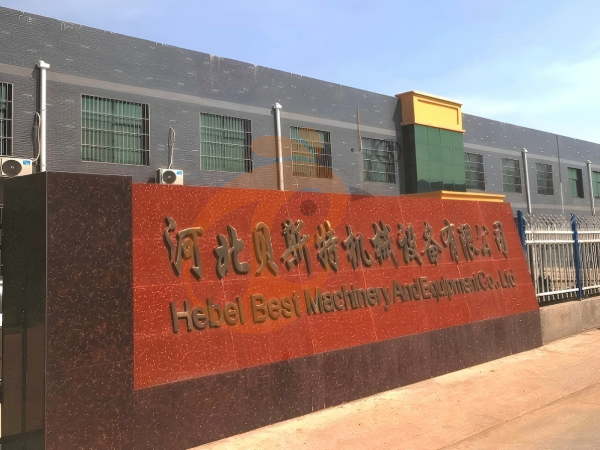
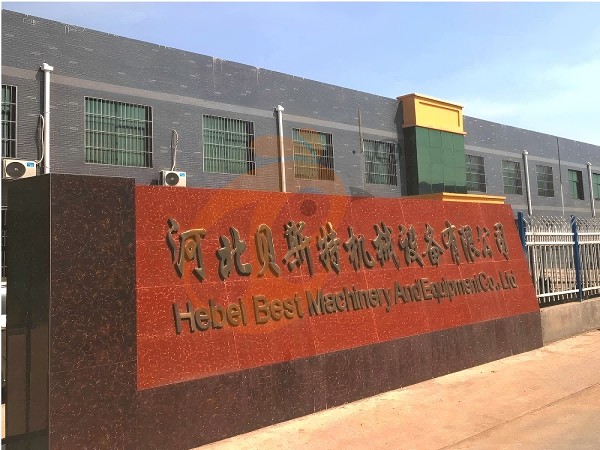
China Hebei Best Machinery And Equipment CO., LTD
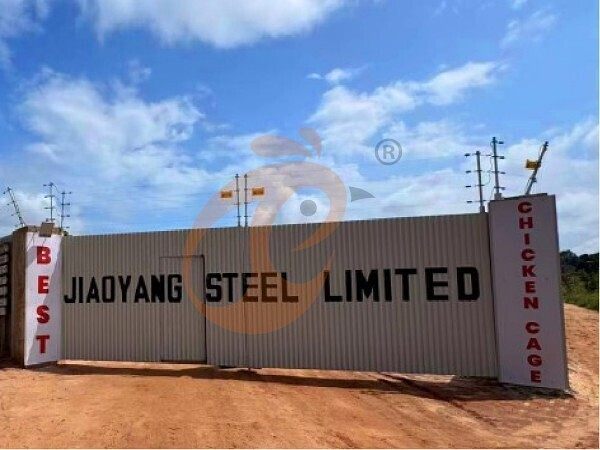
Nigeria Vanke Machinery And Equipment CO., LTD
Tanzania Best Machinery And Equipment CO., LTD
Ethiopia Best Hebei Machinery Manufacturing PLC
Reception /24 WhatsApp NO. : +8618830120193
MESSAGE
Products recommended
 HK Headquarter Offers EU-standard Poultry Farm Solutions, Manufacture Poultry Farm Equipment1. Continuous communication with the EU and the US
2. China, Nigeria, Ethiopia, Tanzania branch companies and factories
3. The products’ quality is customized for local poultry farms
4. Poultry cage and poultry farm equipment stock for sale
5. 24 online reception Whatsapp NO. : +8618830120193,contact us to get full informationRead More China Branch Offer Poultry Farm Business Plan, Manufacture Poultry Farm Equipment1. Address: Flat/RM 2416, 24/F, Runxing Building, Youyi Nan Street, Shijiazhuang City, Hebei Province, China
2. Poultry cage and poultry farm equipment factory and stock for sale
3. Customized for local poultry farms
4. Quality and design are based on Euro
5. 24 online reception Whatsapp NO. : +8618830120193Read More Nigeria Branch Offer Poultry Farm Business Plan, Manufacture Poultry Farm Equipment1. Address: After Sinoma Office, 200 Meters Near Danco Filling Station, Lagos/Ibadan Expressway, Lagos State, Nigeria
2. Poultry cage and poultry farm equipment factory and stock for sale
3. Customized for Nigerian poultry farms
4. Quality and design are based on Euro
5. 24 online reception Whatsapp NO. : +8618830120193Read More Ethiopia Branch Offer Poultry Farm Business Plan, Manufacture Poultry Farm Equipment1. Address: WR93+FQ2, Addis Ababa, Ethiopia
2. Poultry cage and poultry farm equipment stock for sale
3. Customized for Ethiopian poultry farms
4. Quality and design are based on Euro
5. 24 online reception Whatsapp NO. : +8618830120193, contact us to get price listRead More Tanzania Branch Offer Poultry Farm Business Plan, Manufacture Poultry Farm Equipment1. Address: No.8, Sova Road, Msufini, Mlandizi, Kibaha, Pwani, Tanzania
2. Poultry cage and poultry farm equipment factory and stock for sale
3. Customized for Tanzanian poultry farms
4. Quality and design are based on Euro
5. 24 online reception Whatsapp NO. : +8618830120193Read More Automatic H Type Layer Battery Cage System1. 30,000-100,000+ layers/house chooses it
2. Structure type stacked 3-16 tiers range
3. Stocking density up to 17 birds/cage
4. Service life 25 years
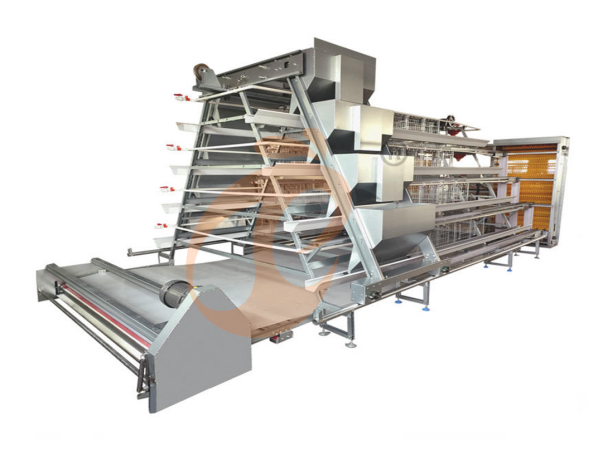
5. Reception /WhatsApp NO. : +8618830120193Read More Automatic A Type Layer Battery Cage System1. 10,000-30,000+ layers/house chooses it
2. Lifespan 25+ years
3. Labor requirement 1 worker per 10,000 birds
4. Reduce disease rates by 15%-20%.
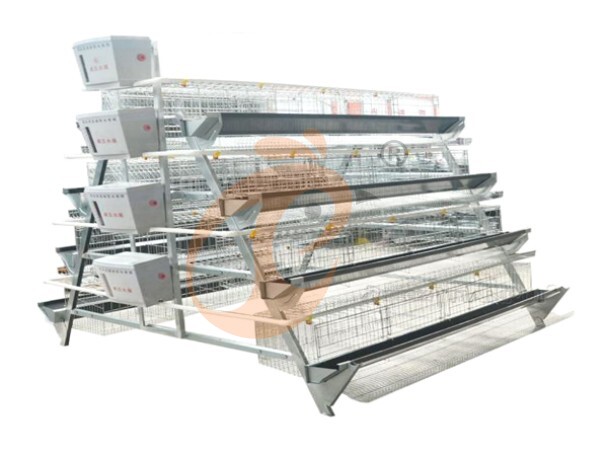
5. Reception /WhatsApp NO. : +8618830120193Read More Semi Automatic A Type Layer Battery Cage System1. 1,00-10,000+ layers/house chooses it
2. Egg breakage rate≤ 0.5%
3. Mesh spacing 2.5×2.5 cm
4. Egg collection floor slope 7–8°
5. Reception /WhatsApp NO. : +8618830120193Read More