Ethiopia poultry farm investment opportunity: Investing in Ethiopian poultry farms presents high-growth potential for both local and regional markets.
Rising protein demand: The population of over 120 million drives persistent demand for poultry meat and eggs.
Cost awareness: Understanding capital expenditure, operational costs, and risk factors is essential for success.
Market volatility: Feed, DOCs, and energy prices fluctuate seasonally, requiring strategic planning.
Profitability focus: Efficient farm management and biosecurity measures can maximize return on investment.
Get professional poultry farm construction guidance, equipment selection solutions, and the latest price lists, whatsApp to +8618830120193, click to learn more:

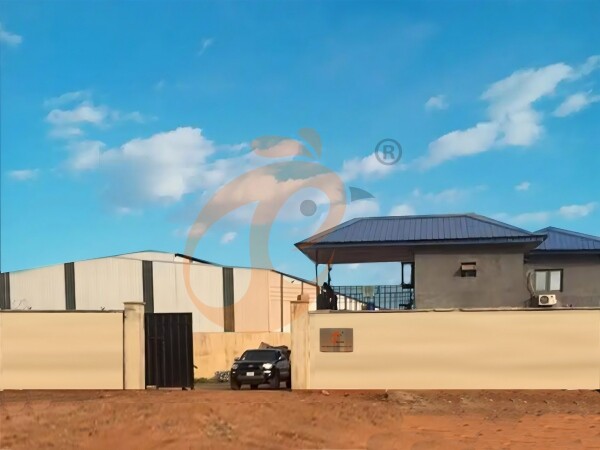
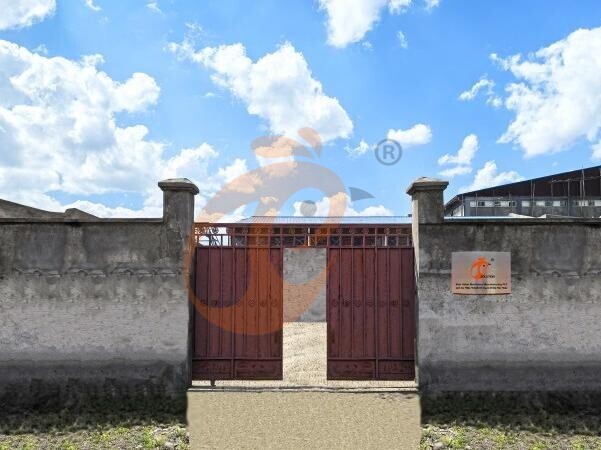
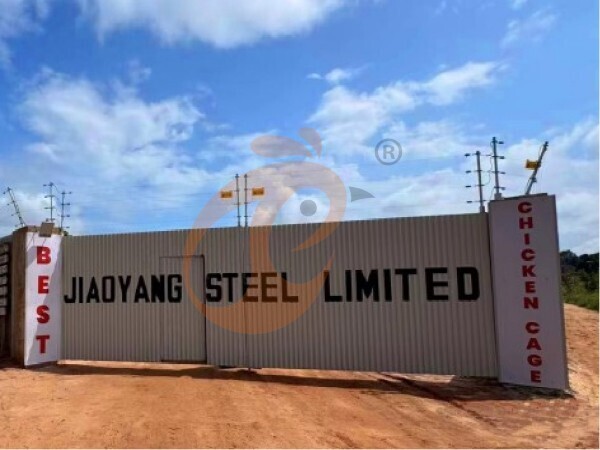
Ethiopia Branch Office And Factory Of Poultry Farm Equipment
Evaluating Initial Land And Site Development Costs
Before starting an Ethiopia poultry farm, initial capital focuses on land acquisition, site clearing, and infrastructure.
Land in Ethiopia is state-owned; investors usually lease long-term rights.
Proximity to Addis Ababa or Bishoftu reduces transport costs but increases land premiums.
Data is for reference only. Swipe horizontally to view full table.
Estimating Poultry Housing And Equipment Infrastructure
Investors in an Ethiopia poultry farm must account for bio-secure housing.
Semi-automated systems help optimize feed conversion and temperature control.
Traditional houses reduce upfront costs but increase long-term risk.
Data is for reference only. Swipe horizontally to view full table.
Analyzing Biological Asset Procurement Risks
Frequent shortages of parent stock require pre-booking months in advance.
Data is for reference only. Swipe horizontally to view full table.
Breaking Down Feed Formulation And Raw Material Costs
Feed represents 70% of total expenses for an Ethiopia poultry farm.
Local maize and soy production help reduce costs, but export demand and human consumption can drive volatility.
Data is for reference only. Swipe horizontally to view full table.
Managing Health, Vaccination, And Bio-Security Costs
Health management is critical in an Ethiopia poultry farm.
Newcastle Disease and Gumboro virus are prevalent. Biosecurity reduces mortality and improves ROI.
Data is for reference only. Swipe horizontally to view full table.
Understanding Labor And Utility Operational Risks
Labor and utilities impact the success of an Ethiopia poultry farm.
Skilled technicians are scarce; power outages require generators to maintain operations.
Data is for reference only. Swipe horizontally to view full table.
IoT And Intelligent Control Systems In Poultry Farms
Smart technologies in an Ethiopia poultry farm optimize temperature, humidity, and feeding automatically.
Real-time sensors can reduce energy consumption by ~18% and improve feed conversion by 10%, according to recent farm studies.
Automation also enables remote monitoring, reducing labor reliance and improving biosecurity.
Revenue Projections And Market Exit Risks
An Ethiopia poultry farm must consider market unpredictability.
Most sales are cash-based, to wholesalers, hotels, or urban retailers.
Data is for reference only. Swipe horizontally to view full table.
Summary Of Investment Action Plan
New investors in an Ethiopia poultry farm must balance low labor costs with high feed and technology expenses.
Secure feed supply chains, robust biosecurity, and proximity to urban markets maximize ROI.
Key Takeaways:
Location Matters: Stay near major cities for stable demand.
Forex Strategy: Budget for imported additives and vaccines.
Energy Independence: Always include generator costs.
Start Small, Scale Fast: Master 2,000–5,000 birds before expanding.
Frequently Asked Questions (FAQ)
Q1: What are typical mortality risks in Ethiopia poultry farms?
A1: Mortality ranges from 2–5% in broilers and 1–4% in layers during the first week. Early vaccination is essential.
Q2: How can feed costs be minimized?
A2: Using local maize and soy, securing bulk contracts, and proper storage reduce price volatility.
Q3: Is IoT investment justified in small farms?
A3: Even small farms benefit from IoT for temperature, humidity, and automated feeding, improving efficiency by up to 10%.
Ethiopia Best Hebei Machinery Manufacturing Plc - One Of Ethiopia Largest Poultry Farm Manufacturer
Global Reach: Exporting poultry farm equipment worldwide with factory-direct prices.
Turnkey Projects: Full-service design, construction, and handover for layer and broiler farms.
Diverse Equipment: Poultry cages, feeders, drinkers, ventilation, and biosecure housing.
Data-Driven Service: Over 100 farms installed, 2,000,000+ birds managed annually.
Customer Assurance: OEM manufacturing standards, onsite training, lifetime technical support.
Contact Us To Received Your Customized Poultry Farm Plan
Headquarters And Branchs

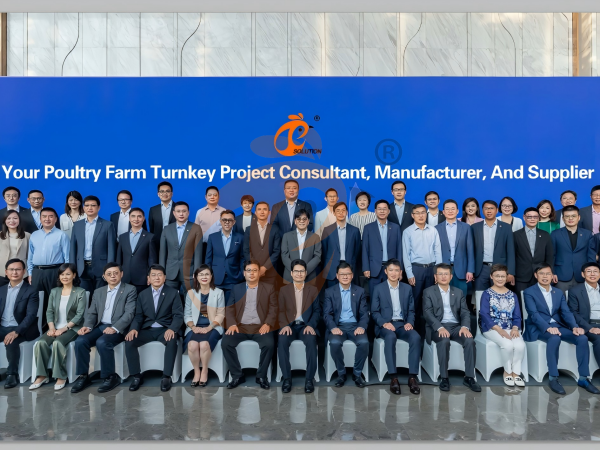
Hong Kong Headquarter Management Team
Hong Kong Headquarter Taiyu Industrial Group CO., LTD
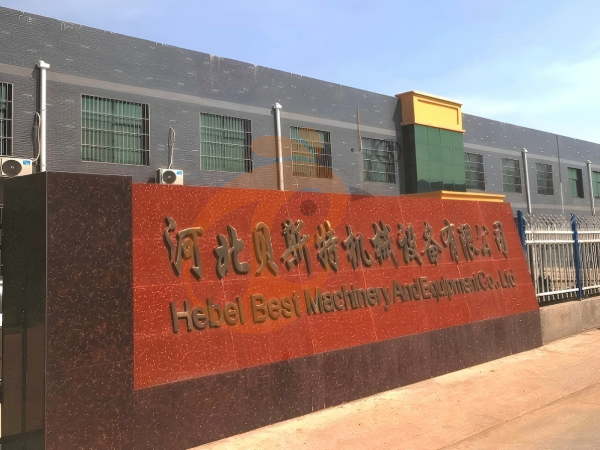
China Hebei Best Machinery And Equipment CO., LTD
Nigeria Vanke Machinery And Equipment CO., LTD
Tanzania Best Machinery And Equipment CO., LTD
Ethiopia Best Hebei Machinery Manufacturing PLC




Reception /24 WhatsApp NO. : +8618830120193
MESSAGE
Products recommended
 HK Headquarter Offers EU-standard Poultry Farm Solutions, Manufacture Poultry Farm Equipment1. Continuous communication with the EU and the US
2. China, Nigeria, Ethiopia, Tanzania branch companies and factories
3. The products’ quality is customized for local poultry farms
4. Poultry cage and poultry farm equipment stock for sale
5. 24 online reception Whatsapp NO. : +8618830120193,contact us to get full informationRead More China Branch Offer Poultry Farm Business Plan, Manufacture Poultry Farm Equipment1. Address: Flat/RM 2416, 24/F, Runxing Building, Youyi Nan Street, Shijiazhuang City, Hebei Province, China
2. Poultry cage and poultry farm equipment factory and stock for sale
3. Customized for local poultry farms
4. Quality and design are based on Euro
5. 24 online reception Whatsapp NO. : +8618830120193Read More Nigeria Branch Offer Poultry Farm Business Plan, Manufacture Poultry Farm Equipment1. Address: After Sinoma Office, 200 Meters Near Danco Filling Station, Lagos/Ibadan Expressway, Lagos State, Nigeria
2. Poultry cage and poultry farm equipment factory and stock for sale
3. Customized for Nigerian poultry farms
4. Quality and design are based on Euro
5. 24 online reception Whatsapp NO. : +8618830120193Read More Ethiopia Branch Offer Poultry Farm Business Plan, Manufacture Poultry Farm Equipment1. Address: WR93+FQ2, Addis Ababa, Ethiopia
2. Poultry cage and poultry farm equipment stock for sale
3. Customized for Ethiopian poultry farms
4. Quality and design are based on Euro
5. 24 online reception Whatsapp NO. : +8618830120193, contact us to get price listRead More Tanzania Branch Offer Poultry Farm Business Plan, Manufacture Poultry Farm Equipment1. Address: No.8, Sova Road, Msufini, Mlandizi, Kibaha, Pwani, Tanzania
2. Poultry cage and poultry farm equipment factory and stock for sale
3. Customized for Tanzanian poultry farms
4. Quality and design are based on Euro
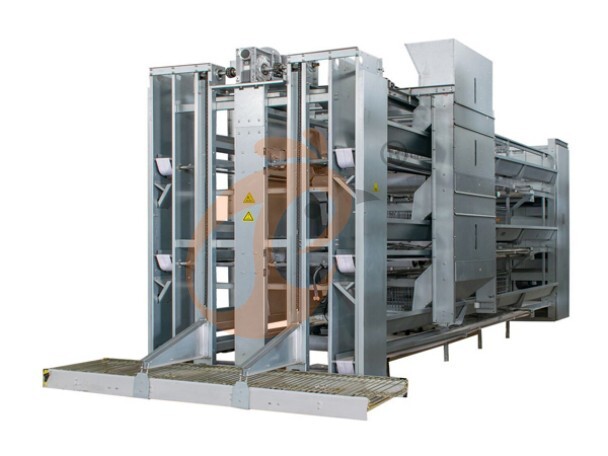
5. 24 online reception Whatsapp NO. : +8618830120193Read More Automatic H Type Layer Battery Cage System1. 30,000-100,000+ layers/house chooses it
2. Structure type stacked 3-16 tiers range
3. Stocking density up to 17 birds/cage
4. Service life 25 years
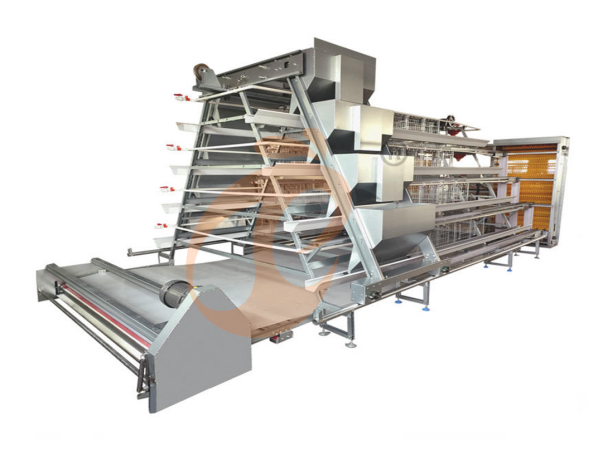
5. Reception /WhatsApp NO. : +8618830120193Read More Automatic A Type Layer Battery Cage System1. 10,000-30,000+ layers/house chooses it
2. Lifespan 25+ years
3. Labor requirement 1 worker per 10,000 birds
4. Reduce disease rates by 15%-20%.
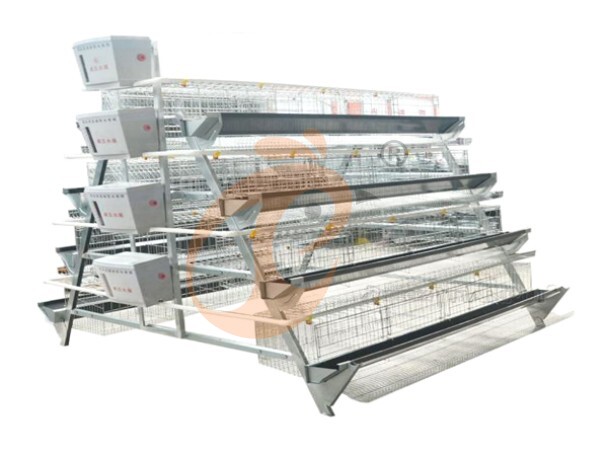
5. Reception /WhatsApp NO. : +8618830120193Read More Semi Automatic A Type Layer Battery Cage System1. 1,00-10,000+ layers/house chooses it
2. Egg breakage rate≤ 0.5%
3. Mesh spacing 2.5×2.5 cm
4. Egg collection floor slope 7–8°
5. Reception /WhatsApp NO. : +8618830120193Read More